Top 99 Restaurant Dishes: Expert Picks That Define Modern Cuisine
The world’s most celebrated restaurants have perfected the art of transforming simple ingredients into transcendent culinary experiences. When food critics, Michelin-starred chefs, and passionate tasting panels convene to discuss the greatest dishes ever served, a fascinating pattern emerges—certain plates have earned their legendary status through decades of refinement, technical mastery, and an almost spiritual connection between ingredient and preparation. These aren’t merely meals; they’re edible narratives that tell stories of tradition, innovation, and the relentless pursuit of perfection that defines the restaurant industry’s elite.
Exploring the top 99 restaurant menu selections worldwide reveals more than just popular food items—it unveils the philosophy behind modern gastronomy, the cultural significance of heritage dishes, and the creative vision that separates memorable dining from truly transformative culinary moments. From the bustling streets of Tokyo to the refined dining rooms of Paris, each dish on this curated list represents years of experimentation, ingredient sourcing, and the kind of dedication that transforms cooking into an art form worthy of admiration and study.
Italian Pasta Masterpieces: The Foundation of Culinary Excellence
Italian cuisine’s dominance in global fine dining stems from an uncompromising commitment to ingredient purity and technique refinement. When exploring the best homemade pasta recipes, professional chefs consistently reference the same foundational principles that separate restaurant-quality dishes from home cooking attempts. The most revered pasta dishes on the world’s top 99 restaurant menus share an elegant simplicity—they refuse to mask their core components with excessive embellishment.
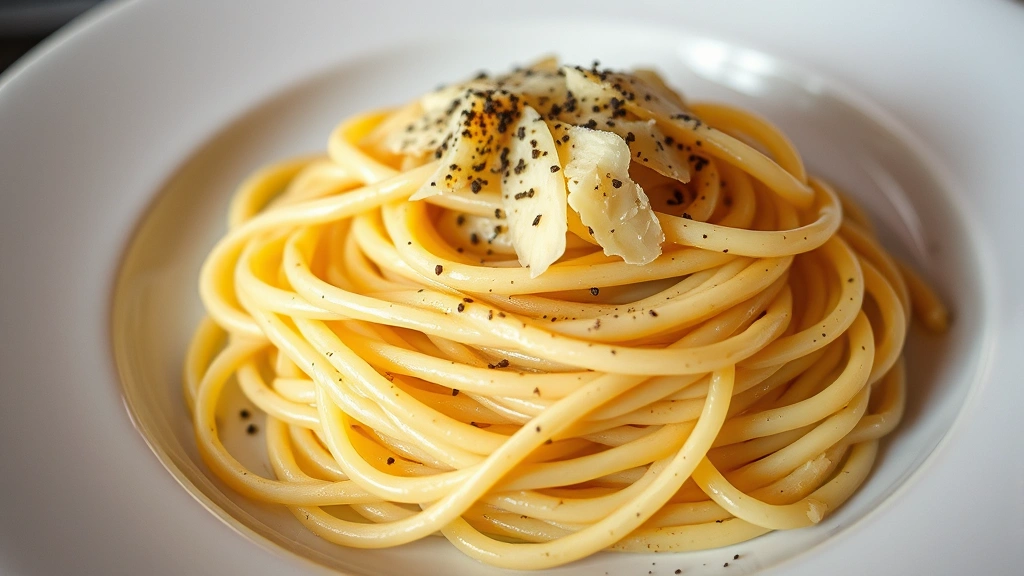
Cacio e Pepe represents perhaps the purest expression of this philosophy. Three ingredients—Pecorino Romano cheese, black pepper, and pasta water—combine to create a sauce of remarkable complexity and depth. The texture demands precise timing; the emulsion must achieve a silky consistency without breaking into greasiness. Restaurants serving exceptional versions of this dish understand that the pasta itself must be perfectly al dente, with a starch content that facilitates the sauce’s adhesion. The pepper isn’t merely sprinkled; it’s toasted to awaken dormant flavor compounds, then ground fresh to preserve volatile aromatics.
Carbonara demands equal reverence and technical precision. The interplay between guanciale’s rendered fat, egg yolks, Pecorino Romano, and black pepper creates a sauce that coats each strand with luxurious richness. The critical moment arrives when hot pasta meets cold egg mixture—timing determines whether the result is a creamy coating or scrambled eggs. Master chefs understand pasta water’s role as a binding agent, using its starch to create an emulsion that would otherwise be impossible. Best sauce recipes for pasta invariably highlight carbonara’s delicate balance between richness and brightness.
Ragù Bolognese, when executed properly, represents months of development and hours of cooking time per batch. The sauce must achieve a texture where meat fibers have completely dissolved into a unified, velvety mass. Quality restaurants source their meat from heritage breeds, understanding that fat composition and muscle development profoundly affect the final flavor profile. The addition of milk or cream in the final stages creates a subtle sweetness that balances acidity, while the long simmer allows spices and aromatics to fully integrate into the sauce’s foundation.
Pasta al Tartufo showcases how a single ingredient of supreme quality can elevate a dish to legendary status. Fresh white truffles from Alba or Piedmont possess an intoxicating aroma—earthy, garlicky, with subtle notes of honey and fermented undertones. Restaurants serving this dish understand that the truffle must be shaved tableside, its volatile aromatics released directly above the warm pasta where they can be fully appreciated. The pasta itself remains simple: often just butter and Parmigiano-Reggiano, allowing the truffle’s complex flavor profile to dominate without competition.
Lasagna Bolognese, when featured on a top restaurant’s menu, represents a complete reimagining of the familiar comfort dish. Rather than thick, heavy layers, contemporary versions feature delicate sheets of fresh egg pasta alternating with perfectly balanced ragù and béchamel. The proportions shift dramatically—more pasta, less sauce, creating a refined dish that honors tradition while embracing modern sensibilities. The béchamel must be silky without being heavy, its subtle nutmeg and white pepper complementing rather than overwhelming the meat sauce.
Pappardelle with Wild Boar demonstrates how restaurant chefs source ingredients that home cooks rarely encounter. Wild boar possesses a deeper, more complex flavor than domestic pork—slightly gamey, with mineral undertones and a texture that becomes incredibly tender after hours of braising. The wide ribbon pasta catches and holds this rich sauce beautifully, while the dish’s garnish—perhaps a shaving of Parmigiano-Reggiano and a whisper of fresh herbs—adds textural contrast and aromatic brightness.
Asian Noodle and Rice Traditions: Centuries of Refined Technique
Asian cuisines have perfected noodle and rice cookery over millennia, developing techniques that Western restaurants are only beginning to appreciate fully. Hand-pulled noodles in Lanzhou demonstrate how dough manipulation creates texture—the repeated stretching and folding develops gluten networks that yield strands with a specific chewiness prized by enthusiasts. The broth supporting these noodles simmers for days, extracting collagen from bones and creating a mouthfeel that coats the palate with savory richness.
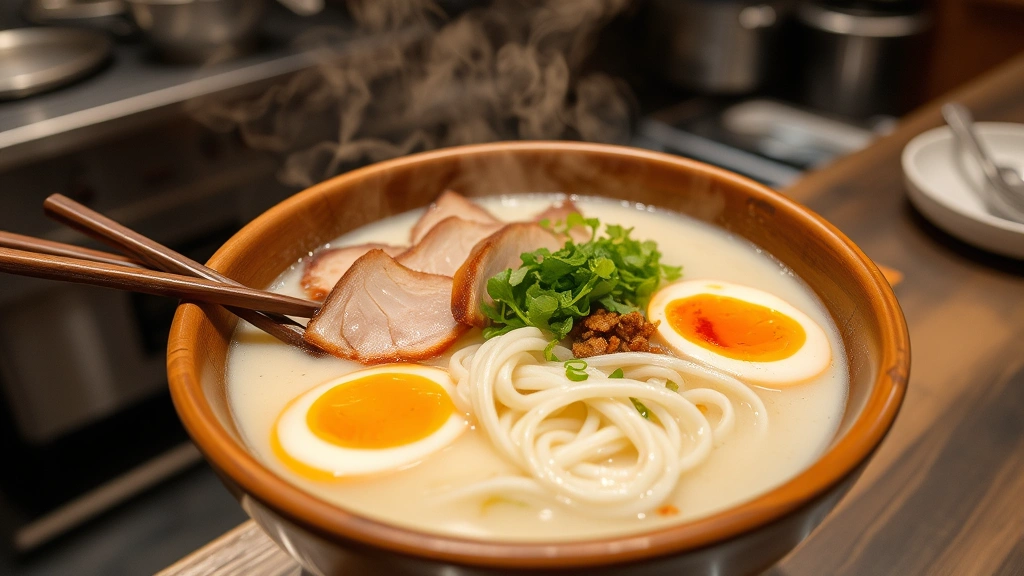
Ramen, particularly tonkotsu from Fukuoka, showcases how patient simmering transforms basic ingredients into something transcendent. The pork bone broth requires 12-18 hours of continuous cooking at precise temperatures. The collagen converts to gelatin, creating a silky texture; the fat emulsifies, creating a milky-white appearance and luxurious mouthfeel. The noodles must be perfectly timed—neither soft nor firm, but possessing a slight resistance that Japanese palates call the ideal texture. Toppings are never arbitrary; each element (chashu pork, soft-boiled egg, nori, scallions) contributes specific flavors and textural contrasts.
Pad Thai, when executed by skilled Thai chefs, balances four fundamental tastes with remarkable precision. The sour from tamarind paste, the sweet from palm sugar, the salty from fish sauce, and the heat from dried chilies must achieve perfect equilibrium. Rice noodles must be cooked to a specific texture—neither mushy nor hard—and the wok temperature must be extremely high to achieve the slight charring that adds depth. Fresh lime juice squeezed tableside brightens the dish at the final moment, awakening flavors that would dull if added earlier.
Bibimbap represents Korean cuisine’s philosophy of balance and harmony. The bowl combines warm rice, seasoned vegetables (both cooked and raw), a fried egg, and gochujang-seasoned meat, with a raw egg yolk on top. Diners mix the components themselves, allowing each bite to contain different flavor combinations. The textural variety—crispy rice, tender vegetables, soft egg, chewy meat—creates an engaging eating experience that evolves with each spoonful. Sesame oil drizzled just before serving adds nutty aroma and rich mouthfeel.
Risotto, while Italian, has been adopted and adapted throughout Asian fine dining establishments. The constant stirring required to release starch from arborio rice creates a creamy sauce without cream—a technique that demonstrates understanding of food science. Restaurant chefs prepare risotto to order, managing timing precisely so the rice reaches the ideal texture (creamy exterior, slight firmness at the center) exactly when the dish is plated. Additions like saffron, mushrooms, or seafood are incorporated strategically to complement rather than overwhelm the rice’s natural flavor.
Peking Duck exemplifies how a single protein can be elevated through specialized technique and presentation. The duck must be air-dried for hours after a specific preparation involving boiling water and spices, which tightens the skin and removes excess fat. Roasting occurs in a specialized oven at controlled temperature, allowing the skin to become crackling-crisp while the meat remains juicy. The presentation—sliced tableside, served with thin crepes, hoisin sauce, and julienned vegetables—transforms the dish into theater.
French Culinary Icons: Technique as Poetry
French cuisine’s influence on fine dining globally cannot be overstated. The techniques codified in classical French cooking—mise en place, mother sauces, precise temperature control—form the foundation of professional kitchens worldwide. Easy homemade pasta sauce guides often reference French mother sauce principles, demonstrating how deeply French methodology has penetrated culinary culture.
Coq au Vin transforms a humble chicken into something profound through patient braising in red wine with pearl onions, mushrooms, and lardons. The wine’s acidity and tannins break down collagen, while the long cooking allows flavors to marry into a unified whole. The sauce achieves a silky texture through reduction and careful emulsification. Quality restaurants source heritage chicken breeds with more developed muscle and richer flavor than conventional poultry.
Beef Bourguignon follows similar principles with beef rather than chicken. Large chunks of meat braise in red wine with aromatics, creating tender, succulent results. The sauce requires careful skimming to remove impurities, then reduction to concentrate flavors. The final dish should taste of deep wine, caramelized beef, and subtle herb notes—no single element dominates.
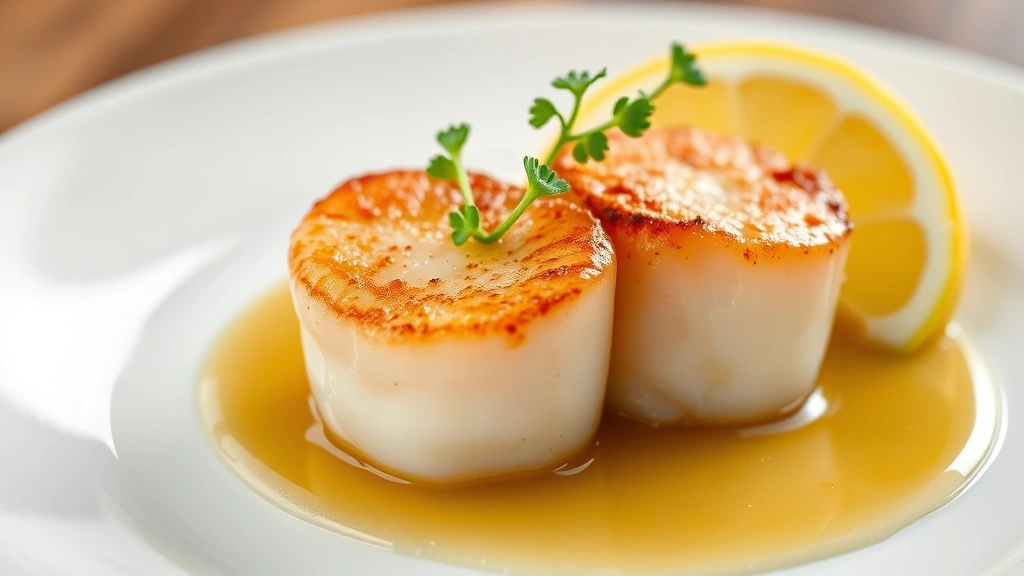
Sole Meunière demonstrates how simplicity can achieve perfection. Dover sole, when fresh, possesses delicate flavor that excessive preparation would ruin. The fish is simply dredged in flour and pan-fried in butter until the exterior crisps and the flesh becomes opaque. Brown butter poured over the finished fish adds nutty aroma and richness. A squeeze of lemon brightens the dish, and perhaps a garnish of fresh parsley—nothing more is needed or desired.
Foie Gras Terrine showcases French cuisine’s embrace of luxury ingredients and traditional preservation techniques. The liver must be of exceptional quality, carefully deveined, and seasoned with precise restraint. Cooking occurs in a water bath at exact temperature to achieve a silky, barely-set texture. Served with toasted brioche and perhaps a small spoonful of fruit compote, the dish allows the liver’s rich, buttery flavor to command attention.
Bouillabaisse, the legendary Provençal fish stew, requires exceptional fish sourcing and meticulous preparation. Multiple varieties of Mediterranean fish contribute distinct flavors to the broth, which simmers with saffron, fennel, orange zest, and garlic. The rouille (a saffron and garlic mayonnaise) and crusty bread accompany the dish, allowing diners to customize each spoonful.
Spanish and Mediterranean Sensations: Sun-Soaked Flavors
Spanish cuisine celebrates bold flavors, quality ingredients, and techniques refined over centuries. Paella, particularly when prepared by masters in Valencia, demonstrates how rice cookery transcends simple carbohydrate preparation. The rice must achieve the ideal texture—creamy where it touches the broth, with a slightly crispy bottom layer (the socarrat) that adds textural contrast and nutty flavor. Saffron threads infuse the broth with golden color and floral aroma, while stock quality determines the final flavor profile entirely.
Jamón Ibérico represents Spanish culinary philosophy distilled into a single ingredient. Pigs raised on acorns in Iberian forests develop intramuscular fat with unique flavor compounds—nutty, slightly sweet, with mineral undertones. The curing process, sometimes lasting years, concentrates these flavors while developing complex secondary notes. Sliced paper-thin and served at room temperature, the fat melts on the tongue, releasing its full aromatic complexity.
Gazpacho, the cold tomato soup of Andalusia, demonstrates how summer tomatoes at peak ripeness require minimal intervention. Quality versions taste purely of tomato, garlic, olive oil, vinegar, and bread—no cream, no complicated garnishes. The tomatoes must be perfectly ripe; underripe fruit will result in sharp acidity rather than balanced sweetness. Restaurants serving exceptional gazpacho often source heirloom varieties, understanding that modern commercial tomatoes lack the complexity of heritage breeds.
Pulpo a la Gallega showcases octopus preparation refined in Galicia. The octopus must be tenderized through careful cooking—some chefs freeze it first, understanding that ice crystal formation breaks down muscle fibers. Cooking occurs at precise temperature in water with aromatics, resulting in tender flesh that retains slight chewiness. Finished with excellent olive oil, smoked paprika, and fleur de sel, the dish celebrates ingredient quality above all else.
Gambas al Ajillo represents Spanish simplicity at its finest. Large prawns are seared in hot oil infused with sliced garlic, then finished with perhaps a splash of white wine or brandy. The timing must be precise—overcooked shrimp become rubbery and lose their delicate sweetness. The dish depends entirely on shrimp quality; frozen specimens cannot achieve the same texture and flavor as fresh-caught varieties.
Modern Molecular Cuisine: Science Meets Artistry
Contemporary fine dining embraces scientific understanding of cooking processes, employing techniques that would have seemed like magic mere decades ago. Spherification creates juice-filled bubbles that burst on the palate, releasing concentrated flavor. Foams add airy texture and aromatic intensity to dishes. Sous vide cooking allows precise temperature control, ensuring consistent results impossible to achieve through traditional methods.
The best molecular cuisine never prioritizes technique over flavor. Rather, chefs employ these methods as tools to enhance taste and create textural variety. A carrot sphere might concentrate the vegetable’s sweetness while adding surprising textural contrast. A beet foam might add earthy aroma without the heaviness of traditional beet preparations.
Restaurants pioneering this approach understand that diners seek novelty alongside deliciousness. The visual presentation of these dishes engages the eye, while the eating experience surprises the palate. However, the most celebrated practitioners recognize that technique must always serve flavor—never the reverse.
Seafood and Coastal Delicacies: Ocean’s Finest Offerings
Seafood dishes dominate the world’s top restaurant menus because quality fish and shellfish possess inherent complexity that requires minimal intervention. Sashimi, the Japanese art of slicing raw fish, celebrates this principle absolutely. The fish must be of sushi-grade quality, properly frozen to eliminate parasites, and sliced with a sharp knife in a single motion to preserve cell integrity. Served with only soy sauce, wasabi, and perhaps pickled ginger, sashimi allows the fish’s flavor to dominate completely.
Ceviche demonstrates how acid can cook protein without heat. Fresh fish is diced and marinated in citrus juice, which denatures proteins through the same mechanism as heat cooking. The texture becomes firm, the flavor brightens, and the fish retains a delicate quality impossible to achieve through traditional cooking. Quality ceviche depends on absolutely fresh fish—any degradation becomes immediately apparent when raw.
Lobster Thermidor, the classic French preparation, involves removing cooked lobster meat from the shell, mixing it with béchamel sauce and seasonings, then returning it to the shell and broiling until golden. The dish balances richness with delicate lobster flavor, the sauce providing luxurious texture without overwhelming the seafood’s subtle sweetness.
Oysters Rockefeller layers oysters on the half-shell with a rich sauce typically containing spinach, butter, and breadcrumbs, then broils until the topping crisps. The contrast between the cool, briny oyster meat and the hot, crispy topping creates an engaging textural and thermal experience. The sauce should complement rather than mask the oyster’s natural flavor.
Dover Sole, mentioned earlier in the French context, deserves emphasis as perhaps the finest flatfish available. Its delicate flavor and tender flesh have made it a fine dining staple for centuries. Whether prepared simply meunière or with more elaborate sauces, quality Dover sole stands among seafood’s greatest treasures.
Sea Urchin (uni) represents the ocean’s most luxurious flavor—creamy, slightly sweet, with subtle briny undertones and a buttery mouthfeel. Served simply on rice or with minimal accompaniment, uni allows the ingredient’s natural complexity to shine. The finest uni comes from specific regions and seasons, commanding premium prices due to limited availability and intense flavor.
Meat-Centric Showstoppers: Protein Perfected
While vegetable-forward cuisine gains popularity, meat dishes remain central to fine dining, particularly when sourced from heritage breeds and prepared with technical mastery. Beef Wellington showcases multiple techniques in harmony—a perfectly seared beef tenderloin, wrapped in mushroom duxelles and pâté, then encased in puff pastry. The challenge lies in coordinating cooking times so the pastry achieves golden crispness while the meat reaches the desired doneness.
Dry-aged beef, served simply as a steak, demonstrates how time transforms meat’s flavor profile. The aging process allows enzymes to break down muscle fibers, increasing tenderness, while moisture loss concentrates beef flavor. The exterior develops a crust during cooking that seals in juices; the interior should be warm and tender with a melting quality. Salt and pepper, applied generously before cooking, are often the only seasonings needed.
Venison, when properly sourced and prepared, offers game flavor more refined than many realize. The meat’s deep color indicates high myoglobin content, contributing to rich, mineral flavor. Young venison requires less cooking time than older animals; restaurants sourcing venison understand these distinctions intimately. A sauce featuring red wine and juniper berries complements venison’s natural flavors without overpowering them.
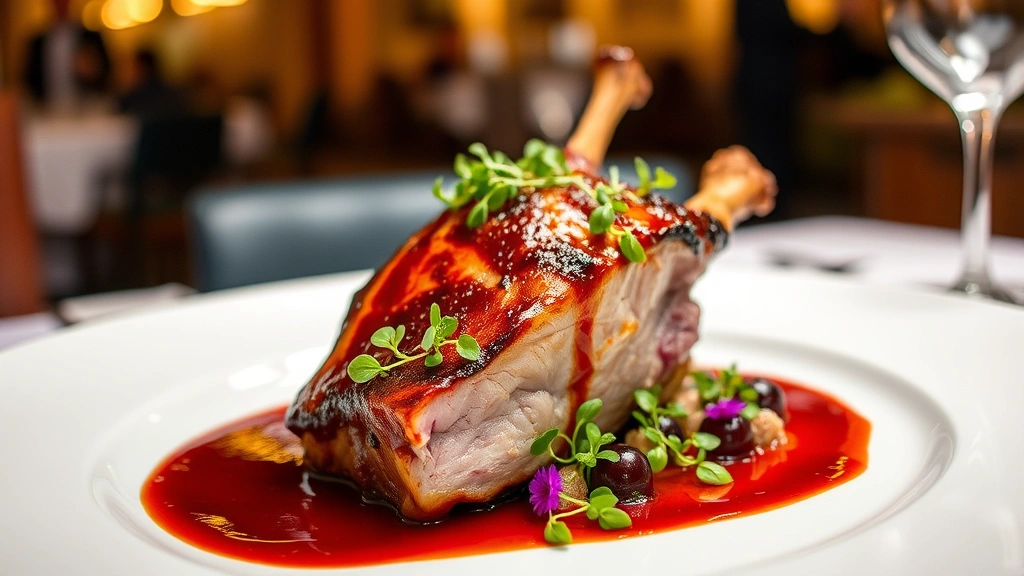
Lamb Shoulder, braised low and slow until the meat falls from the bone, becomes impossibly tender and absorbs braising liquid flavors completely. The rendered fat contributes luxurious mouthfeel and carries aromatic compounds throughout the dish. Served with the defatted braising liquid reduced to sauce consistency, the dish demonstrates how patient cooking transforms humble cuts into something transcendent.
Duck Breast, scored and rendered to achieve crispy skin while maintaining a rosy interior, achieves textural and flavor complexity that appeals to adventurous diners. The meat’s richness pairs beautifully with fruit sauces (cherry, orange) or earthy preparations (lentils, mushrooms). The contrast between the crispy exterior and tender, juicy interior creates an ideal eating experience.
Street Food Elevated: Humble Ingredients, Extraordinary Technique
Contemporary fine dining increasingly celebrates street food traditions, elevating humble ingredients through refined technique and premium sourcing. Tacos, when prepared by masters, demonstrate that simplicity and quality ingredients create greatness. Corn tortillas made fresh from nixtamalized corn possess complex flavor and ideal texture. Quality fillings—whether carne asada, carnitas, or fresh fish—are showcased rather than hidden beneath excessive toppings. A squeeze of lime and perhaps cilantro complete the dish.
Dumplings, whether Chinese, Korean, or Japanese, showcase how folded dough and filling combinations create textural and flavor complexity. The wrapper’s texture—crispy where fried, tender where steamed—provides contrast to the filling. Fillings balance protein, vegetables, and aromatics in precise proportions. Dipping sauces add brightness and additional flavor dimensions.
Bánh Mì, the Vietnamese sandwich, layers proteins (often pâté and cold cuts), pickled vegetables, fresh herbs, and mayonnaise on crusty bread. The contrast between cold and room-temperature elements, crispy bread and tender fillings, bright pickled flavors and rich mayonnaise creates a sandwich of remarkable balance and complexity. Quality bánh mì depends on exceptional bread and fresh herbs.
Pho, the Vietnamese beef broth soup, requires patient preparation of bone broth infused with charred aromatics (onion, ginger), spices (star anise, cinnamon, coriander), and quality beef. Rice noodles provide textural contrast; fresh herbs and accompaniments allow diners to customize each spoonful. The broth should taste of deep beef flavor and subtle spice—no single element dominates.
Crispy Skin Fish, prepared by Southeast Asian street vendors and fine dining chefs alike, achieves perfect skin texture through precise temperature control and technique. The skin must be absolutely dry before cooking; moisture prevents crisping. The oil temperature must be high enough to render fat and create crispiness while cooking the flesh gently. Salt applied to the skin before cooking seasons it perfectly.
Grilled Meats, whether satay from Indonesia or yakitori from Japan, demonstrate how high heat transforms meat’s surface through the Maillard reaction, creating complex flavors and appealing browning. The interiors remain juicy; the exteriors achieve textural contrast. Dipping sauces provide additional flavor dimensions and brightness to cut through richness.
Beyond these eight categories lie countless other exceptional dishes worthy of recognition. Simple pasta salad recipes showcase how even cold preparations can achieve complexity through quality ingredients and thoughtful combinations. Best Italian restaurants near me often feature dishes beyond pasta, highlighting Italian cuisine’s remarkable breadth. Easy homemade bread recipes provide foundation understanding for appreciating the artisanal bread served in fine dining establishments.
The philosophy underlying all exceptional restaurant dishes transcends cultural boundaries and cooking styles. Quality ingredients sourced thoughtfully, techniques executed with precision, and flavor combinations balanced carefully—these principles apply whether you’re enjoying a simple bowl of ramen or an elaborate multi-course tasting menu. The world’s finest restaurants understand that their responsibility extends beyond merely feeding diners; they’re creating memories, telling stories, and demonstrating what’s possible when passion meets skill in the kitchen.
When exploring the top 99 restaurant menu selections worldwide, you’re not simply reading a list of popular dishes. You’re encountering the culmination of centuries of culinary tradition, countless hours of refinement, and the dedication of chefs who’ve devoted their lives to understanding how ingredients interact, how techniques transform raw materials into something transcendent, and how to create eating experiences that linger in memory long after the meal concludes.
FAQ
What makes a dish worthy of inclusion in top restaurant menus?
Excellence in fine dining derives from multiple factors working in harmony: ingredient quality and sourcing, technical execution and precision, flavor balance and complexity, textural variety, visual presentation, and the ability to create memorable experiences. The finest dishes often appear deceptively simple, yet require extensive knowledge and practice to execute properly. They respect tradition while remaining open to thoughtful innovation.
How do restaurants source premium ingredients consistently?
Top establishments build relationships with specialized purveyors, farmers, and suppliers who understand their exacting standards. Many maintain long-term contracts ensuring consistent access to premium products. Some restaurants operate their own farms or partner with specific producers. The investment in sourcing reflects their commitment to quality—premium ingredients command premium prices.
What’s the difference between home cooking and restaurant-quality preparation?
Professional kitchens possess specialized equipment allowing precise temperature control impossible in home settings. Chefs train for years developing knife skills, timing coordination, and sensory awareness. Restaurants leverage economies of scale, purchasing premium ingredients in volume. Perhaps most importantly, professional cooks execute dishes repeatedly, refining technique through thousands of repetitions. The cumulative effect of these factors creates results consistently superior to home attempts.
Why do certain dishes appear on menus worldwide?
Universal dishes (like risotto, ceviche, or duck breast) appear globally because they demonstrate fundamental cooking principles and showcase ingredient quality beautifully. Chefs recognize these dishes as platforms for demonstrating technical skill and ingredient sourcing. Cultural exchange and culinary education have spread these dishes internationally, yet each chef brings individual interpretation and technique.
How do chefs develop new dishes worthy of premium restaurant menus?
Development involves extensive experimentation, tasting, and refinement. Chefs consider flavor balance, textural variety, visual presentation, and the ingredient’s inherent qualities. They often draw inspiration from culinary traditions, scientific understanding, and personal creativity. The finest new dishes feel both innovative and inevitable—as if they were always meant to exist, yet no one had quite thought of them before.
What role does plating and presentation play in fine dining?
Visual presentation engages diners before the first taste, establishing expectations and creating anticipation. Thoughtful plating considers color contrast, negative space, height variation, and the plate’s overall composition. Presentation should enhance rather than distract from the food; excessive decoration or unnecessary elements detract from the dining experience. The most elegant plating appears effortless, allowing the food itself to command attention.
How do restaurants maintain consistency across service?
Standardization through detailed recipes, precise measurements, and rigorous training ensures consistency. Head chefs establish exacting standards and oversee execution. Mise en place—preparing and organizing all ingredients before service begins—enables rapid, consistent execution. Regular tastings and quality control checks maintain standards throughout service. The best restaurants treat consistency as fundamental to their reputation.