Top Tucson Restaurants: Local Foodie Recommendations for Unforgettable Dining
Tucson’s culinary scene is a vibrant tapestry of flavors that reflects the region’s rich cultural heritage, innovative chefs, and commitment to fresh, locally-sourced ingredients. From sun-baked Mexican cuisine that honors generations of tradition to contemporary American fare that pushes gastronomic boundaries, this Arizona gem offers dining experiences that satisfy every palate. Whether you’re a seasoned food traveler or a curious local seeking your next favorite table, Tucson’s restaurants deliver memorable meals that showcase the desert’s unique terroir and the creative vision of passionate restaurateurs.
The dining landscape here has evolved dramatically over the past decade, with established neighborhood institutions standing shoulder-to-shoulder with ambitious newcomers who’ve relocated to capture the city’s creative energy. What makes Tucson special isn’t merely the quality of individual dishes—though that’s undeniably impressive—but rather the genuine hospitality woven into every reservation, the transparency about ingredient sourcing, and the willingness of chefs to collaborate with local farmers and artisans. This guide explores the restaurants that have earned devoted followings, examining what makes each one remarkable through the lens of flavor, technique, atmosphere, and overall dining impact.
Mexican & Southwestern Cuisine: The Heart of Tucson Dining
Tucson’s Mexican culinary tradition runs impossibly deep, rooted in centuries of cultural exchange and agricultural abundance. The restaurants that have mastered this cuisine don’t simply replicate family recipes—they elevate them through meticulous technique, premium ingredient selection, and a profound respect for authenticity. When you bite into a chile relleno at one of Tucson’s premier establishments, you’re tasting poblano peppers roasted over open flame until their skin blisters and blackens, then carefully peeled to reveal tender, smoky flesh. The filling—whether traditional cheese or innovative preparations featuring local proteins—melts against your tongue while a silky mole or ranchero sauce coats each bite with layers of complexity.
El Charro, a Tucson institution since 1922, represents the pinnacle of traditional Mexican cuisine executed with unwavering consistency. Their carne seca, made from beef brisket dried in the Arizona sun, develops a concentrated, almost umami-rich intensity that transforms simple flour tortillas into vessels of profound satisfaction. The kitchen’s mastery of chile preparation is evident in every dish—whether it’s the bright, fruity heat of a fresh jalapeño or the deep, almost chocolate-like notes of a dried guajillo. The sopapillas here achieve that elusive balance between crispy exterior and pillowy interior, puffing dramatically when removed from the oil, then absorbing honey with the enthusiasm of a sponge while maintaining structural integrity.
For those seeking more contemporary interpretations of Sonoran cuisine, newer establishments have begun experimenting with molecular gastronomy techniques applied to traditional preparations. Imagine a deconstructed chiles rellenos where the poblano is transformed into a delicate foam, the cheese becomes a crispy tuile, and the sauce is concentrated into an intense gel—playful innovation that respects rather than mocks tradition. These restaurants often emphasize heritage corn varieties, collaborating with local growers to source blue corn, red corn, and ancient heirloom varieties that deliver flavor profiles impossible to achieve with commercial alternatives. The resulting tortillas, tamales, and atoles taste like they’ve been blessed with generations of culinary knowledge.
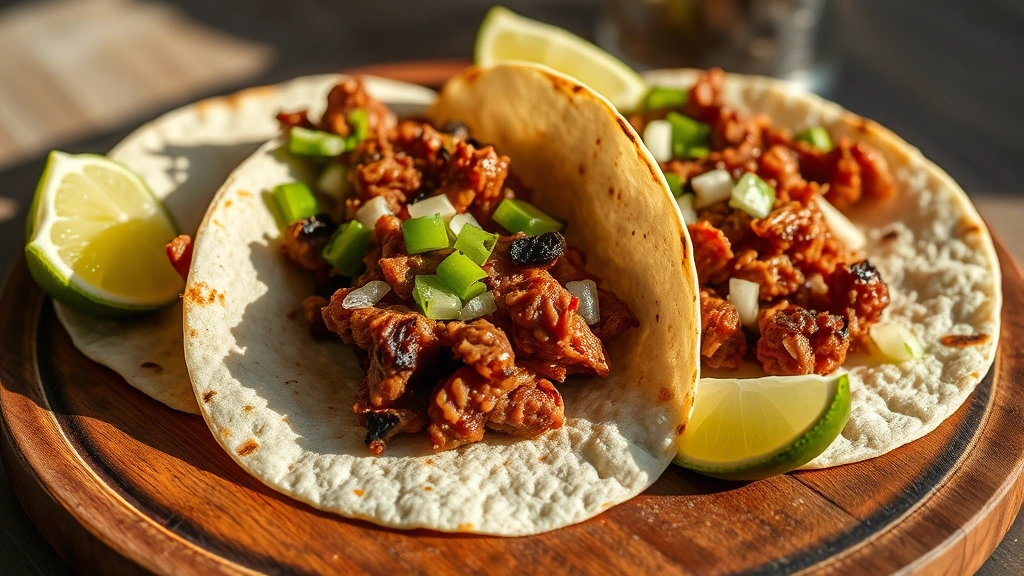
Beyond the obvious destinations, Tucson’s taquería culture thrives in unassuming strip malls and family-run establishments where lines form before opening and regulars order without consulting menus. These are the places where carnitas reach such tender perfection that they nearly dissolve on your tongue, where birria achieves that perfect balance between rich, spiced broth and tender shredded meat, and where fresh lime, cilantro, and white onion on a warm corn tortilla constitute a complete, satisfying meal. The quality of these humble tacos often surpasses expensive restaurant interpretations, proof that culinary excellence transcends price points and ambiance.
Contemporary American & Farm-to-Table Excellence
Tucson’s farm-to-table movement has matured considerably, with chefs developing genuine, ongoing relationships with local producers rather than simply featuring seasonal items as marketing gestures. The restaurants leading this charge understand that sourcing from regional farmers isn’t merely about sustainability—it’s about capturing peak flavor. A tomato harvested that morning tastes categorically different from one picked days prior, and chefs who’ve committed to this philosophy design their menus around ingredient availability rather than forcing production schedules around predetermined dishes.
These establishments often feature family restaurants with farm-fresh philosophies, where multi-generational groups gather to experience seasonal cuisine that shifts monthly or even weekly. The dining experience becomes a conversation between chef and farmer, with the kitchen’s creativity responding to what the land has produced. A spring menu might showcase tender asparagus, young greens, and delicate pea shoots in dishes designed to highlight their subtle sweetness and tender texture. Summer brings stone fruits—peaches, apricots, plums—that appear in both savory and sweet preparations, their natural sugars caramelized through careful cooking to concentrate flavor while preserving textural contrast.
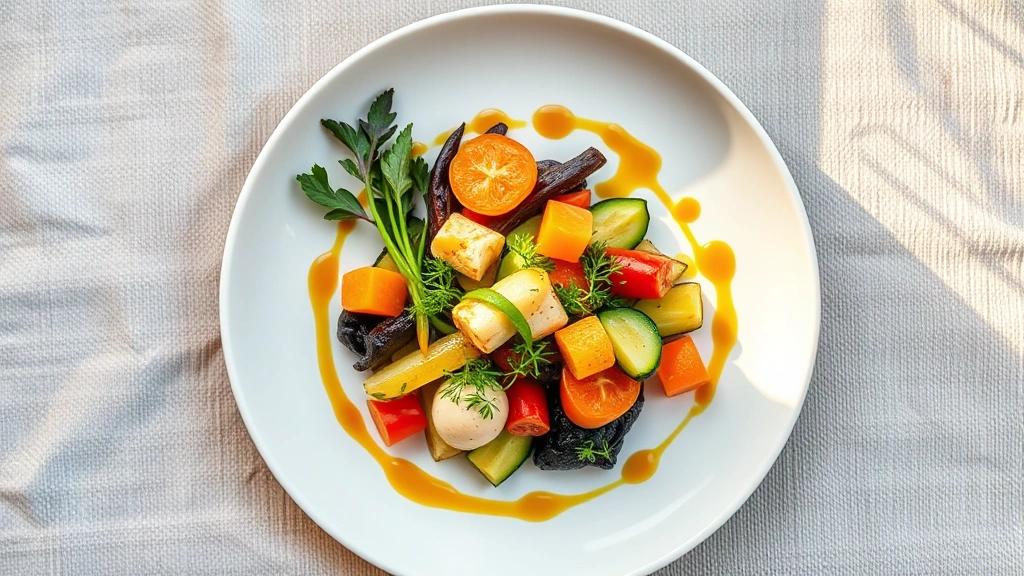
The plating aesthetic at Tucson’s best contemporary restaurants reflects a thoughtful philosophy about how we consume food. Rather than maximalist presentations that prioritize visual drama over culinary coherence, these chefs favor compositions that guide the diner’s palate through intentional flavor progressions. A protein might be accompanied by three distinct preparations of a single vegetable—raw for brightness, cooked for sweetness, and transformed into a purée for depth—creating a complete narrative about that ingredient’s possibilities. Sauces are applied with precision, garnishes are selected for both flavor contribution and visual balance, and negative space on the plate is respected rather than filled.
Beverage pairings have become increasingly sophisticated at these establishments, with sommeliers and beverage directors curating selections that extend beyond traditional wine. Natural wines with their funky, unpredictable character often pair beautifully with creative cuisine, while craft sodas, house-made shrubs, and fermented beverages offer alcohol-free alternatives that complement rather than compete with carefully constructed dishes. The philosophy here is that every element on your table—food and drink alike—deserves intentional consideration and expert curation.
Italian Dining with Desert Influences
Tucson’s Italian restaurants have embraced a uniquely regional approach, incorporating desert ingredients and Southwestern aesthetics while maintaining the technical rigor that defines Italian cuisine. This isn’t fusion in the haphazard sense—it’s a thoughtful evolution that acknowledges both traditions’ shared values around ingredient quality, technique precision, and flavor clarity. The best Italian restaurants near Tucson showcase how Mediterranean and desert cuisines can enhance rather than compromise each other.
Fresh pasta production has become a point of pride for serious Italian establishments here, with chefs often producing multiple styles daily—delicate angel hair that clings beautifully to light oil-based sauces, broader pappardelle that cradles richer preparations, and carefully constructed ravioli that encase seasonal fillings. The dough itself, made from high-quality flour and fresh eggs, develops a subtle golden color and tender bite that commercial pasta cannot match. When properly cooked—al dente, with a slight resistance between your teeth that releases into tender, starchy sweetness—this pasta becomes the vehicle for sauce rather than its supporting player.
Sauces in quality Italian establishments rarely require long cooking times, a philosophy that distinguishes authentic preparations from Americanized interpretations. A proper marinara might simmer for merely thirty minutes, allowing the tomato’s natural acidity and sweetness to shine rather than cooking away into muted submission. Cream sauces achieve their richness through butter and cheese rather than heavy cream, producing silky mouthfeel without the cloying heaviness that can overwhelm delicate pasta. These restaurants understand that the best sauce recipes for pasta honor the ingredient quality that makes the dish memorable.
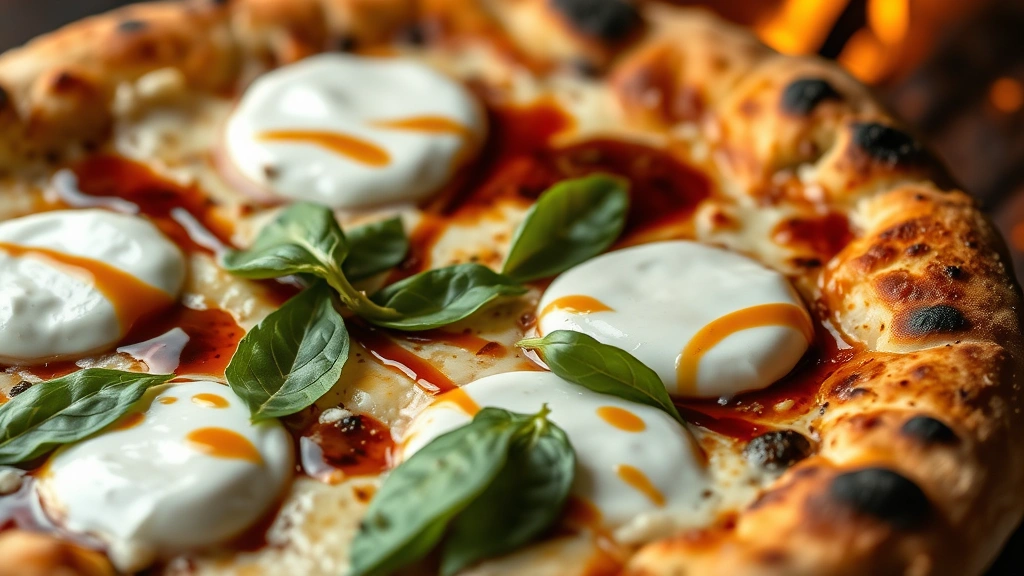
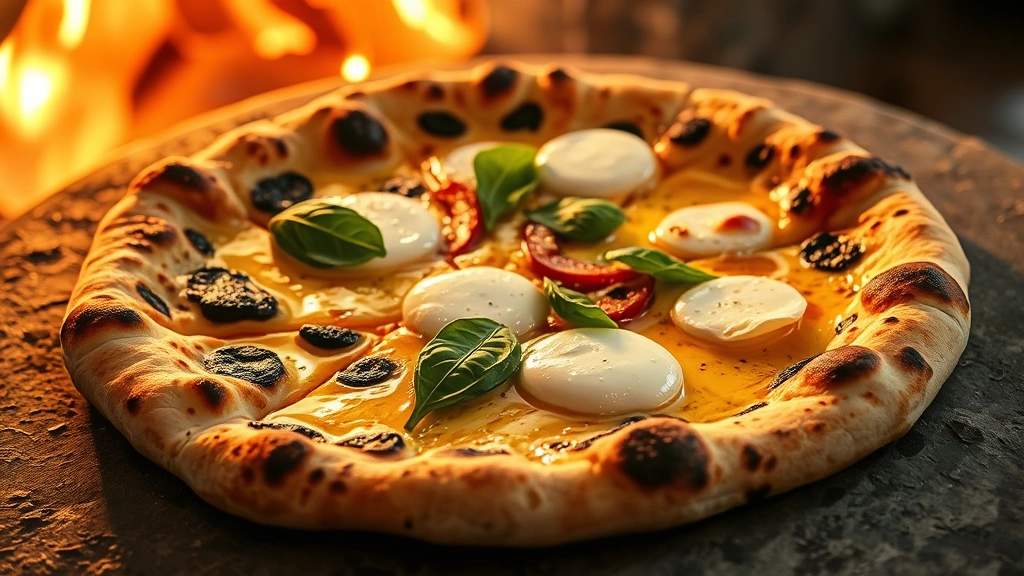
Pizza production in Tucson’s better Italian restaurants often employs wood-fired ovens that reach temperatures exceeding 800 degrees Fahrenheit, creating crust with characteristic leopard-spotted charring and a texture that’s simultaneously crispy and chewy. The dough, typically fermented for extended periods, develops complex flavor that transcends simple bread—notes of nuttiness, slight sourness, and subtle sweetness emerge from the yeast’s patient work. Quality toppings are applied with restraint, respecting the pizza as a balanced composition rather than a vehicle for ingredient accumulation. A Margherita pizza here becomes a meditation on simplicity: exceptional dough, San Marzano tomatoes, fresh mozzarella, basil, and quality olive oil combining in proportions that allow each element its moment of prominence.
Asian Fusion & International Flavors
Tucson’s Asian dining scene has matured considerably, moving beyond stereotypical takeout fare toward sophisticated, ingredient-driven cuisine that respects both traditional techniques and contemporary innovation. Japanese restaurants here source premium fish through specialty importers, with chefs trained in knife skills that allow them to cut sashimi at precise angles that maximize flavor delivery and textural appeal. Sushi rice is seasoned with discipline—the balance between rice vinegar’s acidity, sugar’s sweetness, and salt’s minerality requires constant adjustment based on ambient temperature and rice batch variations, a level of attention that separates exceptional sushi from merely adequate preparation.
Thai cuisine in Tucson benefits from chefs who understand that heat, sourness, sweetness, and saltiness should exist in dynamic tension rather than hierarchical order. A proper Thai curry achieves balance where no single flavor dominates—the chile’s heat creates a backdrop against which coconut cream’s richness, fish sauce’s umami intensity, and lime juice’s brightness all register distinctly. The textural interplay matters equally: tender vegetables that maintain slight resistance, proteins cooked to precise doneness, and paste-based curry sauce clinging to each component. These restaurants often feature house-made curry pastes, grinding fresh chiles, aromatics, and spices daily to ensure the vibrancy that separates authentic preparations from shelf-stable commercial versions.
Vietnamese pho houses in Tucson have perfected the art of broth development, simmering beef or chicken bones with charred aromatics for hours to extract deep, concentrated flavor. The resulting liquid achieves an almost gelatinous consistency when chilled, proof of the collagen extraction that creates mouthfeel and body. Fresh herbs—Thai basil, cilantro, mint—are served as accompaniments rather than garnishes, allowing diners to customize their bowl’s flavor profile. The noodles themselves, typically thin rice noodles, absorb broth readily while maintaining slight resistance, and the experience of consuming pho becomes a sensory journey through temperature contrasts, flavor layers, and textural variety.
Casual Gems & Neighborhood Favorites
Some of Tucson’s most memorable dining experiences occur in casual settings where quality and consistency matter more than ambiance or presentation. These neighborhood restaurants, often family-owned and operated by individuals with genuine passion for their craft, deliver food that satisfies at fundamental levels. A breakfast burrito here might feature perfectly scrambled eggs that maintain slight creaminess rather than cooking into rubbery submission, crispy hash browns, quality chorizo, and a flour tortilla that’s been steamed until pliable. The whole assembly is wrapped with care and often smothered in salsa verde or ranchero sauce, creating a handheld meal that’s simultaneously indulgent and nourishing.
Barbecue establishments in Tucson have developed regional styles that reflect both Texas and local influences, with pitmasters who tend their smokers with the devotion of craftspeople. Brisket here develops a pink smoke ring—that distinctive layer where smoke penetrates meat and reacts with myoglobin to create color—while the surface forms a bark of rendered fat and spice that provides textural contrast to tender interior. Ribs are cooked low and slow until meat releases from bone with minimal resistance, yet still maintains structural integrity. The sauces, when applied, enhance rather than mask smoke flavor, adding sweetness and depth through tomato, vinegar, and spices that complement rather than compete with the meat’s inherent qualities.
Breakfast and brunch culture in Tucson has evolved beyond simple egg preparations toward creative dishes that showcase ingredient quality and technique. A huevos rancheros here features eggs cooked to precise doneness—whites set while yolks remain luxuriously runny—atop crispy tortillas and served with house-made salsa that tastes of fresh chiles and cilantro rather than canned tomatoes. Pancakes achieve that elusive balance between fluffy interior and crispy exterior, with batters that incorporate interesting elements—cornmeal for textural interest, fresh fruit for brightness, spiced preparations that recall dessert without crossing into excessive sweetness. These casual establishments understand that breakfast deserves the same attention to ingredient quality and technique precision that fancier restaurants provide.
The Craft Beverage Scene & Wine Pairings
Tucson’s beverage culture extends far beyond standard wine and beer selections, with bartenders, sommeliers, and beverage directors embracing creativity while maintaining technical expertise. Cocktails at quality establishments are crafted from fresh ingredients—house-made syrups, fresh citrus juices, and quality spirits—with proportions that balance spirit’s strength against sweetness and acidity. A margarita here might feature tequila selected for its flavor profile, fresh lime juice squeezed moments before service, and agave nectar that provides subtle sweetness without the cloying quality of commercial mixes. The drink’s temperature, achieved through proper dilution and chilling technique, affects how flavors register on the palate—too warm and spirits’ harsh edges become prominent, too cold and delicate flavor notes disappear entirely.
Arizona wine production has grown considerably, with local vineyards producing notable wines from varietals suited to desert conditions. These wines often feature bright acidity and concentrated fruit character, reflecting the intense sunlight and diurnal temperature swings that stress vines in beneficial ways. Restaurants featuring Arizona wines demonstrate regional pride while offering diners the opportunity to explore local viticulture. The terroir of high-elevation vineyards produces wines distinctly different from California counterparts—more mineral-driven, often with subtle herbal notes that reflect the desert’s native vegetation.
Natural wine selections have become increasingly common at sophisticated Tucson restaurants, with sommeliers championing wines made with minimal intervention—no added sulfites, native yeast fermentation, and minimal filtration. These wines can be unpredictable, occasionally flawed, but often deliver complexity and character that technically perfect conventional wines cannot match. The tannins might be slightly grittier, the acidity more pronounced, but the result is a wine that demands engagement from the drinker rather than providing passive pleasure. These selections appeal to diners seeking adventure and authenticity, willing to embrace imperfection in exchange for genuine expression of vineyard and vintage.
Craft beer culture in Tucson has flourished, with local breweries producing notable ales, lagers, and experimental styles that showcase ingredients and technique. Breweries here often collaborate with restaurants, creating beer pairings for multi-course meals and special events. A crisp pilsner might accompany delicate seafood preparations, its clean character and slight bitterness providing palate cleansing between bites. Hoppy IPAs pair beautifully with spiced cuisine, the beer’s bitterness and citrus notes complementing rather than competing with complex flavor profiles. Sour beers, fermented with wild yeasts and bacteria, offer acidity and complexity that mirrors wine characteristics while maintaining distinctly beer-like qualities.
FAQ
What are the most popular Tucson restaurants for special occasions?
Tucson offers numerous restaurants suitable for celebrations, from upscale establishments with refined ambiance to casual gems with exceptional food. For formal occasions, contemporary American restaurants with farm-to-table philosophies provide sophisticated cuisine and attentive service. For more relaxed celebrations, quality Mexican restaurants offer vibrant atmospheres and memorable flavors. Consider your guest preferences—whether they prioritize ambiance, cuisine type, or overall dining experience—when selecting your venue.
Are there vegetarian-friendly Tucson restaurants?
Yes, many Tucson restaurants feature excellent vegetarian preparations. Contemporary American establishments often design entire sections of menus around seasonal vegetables, showcasing their versatility and flavor potential. Asian restaurants frequently offer vegetable-focused dishes—stir-fries, curries, and noodle preparations—that are satisfying and complete. Mexican restaurants feature bean-based dishes, cheese preparations, and vegetable-centric plates that honor traditional cuisine while accommodating dietary preferences.
How far in advance should I make reservations?
Reservation timing depends on the restaurant’s popularity and size. Casual establishments and taquerias typically operate on first-come, first-served basis. Popular contemporary restaurants often require reservations weeks in advance for weekend dining, while weekday availability may be more flexible. Special occasion dining at upscale establishments should be reserved as early as possible, particularly if you require specific seating or wish to communicate dietary restrictions or celebration details.
What neighborhoods have the best restaurant concentrations?
Downtown Tucson has experienced significant culinary development, with numerous restaurants within walking distance offering diverse cuisines and price points. The Foothills area features upscale establishments and casual favorites in a more spacious setting. University-adjacent neighborhoods offer affordable, casual dining frequented by students and faculty. South Tucson remains the heart of traditional Mexican cuisine, with family-run establishments that have operated for generations.
Do Tucson restaurants accommodate dietary restrictions?
Most quality restaurants accommodate dietary restrictions with advance notice, allowing chefs to design appropriate preparations. Contemporary establishments often prove most flexible, designing custom plates around specific restrictions. Traditional restaurants may have less flexibility but typically offer straightforward preparations—grilled proteins and cooked vegetables without problematic ingredients. Always communicate dietary needs when making reservations or upon arrival to ensure the kitchen can prepare appropriate meals.
What makes Tucson’s food scene unique?
Tucson’s culinary identity reflects its geographic position, cultural heritage, and agricultural abundance. Mexican cuisine forms the foundation, with centuries of tradition informing contemporary preparations. The desert environment influences ingredient selection and flavor profiles—chiles, cactus fruits, and native plants appear throughout the cuisine. Contemporary chefs’ commitment to local sourcing and collaboration with regional farmers creates a dynamic food scene that balances tradition with innovation.
How can I explore Tucson restaurants like a local foodie?
Embrace casual, family-run establishments alongside upscale venues. Visit food blogs and culinary resources for current recommendations. Ask servers and bartenders about their favorite dishes and restaurant recommendations—hospitality professionals often have valuable insider knowledge. Attend food festivals, chef collaborations, and special tasting events that showcase Tucson’s culinary community. Follow local chefs and restaurants on social media for menu updates and special offerings.
What’s the typical price range for Tucson dining?
Tucson offers tremendous dining value compared to larger metropolitan areas. Casual taquerias and breakfast establishments typically cost $8-$15 per person. Mid-range restaurants featuring quality ingredients and skilled preparation run $15-$35 per person. Upscale contemporary establishments with extensive wine lists and refined service typically cost $50-$100+ per person. Special tasting menus at the finest restaurants can exceed $150 per person, though exceptional value remains available throughout the dining landscape.