Aburi Sushi Delight: Chef’s Top Picks Explained
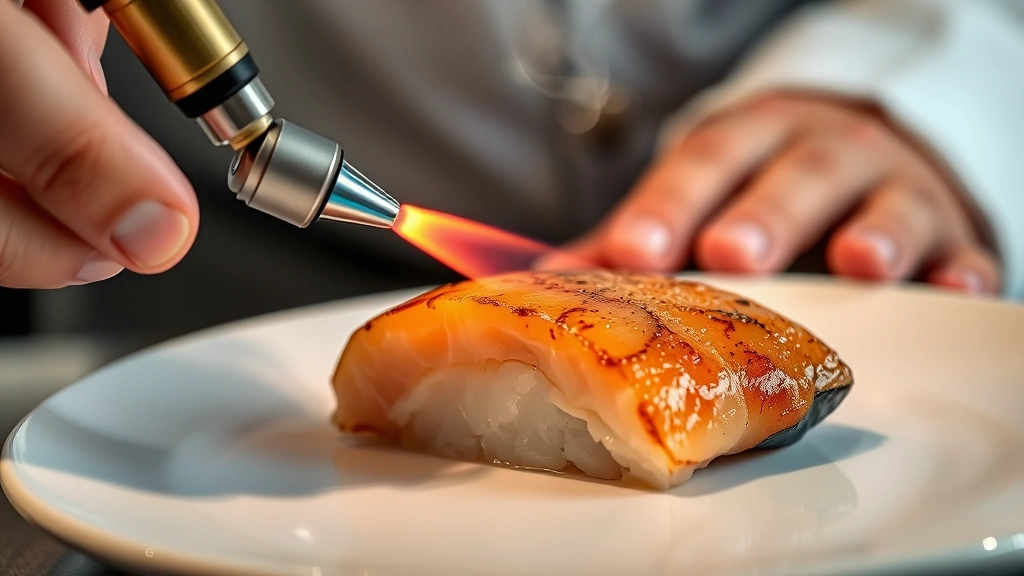
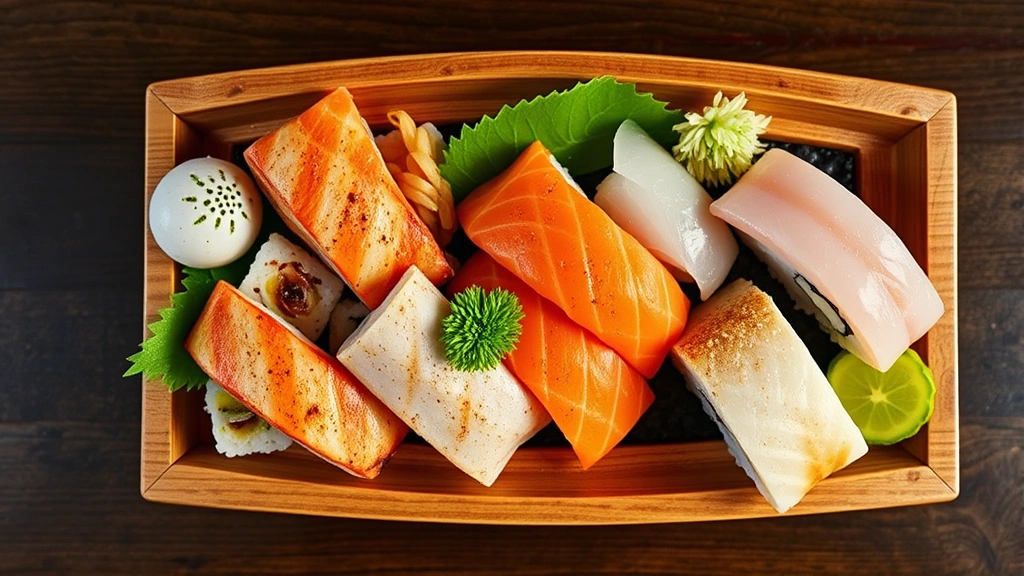
Aburi sushi represents one of the most captivating culinary innovations in modern Japanese cuisine, transforming the traditional art of sushi preparation through the strategic application of flame and heat. Unlike conventional nigiri or maki rolls that celebrate raw, pristine fish, aburi sushi introduces a sophisticated layer of complexity by lightly torching the surface of premium ingredients, creating a mesmerizing interplay between caramelized exteriors and buttery, tender interiors. The term “aburi” literally translates to “grilled” or “seared,” yet the technique demands far more precision than simple charring—it requires an intimate understanding of ingredient composition, heat control, and the precise moment when proteins transform from raw to perfectly kissed by flame.
When you step into a dedicated unique restaurant near you, the theatrical presentation of aburi sushi captures attention immediately. Master sushi chefs wield culinary torches with the confidence of artists, their movements deliberate and measured. The performance isn’t mere showmanship; each flame application serves a critical function in developing flavor complexity, enhancing textural contrasts, and elevating the dining experience from simple sustenance to memorable gastronomic adventure. This exploration delves into the chef’s most coveted selections, the science behind the technique, and why aburi sushi has become the gold standard for discerning palates seeking innovation within tradition.
Understanding Aburi Sushi Technique
The aburi sushi methodology emerged from Japanese culinary innovation, blending traditional sushi craftsmanship with Western-influenced grilling techniques that gained prominence in contemporary Japanese restaurants during the 1990s. This hybrid approach allows chefs to manipulate flavor and texture in ways that pure raw preparations cannot achieve. The technique fundamentally alters the biochemical structure of fish proteins, breaking down complex amino acid chains and creating new compounds through the Maillard reaction—the same process that generates savory depth in seared steaks or caramelized vegetables.
What distinguishes exceptional aburi preparation from mediocre execution lies in temperature control and timing. A chef must understand that different fish varieties possess distinct protein structures, fat compositions, and water contents that respond differently to heat. Fatty fish like toro (fatty tuna belly) or chu-toro (medium fatty tuna) require shorter flame exposure, as their lipid content renders them susceptible to overcooking and fat degradation. Leaner fish such as ahi tuna or white fish varieties can withstand slightly longer torch application, developing richer caramelization without drying out. The optimal searing takes mere seconds—typically two to four seconds per side—creating a thin crust while maintaining a cool, raw center that provides textural contrast.
The equipment used in aburi preparation matters significantly. Professional-grade culinary torches, typically fueled by butane or propane, deliver consistent, controllable flame that allows precise heat application. Home chefs attempting aburi techniques often struggle because kitchen torches produce inconsistent heat or insufficient flame intensity. Additionally, the underlying sushi rice must possess the correct temperature and vinegar balance to complement the seared protein. Many farm table restaurants near me that experiment with Japanese fusion cooking overlook this foundational element, resulting in aburi pieces that feel incomplete despite technically correct preparation.
Temperature dynamics create the magic of aburi sushi. The exterior reaches approximately 140-160°F (60-70°C), sufficient to denature outer protein layers and develop color through oxidation reactions, while the interior remains at body temperature or cooler, preserving raw fish characteristics. This thermal gradient produces what Japanese chefs call “hazukashii”—a slight embarrassment or contradiction—where the piece simultaneously feels cooked and raw, creating cognitive and sensory intrigue that elevates the eating experience beyond simple raw fish appreciation.
The Essential Ingredients
Premium fish selection forms the foundation of exceptional aburi sushi. Chefs prioritize sushi-grade fish, a designation requiring specific handling protocols, freezing temperatures, and sourcing standards established by the Japanese Sushi Association. The fish must originate from reputable suppliers maintaining rigorous freshness standards and parasitic screening. Bluefin tuna, particularly from Japanese waters, commands premium prices due to its superior fat marbling, buttery texture, and complex umami notes that intensify when exposed to heat.
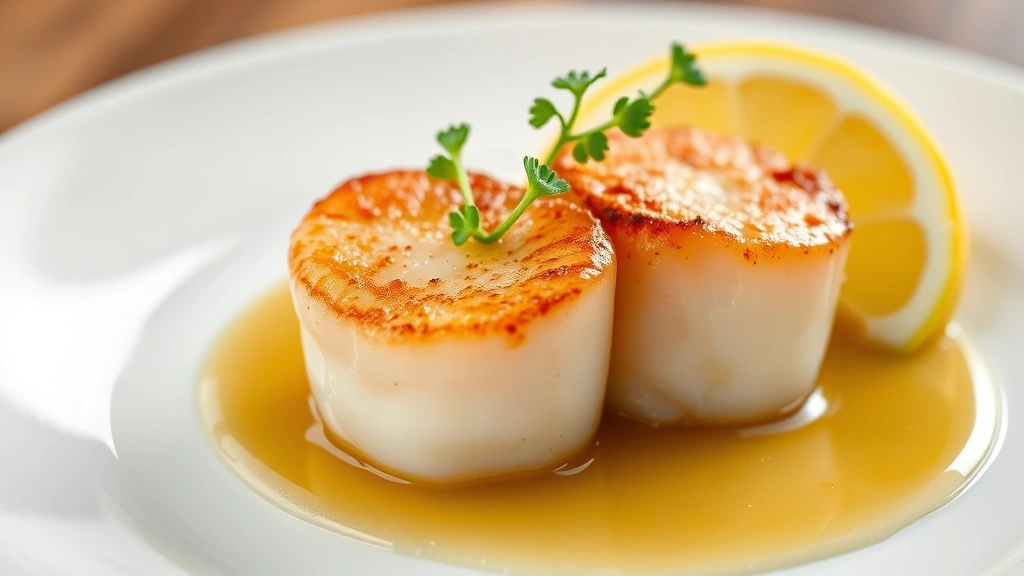
Scallops (hotate) represent another chef favorite for aburi preparation. Their delicate, slightly sweet flesh develops caramelized notes when torched, creating a contrast between charred surface and creamy interior that appeals to refined palates. The natural sweetness of scallop proteins becomes more pronounced through the Maillard reaction, making them ideal for soy-based dipping sauces or simple salt finishing. Uni (sea urchin roe) presents interesting challenges for aburi technique—the delicate nature of uni means excessive heat destroys its distinctive briny, oceanic character, requiring the lightest possible torch application, sometimes merely warming the surface rather than actively searing.
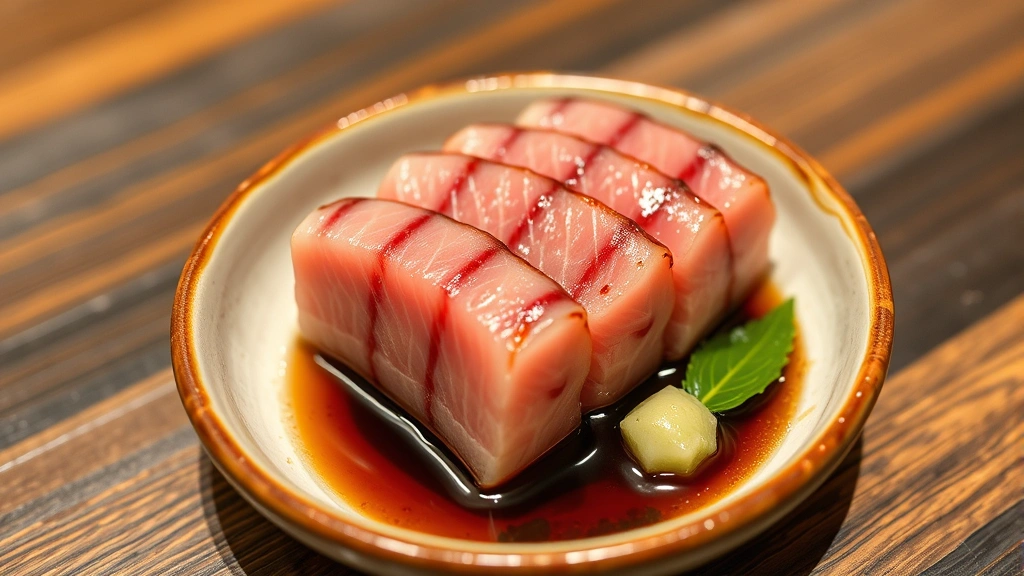
Fatty fish selections like chu-toro and otoro (premium fatty tuna) showcase aburi technique’s ability to enhance already luxurious textures. The fat content in these cuts means they’re often served raw in traditional sushi, but the controlled heat application in aburi preparations releases aromatic compounds trapped within the fat, creating a more complex sensory experience. Some chefs apply just enough heat to render the surface fat slightly, creating a glossy appearance and improved mouthfeel without compromising the tender, almost butter-like interior.
Supporting ingredients elevate aburi sushi presentations beyond the protein itself. High-quality soy sauce—ideally aged for extended periods with balanced salt levels—provides savory depth without overwhelming delicate fish flavors. Wasabi, whether traditional fresh root or premium paste, adds pungent heat that cleansing the palate between pieces. Nori (seaweed sheets) used for wrapping must be freshly toasted, as stale nori becomes rubbery and loses its subtle oceanic notes. Some chefs incorporate specialty elements like uni mayo (a creamy emulsion of sea urchin and Japanese mayonnaise), sriracha-infused mayo, or spicy ponzu sauces that complement the smoky notes aburi preparation introduces.
Chef’s Top Picks and Signature Selections
The most celebrated chefs have developed signature aburi selections that define their restaurants’ identities and attract devoted following. Aburi Toro stands as perhaps the most iconic preparation—premium fatty tuna belly seared until its surface glistens with rendered fat, creating an almost melting texture that dissolves on the tongue. The contrast between the slightly warm exterior and cool interior creates a palate-expanding experience, with umami notes reaching their peak intensity. Traditionalist chefs serve aburi toro with minimal accompaniment—perhaps a single grain of fleur de sel and a whisper of fresh wasabi—allowing the fish quality and technique to dominate.
**Aburi Scallop with Uni** combines two premium ingredients in complementary fashion. The scallop provides sweet, delicate protein that caramelizes beautifully under flame, while the uni adds briny, oceanic richness and creamy texture. The searing process doesn’t just affect the scallop—it gently warms the uni topping, slightly intensifying its flavor while maintaining its distinctive briney character. This combination exemplifies how aburi technique can showcase ingredient synergy rather than overshadowing individual components.
Aburi Yellowtail with Jalapeño represents the modern fusion approach gaining popularity among innovative chefs. The lean, buttery yellowtail (hamachi) develops subtle caramelization when torched, while fresh jalapeño slices introduce bright, slightly spicy heat that contrasts with the warm fish. A drizzle of spicy mayo creates additional complexity, making this selection appealing to adventurous diners seeking Japanese-inspired preparations with global influences. This approach aligns with dining trends where healthy food restaurants near me balance traditional techniques with contemporary flavor preferences.
**Aburi White Fish with Miso Glaze** showcases how supporting elements enhance the primary ingredient. Delicate white fish—perhaps halibut or sea bream—receives gentle searing followed by a light brush of miso-based glaze that adds umami depth and subtle saltiness. The combination of seared fish, miso’s fermented complexity, and the rice’s vinegared sweetness creates a harmonious flavor progression that builds with each bite. Some chefs finish this selection with microgreens or edible flowers, adding visual appeal and subtle textural contrast.
The **Aburi Salmon Belly with Sauce Nikkei** represents another innovative selection, combining Japanese sushi tradition with Peruvian-Japanese fusion influences. The salmon belly’s natural fat content means it requires minimal torch time, but the application still develops subtle color and aromatic depth. A creamy, slightly spicy Nikkei sauce—incorporating lime, cilantro, and ají peppers—adds brightness and complexity that elevates the fatty salmon into sophisticated territory. This selection demonstrates how aburi technique can serve as a bridge between culinary traditions.
Flavor Profiles and Sensory Experience
The sensory experience of consuming aburi sushi engages multiple palate dimensions simultaneously, creating complexity that single-note raw fish preparations cannot achieve. When you place an aburi piece on your tongue, the first sensation involves temperature contrast—the warmed exterior against the cool interior creates immediate sensory interest that primes the palate for flavor exploration. The charred surface provides textural resistance, requiring slight chewing that breaks down the seared protein layer and releases aromatic compounds.
As you begin chewing, umami flavors intensify dramatically. The Maillard reaction that creates the caramelized exterior generates savory compounds that amplify the fish’s natural glutamates, creating a depth of flavor that seems to expand across your palate. This umami intensity pairs beautifully with soy sauce’s salty, fermented complexity, creating a flavor synergy where the two elements enhance each other rather than competing. The rice’s subtle vinegar sweetness provides a balancing note, preventing the preparation from becoming too savory or heavy.
Different fish varieties create distinct flavor progressions. Fatty tuna (toro) delivers buttery, almost luxurious sensations that coat the palate, with caramelized notes lingering long after swallowing. Scallop preparations create brighter flavor experiences, with sweet notes developing through heat application and creating a more delicate overall impression. Lean fish like yellowtail or snapper provide cleaner flavor profiles where searing creates savory depth without overwhelming the fish’s subtle, natural sweetness. Understanding these distinctions helps diners appreciate why chefs select specific ingredients for particular preparations.
The textural component of aburi sushi deserves particular attention. The seared exterior provides slight resistance and crispness that contrasts with the tender, buttery interior. This textural interplay creates what food scientists call “oral sensory contrast,” where multiple sensations occurring simultaneously enhance overall pleasure and satisfaction. The rice beneath provides additional textural layer—properly prepared sushi rice should have slight firmness with gentle give, supporting the protein without overwhelming it. When all elements align correctly, the eating experience becomes almost meditative, with each component playing a distinct sensory role.
Aroma significantly influences flavor perception, and aburi sushi’s seared surface releases volatile aromatic compounds that enhance the dining experience. The slightly smoky, caramelized scent primes the olfactory system for the fish’s natural oceanic notes. When you eat aburi sushi, you’re simultaneously experiencing charred aromas, fresh fish scents, rice’s subtle fermented notes, and wasabi’s pungent heat—a complex olfactory landscape that elevates the experience beyond simple taste perception.
Pairing Recommendations
Beverage pairing significantly enhances aburi sushi appreciation, with different drinks complementing various preparations in distinct ways. Sake remains the classic pairing, particularly ginjo or daiginjo varieties with floral, delicate profiles that don’t overpower seared fish flavors. The alcohol content in sake helps cut through the richness of fatty fish preparations like toro, while sake’s subtle sweetness balances the savory intensity of umami-forward selections. Premium sake served at proper temperature (around 50-55°F) cleanses the palate between pieces while adding its own complexity to the overall dining experience.
**Japanese beer**, particularly crisp lagers or light ales, provides another excellent pairing option. The carbonation and slight bitterness cut through rich, fatty preparations while the beer’s subtle grain notes complement the rice and nori elements. Many contemporary aburi restaurants feature craft beer selections from Japanese breweries, recognizing that younger diners often prefer beer to traditional sake.
**Wine pairings** have gained acceptance in modern Japanese restaurants, particularly for fusion-oriented aburi selections. Light, mineral-driven white wines like Chablis or Sauvignon Blanc complement delicate fish preparations without overwhelming them. Some chefs recommend sake-wine hybrid pairings, where diners alternate between sips, experiencing how different beverages interact with the same preparation.
For non-alcoholic options, **Japanese green tea**—particularly sencha or gyokuro—provides cleansing properties that refresh the palate without introducing conflicting flavors. The tea’s subtle vegetal notes and slight astringency balance fatty fish preparations beautifully, and the warm temperature provides sensory contrast to cool sushi elements.
**Sake-based cocktails** have emerged as innovative pairing options in contemporary aburi restaurants. A simple sake martini with yuzu or a sake-based mojito with shiso leaf can complement specific preparations while appealing to cocktail enthusiasts. These pairings work particularly well with fusion-oriented selections that incorporate global flavor influences.
Sourcing Quality Aburi Sushi
Finding exceptional aburi sushi requires understanding what distinguishes mediocre from outstanding preparations. Chef expertise matters significantly—look for restaurants where sushi chefs possess extensive training and experience. Many renowned aburi specialists trained in Japan for years, learning the subtle techniques that separate adequate from exceptional preparation. When researching unique restaurants near you, prioritize establishments where chefs are visible during service, often working at open counters where you can observe their technique and ingredient handling.
**Fish sourcing** reveals commitment to quality. Ask your server or chef where their fish originates—reputable establishments proudly discuss their suppliers, often maintaining relationships with specific Japanese fisheries or premium domestic suppliers. The best aburi restaurants receive daily fish deliveries, ensuring optimal freshness. Some establishments display fish quality certifications or HACCP compliance documentation, indicating adherence to rigorous food safety standards.
**Equipment quality** subtly influences outcomes. Professional-grade culinary torches, properly maintained and calibrated, produce consistent results that home kitchen torches cannot match. Observe whether your sushi counter features high-quality equipment—the details matter when precision is paramount. Additionally, proper temperature control throughout the kitchen—including dedicated refrigeration for sushi rice preparation and fish storage—indicates commitment to excellence.
**Menu composition** offers clues about restaurant quality. Extensive, overly complex menus often indicate restaurants spreading resources too thin, potentially compromising execution quality. The best aburi specialists maintain focused menus featuring 8-12 signature selections prepared with meticulous attention. They update offerings seasonally, sourcing ingredients at peak quality rather than maintaining static selections year-round. This approach aligns with how farm table restaurants near me emphasize seasonal, locally-sourced ingredients.
**Pricing structure** reflects quality commitments. Exceptional aburi sushi commands premium prices—typically $8-15 per piece for signature selections—reflecting premium fish costs, skilled labor, and specialized equipment. Suspiciously low prices often indicate inferior fish quality or rushed preparation. Conversely, exorbitant pricing doesn’t automatically guarantee quality; seek restaurants with reasonable pricing that reflects genuine ingredient and preparation investments rather than inflated markups.
**Customer reviews and reputation** provide valuable guidance. Seek detailed reviews discussing specific preparations, chef interaction, and overall dining experience rather than generic praise. Food critics and culinary publications often feature comprehensive coverage of notable aburi specialists. Research establishments mentioned in reputable food publications and by recognized food critics, as these sources typically maintain high standards for restaurant evaluation.
**Trial experiences** help assess quality before committing to full omakase experiences. Begin with individual selections, observing preparation quality, ingredient freshness, and flavor balance. Notice whether the seared surface develops proper caramelization without appearing burnt or overly charred. Taste the fish carefully—it should possess clean, fresh flavors without any off-notes suggesting improper storage or handling. The rice should complement rather than overwhelm the fish, with balanced vinegar sweetness and proper firmness.
FAQ
What exactly is the difference between aburi and regular sushi?
Regular sushi typically features raw fish served at room temperature or slightly chilled, celebrating the pristine quality of the ingredient. Aburi sushi involves lightly torching the surface of the fish, creating a seared exterior with caramelized flavors while maintaining a raw, cool interior. This technique introduces textural contrast, develops new flavor compounds through the Maillard reaction, and creates a more complex sensory experience than traditional raw preparations.
Is aburi sushi still considered raw sushi?
Technically, aburi sushi is semi-cooked—the exterior is seared while the interior remains raw. This distinction matters for food safety considerations, as the searing process doesn’t fully cook the fish and doesn’t eliminate potential pathogens. However, sushi-grade fish undergoes freezing protocols that address food safety concerns, making properly prepared aburi sushi safe to consume even with the raw interior component.
Can I make aburi sushi at home?
While possible, creating restaurant-quality aburi sushi at home presents challenges. You’ll need sushi-grade fish from reputable suppliers, proper rice preparation skills, and a reliable culinary torch. The technique requires practice to master temperature control and timing. Many home chefs successfully create adequate aburi preparations but struggle matching professional results due to equipment limitations and experience gaps. If interested, start with simpler preparations like aburi scallop before attempting delicate fish varieties.
What’s the best way to eat aburi sushi?
Consume aburi sushi in a single bite when possible, allowing all elements—seared fish, rice, nori, and accompaniments—to combine in your mouth simultaneously. Pick up the piece with chopsticks or your fingers, dip the fish (not the rice) lightly in soy sauce, apply a tiny amount of wasabi if desired, and place it on your tongue. Chew gently to appreciate the textural contrasts and flavor development rather than swallowing immediately.
Why is aburi sushi more expensive than regular sushi?
Aburi sushi typically costs more due to several factors: premium fish selection, specialized equipment and technique, skilled chef labor, and the theatrical presentation aspect. The searing process requires precision that takes years to master, and restaurants invest in high-quality torches and training. Additionally, the visual appeal and complexity of aburi preparations justify premium pricing compared to simpler raw sushi selections.
Which fish varieties work best for aburi preparation?
Fatty fish like toro, chu-toro, and salmon belly work beautifully with aburi technique, as the heat renders surface fat and creates luxurious textures. Scallops develop excellent caramelization and sweetness when torched. Leaner fish like yellowtail, snapper, and halibut also work well, developing savory depth without drying out. Delicate fish like uni require minimal torch application to preserve their distinctive briny character.
How do I know if a restaurant makes quality aburi sushi?
Observe the chef’s technique, looking for controlled, deliberate flame application rather than aggressive charring. Examine the finished pieces—they should display even caramelization without burnt spots. Taste the preparation, noting whether the seared surface develops savory complexity while the interior maintains fresh, clean fish flavor. Ask your server about fish sourcing and chef training. Read reviews emphasizing specific preparations and overall experience quality. Consider visiting during slower service periods when chefs can dedicate more attention to individual pieces.