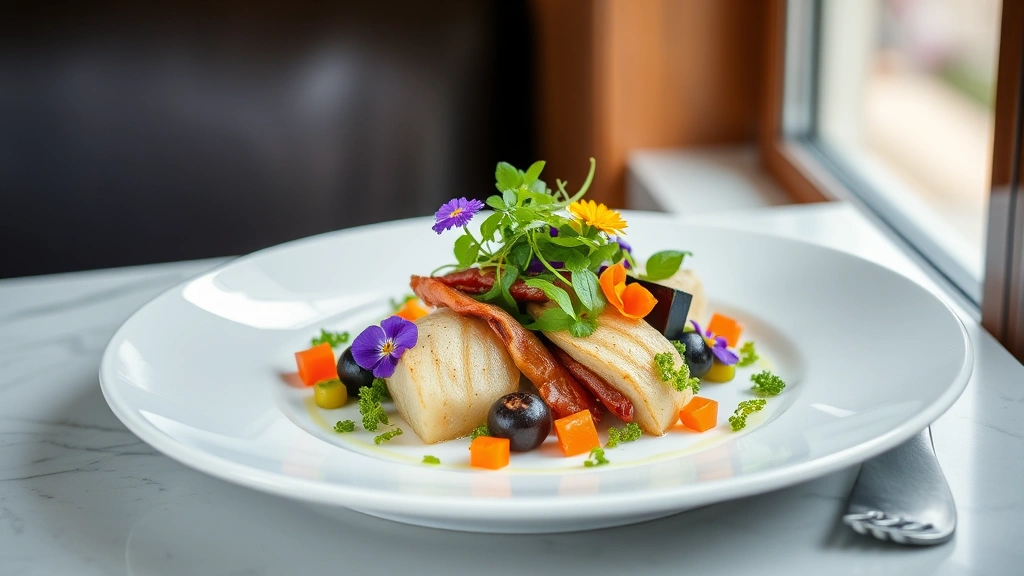
Eden Prairie Eats: Local Food Critic Reviews
Eden Prairie, Minnesota has quietly emerged as a culinary destination that rivals many larger metropolitan areas. Nestled in the southwestern suburbs of Minneapolis, this vibrant community boasts an impressive array of dining establishments that cater to every palate, from adventurous foodies seeking innovative cuisine to families searching for welcoming neighborhood spots. Over the past several months, I’ve embarked on a gastronomic journey through Eden Prairie’s restaurant scene, sampling everything from farm-to-table preparations to international flavor profiles that transport diners across continents without leaving their seats.
What strikes me most about Eden Prairie’s food culture is the genuine commitment these establishments demonstrate toward quality ingredients, thoughtful preparation, and authentic hospitality. Whether you’re craving a casual weeknight dinner or planning a special occasion celebration, the restaurants here understand that exceptional dining begins long before the plate reaches your table—it starts with sourcing decisions, technique mastery, and an unwavering dedication to the dining experience itself.
The Contemporary Dining Landscape of Eden Prairie
The restaurant scene in Eden Prairie reflects a sophisticated understanding of modern diners’ expectations. These aren’t establishments content with merely serving food; they’re committed to crafting experiences that engage multiple senses simultaneously. The dining rooms feature thoughtful design elements that complement rather than overwhelm, allowing the cuisine to remain the focal point of your evening.
Walking into several standout establishments, I immediately notice the attention to detail in every aspect of service. Staff members possess genuine knowledge about menu items, ingredient sourcing, and preparation methods. They can articulate why a chef chose a particular cooking technique or explain the terroir of a wine selection without sounding pretentious. This level of professional hospitality elevates even casual meals into memorable occasions.
The menus themselves tell stories of culinary philosophy. Rather than sprawling offerings designed to please everyone, many Eden Prairie restaurants have adopted focused menus that showcase chef expertise and ingredient quality. This approach demands precision in execution—there’s nowhere to hide when you’re serving six entrées instead of sixteen. The chefs here understand this constraint and use it as motivation to achieve excellence.
Farm-to-Table Excellence and Seasonal Menus
Minnesota’s agricultural heritage runs deep, and Eden Prairie’s finest restaurants honor this tradition through partnerships with local farmers and producers. These relationships extend beyond simple ingredient sourcing; they represent philosophical commitments to sustainability, seasonality, and community support. When you dine at establishments embracing farm-to-table principles, you’re participating in a movement that values transparency and traceability.
The seasonal menus I’ve encountered throughout Eden Prairie demonstrate remarkable creativity within natural constraints. Spring preparations showcase delicate vegetables at their peak—tender asparagus, young peas, and fresh herbs with aromatic intensity that jarred alternatives simply cannot match. Summer brings abundance: heirloom tomatoes bursting with umami complexity, stone fruits at their sweetest, and leafy greens that require minimal embellishment to shine.
Autumn transitions bring earthier flavors—mushrooms with complex, mineral-forward profiles, root vegetables that develop sweetness through careful storage and preparation, and game meats that benefit from extended cooking times and bold flavor pairings. Winter menus pivot toward preservation techniques and stored ingredients, yet somehow feel equally exciting as the bounty of warmer months.
I’ve observed chefs working directly with farmers to plan growing schedules, requesting specific varieties or harvest timings to match menu concepts. This collaboration produces ingredients at optimal flavor development stages—neither underripe nor overextended. The difference is profound and immediately apparent on the palate. A tomato harvested at perfect ripeness tastes fundamentally different from one picked prematurely for shipping purposes.
These restaurants understand that seasonal cooking isn’t a limitation but rather an opportunity for constant innovation. Menus change regularly, sometimes weekly, ensuring that regular patrons experience novelty while ingredients remain at their finest. This approach also prevents the boredom that can accompany static menus, encouraging repeat visits to discover new preparations and flavor combinations.
Many establishments feature tasting menus that represent the chef’s current inspiration, allowing diners to experience multiple preparations across various flavor profiles and techniques. These multi-course experiences often include wine pairings selected by knowledgeable sommeliers who understand how beverages enhance or contrast with specific flavor compounds in the food.

Vegetarian and Vegan Culinary Innovation
Eden Prairie’s commitment to inclusive dining extends to plant-based cuisine, with several establishments offering sophisticated vegetarian restaurants and comprehensive vegan restaurant options that transcend simple vegetable sides. These aren’t afterthoughts on meat-focused menus but rather thoughtfully constructed culinary statements that celebrate plant-based ingredients with the same technical mastery and ingredient quality applied to any other cuisine.
What impresses me most about vegetarian dining here is the rejection of meat-mimicry approaches. Rather than attempting to recreate familiar animal proteins, these chefs embrace vegetables, legumes, grains, and fungi as ingredients worthy of centerplate attention. A roasted cauliflower isn’t presented as a vegetable side but as a sophisticated preparation deserving main-course consideration.
The flavor complexity achievable through plant-based cooking becomes evident when you experience properly executed vegetable preparations. Caramelization techniques develop deep, savory notes through the Maillard reaction. Umami compounds concentrate through reduction and layering of complementary ingredients. Textural contrasts emerge from combining raw, cooked, roasted, and fermented elements on a single plate.
I’ve encountered vegetable-forward preparations that showcase individual ingredient characteristics while building complex flavor profiles through careful seasoning and technique. Legumes receive the same attention as premium proteins—cooked to precise tenderness, seasoned to enhance rather than mask their inherent flavors, and paired with complementary ingredients that create harmonious plates.
Grains appear frequently on these menus, treated with respect and technique. How to cook quinoa becomes apparent when you taste perfectly executed preparations—fluffy, nutty, and capable of absorbing surrounding flavors without becoming mushy. Farro, barley, and ancient grains receive similar attention, often featuring in salads or as components of more complex preparations.
Fermented ingredients add depth and complexity to vegetarian cuisine. Miso, tempeh, sauerkraut, and other fermented foods contribute umami and probiotic benefits while adding interesting textural and flavor elements. These ingredients appear not as trendy additions but as integral components of thoughtfully constructed dishes.
Family-Friendly Establishments Worth Your Visit
Not every special meal involves childless celebrations or adult-only indulgences. Eden Prairie’s finest family restaurants near me prove that children and culinary excellence aren’t mutually exclusive. Several establishments have mastered the delicate balance of maintaining sophisticated cuisine while remaining genuinely welcoming to families with younger diners.
The most successful family restaurants here understand that accommodating children doesn’t mean compromising quality. Kids’ menus feature thoughtfully prepared options using quality ingredients, not merely simplified versions of adult fare. A child’s pasta might feature best sauce recipes for pasta that parents would happily eat, prepared with the same care as any other menu item.
Service at these establishments acknowledges that families require flexibility. Tables accommodate high chairs and booster seats without making parents feel burdensome. Staff members possess patience and genuine warmth toward younger diners, understanding that introducing children to quality dining experiences shapes their future culinary appreciation. Timing expectations remain realistic—meals proceed at family-appropriate paces rather than rushing through courses.
The dining environments prove equally welcoming. While maintaining upscale atmospheres, these restaurants avoid the stuffiness that makes families feel unwelcome. Acoustics remain reasonable, allowing conversations without requiring shouting. Noise levels from other diners don’t make families feel they must keep children unnaturally quiet.
I’ve observed servers bringing complimentary bread or small appetizers to settle young diners while parents review menus. This simple gesture acknowledges that hungry children struggle with patience while demonstrating that the restaurant respects the family’s dining experience. These small touches reveal an establishment’s genuine commitment to inclusive hospitality.
Outdoor Dining Experiences and Atmosphere
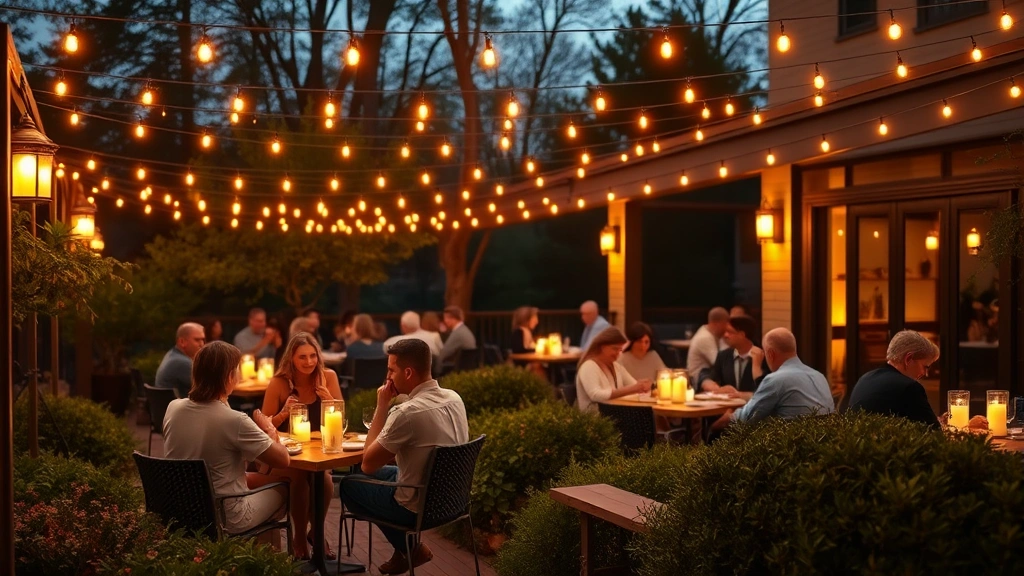
Minnesota’s warm seasons present opportunities for outdoor dining, and several Eden Prairie establishments have invested thoughtfully in restaurants with outdoor seating near me that enhance rather than diminish the culinary experience. Patios and gardens become extensions of the dining room, offering natural ambiance that complements carefully prepared cuisine.
The most successful outdoor spaces demonstrate that fresh air doesn’t excuse mediocre dining. In fact, outdoor settings often heighten sensory awareness—natural light reveals dish colors and plating details more vividly than interior lighting, while gentle breezes carry aromas that enhance olfactory engagement with food.
Temperature considerations matter significantly in outdoor dining. Thoughtful establishments provide blankets during cooler evenings, heaters when temperatures drop, or shade structures during intense afternoon heat. These accommodations allow guests to remain comfortable throughout their meals, preventing discomfort from detracting from flavor appreciation.
Landscaping choices affect the outdoor dining experience profoundly. Native plantings attract pollinators and create living soundscapes. Strategic plantings provide privacy between tables, creating intimate spaces within larger patios. Lighting design balances ambiance with the ability to see food clearly—too-dim settings make it impossible to appreciate presentation and color, while overly bright lighting feels institutional.
I’ve noticed that the finest outdoor dining spaces incorporate water features, which add cooling effects during warm weather while creating soothing ambient sound that masks traffic and urban noise. These environmental details seem minor until you’re dining in their absence, suddenly aware of how much they contributed to your overall experience.
International Cuisine and Global Flavors
Eden Prairie’s diverse population has fostered a remarkable range of international cuisines, each contributing unique flavor profiles and preparation techniques to the local food landscape. Rather than diluted, Americanized versions of global dishes, several establishments maintain authentic approaches while remaining accessible to diners unfamiliar with specific cuisines.
Asian cuisine appears in various forms—Thai establishments featuring properly balanced heat, sourness, and umami; Japanese restaurants maintaining strict standards for ingredient quality and preparation precision; Korean establishments celebrating fermented flavors and complex side-dish traditions. Each cuisine brings distinct flavor philosophies and cooking techniques that expand diners’ sensory experiences.
Mediterranean cuisines celebrate olive oil, fresh herbs, and ingredient simplicity. Italian restaurants here understand that traditional preparations rely on ingredient quality rather than elaborate techniques—a properly executed pasta dish showcases the pasta’s texture, sauce’s flavor, and finishing components’ contributions without unnecessary embellishment.
Latin American establishments bring bold spice profiles and complex sauce traditions. Mole preparations demonstrate how dozens of ingredients can combine into harmonious, multidimensional flavors. Ceviches showcase how acid transforms raw proteins while maintaining delicate textures. These cuisines prove that complexity and refinement emerge from ingredient knowledge and technique mastery.
Middle Eastern cuisine celebrates spice blends, fermented products, and preparation methods refined across centuries. Hummus becomes an exercise in technique when prepared by skilled hands—creamy, luxurious, with subtle garlic and lemon notes. Kebabs demonstrate how marinades, grilling technique, and resting periods produce tender, flavorful results.
What impresses me about international dining in Eden Prairie is how authenticity doesn’t prevent innovation. Chefs trained in traditional techniques often incorporate local ingredients or modern presentations while maintaining the essential character of their cuisines. This balance allows both tradition-focused diners and adventurous eaters to find satisfaction.
FAQ
What makes Eden Prairie restaurants distinctive compared to other Minnesota dining destinations?
Eden Prairie’s restaurant scene combines suburban accessibility with metropolitan-level culinary sophistication. Establishments here benefit from proximity to quality ingredient sources while maintaining the personalized service and community connections often lost in larger cities. Many chefs choose to base operations here specifically for these advantages.
How do seasonal menus impact dining experiences and flavor quality?
Seasonal menus ensure ingredients reach peak flavor development stages. Produce harvested at optimal ripeness tastes fundamentally different from items picked prematurely for shipping. Seasonal approaches also encourage chef creativity and prevent menu staleness, making regular visits rewarding experiences rather than repetitive meals.
Are there quality dining options for vegetarians and vegans in Eden Prairie?
Yes, several establishments offer sophisticated plant-based cuisine that celebrates vegetables, legumes, and grains as centerplate ingredients rather than mere sides. These restaurants approach vegetarian cooking with the same technical mastery and ingredient quality applied to any cuisine, rejecting meat-mimicry approaches in favor of showcasing plant-based ingredients’ inherent qualities.
How can families find restaurants that maintain quality while remaining genuinely welcoming?
Look for establishments where children’s menus receive the same ingredient and preparation attention as adult offerings. Genuinely family-friendly restaurants feature flexible service, reasonable noise levels, and thoughtful touches like bread service for settling young diners. Staff warmth toward children indicates whether an establishment truly welcomes families or merely tolerates them.
What should diners know about outdoor dining quality and seasonal considerations?
Quality outdoor dining extends beyond simply placing tables on patios. Thoughtful establishments provide temperature accommodations, strategic landscaping for privacy and ambiance, and lighting that allows guests to appreciate food presentation. These details transform outdoor dining from casual necessity into intentional experience enhancement.
How do local sourcing practices affect restaurant quality and sustainability?
Direct relationships with local farmers enable chefs to request specific varieties and harvest timings, resulting in ingredients at optimal flavor stages. These partnerships support local agriculture, reduce transportation impacts, and allow chefs to plan menus collaboratively with producers, creating alignment between supply and culinary vision.