Key Largo Delights: Your Complete Local Tasting Guide & Restaurant Tips
Key Largo, nestled in the heart of the Florida Keys, stands as a culinary paradise where Caribbean influences blend seamlessly with fresh-caught seafood and innovative coastal cuisine. This island destination has evolved into a sophisticated dining destination that rewards adventurous palates with exceptional flavors, vibrant atmospheres, and unforgettable gastronomic experiences. Whether you’re seeking casual waterfront dining or fine dining excellence, Key Largo restaurants deliver sensory journeys that capture the essence of tropical island living.
Our comprehensive tasting guide explores the diverse restaurant landscape of Key Largo, offering insider tips for maximizing your culinary adventures. From the briny sweetness of stone crab claws to the delicate flake of mahi-mahi prepared with island spices, every establishment tells a story through its signature dishes. This guide equips you with the knowledge to navigate Key Largo’s food scene like a seasoned epicurean, helping you discover hidden gems and understand what makes each venue distinctive.
Understanding Key Largo’s Culinary Identity
Key Largo’s restaurant scene reflects a unique convergence of cultural influences, natural resources, and culinary innovation. The waters surrounding this island community teem with exceptional seafood varieties, including grouper, snapper, mahi-mahi, and the prized stone crab. Local chefs leverage these abundant resources to craft dishes that celebrate the ocean’s bounty while respecting time-honored preparation techniques. The tropical climate encourages the use of fresh citrus, tropical fruits, and vibrant vegetables that add brightness and complexity to every plate.
The culinary philosophy dominating Key Largo emphasizes simplicity with sophistication—allowing premium ingredients to shine without unnecessary embellishment. This approach reflects both Caribbean traditions and modern farm-to-table sensibilities. Many establishments maintain relationships with local fishermen and suppliers, ensuring that what arrives on your plate was caught or harvested at peak ripeness. Understanding this commitment to quality and freshness helps explain why dining in Key Largo often feels like a celebration of the surrounding environment.
When exploring Key Largo restaurants, you’ll notice a distinctive aesthetic that merges laid-back island charm with upscale touches. The ambiance typically features ocean views, nautical décor, and an atmosphere that encourages both relaxation and culinary appreciation. This balance between casual accessibility and refined dining standards makes Key Largo an ideal destination for diverse dining occasions, whether you’re planning a romantic anniversary dinner or a casual family gathering.
Seafood Excellence: Where to Find the Freshest Catches
Seafood represents the cornerstone of Key Largo’s gastronomic identity, and discerning diners should prioritize establishments that demonstrate genuine commitment to sourcing and preparation excellence. The finest seafood restaurants in Key Largo receive daily deliveries from local fishing vessels, ensuring that fish arrives at the kitchen mere hours after being caught. This freshness manifests in the delicate, sweet flavor profiles that distinguish premium seafood from inferior alternatives.
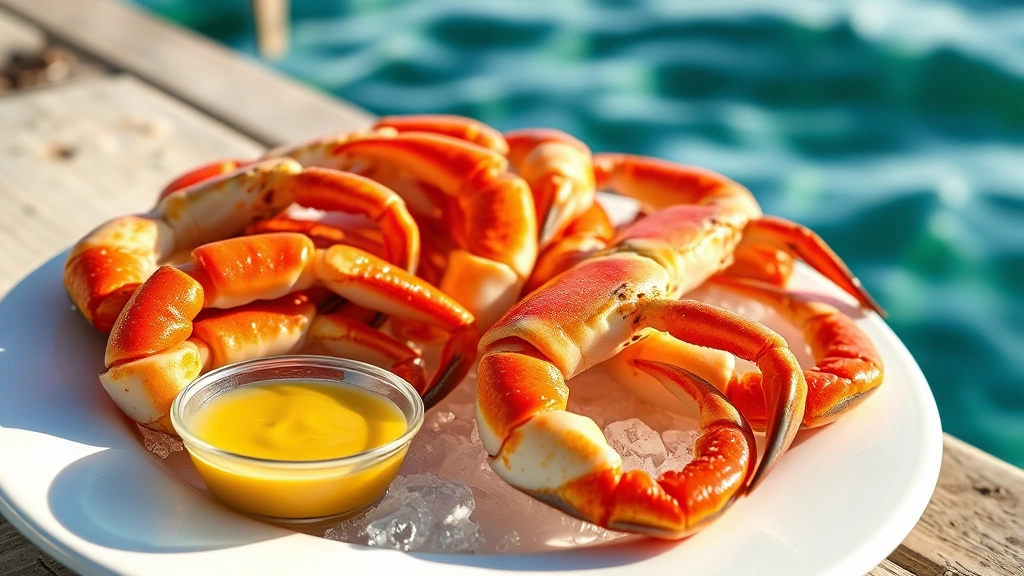
Stone crab claws deserve special mention as Key Largo’s signature crustacean treasure. Available seasonally from October through May, these succulent claws offer a subtle sweetness and tender texture that appeals to sophisticated palates. The traditional preparation—served chilled with mustard sauce—allows the crab’s natural flavors to dominate. When tasting stone crab, focus on the tender meat’s buttery quality and the slight brininess that reflects its ocean origins. The claw’s firm texture provides satisfying resistance before yielding to gentle pressure, creating a memorable textural experience.
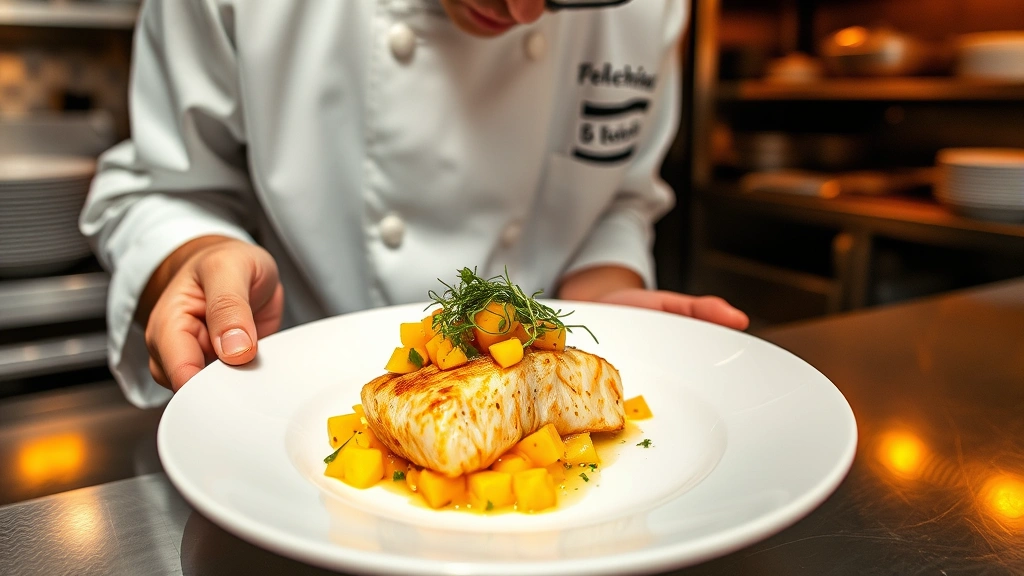
Mahi-mahi, known locally as dolphin fish, represents another cornerstone species that appears frequently on Key Largo menus. This firm-fleshed fish accepts diverse preparation methods beautifully, from simple grilled preparations with citrus to elaborate pan-seared presentations with tropical fruit reductions. When sampling mahi-mahi, notice how the flesh flakes into delicate layers, each bite delivering subtle sweetness enhanced by proper seasoning. The fish’s natural flavor complements tropical accompaniments like mango salsa, passion fruit sauce, or coconut-based preparations without overwhelming the palate.
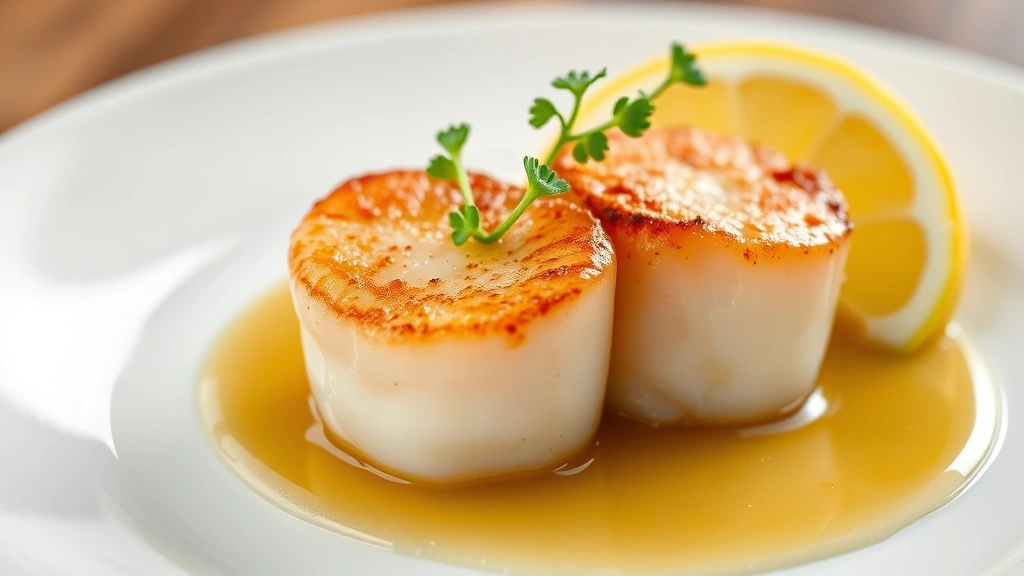
Grouper varieties—including black grouper, red grouper, and gag grouper—showcase varying flavor profiles and textural qualities. Black grouper typically offers richer, more robust flavors compared to the milder red grouper. The flesh should appear moist and translucent before cooking, indicating peak freshness. When cooked properly, grouper develops a delicate, flaky consistency that practically melts on the tongue. Request preparation methods that highlight rather than mask the fish’s inherent sweetness, such as simple pan-searing with butter and lemon or gentle poaching in aromatic broths.
Red snapper and yellowtail snapper round out the primary seafood offerings, each bringing distinctive characteristics to the table. Red snapper presents a slightly firmer texture and more pronounced sweetness, while yellowtail snapper offers delicate, flaky meat with subtle oceanic undertones. Both varieties benefit from minimalist preparation that respects their natural qualities. The skin, when properly crisped, adds textural contrast and concentrated flavor that enhances the overall eating experience.
Fine Dining Experiences Worth the Splurge
Key Largo’s upscale dining establishments deliver refined culinary experiences that justify premium pricing through exceptional execution, innovative flavor combinations, and impeccable service. These venues typically feature chef-driven menus that showcase seasonal ingredients and creative techniques while maintaining respect for classical culinary principles. Fine dining in Key Largo emphasizes personalization, with servers and chefs collaborating to customize preparations based on individual preferences and dietary considerations.
When evaluating fine dining options, consider establishments with demonstrated culinary credentials, including chef training from recognized culinary institutes or experience in Michelin-recognized kitchens. These backgrounds typically translate into superior technique, ingredient knowledge, and plating sophistication. Premium restaurants in Key Largo often feature tasting menus—multi-course experiences that allow chefs to demonstrate their full range of skills and creativity. These progressive tastings encourage palate exploration and often include wine or beverage pairings that enhance each course’s individual characteristics.
The presentation of fine dining dishes in Key Largo typically reflects contemporary plating aesthetics, with careful attention to color contrast, height variation, and negative space. However, excellent establishments ensure that visual beauty complements rather than overshadows flavor. Each component on the plate should contribute meaningfully to the overall taste experience, creating harmonious flavor profiles that develop as you progress through the meal. Pay attention to how temperature contrasts (warm and cool elements) and textural variations (crispy, creamy, tender) work together to create dynamic sensory experiences.
Beverage programs at fine dining establishments deserve careful exploration. Sommeliers or beverage directors curate wine lists emphasizing bottles that complement local seafood preparations and tropical flavor profiles. Request recommendations that highlight lesser-known producers or unique varietals that offer exceptional value. Many establishments also feature craft cocktail programs that incorporate tropical ingredients, house-made syrups, and premium spirits in creative combinations that reflect Key Largo’s island character.
Casual Waterfront Gems and Local Favorites
Beyond fine dining, Key Largo’s casual restaurant landscape offers authentic, unpretentious dining experiences that celebrate island culture and relaxed sophistication. These establishments—often family-owned operations with generations of local knowledge—frequently deliver exceptional value and genuine hospitality that create memorable experiences. Casual dining doesn’t mean compromised quality; many of these venues source identical premium ingredients as upscale competitors but present them in approachable, straightforward preparations.
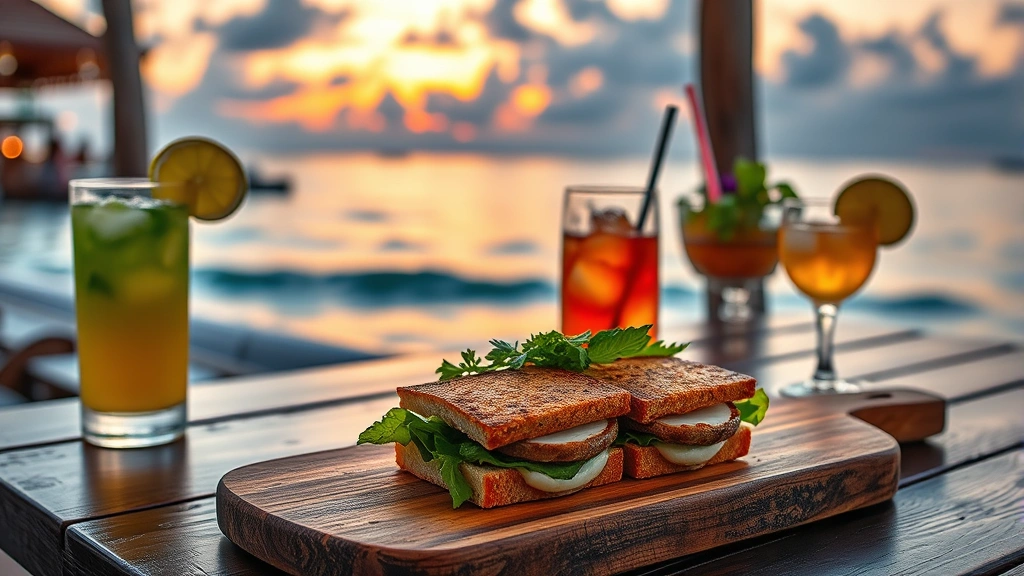
Waterfront dining represents a quintessential Key Largo experience, allowing diners to enjoy meals while absorbing panoramic ocean views and tropical breezes. These casual venues typically feature outdoor seating with minimal barriers between diners and the natural environment, creating an immersive island experience. The casual atmosphere encourages relaxation and encourages lingering over meals, allowing you to fully appreciate both the food and surroundings. Sunset dining at waterfront establishments becomes particularly special, as golden light reflects off the water while the sky transforms through warm color transitions.
Local favorite establishments often feature eclectic menus that blend traditional Keys cuisine with international influences. Conch salad—a signature dish featuring diced raw conch marinated in citrus juice with peppers, onions, and cilantro—appears frequently on casual menus. This refreshing preparation celebrates the conch’s tender texture and subtle sweetness while the acidic marinade adds brightness and complexity. The dish exemplifies casual Keys dining’s philosophy: minimal preparation, maximum flavor, and respect for ingredient quality.
Fish tacos represent another casual dining staple that deserves serious appreciation. Quality establishments prepare fresh fish daily, seasoning it simply and serving it in warm corn tortillas with complementary toppings like avocado, cabbage slaw, and house-made salsas. The textural contrast between crispy tortillas, tender fish, and fresh toppings creates satisfying complexity. The interplay between the fish’s natural sweetness and acidic salsa components demonstrates how simple preparations can deliver sophisticated flavor experiences.
Grouper sandwiches occupy a revered position in casual Key Largo dining culture. A properly executed grouper sandwich features thick-cut fish fillets, lightly breaded and fried until golden, served on toasted bread with minimal accompaniments—typically lettuce, tomato, and tartar sauce. The quality distinction hinges on fish freshness and preparation technique; inferior versions feature breading-heavy sandwiches where the fish becomes secondary. Excellent versions showcase pristine fish with a delicate crust that yields to reveal tender, flaky meat. The sandwich’s simplicity makes it an ideal vehicle for appreciating raw ingredient quality.
Tasting Strategies for Maximum Flavor Enjoyment
Approaching dining with intentional tasting strategies enhances appreciation and deepens your understanding of Key Largo’s culinary offerings. Begin each meal with palate cleansing—consume cool water or sparkling water before tasting your first course. This ensures your taste receptors remain sensitive and uncompromised by previous flavors. Similarly, cleanse between courses using water or neutral-flavored foods like bread, which allows each subsequent dish to register with full intensity.
Employ the practice of nosing before tasting, which activates olfactory receptors and primes your brain for flavor recognition. Before consuming seafood, inhale deeply above the plate, noting the aroma’s characteristics. Fresh fish should smell briny and ocean-fresh, with no off-putting ammonia or sulfurous notes. The aroma often previews the flavor experience; complex aromatics typically indicate complex taste profiles. This preliminary sensory assessment enhances subsequent flavor perception and trains your palate for more sophisticated discrimination.
When tasting, place modest portions on your tongue and allow them to rest briefly before chewing. This permits taste buds to register initial flavor impressions before mechanical breakdown releases additional flavor compounds. Notice how flavors evolve—initial impressions often differ from lingering aftertastes. Consider the progression from the first moment of contact through complete consumption. Premium seafood typically reveals multiple flavor layers, with initial sweetness potentially followed by subtle brininess or mineral notes that emerge as you continue chewing.
Temperature significantly impacts flavor perception, so consume dishes at intended serving temperatures. Hot preparations should remain hot; cold dishes should remain properly chilled. Temperature changes alter volatile flavor compounds’ behavior, potentially diminishing or distorting intended flavor profiles. If a dish arrives at incorrect temperature, request replacement rather than accepting compromised quality. Excellent establishments recognize that temperature management represents a fundamental component of proper preparation.
Evaluate textural components with equal attention to flavor. Notice how different textures—crispy, tender, creamy, firm—interact within single dishes. Textural contrast often distinguishes memorable meals from forgettable ones. A properly executed preparation typically includes multiple textural elements that work harmoniously. For example, a fish preparation might combine crispy skin, tender flesh, and creamy sauce, with each component adding distinct sensory appeal while contributing to overall balance.
Seasonal Dining Considerations
Key Largo’s seasons profoundly influence available ingredients and dining experiences, making seasonal awareness essential for optimizing your culinary adventures. The winter months (November through March) represent peak dining season when weather remains perfect and ingredient availability reaches maximum diversity. Stone crab claws dominate menus during this period, offering seasonal luxury that drives culinary excitement. Many establishments feature special winter menus highlighting this prized crustacean in creative preparations.
Summer months bring different advantages, including peak mahi-mahi season and abundant tropical fruits that inspire refreshing preparations. Lighter dishes dominate summer menus, reflecting both ingredient availability and diners’ preferences for less heavy fare during warm weather. Many establishments offer restaurants open on Thanksgiving and special seasonal menus that capitalize on holiday traditions while celebrating local ingredients.
Hurricane season (June through November) occasionally impacts dining availability and fresh ingredient sourcing, though most establishments maintain operations throughout the year. This period typically features excellent value, as tourism diminishes and restaurants often offer promotional pricing. The quieter atmosphere allows for more personalized service and intimate dining experiences. Additionally, restaurants open on Christmas Day typically offer special holiday menus celebrating both traditional preparations and local specialties.
Understanding seasonal ingredient availability allows you to make informed menu selections that maximize flavor quality. Ask servers about seasonal specials and ingredient sourcing; knowledgeable staff can explain which items represent peak quality versus acceptable alternatives. This engagement demonstrates genuine interest in food quality and often results in personalized recommendations that exceed standard service.
Dietary Accommodations and Special Dining Needs
Key Largo’s diverse restaurant landscape accommodates various dietary preferences and restrictions with increasing sophistication. Vegetarian restaurants and establishments offering extensive vegetarian preparations have become increasingly prevalent, recognizing that plant-based dining deserves equal culinary attention as seafood-focused menus. These venues demonstrate that vegetarian cuisine can achieve complexity, sophistication, and satisfaction equivalent to meat or seafood preparations.
Vegan restaurants in the Key Largo area provide entirely plant-based options that celebrate tropical produce and innovative techniques. These establishments often feature creative preparations that highlight produce’s inherent flavors rather than attempting to replicate animal products. Vegan dining in Key Largo frequently emphasizes fresh fruits, vegetables, legumes, and nuts prepared with sophisticated techniques that create satisfying, flavorful experiences.
Beyond vegetarian and vegan options, many Key Largo restaurants accommodate allergies, intolerances, and religious dietary restrictions with professional competence. Excellent establishments possess detailed ingredient knowledge and maintain separate preparation protocols that prevent cross-contamination. When communicating dietary needs, provide specific details rather than vague statements; for example, clearly distinguish between tree nut allergies and peanut allergies, specify whether dairy intolerance includes butter or only milk, and explain religious dietary laws relevant to your preferences.
Gluten-free dining has become increasingly accommodated at Key Largo establishments, with many offering gluten-free bread, pasta, and preparation protocols. Request detailed information about which items can be prepared gluten-free and what precautions the kitchen takes to prevent cross-contamination. Similarly, restaurants increasingly offer paleo, keto, and other contemporary dietary approaches with specialized menu items or customization options. The key to successful accommodations involves clear communication and selecting establishments with demonstrated commitment to dietary inclusivity.
Family restaurants near me in Key Largo often provide children’s menus and family-friendly atmospheres that welcome diners of all ages. These establishments recognize that developing young palates requires thoughtful menu design and patient service. Many family-friendly venues offer simplified preparations of premium ingredients, allowing children to appreciate quality ingredients in approachable formats. Parents seeking to cultivate adventurous eating habits should communicate openly with servers about desired experiences and accept that children’s palates develop gradually.
FAQ
What’s the best time to visit Key Largo restaurants for optimal ingredient quality?
Winter months (November through March) offer peak ingredient availability, particularly for stone crab claws, which are only available October through May. However, summer brings excellent mahi-mahi and tropical fruit selections. Each season offers distinct advantages; the best time depends on your ingredient preferences and weather preferences. Consulting menus online or calling ahead helps identify seasonal specials.
How should I approach trying unfamiliar seafood varieties?
Begin with small portions and approach each variety with genuine curiosity rather than preconception. Notice the aroma before tasting, then consume modest amounts allowing the flavor to register fully. Don’t judge seafood quality based on single experiences; preparation methodology significantly impacts flavor and texture. If a dish disappoints, consider whether the preparation or the ingredient caused dissatisfaction before dismissing the variety entirely.
Are reservations necessary at Key Largo restaurants?
Reservations are highly recommended at fine dining establishments, particularly during peak season. Casual waterfront venues typically operate on first-come, first-served bases but may accommodate reservations for larger parties. Contacting establishments directly helps understand their specific policies and current wait times. During peak season, even casual venues can develop significant waits during dinner hours.
What beverage pairings complement seafood preparations?
White wines generally pair excellently with seafood, particularly crisp varieties like Sauvignon Blanc or Pinot Grigio. Rosé wines offer versatility for lighter preparations, while light-bodied reds work surprisingly well with certain preparations. Sparkling wines complement virtually all seafood varieties. Request sommelier recommendations that consider specific preparations rather than relying on general seafood pairing guidelines.
How can I maximize value at Key Largo restaurants?
Visit during shoulder seasons (April-May or September-October) when pricing decreases and crowds diminish. Lunch typically costs less than dinner for identical preparations. Happy hour specials and early-bird menus provide additional value. The Flavor Adventurer Blog frequently features dining deals and promotional information for Key Largo establishments. Casual waterfront venues typically offer better value than fine dining without necessarily sacrificing quality.
What credentials should I look for when selecting fine dining establishments?
Research chef backgrounds, looking for training from recognized culinary schools or experience in acclaimed restaurants. Check reviews from food critics and dining publications like Michelin Guide or regional culinary organizations. Visit restaurant websites to review menus, leadership credentials, and sourcing philosophies. Professional culinary credentials typically correlate with superior execution and ingredient knowledge.
How do I know if seafood is fresh?
Fresh fish should smell briny and ocean-like, never ammonia-scented. The flesh should appear moist and translucent; dull, dry appearance indicates age. Texture should be firm; mushy consistency suggests improper storage or aging. Excellent restaurants proudly discuss sourcing practices and can specify catch dates. Request information about sourcing; transparency indicates confidence in ingredient quality.
What international culinary organizations recognize excellent seafood preparation?
The International Association of Culinary Professionals recognizes excellence in seafood preparation through various awards and certifications. Additionally, ChefsFeed and regional culinary organizations highlight exceptional establishments. These resources provide credible guidance for identifying venues with demonstrated commitment to quality and innovation.