Why Are Mexican Chains Closing? Industry Insights and Market Realities
The Mexican restaurant chain sector faces unprecedented challenges that extend far beyond typical industry fluctuations. Over the past three years, numerous beloved Mexican chains have shuttered locations or ceased operations entirely, leaving food enthusiasts and investors grappling with the underlying causes. From labor shortages and ingredient cost inflation to shifting consumer preferences and increased competition from independent establishments, the perfect storm facing Mexican chains reveals deeper truths about the restaurant industry’s evolution and the changing palate of American diners.
Understanding why Mexican chains are closing requires examining multiple interconnected factors: supply chain disruptions affecting authentic ingredient sourcing, wage pressures in labor-intensive food preparation, the rise of fast-casual competitors, and the sophisticated palates of modern consumers who increasingly seek authentic, locally-sourced experiences over standardized chain offerings. This comprehensive analysis explores the sensory, economic, and cultural dimensions of this significant industry shift.
Labor Costs and Workforce Challenges
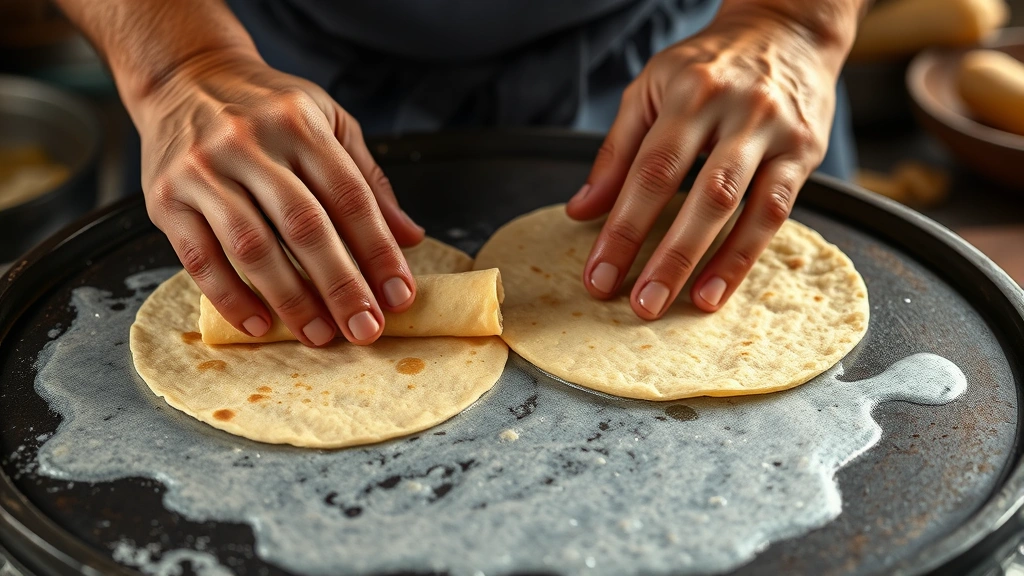
Mexican cuisine demands exceptional culinary skill, particularly in the preparation of sauces, the proper cooking of dried chiles, and the meticulous layering of flavors that distinguish authentic dishes from mediocre imitations. The labor-intensive nature of traditional Mexican cooking—hand-rolling tortillas, slow-braising meats, grinding spices fresh—requires experienced kitchen staff. However, minimum wage increases across major metropolitan areas have dramatically escalated labor costs for chain operations.
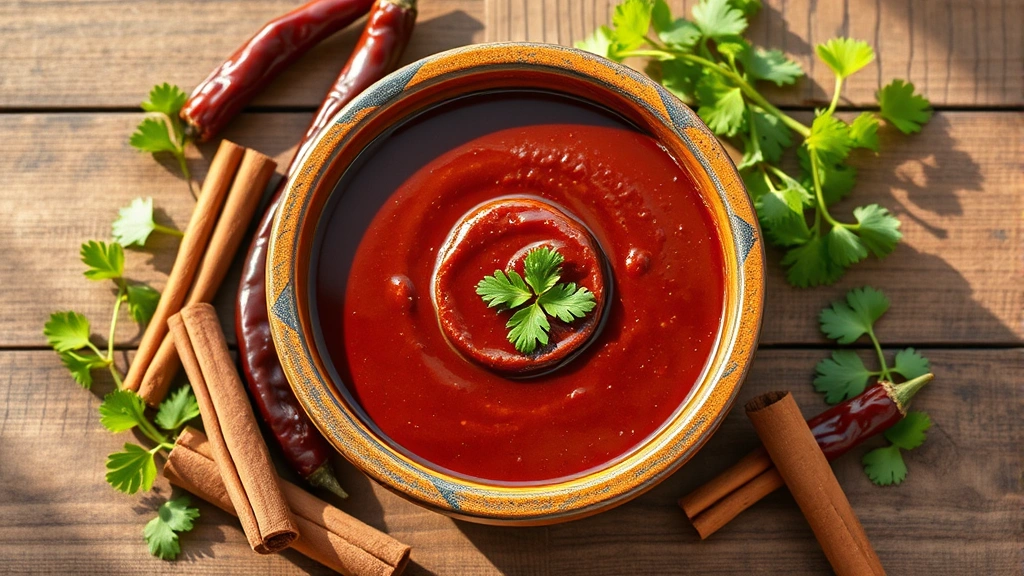
The sensory quality of Mexican dishes depends heavily on skilled preparation. A properly made mole sauce, for instance, requires knowledge of dozens of ingredients and hours of careful attention. When chains attempt to reduce labor costs through automation or less experienced staff, the result is a perceptible degradation in flavor complexity and depth. Diners who have tasted authentic mole—with its intricate balance of chocolate, chiles, nuts, and spices—immediately recognize the difference between restaurant-quality preparations and rushed, formulaic versions.
Furthermore, the hospitality sector experienced significant workforce attrition during recent years, with many kitchen and service staff pursuing alternative careers offering better working conditions and compensation. Mexican chain restaurants, which typically operate on thinner margins than upscale establishments, struggle to attract and retain talent. This creates a vicious cycle: reduced staffing leads to inconsistent food quality, which drives away customers, further reducing revenues and the ability to offer competitive wages.
Supply Chain and Ingredient Sourcing Pressures
Authentic Mexican cuisine relies on specific ingredients that carry distinct flavor profiles unavailable through generic suppliers. True poblano peppers, Mexican oregano, specific varieties of dried chiles (guajillo, ancho, chipotle), epazote, and fresh cilantro from particular growing regions all contribute irreplaceable sensory dimensions to traditional dishes. When supply chains falter, restaurants must compromise with substitutes that fundamentally alter the tasting experience.
The past several years witnessed unprecedented disruptions to agricultural supply chains, particularly affecting Mexican produce imports. Weather events, labor shortages in harvesting, and transportation bottlenecks created scarcity and price volatility for essential ingredients. A Mexican chain restaurant might suddenly face 40-60% increases in the cost of key ingredients—costs they cannot immediately pass to price-sensitive consumers without risking customer defection.
Additionally, many Mexican chains historically sourced ingredients from large industrial suppliers offering consistency but not necessarily authentic flavor profiles. As consumers increasingly develop sophisticated palates—influenced by culinary media and travel—they detect the difference between chains using standardized, shelf-stable ingredients versus those sourcing fresh, regionally-specific components. This discernment has fundamentally shifted competitive dynamics, with independent operators often outcompeting chains precisely through superior ingredient sourcing that creates more memorable tasting experiences.
The Santa Fe restaurants scene exemplifies this trend, where independent establishments featuring locally-sourced, seasonal Mexican cuisine have thrived while chain locations struggle to maintain relevance.
Consumer Preference Shifts Toward Authenticity
Modern food consumers possess dramatically different expectations than those of previous decades. The democratization of culinary knowledge through television, streaming platforms, and social media has elevated palate sophistication across demographic groups. Diners now recognize the difference between Americanized Mexican food—heavy on cheese, sour cream, and mild flavors—and authentic regional Mexican cuisine with its complex chile-based sauces, fresh herbs, and balanced heat.
This shift represents a fundamental sensory recalibration. Authentic Mexican food emphasizes the subtle interplay of flavors: the earthiness of dried chiles, the brightness of fresh lime and cilantro, the warmth of cumin and cinnamon, the depth of slow-cooked meats. Chain restaurants, designed to appeal to the broadest possible audience, typically moderate these flavors, creating dishes that feel safe but ultimately forgettable to experienced palates.
The rise of chef-driven, independent Mexican restaurants has demonstrated that American consumers will pay premium prices for authentic experiences. These establishments often feature seasonal menus reflecting specific Mexican regional traditions, house-made components, and sourcing relationships with particular farms or producers. The tasting experience—the discovery of unfamiliar flavor combinations, the textural contrasts, the aromatic complexity—creates emotional connections that standardized chain offerings cannot replicate.
Furthermore, younger demographics, particularly millennials and Gen Z consumers, actively seek outdoor restaurants near me and dining experiences with cultural authenticity and social responsibility credentials. Mexican chains often fail on multiple dimensions: perceived as culturally appropriative, environmentally unsustainable, and disconnected from traditional Mexican culinary values.
Rising Competition from Independent Operators
The competitive landscape has fundamentally transformed, with independent Mexican restaurants now occupying the market space previously dominated by chains. Unlike chain operations constrained by corporate standardization protocols, independent operators enjoy flexibility in menu development, ingredient sourcing, and culinary innovation. This agility allows them to respond to local preferences, seasonal ingredient availability, and evolving consumer tastes with remarkable speed.
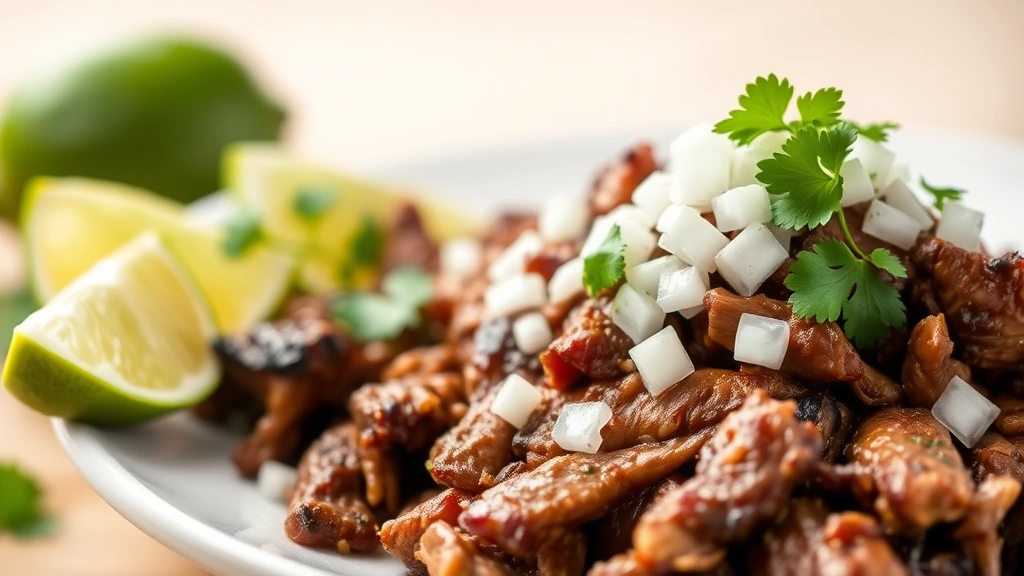
Independent taco shops, for example, can feature rotating proteins, experimental flavor combinations, and regional specialties that reflect the chef-owner’s personal culinary journey. A small family-run establishment might feature carnitas prepared using a recipe passed through generations, with meat so tender and flavorful that it creates an indelible sensory memory. Chain restaurants, by contrast, must maintain consistency across hundreds of locations, inherently limiting the creativity and personalization that modern diners increasingly value.
The food truck revolution further disrupted traditional Mexican chain market share. Mobile operations offer lower overhead costs, enabling competitive pricing while maintaining superior ingredient quality and culinary innovation. The sensory experience of tasting authentic street food—the char on grilled meats, the freshness of hand-made salsas, the complexity of regional spice blends—often exceeds what chain restaurants deliver, despite their significantly higher prices.
Additionally, fast-casual concepts specializing in Mexican cuisine (bowl restaurants, taco customization platforms, etc.) captured significant market share by offering perceived health benefits, transparency in ingredient sourcing, and customization options that appeal to health-conscious consumers. These competitors often position themselves as more authentic and wholesome than traditional chains.
Operational Margins and Profitability Crisis
The mathematical reality underlying many chain closures involves unsustainable unit economics. Mexican restaurants operate on notably thin profit margins—typically 3-9% net profit—compared to other restaurant categories. When labor costs rise 15-25%, ingredient costs increase 30-50%, and rent consumes ever-larger percentages of revenue, many locations become unprofitable despite maintaining reasonable sales volumes.
The challenge intensifies because Mexican cuisine’s sensory appeal depends on quality ingredients and skilled preparation, both expensive inputs. A restaurant cannot dramatically reduce quality without customers immediately detecting the degradation through taste. Unlike some cuisines where standardization and automation can maintain acceptable quality, Mexican cooking’s emphasis on flavor complexity and textural contrast demands labor-intensive techniques that resist cost reduction without quality loss.
Many chain locations operated with razor-thin margins, dependent on high volume to achieve profitability. When consumer traffic declined—due to preference shifts, increased local competition, or macroeconomic factors—volume-based profitability models collapsed. The operational inflexibility of chain systems prevented rapid pivots to higher-margin menu items or cost structures, leading to inevitable closures.
Real estate investments made during previous expansion phases also created fixed cost burdens. Chains committed to long-term leases at rates reflecting earlier market conditions, leaving them unable to adjust when revenues declined or local competitive dynamics shifted unfavorably.
Real Estate and Rent Pressures
Urban and suburban real estate markets experienced significant value appreciation, driving rent increases that disproportionately impact restaurant operations. A Mexican chain location that signed a lease five years ago at $5,000 monthly rent might face renewal terms of $8,000-10,000, representing a 60-100% increase in fixed costs. For locations operating on 5-8% profit margins, such increases are mathematically unsustainable.
Furthermore, real estate developers increasingly recognize that restaurant spaces command premium rents from fast-casual concepts, delivery-focused ghost kitchens, or non-food tenants. Traditional full-service Mexican chain restaurants, requiring extensive buildouts and operating on lower profit margins, became less attractive tenants, leading landlords to decline lease renewals or demand unsustainable rate increases.
The shift toward delivery-centric dining models (accelerated by pandemic-related behavior changes) also reduced the value of prominent physical locations. A small kitchen in a secondary location, optimized for delivery efficiency rather than dine-in experience, could operate profitably where a traditional full-service restaurant location could not. This structural shift disadvantaged chains with extensive real estate portfolios developed for the dine-in era.
Strategic Adaptations and Future Outlook
Some Mexican chain operators have successfully adapted by fundamentally repositioning their brands. Rather than competing on standardization and affordability, forward-thinking chains now emphasize ingredient quality, regional authenticity, and culinary storytelling. This repositioning requires accepting higher costs and lower volume, but enables pricing that supports sustainable operations.
Other chains have downsized to smaller footprints, reducing fixed costs while maintaining brand presence. Ghost kitchens and delivery-focused models, while lacking the sensory experience of dine-in establishments, enable profitability in challenging markets. Some operators have successfully shifted to franchise models emphasizing local operator control, allowing franchisees to adapt menus and sourcing to regional preferences.
The most successful adaptations involve transparency regarding ingredient sourcing, chef credentials, and culinary traditions. Chains that educate consumers about the flavor profiles they’re experiencing—explaining why a particular chile variety matters, how slow-cooking develops complexity, what regional traditions inform menu development—create more meaningful connections than those relying on price-based competition.
Looking forward, Mexican chains that survive will likely be those that embrace authenticity rather than resist it. This means accepting higher ingredient costs to source genuinely excellent components, investing in skilled kitchen staff capable of executing traditional techniques, and building brand narratives around culinary heritage rather than convenience. The palates of modern consumers have evolved beyond the Americanized Mexican food that chain restaurants historically offered. Chains that fail to evolve with consumer sophistication will continue closing, while those that reposition themselves as serious culinary destinations may discover renewed viability.
Exploring regional restaurant scenes like Paso Robles restaurants and best restaurants Charleston SC reveals how independent establishments thrive by emphasizing local sourcing and culinary authenticity—lessons Mexican chains must internalize to survive.
FAQ
What are the primary reasons Mexican restaurant chains are closing?
Mexican chains face closure due to multiple interconnected factors: elevated labor costs, supply chain disruptions affecting authentic ingredient sourcing, consumer preference shifts toward independent restaurants offering greater authenticity, thin operational margins (3-9% typical), rising real estate costs, and increased competition from fast-casual concepts and food trucks. The sensory expectations of modern diners—who recognize flavor complexity and ingredient quality—exceed what standardized chain operations typically deliver.
Are all Mexican chains experiencing closures?
No, closures concentrate among chains emphasizing standardization and affordability. Chains successfully repositioning toward authenticity, premium ingredients, and culinary storytelling maintain viability. Regional operators with strong local brands often outperform national chains. Franchise models emphasizing local control and adaptation show promise compared to rigid corporate standardization.
Will Mexican chains recover or continue declining?
Recovery requires fundamental repositioning. Chains must embrace authentic sourcing, invest in skilled culinary staff, and build brand narratives around genuine Mexican culinary traditions rather than Americanized convenience. Those that successfully adapt will likely operate fewer, higher-quality locations at premium price points. Chains unable to execute this transformation will continue contracting.
How do independent Mexican restaurants compete against chains?
Independent operators enjoy significant advantages: menu flexibility reflecting regional traditions or chef creativity, direct ingredient sourcing relationships enabling superior quality, lower overhead through smaller footprints, and authentic cultural narratives that resonate with modern diners. The tasting experience—discovering unfamiliar flavors, experiencing textural contrasts, engaging with culinary heritage—creates emotional connections chains struggle to replicate.
What should consumers expect from Mexican restaurants going forward?
Expect consolidation around quality-focused establishments offering authentic regional cuisine, transparent sourcing, and skilled preparation. Standardized, affordable chain offerings will diminish, replaced by independent restaurants and repositioned chains emphasizing culinary authenticity. Prices will likely increase, reflecting genuine ingredient costs and skilled labor investments. The sensory experience will improve dramatically as serious operators replace convenience-focused chains.


