Buffet Restaurant Chains Comeback: Industry Expert Insight on Revival and Future
The buffet restaurant industry, once a dominant force in American casual dining, faced significant challenges over the past decade. However, recent market trends and strategic innovations suggest that buffet chains are experiencing a remarkable resurgence. Industry experts point to changing consumer preferences, enhanced food safety protocols, and creative dining concepts as key drivers behind this unexpected revival. The sector that seemed destined for obsolescence is now attracting renewed investment and customer interest across multiple demographics.
This comprehensive analysis explores the multifaceted reasons behind the buffet restaurant chains comeback, examining how operators are modernizing their offerings while maintaining the all-you-can-eat appeal that made them popular. From premium ingredient sourcing to interactive cooking stations, today’s buffet establishments bear little resemblance to their predecessors. Understanding these transformations provides valuable insights into the broader casual dining landscape and consumer behavior patterns that continue to shape the restaurant industry.
The Decline and Current Revival of Buffet Chains
The buffet restaurant model experienced significant contraction beginning in the early 2010s, facing unprecedented headwinds from multiple directions. Health concerns following high-profile food safety incidents, the rise of fast-casual dining concepts, and changing consumer preferences toward curated experiences rather than unlimited quantity created a perfect storm for traditional all-you-can-eat establishments. Major chains closed hundreds of locations, and the segment seemed destined for extinction as younger diners gravitated toward farm-to-table establishments and specialized cuisine restaurants.
Yet the narrative shifted dramatically post-2022. Industry analysts from leading restaurant associations report that buffet chains are now among the fastest-growing segments in casual dining. This revival stems partly from post-pandemic consumer behavior changes—families seeking value-driven experiences and social dining opportunities returned to buffets with renewed enthusiasm. Additionally, operators who survived the downturn invested heavily in reimagining their concepts, introducing quality-focused innovations that addressed previous criticisms.
The comeback reflects broader economic factors as well. With inflation pressuring household budgets, the unlimited-food-for-fixed-price model appeals to cost-conscious families. Simultaneously, upscale buffet concepts targeting affluent diners demonstrate that the format transcends economic boundaries. Culinary professionals increasingly recognize that buffets, when executed with premium ingredients and meticulous preparation, offer legitimate fine-dining experiences at accessible price points.
What Changed: Modern Buffet Innovations
Contemporary buffet chains bear minimal resemblance to their 1990s counterparts, distinguished by dramatic improvements in presentation, ingredient quality, and dining sophistication. Modern operators understand that today’s consumers demand transparency about food sources, preparation methods, and nutritional information—expectations that have fundamentally reshaped buffet operations. The sensory experience itself has transformed, with carefully curated flavor profiles replacing the indiscriminate abundance mentality of earlier decades.
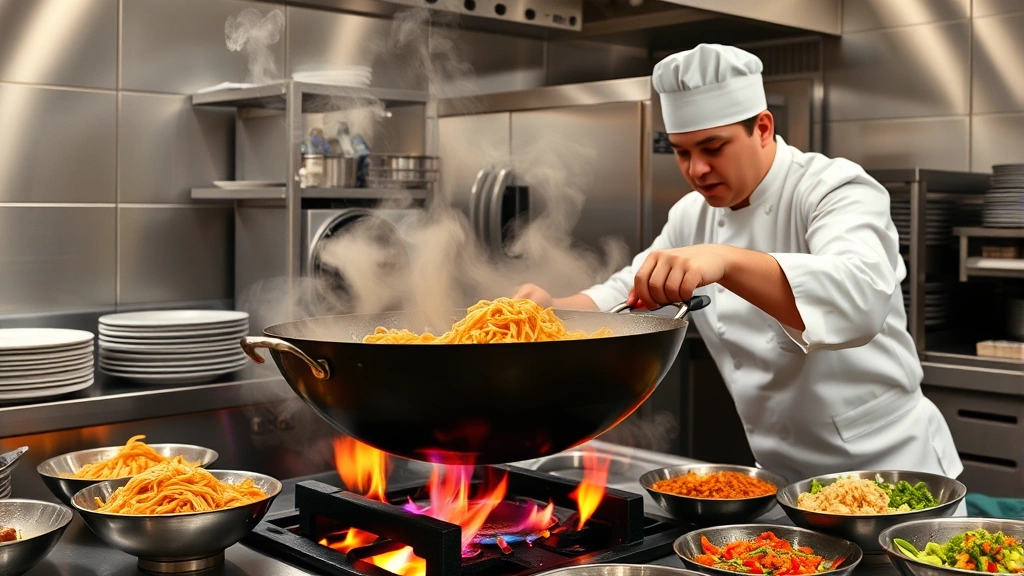
Interactive cooking stations represent perhaps the most significant innovation in buffet design. Rather than pre-plated offerings sitting under heat lamps, contemporary buffets feature live-cooking demonstrations where skilled chefs prepare dishes to order. Diners observe the sizzle of proteins hitting hot woks, inhale the aromatic complexity of spice-laden preparations, and taste items prepared within minutes of consumption. This theatrical element satisfies the modern desire for authenticity and engagement while ensuring superior food quality through reduced holding times.
Premium protein selections have become standard across revitalized buffet chains. Where budget establishments once relied on commodity-grade meats, contemporary concepts feature heritage breed pork, grass-fed beef, wild-caught seafood, and carefully sourced poultry. The flavor differentiation between mass-produced and premium proteins is immediately apparent to trained palates—grass-fed beef exhibits deeper, more complex umami notes, while heritage pork displays richer marbling and superior texture. These upgrades directly influence the overall sensory experience and justify premium pricing models.
Vegetable preparation has similarly evolved. Contemporary buffets source seasonal produce from regional suppliers, presenting vegetables at peak ripeness when flavor concentration reaches maximum levels. Rather than boiled or steamed preparations, modern operators employ techniques like charring, roasting, and quick-sautéing that develop deeper flavor compounds through caramelization and the Maillard reaction. This scientific understanding of flavor development distinguishes current offerings from their predecessors.
Quality Standards and Food Safety Evolution
Food safety concerns that decimated buffet popularity in the 2000s have been systematically addressed through comprehensive operational protocols. Modern buffet chains implement rigorous temperature monitoring, frequent food rotation systems, and transparent kitchen visibility that reassure health-conscious consumers. Digital monitoring systems track holding temperatures continuously, with alerts triggering immediate replacement of any items falling outside safety parameters.
The implementation of HACCP protocols and enhanced sanitation standards has become non-negotiable in successful buffet operations. Professional-grade sanitization occurs hourly rather than daily, with food contact surfaces cleaned and disinfected between every service period. These practices, while increasing operational costs, demonstrate commitment to food safety that resonates with contemporary consumers accustomed to transparency and accountability.
Third-party certifications and regular health inspections receive prominent display in modern buffet establishments, signaling confidence in operational standards. Some forward-thinking chains have partnered with food safety consulting firms to conduct surprise audits and implement continuous improvement protocols. This commitment to excellence extends beyond minimum legal requirements, reflecting the understanding that food safety directly impacts both public health and brand reputation.
Allergen management has become increasingly sophisticated, with detailed ingredient labeling and separate preparation areas for common allergens. Staff training emphasizes the severity of cross-contamination risks, and many establishments maintain detailed records of every ingredient’s sourcing and handling. This level of documentation, while administratively demanding, appeals to families managing dietary restrictions and allergies.
Targeting Diverse Customer Demographics
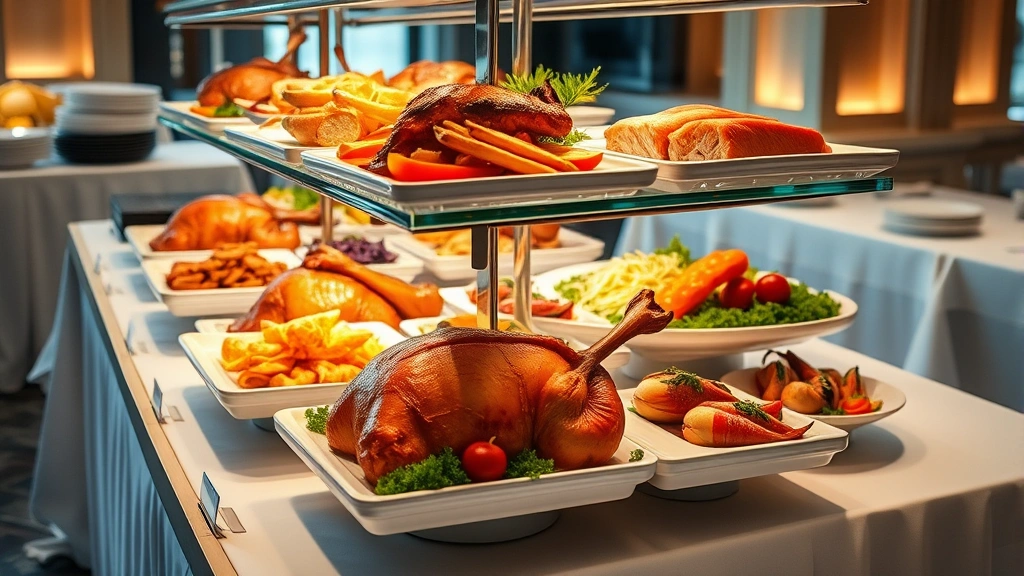
The resurgent buffet industry recognizes that no single concept appeals universally, prompting development of specialized formats targeting distinct demographic segments. Premium buffet concepts in upscale neighborhoods attract affluent diners seeking sophisticated cuisine presented in elegant settings. These establishments feature curated selections from acclaimed chefs, wine pairings, and refined service protocols that elevate buffets beyond casual family dining.
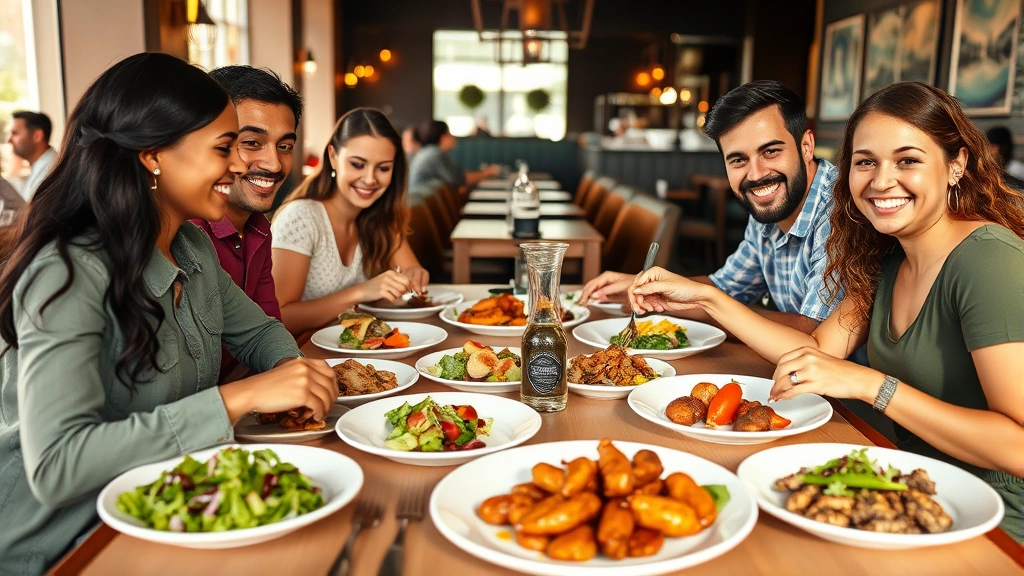
Family-oriented family friendly restaurants continue representing a core buffet market, with operators designing spaces and menus specifically for children while satisfying adult palates. Interactive elements like build-your-own taco stations or customizable noodle bowls engage younger diners while allowing parents to control portion sizes and nutritional content more effectively than traditional table service.
Ethnic-specific buffet concepts have proliferated, from premium Japanese kaiseki buffets to regional Indian cuisine establishments. These specialized formats leverage cultural authenticity and deep ingredient knowledge to create compelling dining experiences. Mexican buffet restaurants featuring regional specialties from Oaxaca to Yucatán demonstrate how narrowed focus on specific cuisines allows for greater depth and authenticity than broad-based concepts.
Health-conscious consumers represent an increasingly important demographic, with buffet chains developing healthy food restaurants sections featuring vegetable-forward preparations, lean proteins, and transparent nutritional information. Some establishments partner with registered dietitians to develop balanced plate combinations, appealing to fitness-focused diners without sacrificing flavor complexity or satisfaction.
Senior communities have emerged as an underserved demographic with particular affinity for buffet formats. Operators catering to this population offer softer texture options, lower-sodium preparations, and dining environments optimized for accessibility. The social dining aspect of buffets particularly appeals to seniors seeking community engagement alongside meal experiences.
Technology Integration in Modern Buffets
Digital innovation has transformed buffet operations in ways that simultaneously enhance customer experience and operational efficiency. Mobile applications allow diners to reserve preferred seating, view menus in advance, and access detailed nutritional and allergen information. QR codes positioned throughout dining areas provide ingredient sourcing details, chef biographies, and preparation method explanations that deepen appreciation for offerings.
Blockchain technology enables unprecedented transparency in ingredient sourcing, allowing diners to trace proteins and produce from farm to plate. Some premium concepts implement this technology, appealing to consumers increasingly concerned about ethical sourcing and environmental sustainability. The ability to verify that seafood comes from sustainable fisheries or beef from properly managed ranches addresses growing consumer values beyond pure flavor considerations.
Kitchen management systems optimize food preparation timing, ensuring that items reach serving stations at peak flavor and temperature. Predictive analytics analyze customer flow patterns, enabling chefs to prepare items in optimal quantities that minimize waste while maximizing freshness. These systems reduce the operational inefficiencies that plagued earlier buffet concepts.
Contactless payment systems and app-based ordering have become standard post-pandemic, with some concepts offering hybrid models combining traditional buffet service with table-service components for premium selections. This flexibility appeals to diverse dining preferences within single establishments.
Financial Performance and Market Projections
Recent financial data demonstrates the buffet segment’s surprising resilience and growth trajectory. Industry reports indicate that established chains operating modernized concepts report revenue growth exceeding 15% annually, significantly outpacing broader casual dining sector performance. Unit economics have improved considerably through higher average check sizes—premium buffet concepts command prices rivaling full-service restaurants while maintaining lower labor costs per customer served.
Capital investment in the sector has surged, with private equity firms and restaurant groups recognizing undervalued opportunities in revitalized buffet concepts. New unit development has accelerated in suburban and secondary markets where real estate costs remain reasonable relative to metropolitan areas. Market analysts project sustained growth through 2030, with specialty buffet concepts potentially capturing 8-12% of the casual dining market.
The all-you-can-eat model’s inherent operational leverage appeals to investors accustomed to thin margins in traditional full-service restaurants. Higher seat turnover combined with reduced per-transaction labor costs create compelling financial profiles that attract institutional capital. Additionally, the format’s flexibility allows operators to adjust offerings rapidly based on seasonal availability and cost fluctuations, providing natural hedging against ingredient price volatility.
Regional Variations and Specialty Concepts
The buffet revival manifests differently across geographic regions, with local preferences and demographic compositions shaping concept development. Asian cuisine buffets dominate urban markets with significant Asian populations, where authenticity and technical execution of traditional dishes command premium pricing. These establishments often feature regional specialization—Sichuan buffets emphasizing numbing heat and complex spice profiles, Cantonese concepts showcasing dim sum expertise, and Southeast Asian restaurants featuring the bright, acidic, herbaceous flavor profiles characteristic of Thai and Vietnamese cuisines.
Mediterranean and Middle Eastern buffets have experienced explosive growth in regions with expanding immigrant communities and increasing mainstream interest in these cuisines. The interactive nature of mezze-style dining—selecting from numerous small plates with complementary flavors—aligns naturally with buffet service models. The sensory experience of combining hummus’s nutty richness, charred eggplant’s smoky depth, and fresh herb brightness across multiple bites appeals to adventurous contemporary diners.
BBQ and rotisserie concepts represent a distinctly American buffet evolution, with establishments featuring slow-smoked meats and wood-fired preparations that demand significant capital investment and technical expertise. The theatrical element of visible smoking chambers and rotating spits engages customers while the concentrated umami of properly executed barbecue—developed through extended low-temperature cooking that breaks down connective tissue into gelatin—creates intensely satisfying sensory experiences.
Seafood buffets remain popular in coastal regions, though operators must navigate the inherent challenge of maintaining quality in perishable proteins. Modern concepts address this through rapid turnover, precise temperature control, and emphasis on preparations that showcase seafood’s delicate flavors. Fish recipes and seafood preparations that work within buffet service models tend toward simple preparations—grilling, light poaching, or minimal sauce application—that allow natural brininess and subtle sweetness to dominate.
Challenges Still Facing the Industry
Despite encouraging revival signals, buffet chains confront persistent challenges that prevent universal sector enthusiasm. Labor costs continue rising faster than pricing power permits, with skilled culinary staff commanding premium wages that compress margins. Turnover remains problematic, as talented chefs often prefer full-service environments offering greater creative autonomy and career advancement opportunities than buffet operations typically provide.
Consumer perception challenges persist despite quality improvements. Segments of the population retain negative associations with buffets from previous decades, viewing them as inherently lower-quality or less sophisticated than alternatives. Overcoming these biases requires sustained brand investment and publicity highlighting quality transformations—a long-term endeavor requiring patience and consistent execution.
Operational complexity in managing diverse menu items simultaneously presents ongoing challenges. Coordinating preparation timing across numerous dishes demands sophisticated kitchen management and experienced culinary leadership. Inevitable waste occurs when prediction of customer preferences proves inaccurate, and some menu items simply fail to achieve anticipated popularity. Balancing variety against operational efficiency remains a perpetual tension in buffet management.
Real estate economics have shifted unfavorably for buffet expansion in prime urban locations, where high rents demand higher per-square-foot revenue than buffet models typically generate. This pushes growth toward secondary markets and suburban locations, limiting market penetration in densely populated areas where demographic trends most favor the format.
Supply chain vulnerabilities exposed during pandemic disruptions created operational challenges that some buffet concepts struggled to navigate. The format’s dependence on diverse ingredient availability became problematic when sourcing limitations restricted menu flexibility. Establishing resilient supply chains requires relationship-building and inventory investment that smaller operators find particularly challenging.
FAQ
Are buffet restaurants making a real comeback or is this temporary?
Industry data suggests the comeback reflects genuine structural changes rather than temporary trends. Modernized concepts with premium offerings, enhanced food safety, and technology integration show sustained growth and strong unit economics. However, traditional budget buffets continue declining—the revival concentrates in upscale and specialty concepts targeting specific demographics and cuisines. Long-term sustainability depends on operators maintaining quality standards and continuing innovation rather than reverting to earlier cost-cutting approaches.
What makes modern buffets different from earlier versions?
Contemporary buffets emphasize quality over quantity, featuring premium ingredients, live-cooking demonstrations, transparent food safety protocols, and interactive dining elements absent from their predecessors. Modern operators understand flavor science and employ techniques that maximize taste complexity. Additionally, specialized concepts targeting specific cuisines or demographics have replaced the broad, undifferentiated menus characteristic of budget chains from earlier decades.
Which buffet concepts show strongest growth potential?
Premium ethnic-specific concepts—particularly Asian cuisine buffets featuring regional specialization and Mediterranean/Middle Eastern establishments—demonstrate strongest growth trajectories. Specialty formats like high-end seafood buffets and rotisserie concepts also show promise. These concepts command pricing power through authenticity and technical execution while appealing to contemporary consumer preferences for cultural exploration and culinary sophistication.
How do modern buffets address food safety concerns?
Current industry leaders implement HACCP protocols, continuous temperature monitoring with digital alerts, hourly deep sanitization, transparent kitchen visibility, detailed allergen management, and third-party certifications. These practices exceed minimum legal requirements and signal genuine commitment to food safety that resonates with contemporary consumers. Staff training emphasizes contamination prevention and cross-allergen protocols.
Are buffets actually good value compared to other restaurant formats?
For price-conscious diners seeking variety and high-quality proteins, premium buffets offer compelling value relative to full-service restaurants. The fixed-price model eliminates surprises while unlimited portions satisfy hearty appetites. However, consumers prioritizing convenience or specialized expertise might find better value in focused establishments offering superior execution of narrower menus. Individual preferences regarding dining pace, social atmosphere, and desired cuisine specialization influence perceived value.
How have farm to table restaurants influenced buffet concepts?
Farm-to-table philosophy has significantly shaped modern buffet development, with contemporary operators emphasizing seasonal sourcing, regional supplier relationships, and ingredient traceability. Many buffets now feature farm-direct produce, heritage breed proteins, and sustainable seafood—elements previously absent from budget concepts. This alignment with farm-to-table values appeals to environmentally and ethically conscious consumers while improving actual flavor quality through superior ingredient freshness and quality.
What role do Asian cuisine preparations play in buffet popularity?
Asian buffets represent perhaps the strongest growth segment, leveraging cuisine characteristics naturally suited to buffet service. Diverse flavor profiles, emphasis on fresh components, and interactive preparation methods appeal to contemporary diners. The technical complexity of proper wok technique, spice balancing, and traditional preparation methods creates genuine differentiation between quality establishments and budget competitors, supporting premium pricing and strong margins.