Cantonese cuisine represents one of the world’s most refined and technically sophisticated culinary traditions, originating from the Guangdong province in southern China. This regional gastronomy has captivated food enthusiasts globally with its emphasis on fresh ingredients, delicate flavors, and masterful cooking techniques that prioritize the natural essence of each component. When searching for an authentic canton chinese restaurant, understanding the philosophy behind Cantonese cooking becomes essential to truly appreciating what chefs consider their finest creations.
The beauty of Cantonese cuisine lies in its philosophy of “let the ingredient speak for itself.” Unlike other Chinese regional cuisines that may rely heavily on bold spices and intense heat, Cantonese cooking celebrates subtlety, balance, and the umami-rich depths achieved through time-honored preparation methods. Professional chefs who specialize in this tradition have curated signature dishes that represent the pinnacle of what makes authentic Cantonese dining a transcendent experience. This guide explores the chef’s favorite picks that define excellence in Cantonese gastronomy.
Dim Sum Mastery and Steamed Delicacies
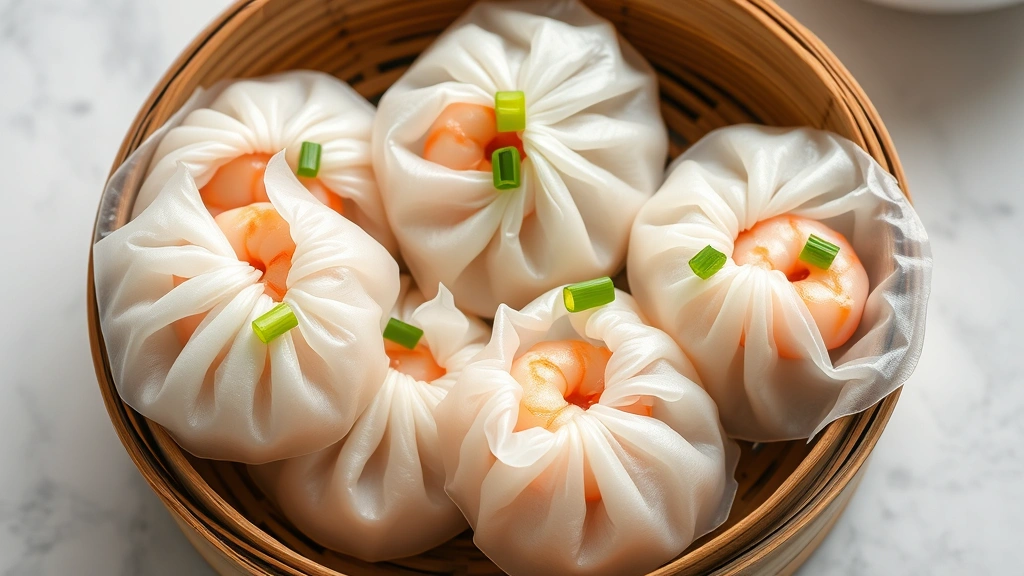
Dim sum represents the soul of Cantonese culinary artistry, and chefs regard mastering this craft as achieving the highest level of technical precision. These bite-sized portions, traditionally served with tea during yum cha (tea drinking), demand extraordinary skill in dough preparation, filling balance, and steaming technique. The wrapper itself tells a story—whether it’s a delicate har gow (shrimp dumpling) with its crystalline, translucent exterior or a silky siu mai (pork dumpling) with precisely folded edges, each piece reflects years of dedicated practice.
The shrimp dumpling, or har gow, stands as the ultimate test of a dim sum chef’s abilities. The wrapper must achieve an almost impossible standard: thin enough to reveal the plump shrimp inside yet sturdy enough to hold the filling without tearing. Chefs spend months perfecting the rice flour and tapioca starch ratio, the water temperature, and the kneading technique. The filling itself combines succulent shrimp with bamboo shoots and lard, creating a textural contrast that melts on the palate. When executed flawlessly, the dumpling releases subtle oceanic sweetness that defines Cantonese refinement.
Siu mai dumplings showcase a different mastery—the open-topped pork and shrimp parcels topped with a single pea or quail egg yolk. Chefs prize the ability to achieve a specific firmness in the filling while maintaining its delicate, almost cloud-like texture. The pork must be hand-chopped to preserve its structure, never ground, and combined with minced shrimp and dried scallop for umami depth. These dumplings are often found at best lunch restaurants near me where dim sum service thrives during traditional yum cha hours.
Cheung fun (steamed rice noodle rolls) represent another pinnacle of Cantonese dim sum expertise. The rice batter must be spread paper-thin across steaming cloths, cooked to precise elasticity, then filled and rolled with practiced fluidity. Chefs fill these delicate creations with shrimp, char siu (Chinese barbecue pork), or preserved vegetables, then drizzle them with soy sauce infused with sesame oil. The contrast between the silky, slippery texture of the noodle and the savory fillings creates an unforgettable sensory experience.
Signature Soups and Broths
Cantonese soups represent liquid gold in Chinese culinary tradition, with chefs preparing broths that simmer for 8-12 hours to extract maximum flavor and nutritional benefit. These aren’t quick consommés but rather carefully constructed elixirs that balance multiple ingredients in perfect harmony. The philosophy behind Cantonese soup-making emphasizes healing properties alongside exquisite taste—each ingredient selected for both culinary and traditional wellness benefits.
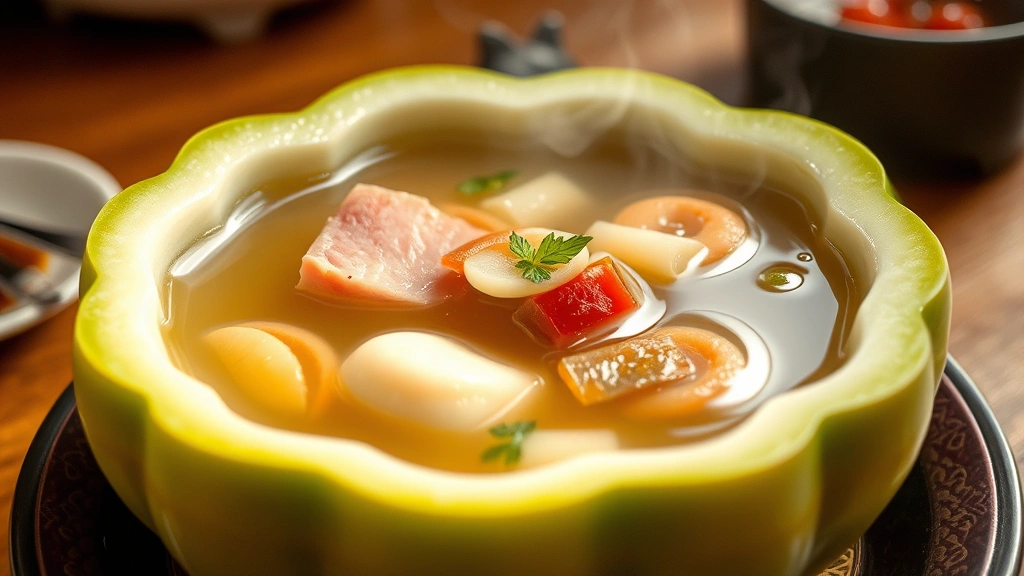
Winter melon soup exemplifies this approach, combining the delicate sweetness of winter melon with dried scallop, ham, and ginger. Chefs hollow the melon to create an edible serving vessel, then fill it with the prepared soup ingredients before steaming the entire presentation. The result is visually stunning and gastronomically sophisticated, with the melon flesh becoming infused with the umami-rich broth. The subtle sweetness of the melon balances the savory depth of the dried scallop, creating a refined flavor profile that professional chefs consider essential to any authentic canton chinese restaurant menu.
Bird’s nest soup stands as perhaps the most luxurious Cantonese creation, made from the nests of swiftlets constructed from their saliva. These nests require extensive cleaning and soaking before being combined with chicken broth, ginseng, and rock sugar. The bird’s nest itself offers minimal flavor but provides a delicate, slightly gelatinous texture and is prized for its traditional medicinal properties. Chefs view preparing this soup as a meditation on restraint—allowing the supporting ingredients to create a subtle, refined backdrop for the prized nest.
Abalone and sea cucumber soup showcases the Cantonese approach to luxury ingredients. These expensive, texture-forward components are combined with chicken broth, scallop, and mushroom to create a deeply satisfying elixir. The cooking process requires precision timing to ensure the seafood maintains its tender texture while the flavors meld into a cohesive whole. Many chefs consider this soup the ultimate expression of Cantonese sophistication.
Seafood Excellence and Wok Mastery
Cantonese chefs possess unparalleled mastery of seafood preparation, treating pristine fish, shrimp, and shellfish with reverence befitting their quality. The wok, heated to extraordinary temperatures, becomes an instrument of precision in skilled hands, allowing chefs to cook seafood in seconds while maintaining its delicate texture and subtle flavors. This technique, known as wok hei (breath of the wok), infuses dishes with a subtle smoky character that elevates seafood to transcendent levels.
Steamed whole fish with ginger and scallion represents the cornerstone of Cantonese seafood mastery. The fish—often a pristine grouper, sea bass, or flounder—is selected for its sweetness and delicate flesh. Chefs prepare it minimally: a light scoring of the skin, a bed of julienned ginger and scallion, and a careful steaming that cooks the fish through while preserving its moisture and tender texture. The finishing touch involves pouring smoking-hot oil infused with preserved bean paste over the fish, creating an aromatic explosion of flavors. This dish exemplifies the Cantonese philosophy of allowing superior ingredients to shine.
Chefs also favor salt-baked fish, a technique where whole fish are encased in salt and aromatics before being baked. The salt creates a protective crust that locks in moisture while infusing the flesh with subtle mineral notes and the fragrance of ginger, scallion, and Chinese five-spice. When the salt crust is cracked open tableside, the revelation of perfectly cooked, impossibly tender flesh creates theater and sensory pleasure simultaneously.
Stir-fried prawns with garlic and chili represent the height of wok technique, requiring the chef to achieve the perfect balance of heat, timing, and ingredient coordination. The prawns must be cooked until just opaque, maintaining their sweet, delicate flavor while the garlic and chili create aromatic complexity. This dish is often featured at date night restaurants where sophisticated seafood preparations impress discerning palates.
Roasted Specialties and BBQ Traditions
Cantonese roasting traditions represent centuries of accumulated knowledge about heat, timing, and seasoning. Chefs in this tradition understand that roasting is far more than applying heat—it’s a complex process of rendering fat, concentrating flavors, and creating texture contrasts that define exceptional cuisine. The roasting ovens used in traditional Cantonese restaurants burn hardwood, creating specific heat characteristics that cannot be replicated with gas or electric appliances.
Peking duck, while originating from Beijing, has been elevated to extraordinary heights by Cantonese chefs who emphasize the crackling skin as the primary focus. The duck is inflated between skin and flesh, then hung to dry for 24-48 hours before roasting in a wood-fired oven. The result is skin so crisp it shatters between teeth, while the meat beneath remains tender and succulent. Chefs serve this dish with thin mandarin pancakes, sweet bean sauce, and julienned cucumber and scallion, allowing diners to construct each bite to their preference.
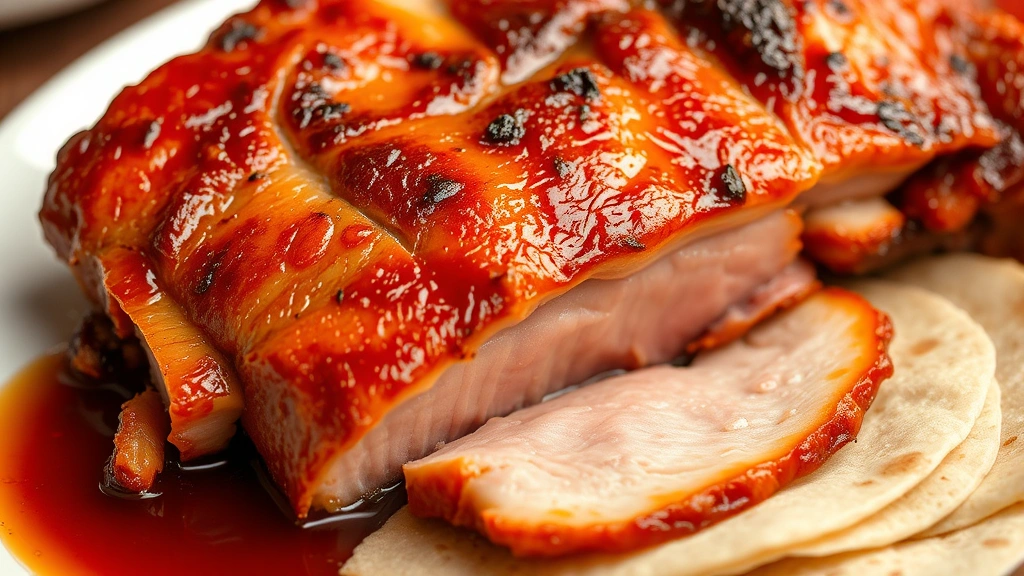
Char siu (Chinese barbecue pork) represents another roasting masterpiece, with pork shoulder or loin marinated in a complex mixture of soy sauce, oyster sauce, honey, five-spice, and fermented bean paste. The meat is roasted until the exterior develops a caramelized, slightly charred crust while the interior remains tender and infused with marinade flavors. Sliced thin and served over steamed rice, this dish provides comfort and sophistication simultaneously. It’s commonly found at family-friendly restaurants near me where its universal appeal satisfies diverse palates.
Roasted chicken, prepared with a five-spice rub and wood-fired roasting, offers another showcase of Cantonese mastery. The skin becomes burnished and aromatic while the meat remains juicy. Chefs often finish the bird with a glaze made from soy sauce, honey, and the rendered pan juices, creating layers of savory-sweet complexity.
Noodle Artistry and Rice Dishes
Noodles hold sacred status in Cantonese cuisine, with chefs recognizing that proper noodle preparation determines the success of an entire dish. Fresh egg noodles, made daily in quality restaurants, offer a tender bite and rich flavor that dried noodles cannot match. The cooking process requires precise timing—mere seconds separate perfectly al dente noodles from overcooked, mushy disappointment. Chefs understand that noodles should maintain structural integrity while absorbing sauce flavors.
Wonton noodles represent the quintessential Cantonese noodle dish, combining silky fresh egg noodles with a savory pork and shrimp broth and tender wontons filled with shrimp and pork. Chefs prepare the wontons by hand, folding each one with practiced precision, ensuring the filling is distributed perfectly. The broth simmers for hours, extracting sweetness from shrimp shells and umami from dried scallop and mushroom. The final dish achieves remarkable balance—the tender noodles, delicate wontons, and aromatic broth creating a complete sensory experience.
Chow mein variations showcase different cooking techniques and ingredient combinations. Crispy chow mein involves cooking noodles until they achieve a golden, slightly crispy exterior while maintaining a tender interior, then tossing with stir-fried vegetables, proteins, and sauce. Soft chow mein presents the opposite approach—tender, barely cooked noodles that absorb sauce and maintain a silky texture. Chefs recognize that each style demands different technique and timing.
Fried rice, particularly when prepared with day-old rice that’s been properly chilled, becomes an art form in Cantonese hands. The rice grains remain separate and distinct rather than clumping together, achieved through high heat, constant motion, and the addition of beaten egg that coats each grain. Quality fried rice incorporates multiple proteins—shrimp, char siu, Chinese sausage—and vegetables, creating textural and flavor complexity with each bite. This dish often appears at vegetarian restaurants in vegetable-forward versions that showcase seasonal produce.
Tea Culture and Beverage Pairings
Tea represents far more than a beverage in Cantonese dining culture—it’s an integral component of the culinary experience, selected specifically to complement the dishes being enjoyed. The tradition of yum cha (drinking tea) while enjoying dim sum and light appetizers stretches back centuries, with each tea variety offering distinct flavor profiles and digestive properties.
Pu-erh tea, with its earthy depth and natural ability to cut through rich flavors, pairs beautifully with dim sum featuring pork and fatty components. The tea’s aged complexity and slight fermented character create a sensory dialogue with roasted dim sum like siu mai and spring rolls. Chefs recommend aged pu-erh for its superior flavor development and ability to refresh the palate between bites.
Oolong tea, particularly rolled varieties like da hong pao, offers floral notes and subtle sweetness that complement delicate shrimp dumplings and steamed fish. The tea’s complexity unfolds across multiple infusions, with each steep revealing different flavor dimensions. Chefs appreciate oolong’s ability to cleanse the palate while introducing complementary flavor notes.
Jasmine green tea provides a lighter, more floral option, particularly suited to seafood dishes and vegetable-based dim sum. Its delicate nature allows subtle dish flavors to remain prominent while offering aromatic enhancement.
Selecting Your Canton Chinese Restaurant
Finding an authentic canton chinese restaurant requires understanding key indicators of quality and culinary dedication. Look for establishments that prepare dim sum fresh throughout service hours—ideally visible dim sum chefs working at stations where you can observe their technique. The quality of dim sum reflects the restaurant’s commitment to excellence more accurately than any other metric.
Examine the seafood selection carefully. Reputable Cantonese restaurants maintain live seafood tanks, allowing diners to select their fish or shrimp immediately before preparation. The presence of these tanks indicates the restaurant’s commitment to ingredient freshness and quality. Ask about the source of their seafood and whether they receive daily deliveries from quality suppliers.
Observe the kitchen setup and equipment. Traditional Cantonese restaurants feature wood-fired roasting ovens for char siu and roasted poultry. The presence of multiple woks actively in use suggests high volume and quick turnover, ensuring dishes are prepared fresh to order. The intensity of heat and speed of cooking in a Cantonese kitchen should be immediately apparent.
Consider the depth of the menu and the presence of seasonal specials. Chefs who take their craft seriously rotate dishes based on ingredient availability and seasonal peaks. A static menu suggests less engagement with ingredient quality and culinary creativity. Ask servers about chef’s specials and recommendations—this conversation often reveals the restaurant’s philosophy and commitment to excellence.
For various dining occasions, explore outdoor seating restaurants near me that offer Cantonese cuisine in pleasant settings, or seek out black owned restaurants near me that celebrate this culinary tradition with their own cultural perspective and innovation.
FAQ
What makes Cantonese cuisine different from other Chinese regional cuisines?
Cantonese cooking emphasizes subtle flavors, ingredient quality, and delicate preparation techniques. Unlike other Chinese cuisines that may rely on bold spices and heavy sauces, Cantonese chefs prioritize allowing natural ingredient flavors to shine. The philosophy centers on balance, freshness, and respect for each component’s inherent qualities.
Why is dim sum considered the ultimate test of a Cantonese chef’s skill?
Dim sum requires mastery of numerous techniques—dough preparation, filling balance, steaming precision, and hand-forming skills. Each dumpling must meet exacting standards for texture, flavor, and appearance. The variety of dim sum items demands that chefs maintain consistent excellence across multiple different preparations simultaneously.
What should I look for when selecting shrimp dumplings at a restaurant?
Quality har gow should feature a thin, translucent wrapper that reveals the shrimp inside without tearing. The wrapper should have a delicate texture without being sticky or tough. The shrimp should be plump and fresh-tasting, with subtle sweetness. The bamboo shoot filling should provide gentle textural contrast without overwhelming the shrimp’s delicate flavor.
How does wok hei enhance seafood dishes?
Wok hei, or “breath of the wok,” refers to the subtle smoky character imparted by cooking at extremely high temperatures. This technique infuses seafood with complex aromatic notes while maintaining the ingredient’s tender texture and natural sweetness. The effect is achieved through rapid cooking and constant motion, requiring significant skill and experience.
Why is tea important in Cantonese dining?
Tea serves multiple functions in Cantonese cuisine—it aids digestion, cleanses the palate between bites, and complements specific dishes through flavor pairing. The selection of tea reflects the meal’s character and the chef’s understanding of how beverages enhance the overall dining experience. Tea culture represents an integral part of Cantonese hospitality and culinary philosophy.
What’s the difference between steamed and fried dim sum?
Steamed dim sum maintains delicate flavors and tender textures, allowing ingredient quality to remain prominent. Fried dim sum develops golden, crispy exteriors while maintaining tender interiors, with the cooking method adding richness and textural contrast. Both approaches have merit, with chefs selecting preparation methods based on specific fillings and desired flavor profiles.
How can I identify authentic char siu at a quality restaurant?
Authentic char siu should feature a caramelized, slightly charred exterior with a glossy sheen from the glaze. The interior meat should be tender and moist, with visible color variation from the marinade penetration. The flavor should balance sweetness from honey and hoisin with savory soy and umami from fermented components. Poor quality char siu appears dry or overly greasy.