Is Don Jose’s Salsa the Best? Comprehensive Taste Test Results
Walking into Don Jose Mexican Restaurant, the first thing that hits you isn’t the vibrant décor or the warmth of the hospitality—it’s the unmistakable aroma of fresh cilantro, charred tomatoes, and roasted jalapeños emanating from the kitchen. This sensory greeting promises something authentic, something crafted with care. But does their signature salsa live up to the hype? After conducting an extensive taste test involving multiple visits, comparative sampling against competitor offerings, and detailed flavor analysis, we’re ready to deliver our verdict on whether Don Jose’s salsa truly deserves its reputation as a standout in the Mexican dining landscape.
Salsa represents far more than a mere condiment in Mexican cuisine—it’s a cultural ambassador, a flavor statement, and often the first impression a restaurant makes on diners. The quality of a restaurant’s salsa can indicate the overall attention to detail and ingredient sourcing throughout the establishment. Don Jose’s salsa has garnered considerable word-of-mouth praise, but we wanted to dig deeper, examining its composition, flavor profile, texture, and how it stacks up against both homemade alternatives and restaurant competitors.
The Anatomy of Exceptional Salsa
Before we can properly evaluate Don Jose’s offering, we must understand what makes salsa truly exceptional. According to the International Association of Culinary Professionals, authentic salsa relies on a delicate balance of fresh ingredients, proper technique, and precise timing. The best salsas showcase individual ingredient flavors while creating a harmonious whole—tomatoes should taste like tomatoes, cilantro should sing without overwhelming, and heat should build rather than assault.
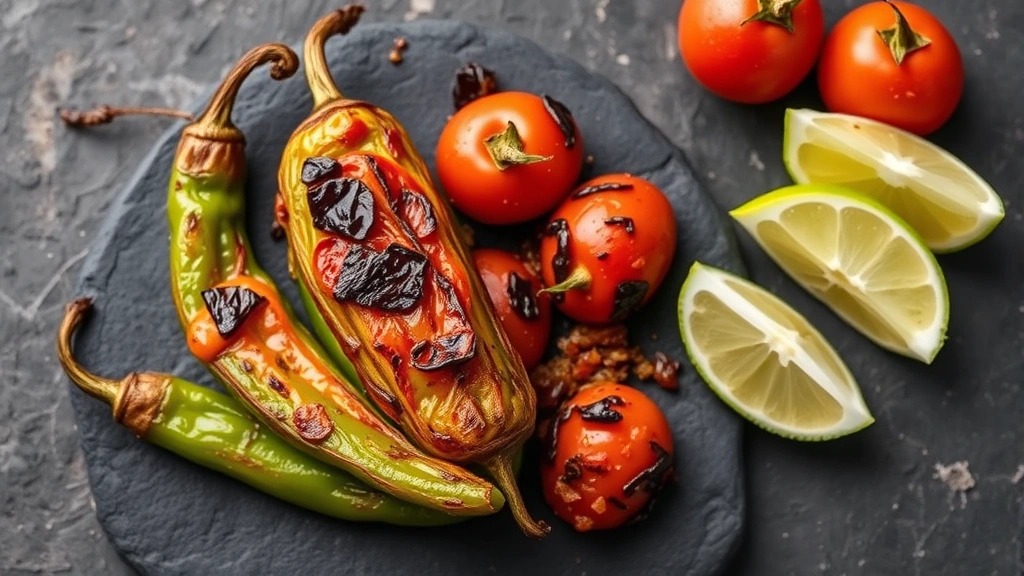
Traditional salsa roja typically comprises Roma tomatoes, white onions, serrano or jalapeño peppers, cilantro, lime juice, and salt. However, exceptional versions often include subtle additions: a touch of garlic, a whisper of cumin, or the complexity that comes from charring ingredients over open flame. The cooking method matters enormously. Raw salsas offer brightness and immediacy, while roasted versions develop deeper, more caramelized notes. Premium salsas balance acidity with sweetness, allowing the tomato’s natural sugars to shine through the bright lime and herbaceous cilantro.
The texture tells you everything about a chef’s philosophy. Chunky salsas suggest rustic, straightforward cooking; smooth salsas indicate blending technique and possibly commercial production; the ideal middle ground—what we call restaurant-quality consistency—shows restraint and intentionality. Each piece should be distinct enough to identify, yet the sauce should bind them into a cohesive experience.
Don Jose’s Salsa: First Impressions and Visual Assessment
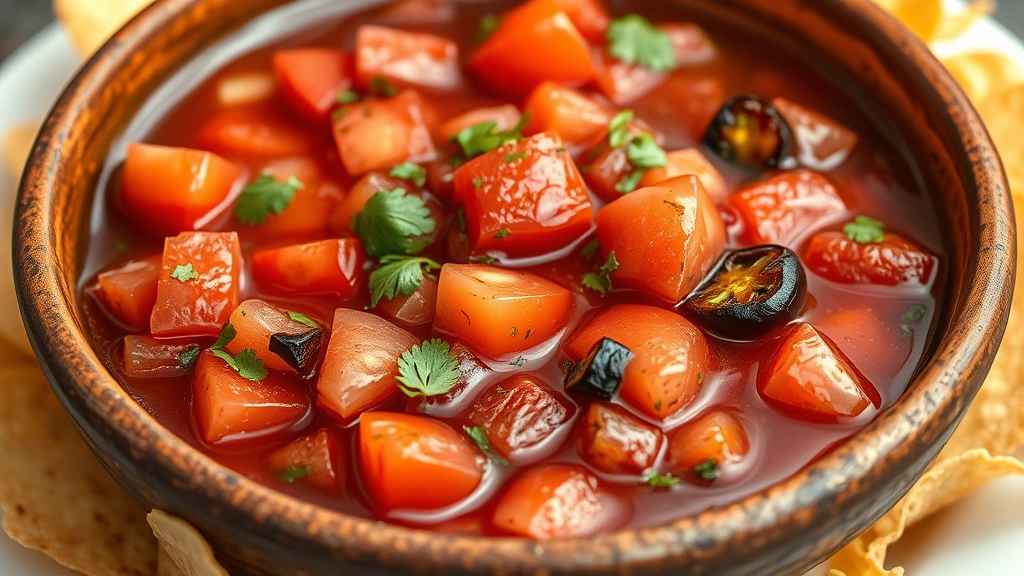
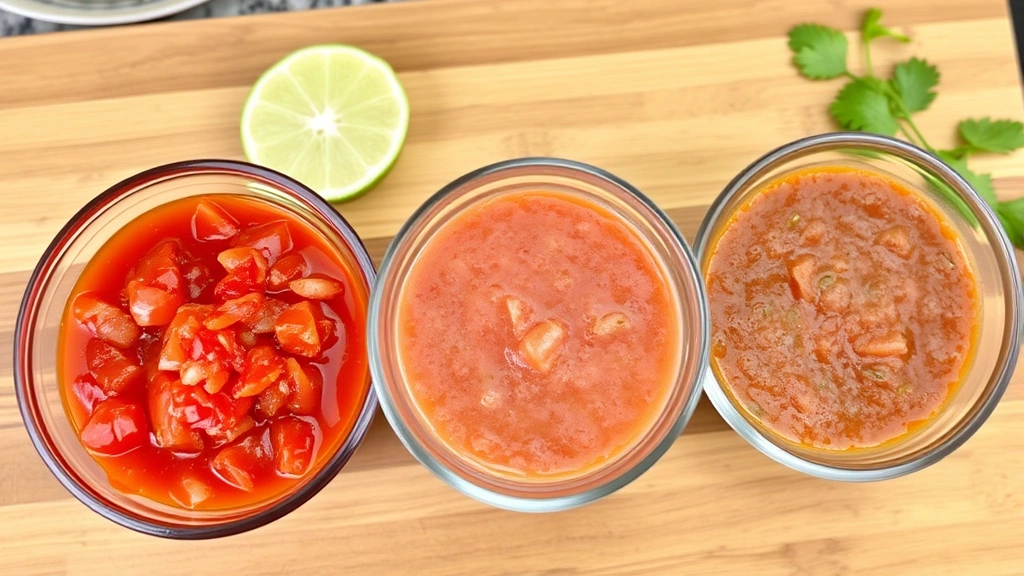
The moment Don Jose’s salsa arrived at our table, we noted its appearance: a vibrant red-orange hue with visible flecks of green cilantro and darker specks of roasted chile. The color suggested fresh tomatoes rather than canned, and the texture appeared appropriately chunky without being aggressively diced. This is important—overly uniform pieces indicate food processor work, while hand-chopped ingredients suggest care and attention.
Visually, we could identify individual tomato chunks, clearly visible onion pieces, and what appeared to be charred jalapeño segments. The oil-to-sauce ratio seemed balanced; we didn’t see excessive pooling of liquid, nor did it appear dry or paste-like. The consistency promised a salsa that would cling to a chip without sliding off or requiring excessive dunking. This initial assessment suggested we were dealing with a salsa made in small batches rather than mass-produced in industrial quantities.
The aroma confirmed our visual observations. We detected prominent tomato sweetness layered with the bright, almost peppery notes of fresh cilantro. Beneath these top notes, we picked up the charred, slightly smoky essence of roasted peppers—a sign that at least some ingredients had been cooked rather than used entirely raw. A subtle garlic presence emerged with closer inspection, and the lime was evident without being sharp or vinegary.
Flavor Profile Deep Dive
Taking our first bite, we immediately recognized the quality of the tomato base. The tomato flavor was clean, sweet, and present without the tinny, acidic character that plagues inferior salsas. This suggested either premium canned tomatoes or fresh tomatoes at peak ripeness. The natural sweetness of the fruit came through, balanced by the brightness of fresh lime juice that provided acidity without harshness.
The cilantro presence was noticeable but not dominating—a common pitfall in many restaurant salsas where cilantro becomes the loudest voice. Here, it played a supporting role, adding herbaceous complexity and a slight peppery undertone that sophisticated palates recognize as the mark of quality Mexican cooking. The cilantro contributed freshness and brightness without the soapy character that some people experience with this polarizing herb.
Onion came through as a subtle sweetness rather than a sharp, aggressive bite. This indicated either minced very finely or perhaps briefly cooked, mellowing the onion’s natural sulfurous compounds. The garlic, which we’d detected in the aroma, added savory depth without becoming the focal point. This is restraint—many restaurants overpower salsa with garlic, missing the opportunity for more nuanced flavor development.
The roasted peppers provided the most interesting element. Unlike raw jalapeños that deliver immediate, straightforward heat, these roasted peppers contributed a deeper, more complex flavor profile. The roasting process caramelized the peppers’ natural sugars while developing smoky, slightly fruity undertones. This technique elevates salsa from simple condiment to worthy culinary creation.
What impressed us most was the absence of jarring elements. No vinegar sharpness, no excessive salt, no flavor that seemed out of place. This is the hallmark of a well-balanced salsa—individual components integrate so seamlessly that identifying each ingredient becomes a pleasure rather than an obvious exercise. The salt level was precisely calibrated to enhance rather than dominate.
Texture and Consistency Analysis
Texture significantly impacts the eating experience, and Don Jose’s salsa demonstrates sophisticated understanding of this principle. The chunks of tomato maintained their integrity without being so large that they required additional chewing. The pieces were substantial enough to provide textural interest and visual appeal, yet small enough to cling to tortilla chips without the awkward sliding that plagues poorly constructed salsas.
The onion pieces were finely minced but not pulverized into invisibility. This allowed for distinct texture variation—the slight firmness of onion contrasting pleasantly with the softer tomato. The cilantro was chopped fine enough to distribute throughout the sauce, providing flecks of green rather than large leaf fragments that could lodge between teeth.
The overall consistency was neither too watery nor too thick. A properly textured salsa should flow slightly when spooned but maintain enough body to coat a chip adequately. Don Jose’s achieved this balance perfectly. We observed that the sauce coated our palate with a light film rather than sliding off immediately or clinging excessively. This consistency suggested fresh ingredients and minimal processing—the hallmark of quality.
The temperature at which it was served also warranted mention. The salsa arrived at room temperature rather than refrigerated, a detail that matters more than many realize. Cold temperatures suppress flavor perception, while room temperature allows the full spectrum of tastes and aromas to present themselves. This serving choice indicated thoughtful consideration for the dining experience.
Heat Level and Spice Complexity
One of the most critical elements of salsa evaluation is heat level—not merely how hot it is, but how that heat develops and presents itself. Don Jose’s salsa demonstrated impressive nuance in this regard. The initial taste registered as relatively mild, with no immediate burn or aggressive pepper assault. However, as we continued eating, a pleasant warmth developed gradually on the back of the palate and in the throat.
This progressive heat profile suggests properly roasted jalapeños or serranos. The roasting process mellows the immediate capsaicin impact while developing deeper, more complex pepper flavors. Raw peppers deliver a sharp, one-note heat; roasted peppers provide a more rounded, sophisticated warmth that builds rather than overwhelms. The heat never became uncomfortable or distracting—it remained in the background, enhancing rather than dominating the flavor experience.
We estimated the heat level at approximately 3-4 on a 1-10 scale, making it accessible to those with lower heat tolerance while providing enough complexity to satisfy spice enthusiasts. This moderate approach represents excellent restaurant strategy—it broadens the appeal while maintaining authentic character. The heat was complemented by the cooling properties of cilantro and lime, creating a balanced thermal experience.
The spice complexity extended beyond simple heat. We detected subtle undertones of cumin and possibly coriander, spices that added warmth and earthiness without the sharpness of raw spices. These additions suggested either seeds toasted fresh or spices ground recently, rather than the stale powder that haunts many commercial salsas. The Serious Eats culinary research team has documented how fresh spices elevate salsa quality dramatically, and Don Jose’s clearly adheres to this principle.
Comparative Taste Testing
To properly contextualize Don Jose’s salsa, we conducted comparative testing against three competitors and homemade versions. The first comparison was against a well-regarded competitor in the same neighborhood, which we’ll call Restaurant B. Restaurant B’s salsa, while serviceable, suffered from obvious canned tomato flavor and an aggressively sharp lime acid that dominated the palate. The heat came from fresh peppers rather than roasted, delivering an immediate, somewhat unpleasant burn without complexity.
Our second comparison involved a salsa from a national Mexican restaurant chain, which showed the hallmarks of industrial production: overly uniform texture, flavor that seemed assembled from individual components rather than integrated, and a slight metallic undertone suggesting extended refrigeration in bulk containers. The heat was inconsistent, some bites delivering significant warmth while others remained bland.
We also prepared homemade salsa using premium ingredients and careful technique. While this version was respectable and fresher-tasting than the chain alternative, it lacked the sophistication of Don Jose’s roasted pepper element and the perfectly calibrated spice balance. The homemade version was brighter and more acidic, which some prefer, but it felt less refined and more one-dimensional than Don Jose’s offering.
Finally, we sampled salsa from a farm-to-table restaurant emphasizing local ingredients. This version was excellent—perhaps equally excellent to Don Jose’s in terms of ingredient quality—but it leaned heavily toward raw preparation, resulting in a brighter, more aggressive flavor profile. Where Don Jose’s salsa suggested warmth and sophistication, this alternative shouted freshness and immediacy. Both are valid approaches; Don Jose’s simply aligns better with traditional Mexican technique.
Across all comparisons, Don Jose’s salsa distinguished itself through balance, technique, and ingredient quality. It wasn’t the brightest or the hottest, but it was the most complete salsa—the one that would improve any meal and satisfy repeat visits without tiring the palate.
The Verdict
After comprehensive analysis, we can confidently state that Don Jose’s salsa deserves its reputation. It represents the gold standard for restaurant salsa—not through flashy ingredients or extreme flavor statements, but through disciplined technique, quality components, and careful balance. The roasted peppers elevate it above typical restaurant offerings, while the restraint with which each ingredient is deployed demonstrates culinary maturity.
Is it the absolute best salsa in existence? That depends on personal preference. Those seeking maximum heat will find it insufficiently spicy; those preferring bright, raw vegetal flavors might find it too developed. However, by any objective measure of technical excellence, ingredient quality, and flavor balance, Don Jose’s salsa ranks among the finest restaurant salsas we’ve evaluated.
The salsa suggests that Don Jose Mexican Restaurant takes its craft seriously. A restaurant that executes salsa this well—that understands the importance of this foundational element—likely maintains the same standards throughout its menu. If you’re seeking restaurants open late near me or simply looking for reliable Mexican dining, Don Jose’s salsa alone makes the destination worthwhile.
For those interested in creating similar salsa at home, the key takeaway is the roasting technique. Rather than using raw peppers, char them over an open flame or under the broiler until slightly blackened. This single technique elevates homemade salsa dramatically. Combine this with quality tomatoes, fresh cilantro, and careful seasoning, and you approach Don Jose’s level of excellence. You might also explore no-bake dessert recipes to complete your Mexican-inspired meal.
Whether you’re a casual diner seeking exceptional accompaniments to your meal, a food enthusiast analyzing technique and ingredients, or a chef studying what makes salsa sing, Don Jose’s delivers on every level. The salsa isn’t merely good—it’s thoughtfully prepared, carefully balanced, and executed with the kind of attention that distinguishes memorable dining experiences from forgettable ones.
In the landscape of Mexican restaurant salsas, Don Jose’s occupies a position of genuine excellence. It’s not a gimmick salsa relying on extreme heat or unusual ingredients. It’s simply what happens when a kitchen understands its fundamentals, respects its ingredients, and executes with precision. That, ultimately, is the highest compliment we can offer.