Best Iranian Dishes? Food Critic’s Top Picks
Iranian cuisine represents one of the world’s most sophisticated and ancient culinary traditions, yet it remains mysteriously underrepresented in many Western dining scenes. As a food critic who has spent considerable time exploring authentic Persian flavors, I can confidently say that discovering an Iranian restaurant near me has fundamentally transformed my understanding of what bold, balanced, and beautifully composed food can be. The dishes I’m about to share with you showcase the remarkable depth of spice blending, the artful use of herbs, and the philosophical approach to flavor that defines this culinary heritage.
What makes Iranian cuisine so captivating is its reliance on aromatic spices, fresh herbs, slow-cooked proteins, and the careful balance between sweet, sour, and savory elements. Every dish tells a story of trade routes, regional variations, and family traditions passed down through generations. Whether you’re searching for outdoor seating restaurants near me to enjoy these dishes al fresco or looking for vegan friendly restaurants near me that honor Persian vegetarian traditions, Iranian establishments offer something truly special for every palate.
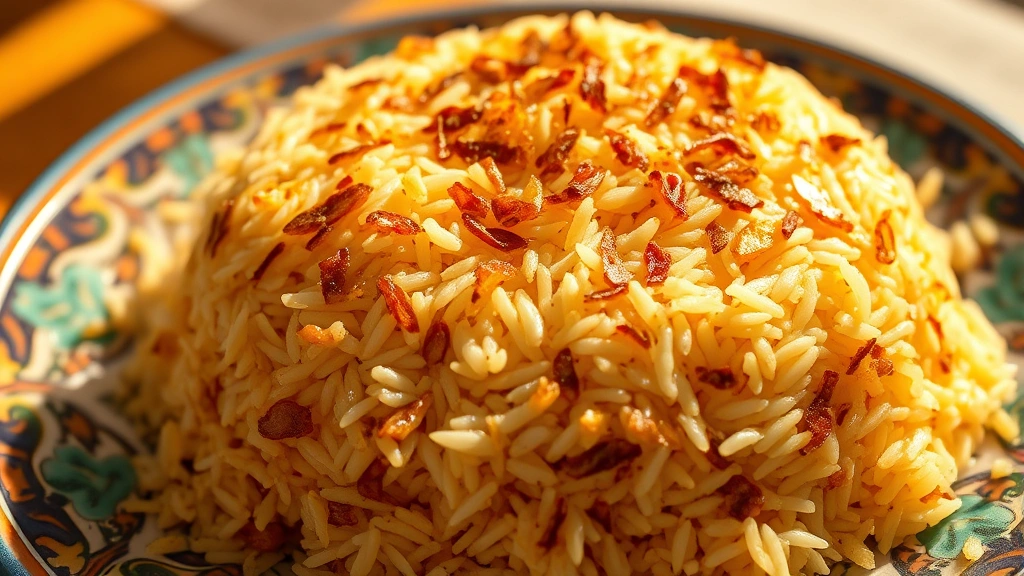
Tahdig: The Crispy Rice Foundation
If you’ve never experienced tahdig, you’ve missed one of the most transformative textural experiences in global cuisine. This is the caramelized, golden-brown rice that forms at the bottom of the cooking vessel—crispy, nutty, and absolutely addictive. The contrast between the fluffy white rice above and the crackling bottom layer creates a sensory experience that demands respect and understanding.
The preparation of tahdig is both an art and a science. Rice is parboiled, then layered into a pot with butter, yogurt, or oil, where it cooks over medium-high heat until the bottom develops that coveted crust. The sound it makes—a gentle crackling—is the signal that perfection is approaching. When served properly, tahdig arrives at the table as a separate element, broken into shards, ready to be distributed among diners. The flavor is intensely nutty and slightly caramelized, with the textural contrast being absolutely essential to the Iranian dining experience.
What makes tahdig remarkable is how it elevates every dish it accompanies. Pair it with rich stews, fragrant kebabs, or even simple grilled meats, and suddenly you have a complete sensory journey. The crispy rice provides textural contrast while its toasted flavors complement the aromatics and spices in the main dishes. This is why finding a true best lunch restaurant near me that respects traditional rice preparation is so important.
IMAGE_2
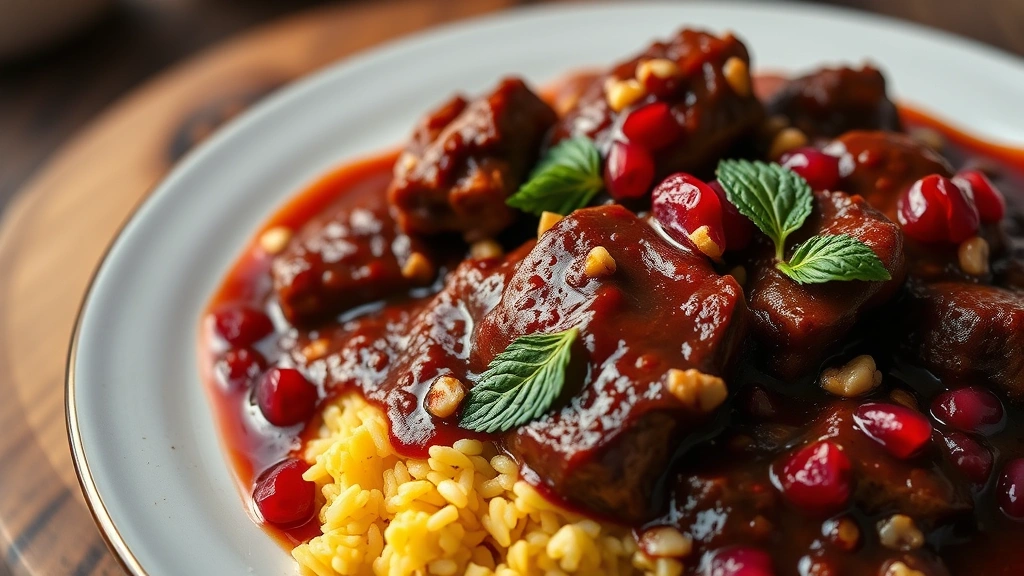
Fesenjan: Pomegranate and Walnut Poetry
Fesenjan represents the pinnacle of Iranian sweet-savory complexity. This is a dish that challenges Western palates accustomed to rigid flavor categories, presenting instead a harmonious blend of pomegranate molasses, crushed walnuts, and tender meat in a sauce that tastes like autumn itself. The dish’s origins trace back centuries, and its popularity spans from Tehran to diaspora communities worldwide.
The preparation begins with browning meat—traditionally duck or chicken, though some versions use lamb—until deeply caramelized. Onions are cooked until golden and translucent, releasing their natural sugars. Then comes the magic: pomegranate molasses is added, along with ground walnuts that have been toasted to enhance their nutty depth. The sauce simmers for hours, allowing flavors to meld and deepen, creating a complexity that reveals itself layer by layer with each spoonful.
What makes fesenjan so remarkable is the interplay of flavors. The tartness of pomegranate molasses provides brightness and acidity that cuts through the richness of the meat and walnuts. There’s a subtle sweetness that doesn’t feel cloying but rather sophisticated and purposeful. Warm spices like cinnamon and cloves add aromatic depth without overwhelming the primary flavors. The walnut content creates a velvety texture that coats the palate, while the meat becomes so tender it dissolves on the tongue.
This is the type of dish that justifies making date night restaurant reservations at establishments that understand Persian cooking. The complexity and elegance of fesenjan make it perfect for special occasions and intimate dining experiences.
Kebabs: The Soul of Persian Grilling
Iranian kebabs are not merely grilled meat—they are meditations on flavor, texture, and the transformative power of fire. There are numerous varieties, each with distinct characteristics and preparation methods, but all share a commitment to quality ingredients and respect for the grilling process.
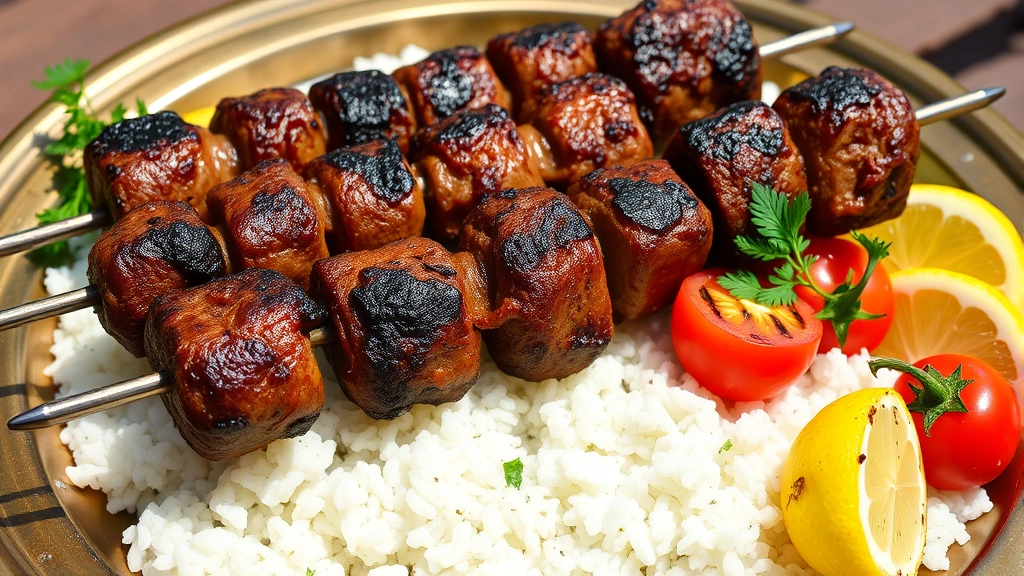
Koobideh is perhaps the most iconic kebab, consisting of ground meat—beef, lamb, or a combination—mixed with finely minced onions and herbs, then molded onto flat metal skewers and grilled over charcoal. The result is a crispy exterior with a juicy, herb-infused interior. The meat develops a beautiful char while remaining tender within, and the minced onions add moisture and sweetness that balances the savory elements.
Joojeh Kebab features marinated chicken pieces grilled to perfection. The marinade typically includes saffron, lemon juice, yogurt, and onions, infusing the meat with subtle floral notes and tangy brightness. When grilled, the exterior develops a caramelized crust while the interior remains succulent. The saffron marinade imparts a delicate golden hue and distinctive flavor that elevates this dish beyond simple grilled chicken.
Chenjeh Kebab consists of tender lamb or beef chunks marinated in onions and herbs before grilling. Unlike koobideh, which is ground meat, chenjeh showcases the meat’s natural texture and allows the charring process to create complex flavors through the Maillard reaction. The exterior becomes slightly charred and crispy while the interior remains pink and tender.
All kebabs are typically served with tahdig, fresh herbs, and grilled tomatoes and peppers. The combination creates a complete meal where each element enhances the others. This is why seeking out restaurants with restaurants with live music near me featuring Persian cuisine creates a more immersive cultural experience.
Herbs and Aromatics: The Flavor Profile
Understanding Iranian cuisine requires understanding the role of fresh herbs and aromatic spices. These aren’t background players—they’re central to the flavor profile and are often as important as the main protein.
Fresh herbs play a starring role in Iranian cooking. Parsley, cilantro, and dill are used generously, providing brightness and freshness that balance rich, slow-cooked dishes. Mint adds cooling, aromatic qualities that refresh the palate. These herbs are often served fresh at the table, allowing diners to adjust the intensity of flavors according to preference. The herb-to-food ratio in Iranian cuisine is dramatically higher than in most Western cooking traditions.
Saffron is the most precious spice in the Iranian pantry. This golden thread, derived from the crocus flower, imparts a subtle floral flavor and distinctive color. It’s used judiciously—a little goes a long way. Saffron appears in rice dishes, kebab marinades, and special occasion preparations. Its flavor is complex: slightly sweet, with earthy and floral notes that become more pronounced in warm liquids.
Turmeric provides earthy warmth and a subtle bitterness that grounds spice blends. It’s used more liberally than saffron and appears in stews, rice dishes, and marinades. Turmeric’s flavor becomes more pronounced during cooking, developing deeper, more complex notes as it heats.
Cumin and coriander add warm, slightly citrusy notes. These spices are often toasted before grinding, which intensifies their aromatics and deepens their flavor profiles. They appear in kebab marinades, rice dishes, and spice blends.
Research from the Institute of Food Science and Technology demonstrates how aromatic compounds in these spices interact with proteins and fats to create complex flavor profiles that evolve throughout cooking.
Stews and Khoresh Traditions
Khoresh, or stew, represents the heart of home-cooked Iranian cuisine. These slow-cooked dishes develop incredible depth of flavor through hours of gentle simmering. Unlike Western stews that are often thickened with flour or cornstarch, Iranian khoresh rely on the natural reduction of liquids and the breakdown of ingredients to create rich, velvety sauces.
Khoresh Ghormeh Sabzi is a vegetarian masterpiece combining kidney beans, dried limes, and fresh herbs. The dried limes—called black limes or loomi—provide a unique sour, slightly smoky flavor that cannot be replicated by fresh citrus. The stew is aromatic, complex, and deeply satisfying. For those seeking vegan friendly restaurants near me, this dish is often available in vegetarian preparations.
Khoresh Karafs features celery as the primary ingredient, combined with kidney beans and meat, creating a stew with bright, slightly herbaceous notes balanced by savory richness. The celery maintains some texture even after hours of cooking, providing a pleasant contrast to the tender meat.
Khoresh Bademjan is an eggplant-based stew that transforms the vegetable into something sublime. Eggplants are cooked until completely tender and almost melting, absorbing the flavors of the surrounding sauce. Combined with meat, dried limes, and warm spices, this stew is comfort food elevated to an art form.
These stews are traditionally served over rice, with the tahdig providing textural contrast. The long cooking times allow flavors to meld and deepen, creating dishes that taste even better the next day as flavors continue to develop.
IMAGE_3
Vegetarian Masterpieces
Iranian cuisine has a rich vegetarian tradition that predates modern vegetarianism by centuries. Many dishes are naturally vegetarian or easily adapted, celebrating vegetables, legumes, and grains with the same sophistication applied to meat dishes.
Kashk-e Bademjan is an eggplant dip that’s become iconic in Persian dining. Eggplants are roasted until their flesh becomes creamy and slightly smoky, then mashed and combined with yogurt or kashk (a whey product), creating a dip with incredible depth. Topped with crispy fried onions, pomegranate seeds, and mint, this dish offers multiple flavors and textures in every bite.
Herb Rice (Tahdig Sabzi) showcases fresh herbs at their finest. Dill, parsley, and cilantro are mixed into fluffy white rice, creating a fragrant, herbaceous side dish that’s both simple and sophisticated. The herbs remain fresh and vibrant, providing brightness that complements richer dishes.
Zereshk Polo combines rice with barberries—small, tart berries that provide bright, acidic notes—and saffron. The dish is visually stunning with the deep red berries against golden rice, and the flavor profile is sophisticated and balanced.
These vegetarian options make Iranian cuisine accessible to those following plant-based diets, and many farm to table restaurants emphasize traditional Persian vegetable preparations that celebrate seasonal produce.
Breads and Accompaniments
No Iranian meal is complete without bread. Several varieties are essential to authentic dining:
Lavash is a thin, soft flatbread that serves as an edible utensil and wrapper. Its mild flavor and tender texture make it perfect for wrapping around kebabs or using to scoop up stew sauces. Authentic lavash is baked in traditional tandoor ovens, developing slight char marks that add visual appeal and subtle smoky notes.
Barbari is a thicker, chewier bread with a rectangular shape and distinctive ridged surface. It’s studded with sesame seeds and has a slightly sweet flavor. Barbari is heartier than lavash and works well for mopping up rich sauces.
Sangak is a large, thin bread traditionally baked on a bed of hot pebbles, resulting in a crispy exterior and chewy interior. The bread develops beautiful char marks and a complex, slightly nutty flavor from the high-heat baking process.
Breads are served warm and are integral to the meal structure. They’re not merely vehicles for other foods but are essential components that balance the richness of stews and the intensity of spices.
Accompaniments typically include fresh herbs (parsley, cilantro, mint, and dill), raw onions, fresh lime, and sometimes fresh cheese. These elements allow diners to customize their eating experience, adjusting flavors and textures according to preference.
FAQ
What makes Iranian cuisine unique compared to other Middle Eastern cuisines?
Iranian cuisine stands apart through its sophisticated use of saffron, pomegranate molasses, and dried limes, creating complex sweet-sour-savory profiles. The emphasis on fresh herbs, the importance of rice preparation (especially tahdig), and the philosophical approach to flavor balance distinguish Persian cooking. Additionally, the use of fruits in savory dishes—like pomegranate in fesenjan or barberries in rice—is more prominent in Iranian cooking than in neighboring cuisines.
Is saffron essential in all Iranian dishes?
No, saffron is reserved for special dishes and occasions due to its expense and delicate flavor. While saffron appears in many traditional preparations like saffron rice, joojeh kebab marinade, and special stews, many everyday dishes don’t include it. Turmeric is more commonly used in daily cooking and provides similar warming qualities.
What should I order if I’m new to Iranian cuisine?
Start with koobideh kebab to experience the fundamental flavors of Persian grilling. Follow with saffron rice and a simple herb accompaniment. If you want to explore stews, fesenjan is an excellent introduction to the sweet-savory complexity that defines Iranian cooking. For vegetarians, kashk-e bademjan and herb rice provide excellent entry points.
Why is tahdig considered so important?
Tahdig represents the pinnacle of rice preparation technique and provides essential textural contrast in Iranian meals. The crispy, nutty bottom layer balances the fluffy rice above and complements rich sauces and meats. In Iranian dining culture, tahdig is often considered a prize, distributed among diners with care and respect.
Can I find authentic Iranian restaurants in most cities?
Yes, Iranian restaurants have become increasingly common in major cities and many suburban areas. When searching for an Iranian restaurant near me, look for establishments that emphasize traditional preparation methods, use quality spices, and prepare dishes like fesenjan and khoresh with proper time investment. Authentic restaurants will serve proper tahdig and offer fresh herb accompaniments.
What beverages pair well with Iranian food?
Traditional pairings include doogh (a yogurt-based beverage), fresh pomegranate juice, or black tea. For alcohol, crisp white wines complement the herbaceous and acidic elements in many dishes, while light reds work with kebabs. The brightness of these beverages balances the richness of stews and the intensity of spices.
Are there regional variations in Iranian cuisine?
Absolutely. Northern Iran emphasizes rice and seafood, southern regions feature more spiced preparations, and western areas showcase different herb combinations. Tehran, as the capital, represents a blend of traditions. Understanding these regional differences adds depth to your appreciation of Persian cooking.


