Best Kauai Restaurants: Local Chef Recommendations
Kauai, the oldest Hawaiian island, boasts a culinary scene that rivals any destination in the Pacific. Local chefs here have mastered the art of transforming island-fresh ingredients into unforgettable dining experiences. From oceanfront establishments to tucked-away neighborhood gems, Kauai restaurants showcase the unique fusion of Hawaiian traditions, Asian influences, and contemporary farm-to-table techniques that define modern island cuisine.
The Garden Island’s restaurant landscape reflects its commitment to sustainability, local sourcing, and cultural authenticity. Whether you’re seeking an intimate date night restaurant experience or a casual family meal, Kauai delivers exceptional flavors that capture the essence of island living. We’ve consulted with local chefs, food critics, and longtime residents to compile the most authentic and delicious dining recommendations across the island.
Hanalei: Where North Shore Excellence Meets Tradition
Hanalei Bay’s crescent shoreline frames some of Kauai’s most celebrated dining establishments. Hanalei restaurants benefit from proximity to pristine fishing grounds and some of Hawaii’s most productive taro fields. The North Shore’s cool morning mists and afternoon sunshine create ideal conditions for produce that finds its way directly from farm to kitchen.
Local chefs in Hanalei emphasize the interplay between umami-rich Hawaiian sea salt, briny tropical fruits, and the island’s legendary fresh fish. The palate experience here is distinctly maritime—expect bright acidity from citrus-marinated preparations, the sweet minerality of locally-caught ahi and ono, and the subtle earthiness of traditional Hawaiian vegetables like laulau and ulu (breadfruit).
The sensory profile of Hanalei’s finest dining centers on restraint and respect for ingredients. Rather than masking delicate fish with heavy sauces, chefs here employ classical French techniques combined with Asian marinades and Hawaiian salt preservation methods. The result is cuisine that tastes like the island itself—clean, bright, and utterly authentic.
Dining here means experiencing the full arc of island agriculture. Breakfast might feature lilikoi (passion fruit) curd over coconut cake, while dinner showcases local snapper with charred broccolini and a ginger-soy glaze that resonates with umami complexity. The tasting menus at Hanalei’s finest establishments often feature seven to ten courses, each designed to build flavor intensity while maintaining palatal balance.
Lihue’s Hidden Culinary Treasures
Kauai’s county seat may lack oceanfront drama, but Lihue’s restaurant scene punches well above its weight in terms of flavor sophistication. Local chefs here focus on creating restaurants open late to accommodate the island’s working community, making Lihue the perfect destination for authentic, unpretentious island dining.
The culinary identity of Lihue reflects the island’s multicultural heritage. You’ll find exceptional Japanese ramen shops where the broth simmers for sixteen hours, extracting deep savory notes from kombu and bonito. Vietnamese establishments serve pho with fragrant star anise and cinnamon that warm the palate from the inside. Portuguese-influenced restaurants offer malasadas (fried dough) dusted with cinnamon sugar alongside hearty stews that showcase the island’s beef heritage.
What distinguishes Lihue’s dining scene is authenticity over ambiance. These are places where local families celebrate milestones, where the chef knows regulars by name, and where recipes have been refined across generations. The flavor profiles tend toward bold rather than subtle—generous use of garlic, bright chili heat, and the savory depth that comes from slow-cooked broths and carefully balanced spice blends.
A typical Lihue dining experience might include tender kalua pork with its distinctive smoky-sweet profile, served alongside rice infused with chicken fat and aromatics. Sides of lomi (Hawaiian soup) provide creamy, comforting contrast, while fresh tropical fruit—papaya, mango, guava—offers bright acidity and natural sweetness that cleanses the palate between bites.
Poipu: South Shore Sophistication and Fresh Seafood
Poipu’s sunny south shore has emerged as Kauai’s most upscale dining destination, rivaling even the celebrated establishments of best restaurants Charleston SC in terms of refined execution and ingredient quality. The warmer, drier climate here supports different agricultural patterns, resulting in sweeter pineapples, creamier avocados, and more robust citrus varieties.
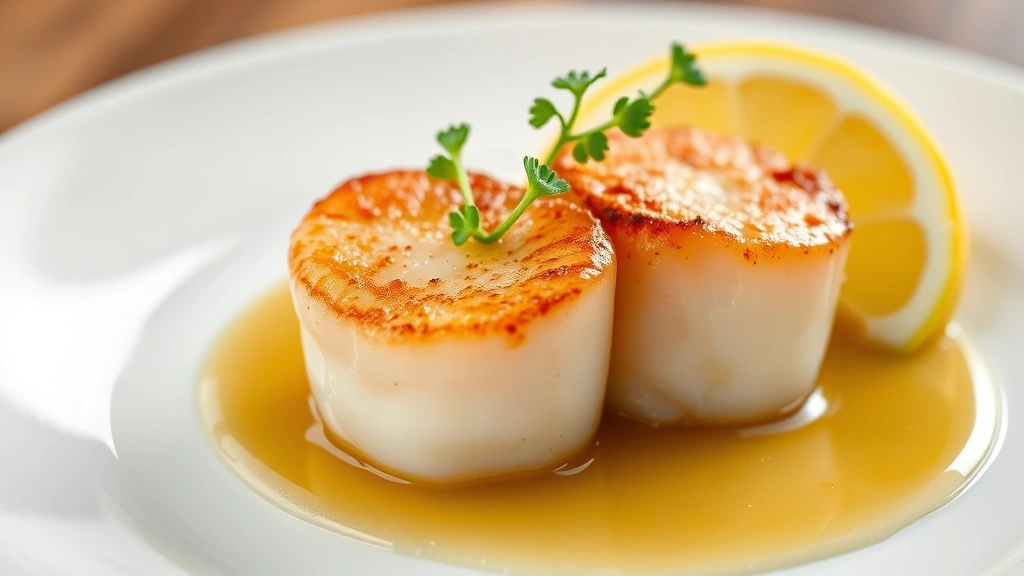
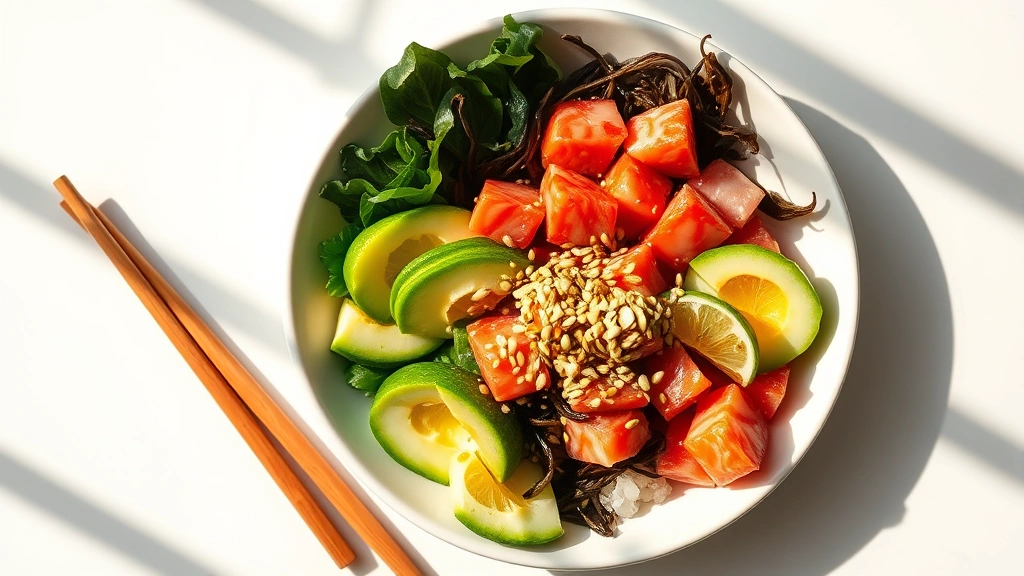
South shore chefs emphasize the sweetness inherent in island produce. Locally-caught mahi-mahi might be seared until the exterior achieves a golden crust, then paired with a mango beurre blanc that captures the fruit’s tropical aromatics without overwhelming the delicate white fish flesh. Ahi preparations showcase the fish’s natural umami richness—sometimes served raw as poke, cured in Hawaiian salt and limu (seaweed), with the briny minerality providing counterpoint to the fish’s fatty richness.
Poipu dining experiences often feature extensive wine lists curated to complement island seafood. The palate progression in these establishments follows classical training: lighter, fresher courses build toward richer preparations, with acidic components strategically placed to refresh and prepare the palate for subsequent courses. Expect sashimi-grade preparations, delicate crudo presentations with aggressive citrus curing, and cooked preparations that honor the fish’s natural flavors.
Many Poipu establishments feature oceanfront settings, but the real luxury is the access to day-boat fish. Chefs here work directly with fishermen, receiving notifications of exceptional catches before the fish even reaches the dock. This direct relationship ensures that your dinner plate features protein caught within the previous twelve hours—a freshness that translates to superior texture, clarity of flavor, and the subtle sweetness that only truly fresh seafood possesses.

West Side Gems Worth the Drive
Waimea and Kekaha represent Kauai’s western frontier, where the landscape shifts to drier terrain and the culinary traditions emphasize beef, root vegetables, and slow-cooked preparations. These restaurantes mexicanos and local establishments offer flavors shaped by the island’s ranching heritage and immigrant communities.
West side cuisine celebrates the intersection of Hawaiian and Mexican traditions. Fresh corn tortillas arrive warm from the kitchen, perfect for wrapping slow-cooked kalua pork infused with cumin and chili. Enchiladas feature local cheese and topped with cilantro-forward sauces that brighten the palate. The flavor profile here leans toward bold spicing, generous use of fresh lime, and the cooling properties of crema and fresh cheese against heat from jalapeños and chipotles.
Local chefs on the west side understand the importance of balance—rich, fatty preparations are countered with bright, acidic components. A plate of carne asada might feature charred beef with its smoky-savory crust alongside pickled onions and jalapeños that provide palatal relief and encourage continued eating. Rice and beans serve as flavor anchors, their mild earthiness providing contrast to more aggressive seasoning.
The sensory experience of west side dining includes the dramatic landscape—dramatic cliffs, canyon vistas, and sunsets that shift from gold to crimson as you dine. This natural drama influences the food itself; chefs here aren’t trying to compete with the landscape but rather complement it with honest, satisfying flavors that fuel the body and warm the spirit.
Farm-to-Table Excellence Across the Island
Kauai’s commitment to sustainable agriculture has created an unprecedented network of farm-to-table establishments where chefs work directly with growers. This relationship fundamentally shapes the dining experience, as menus shift seasonally to reflect what grows best at any given time.
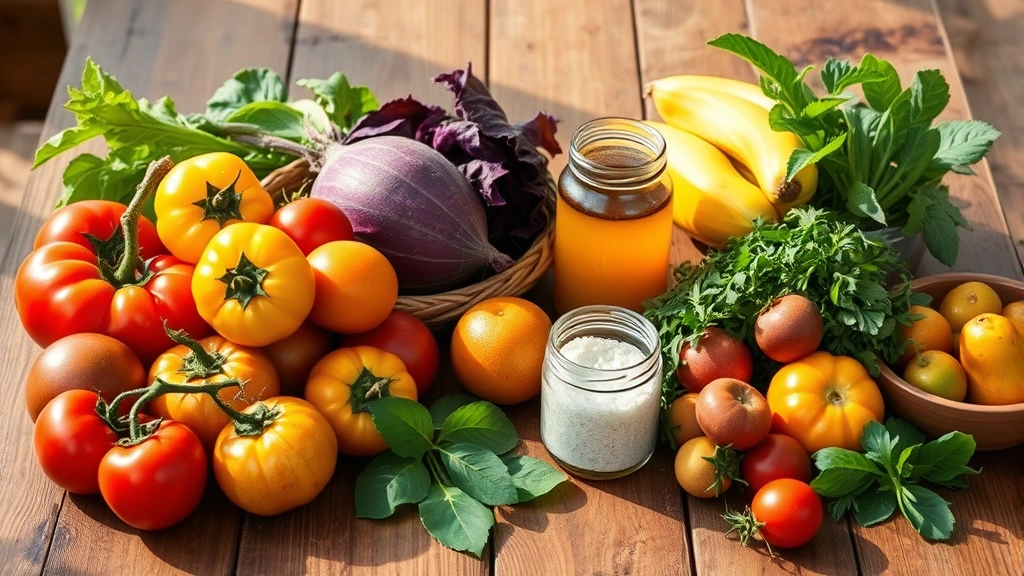
The farm-to-table movement on Kauai emphasizes flavor development over visual perfection. Heirloom tomatoes with irregular shapes deliver concentrated sweetness and complex acidity. Unusual squash varieties—some with names known only to local farmers—offer subtle flavor variations that reward careful tasting. Root vegetables like ube (purple yam) and beet varieties provide earthy sweetness and dramatic color.
Chefs who work directly with island farms develop deep knowledge of how growing conditions affect flavor. They understand that cooler-season lettuce develops more complex bitterness, that drought-stressed pineapple concentrates sugars, and that properly composted soil produces vegetables with superior mineral complexity. This knowledge translates into cooking decisions—lighter preparations for delicate spring vegetables, richer sauces for winter squashes, and careful seasoning that enhances rather than masks the ingredient’s natural profile.
Many farm-to-table restaurants offer tasting menus that showcase five to eight vegetables prepared different ways—raw, roasted, pickled, and cooked into stocks and reductions. This approach trains the palate to recognize subtle flavor variations between preparations and appreciate the vegetable’s multifaceted personality. You might taste raw beet with its bright earthiness and mineral notes, then roasted beet with concentrated sweetness and deeper umami, finally experiencing beet reduction in a sauce where the vegetable’s essence becomes an accent supporting a protein.
Casual Eats and Local Favorites
Not every memorable meal requires reservations months in advance or complex tasting menus. Kauai’s casual dining scene—food trucks, plate lunch establishments, and neighborhood restaurants—offers authentic flavors that reveal island culture as clearly as any fine dining experience.
Plate lunch culture, born from plantation-era workers bringing diverse cuisines to shared meals, represents Kauai’s multicultural identity. A typical plate features a protein (kalua pork, teriyaki chicken, or fried fish), two scoops of rice, and a macaroni salad with its distinctive creamy-sweet profile. The flavor experience is comfort-focused—salty, satisfying, and deeply familiar to generations of island families. The palate progression isn’t complex; instead, it’s about the satisfaction of well-seasoned protein, starchy sides that absorb savory juices, and the cooling contrast of cold macaroni salad against warm rice.
Food trucks scattered across the island offer regional specialties. Acai bowl stands create colorful breakfast experiences with granola providing textural contrast to smooth, tart berry purées. Shave ice establishments layer colored syrups and condensed milk, creating palate-refreshing treats where sweetness is balanced by icy texture and bright fruit flavors. Poke shops offer quick lunch options where soy-marinated ahi or tako (octopus) delivers umami intensity alongside rice and vegetables.
These casual establishments often feature delicious low carb dinner recipes-inspired options, recognizing that health-conscious visitors seek satisfying meals without heavy starches. Grilled fish with steamed vegetables, salads topped with local fish or tofu, and fresh fruit plates provide lighter alternatives without sacrificing flavor complexity.
FAQ
What is the best time to visit Kauai restaurants for the freshest ingredients?
Early morning visits to casual establishments and farmers markets yield the freshest produce and seafood. Many fine dining restaurants source daily-boat fish, making dinner service ideal for maximum freshness. Winter months (November-March) bring cooler-season vegetables and certain fish species, while summer offers peak pineapple, mango, and tropical fruit availability.
Are reservations necessary at Kauai’s top restaurants?
Yes, particularly at dinner service during peak season (December-March). Many fine dining establishments require reservations weeks in advance. However, casual restaurants, food trucks, and lunch service at upscale establishments often accept walk-ins. Calling ahead is always recommended.
What Hawaiian ingredients should I expect on Kauai restaurant menus?
Expect to encounter limu (seaweed), ulu (breadfruit), taro, sweet potato, local fish varieties (ahi, ono, opah), kalua pork, and fresh tropical fruits. Many restaurants incorporate these traditional ingredients into both classic Hawaiian dishes and contemporary preparations.
How do I find authentic local restaurants versus tourist-oriented establishments?
Look for restaurants in residential areas rather than resort zones, establishments with menus in Hawaiian, places where the majority of diners are locals, and restaurants that feature daily specials based on available ingredients. Ask hotel concierges or local residents for recommendations beyond guidebook listings.
What dietary accommodations do Kauai restaurants typically offer?
Most establishments accommodate vegetarian, vegan, and gluten-free requests, particularly farm-to-table and casual restaurants. Fine dining establishments often work with guests to create customized menus. However, calling ahead ensures the kitchen can properly prepare specialized meals.
Is it worth visiting restaurants on the west side of Kauai?
Absolutely. While the drive is longer, west side establishments offer unique culinary traditions, less crowded experiences, and spectacular sunset views. The Mexican-influenced cuisine and ranching heritage create distinct flavor profiles unavailable elsewhere on the island.
What makes Kauai’s seafood superior to other Hawaiian islands?
Kauai’s pristine waters, minimal commercial fishing pressure compared to Oahu, and the prevalence of day-boat operations ensure exceptional freshness. Many chefs work directly with individual fishermen, allowing them to select specific fish and receive them within hours of catching. This direct relationship and rapid processing preserves the fish’s delicate texture and subtle sweetness.