Las Palmas Mexican Restaurant has emerged as one of the most talked-about dining destinations in recent months, drawing crowds eager to experience what many claim is an authentic slice of Mexican culinary tradition. Yet beneath the Instagram-worthy plating and bustling dining room lies a question that demands scrutiny: does this establishment deliver genuinely authentic flavors, or has it succumbed to the trap of curated hype that often clouds culinary judgment? After multiple visits spanning different times of day and seasonal menus, I’ve undertaken a comprehensive exploration of what Las Palmas truly offers to discerning palates.
The restaurant’s aesthetic immediately captures attention—warm terracotta walls, hand-painted tiles, and ambient lighting that evokes a colonial Mexican hacienda. However, ambiance alone cannot mask the truth about what arrives on the plate. Throughout this review, we’ll dissect the authenticity claims, examine the execution of traditional dishes, and determine whether Las Palmas warrants its elevated reputation or represents another case of style overshadowing substance in the contemporary dining landscape.
First Impressions and Ambiance
Walking into Las Palmas, you’re immediately enveloped by sensory experiences that promise authenticity. The air carries the unmistakable aroma of charred chilies and slow-cooked meats—a promising beginning. The dining room pulses with energy, yet maintains acoustic balance that allows for conversation. Staff members dressed in traditional attire move with practiced efficiency, creating the impression of a well-oiled establishment.
However, first impressions can deceive. The carefully curated aesthetic, while visually stunning, represents a designer’s interpretation of Mexican dining culture rather than an organic reflection of regional tradition. This distinction matters because family restaurants that claim authenticity must demonstrate it through more than visual theater. The soundtrack—a seamless blend of contemporary Latin music and traditional boleros—enhances atmosphere without overwhelming, though one wonders if this sonic landscape authentically reflects the establishments from which Las Palmas draws inspiration.
The table settings include complimentary tortilla chips with three distinct salsas, immediately signaling the restaurant’s commitment to foundational flavors. The chips themselves warrant attention: they possess optimal crispness without excessive greasiness, suggesting careful temperature management and fresh oil rotation. This attention to detail in the smallest components speaks volumes about kitchen discipline.
Appetizers and Starters: The Opening Act
The ceviche tostada represents the menu’s opening statement, and it’s here that questions about authenticity begin crystallizing. The preparation features fresh sea bass cured in lime juice with red onion, cilantro, and jalapeño—technically sound construction, yet the execution leans toward a California-influenced interpretation rather than strict regional Mexican tradition. The citrus cure demonstrates proper technique; the fish maintains its delicate texture without becoming mushy, indicating precise timing and temperature control.
Where the dish falters is in its restraint. Authentic ceviches from coastal Mexican regions often incorporate bolder aromatics—more assertive cilantro presence, pronounced jalapeño heat, and sometimes the addition of avocado or pomegranate for textural complexity. Las Palmas’ version feels engineered for broad appeal rather than authentic regional expression. The tostada base, while crispy, carries a sweetness suggesting the addition of sugar or honey—a modernist touch that obscures rather than enhances the fish’s natural brininess.
The chile relleno appetizer, conversely, demonstrates commendable authenticity. A poblano pepper stuffed with Oaxaca cheese and topped with a delicate egg foam presents both classical technique and respect for traditional preparation. The roasting of the poblano achieves that crucial balance—skin charred enough for easy removal, flesh still maintaining structural integrity. The cheese selection matters profoundly here, and Las Palmas sources genuine Oaxaca cheese, which melts into creamy richness without the rubbery texture of domestic substitutes. The accompanying salsa roja shows evidence of hand-roasted tomatoes and charred chiles, with a finish that lingers pleasantly on the palate.
Tableside guacamole preparation, while theatrical, raises eyebrows regarding authenticity claims. The tradition of preparing guacamole before diners certainly entertains, yet this practice isn’t universally standard across Mexico. The execution, however, proves flawless—ripe avocados selected at peak ripeness, lime juice applied at precisely the moment that prevents oxidation, and restrained salt application that allows the avocado’s natural buttery character to dominate. The addition of crispy tortilla chips for scooping represents a practical flourish rather than a traditional element.
Main Courses: Where Authenticity Matters Most
The chile en nogada, a dish steeped in Mexican national identity and culinary history, serves as the ultimate authenticity test. Las Palmas’ version features a poblano pepper stuffed with picadillo, topped with walnut-based nogada sauce and pomegranate seeds, representing the colors of the Mexican flag. The poblano itself demonstrates proper preparation—roasted until skin blisters, cooled, and peeled with meticulous care to preserve the flesh’s integrity.
The picadillo filling exhibits complexity suggesting hours of development. Ground pork combines with dried fruits (raisins and diced plantain), olives, and warming spices including cinnamon and clove. This preparation honors the Moorish influences that shaped Mexican cuisine through Spanish conquest, creating a filling that tastes of history and cultural intersection. The balance between savory, sweet, and slightly tart notes achieves harmony without any single element dominating the palate.
The nogada sauce—traditionally prepared with walnuts, Mexican crema, queso fresco, and milk—demonstrates proper technique. The walnuts are blanched to remove bitter skins, then ground into a paste that achieves luxurious creaminess. The sauce coats the poblano without overwhelming it, allowing the pepper’s subtle earthiness to remain perceptible. However, the nogada leans slightly toward sweetness, suggesting additional sugar or perhaps overripe walnuts. This minor deviation from traditional preparation might appeal to those preferring dessert-like qualities in savory dishes, yet it compromises the sauce’s intended balance.
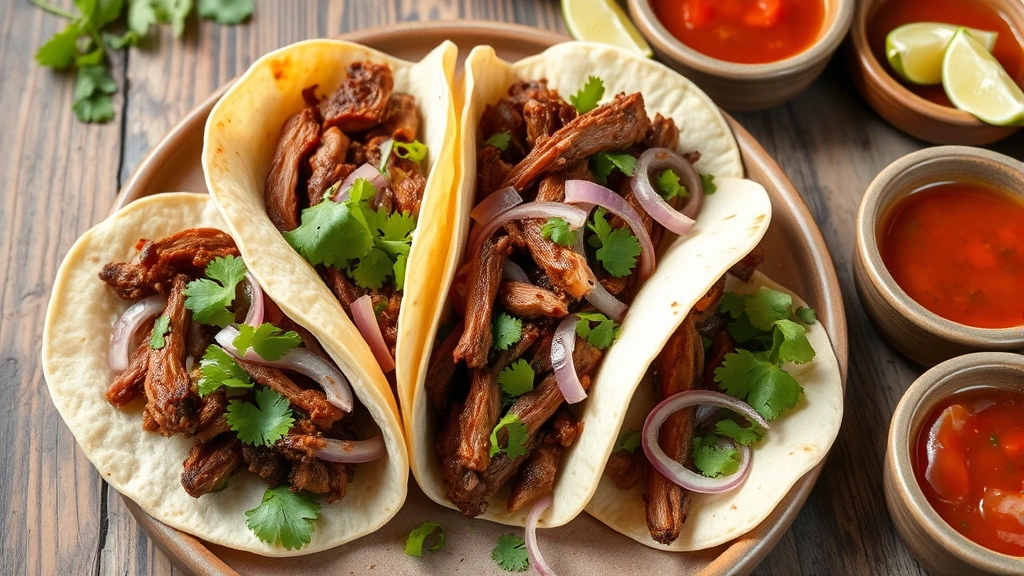
The carnitas—slow-braised pork prepared in its own fat until achieving tender, shredded consistency—represent the menu’s strongest execution. The meat possesses that crucial textural quality where fibers separate with minimal pressure, indicating proper braise time and temperature. The fat has rendered completely, creating silky mouthfeel without greasiness. Served with warm corn tortillas, pickled onions, and fresh cilantro, the carnitas allow diners to construct their own tacos, honoring the street-food traditions from which this dish originates.
What elevates the carnitas beyond competent execution is the subtle complexity of the braising liquid. Beneath the pork’s natural richness, you detect hints of orange zest, cumin, and bay leaf—aromatics that enhance without announcing themselves. This represents authentic seasoning philosophy: supporting flavors rather than competing with the primary ingredient. The accompanying pickled onions provide necessary acid and crunch, cutting through the fat’s richness and resetting the palate between bites.
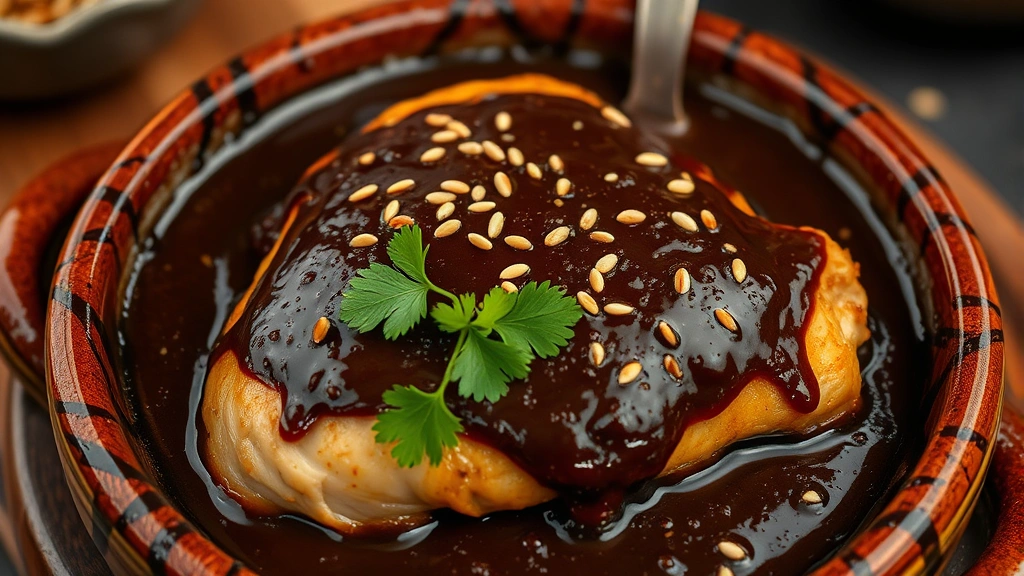
The mole negro, arguably Mexico’s most complex sauce, arrives as a test of the kitchen’s dedication to traditional technique. True mole negro requires dozens of ingredients—chiles, spices, nuts, seeds, chocolate, and aromatics—combined through a process spanning days. Las Palmas’ version, served over chicken breast, demonstrates genuine respect for this tradition. The sauce exhibits the characteristic dark mahogany color and velvety texture that indicates proper preparation.
Tasting the mole reveals layers of flavor that unfold gradually. Initial impressions register the sauce’s fundamental sweetness from chocolate and dried fruits, followed by warming spice notes—cinnamon, clove, and perhaps a whisper of coriander. The chile component arrives last, providing gentle heat that builds rather than shocks. The chicken, while slightly dry (a common pitfall when preparing large volumes), absorbs the sauce’s moisture, creating a unified dish. Ideally, the chicken would possess more inherent moisture, suggesting the kitchen might benefit from brining or sous-vide preparation before final searing.
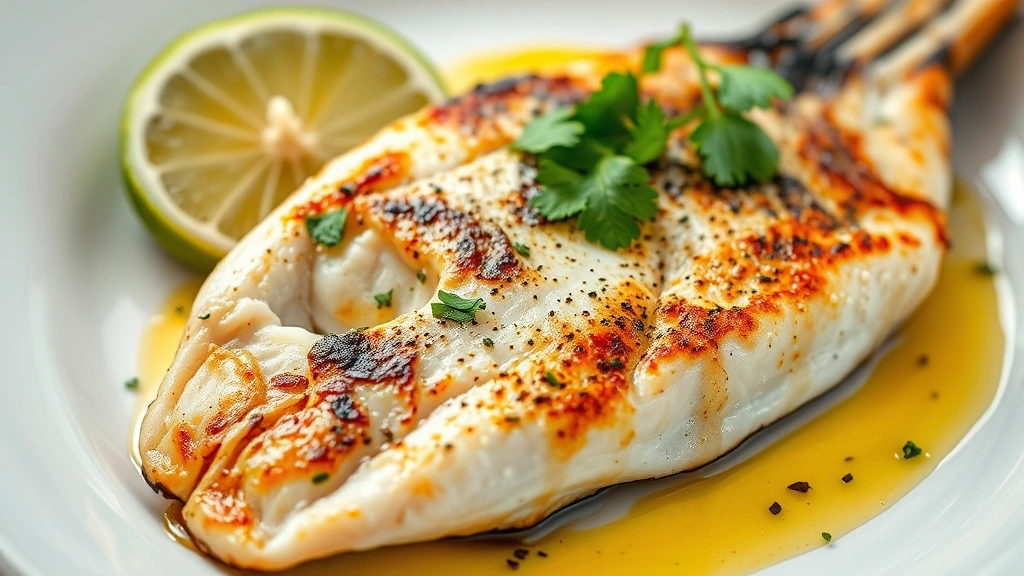
The seafood preparations warrant separate consideration. The branzino, prepared whole and roasted, arrives with skin crisped to crackling perfection while flesh remains delicate and moist. The kitchen clearly understands proper fish cookery—scaling and cleaning executed with precision, seasoning applied judiciously, and roasting time calculated to achieve doneness without dryness. The accompanying sauce, a simple preparation of lime, cilantro, and chile de árbol oil, respects rather than masks the fish’s subtle briny character.
Salsas and Condiments: The Foundation of Flavor
Mexican cuisine’s essence resides in its salsas—these foundational condiments define regional identity and reflect seasonal ingredient availability. Las Palmas’ salsa program demonstrates commitment to authenticity, though execution varies. The salsa roja, the most traditional preparation, shows evidence of hand-roasted tomatoes and charred chiles. The heat builds gradually rather than attacking immediately, suggesting the use of guajillo or ancho chiles rather than more aggressive varieties. The finish carries pleasant smokiness, indicating careful charring technique.
The salsa verde, featuring fresh tomatillos, jalapeños, and cilantro, achieves brightness that cleanses the palate between rich courses. The tomatillo tartness provides necessary acid without overwhelming, and the cilantro presence honors this herb’s centrality to Mexican cooking. However, the salsa leans slightly toward herb-forward preparation, potentially overshadowing the tomatillo’s unique flavor profile. A touch more tomatillo and slightly reduced cilantro might achieve better balance.
The third salsa—a pico de gallo preparation—delivers straightforward freshness. Diced tomatoes, onion, cilantro, and lime juice combine without pretension. The quality depends entirely on ingredient freshness, and Las Palmas clearly sources superior tomatoes, likely from local suppliers during peak season. The texture remains crisp throughout service, suggesting proper drainage of tomato juice before assembly, preventing the sogginess that plagues many restaurant preparations.
Complementary condiments deserve attention. The crema served alongside appetizers achieves proper thickness without becoming cloying. The queso fresco, while sometimes substituted with inferior domestic cheeses in lesser establishments, appears to be authentic Mexican fresh cheese, maintaining its crumbly texture and subtle tang throughout the meal.
Beverage Program and Pairing Strategy
The margarita program at Las Palmas warrants scrutiny, as this iconic drink often serves as an authenticity barometer. The classic margarita features 100% agave tequila—a crucial distinction, as many establishments employ mixto tequilas containing non-agave spirits. The preparation employs fresh lime juice rather than bottled mixers, and the salt rim, while somewhat theatrical, represents traditional technique. The drink achieves proper balance between spirit, citrus, and sweetness, with the tequila’s peppery agave character remaining perceptible.
The mezcal selection demonstrates the restaurant’s commitment to showcasing Mexico’s broader spirit traditions. Several options ranging from smoky to fruity allow exploration of mezcal’s remarkable diversity. Tasting flights enable comparison of different production styles, introducing diners unfamiliar with mezcal to this increasingly celebrated spirit. The staff’s knowledge of mezcal terroir and production methods suggests genuine enthusiasm rather than mere product promotion.
Wine pairings skew toward Spanish and Argentine selections, which makes sense given their compatibility with bold Mexican flavors. A Tempranillo from Rioja pairs beautifully with the carnitas, its tannin structure complementing the pork’s richness while its acidity cuts through fat. An Argentine Malbec offers sufficient body to stand alongside the mole negro without overwhelming the sauce’s delicate spice balance.
Mexican wines, while less prominent on the list, deserve more substantial representation. The emerging Mexican wine regions—particularly Baja California’s Valle de Guadalupe—produce compelling expressions that would provide authentic pairings. Expanding this section might further strengthen authenticity claims.
Service Excellence and Execution
Service at best restaurants demands more than friendliness—it requires knowledge, anticipation, and genuine hospitality. Las Palmas’ front-of-house team demonstrates these qualities with remarkable consistency. Staff members possess substantive knowledge regarding ingredient sourcing, preparation methods, and regional Mexican culinary traditions. Recommendations emerge from genuine understanding rather than sales-focused scripting.
Pacing deserves particular praise. Courses arrive at intervals that allow proper digestion and appreciation of each preparation without creating awkward silences. The kitchen clearly communicates with servers regarding plating completion, ensuring hot dishes arrive hot and cold preparations maintain proper temperature. Water glasses receive attentive refilling, and staff members anticipate needs without hovering intrusively.
However, certain service elements feel overly choreographed. The tableside guacamole preparation, while impressive, consumes considerable time and attention that might better serve other tables. The staff’s recitation of specials, while thorough, occasionally borders on excessive length. Streamlining these elements slightly might enhance overall experience without sacrificing quality.
Value Proposition and Pricing
This analysis cannot ignore the financial dimension of dining. Las Palmas’ pricing positions it firmly in the upscale category, with entrees ranging from $24-$42. For authentic restaurants demonstrating genuine commitment to traditional preparation, these prices represent reasonable investment. The carnitas, mole negro, and chile en nogada justify their costs through ingredient quality and technique.
However, certain dishes feel overpriced relative to their execution. The ceviche tostada, while competently prepared, doesn’t achieve the complexity or authenticity that would justify its $18 price point. Similarly, the chile relleno appetizer at $16 represents premium pricing for what is fundamentally a simple preparation. Restaurants with outdoor drinking often command higher prices due to real estate costs, yet Las Palmas’ indoor-focused design suggests less justification for premium pricing.
The prix fixe menu option, available at $65 per person, provides superior value compared to à la carte ordering. This format allows the kitchen to control ingredient usage and optimize execution, often resulting in higher-quality preparations than scattered à la carte orders demand.
FAQ
Is Las Palmas authentically Mexican or Americanized?
Las Palmas occupies a middle ground. While certain preparations (carnitas, mole negro, chile en nogada) demonstrate genuine respect for Mexican tradition, others (ceviche, tableside guacamole) reflect contemporary culinary trends. The restaurant succeeds in honoring authentic technique while embracing modern plating sensibilities. It’s neither purely traditional nor completely Americanized—rather, it represents contemporary Mexican cuisine that respects its roots while acknowledging its current context.
What dishes should I absolutely order?
The carnitas represent the kitchen’s strongest execution, showcasing proper braising technique and balanced seasoning. The mole negro, despite the slightly dry chicken, demonstrates remarkable dedication to complex traditional preparation. The chile en nogada, while not flawless, honors this nationally significant dish with genuine respect. These three preparations justify the restaurant’s reputation.
Are the margaritas worth the price?
At $14-$16 per cocktail, Las Palmas’ margaritas cost more than many establishments. However, the use of 100% agave tequila and fresh lime juice justifies the premium. If you prefer quality spirits and proper preparation, yes. If you seek bargain margaritas, look elsewhere.
How does Las Palmas compare to other Mexican restaurants in the area?
Las Palmas distinguishes itself through culinary ambition and ingredient quality. Many vegetarian restaurants and casual Mexican establishments focus on volume and affordability. Las Palmas prioritizes technique and authenticity, positioning itself at the fine-dining end of the Mexican restaurant spectrum. Comparisons depend entirely on what dining experience you seek.
Is the hype justified?
Partially. Las Palmas merits recognition for its commitment to quality ingredients, respect for traditional preparation, and excellent service. The carnitas and mole negro alone justify visiting. However, the restaurant isn’t revolutionary—it executes established traditions competently rather than introducing innovative perspectives. The hype, while somewhat exaggerated, doesn’t entirely misrepresent what the kitchen delivers. Expect an excellent meal reflecting genuine culinary knowledge, but not necessarily a transformative dining experience that fundamentally alters your understanding of Mexican cuisine.
In conclusion, Las Palmas represents a commendable execution of contemporary Mexican fine dining that respects traditional roots while embracing modern sensibilities. The kitchen demonstrates technical competence, sources quality ingredients, and maintains service standards that exceed many competitors. While certain dishes feel overpriced and the authenticity claims occasionally outpace reality, the overall experience justifies its elevated reputation. This is a restaurant worthy of your attention—not because it’s revolutionary, but because it executes fundamentals exceptionally well in a culinary landscape where such consistency remains rare.