Top Puerto Vallarta Eateries: A Food Critic’s Guide
Puerto Vallarta stands as one of Mexico’s most captivating culinary destinations, where Pacific breezes carry the aroma of fresh seafood, charred chilies, and simmering moles that have been perfected across generations. This vibrant coastal gem, nestled along the Bay of Banderas, has transformed from a quiet fishing village into a gastronomic haven that rivals the finest dining scenes in North America. The city’s restaurant landscape reflects a beautiful convergence of traditional Mexican flavors, contemporary innovation, and international influences that create an unforgettable tasting experience.
What makes Puerto Vallarta’s food scene particularly exceptional is the unwavering commitment local chefs maintain toward sourcing pristine ingredients from nearby waters and regional farms. Walking through the cobblestone streets of the Zona Romántica or along the malecón, you’ll discover establishments ranging from humble street-side taquerías serving ceviches that burst with citrus brightness to upscale establishments where molecular gastronomy meets ancestral recipes. Whether you’re seeking authentic regional cuisine or innovative fusion concepts, Puerto Vallarta restaurants deliver sensory experiences that linger long after your plate has been cleared.
Seafood Excellence Along the Coast
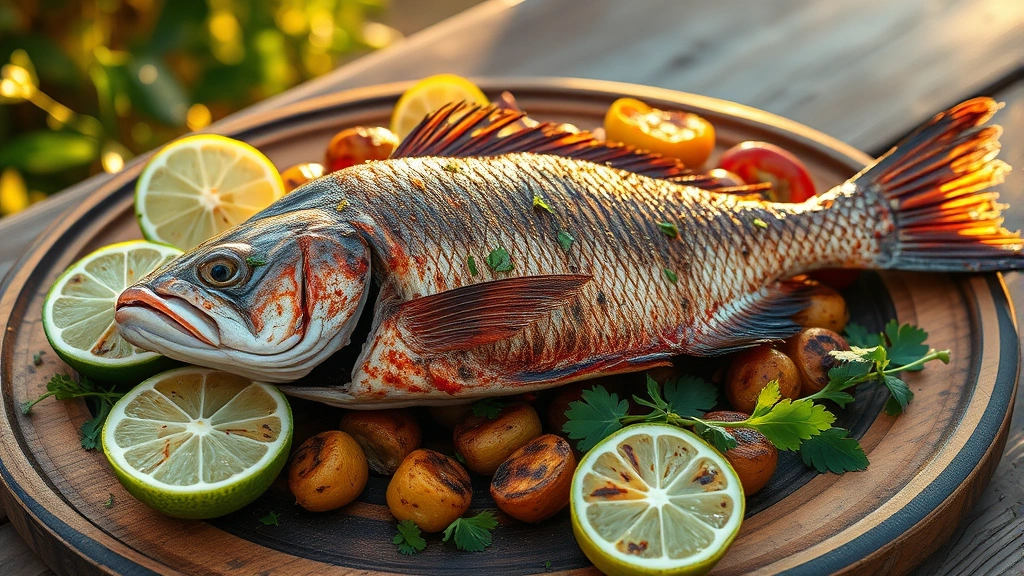
The Pacific waters surrounding Puerto Vallarta yield some of the most spectacular seafood you’ll encounter anywhere in Mexico. The daily catch dictates menus at the finest establishments, ensuring that what arrives at your table was swimming mere hours before. Red snapper, dorado, wahoo, and yellowfin tuna are prepared with techniques that honor both the ingredient and the tradition, whether through simple grilling, delicate ceviche preparations, or complex seafood stews that simmer for hours.
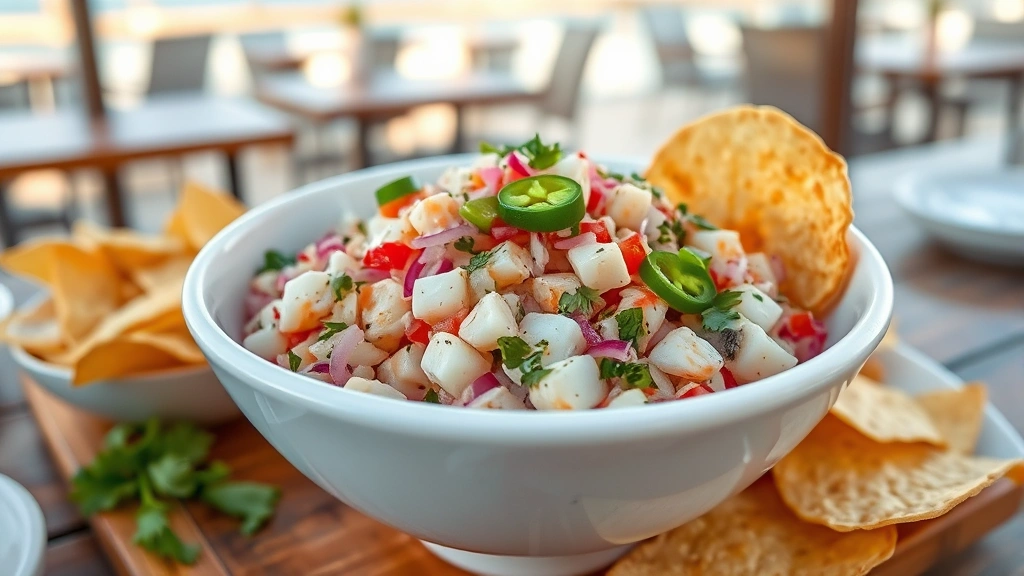
At establishments specializing in fresh catch preparations, you’ll experience the subtle interplay between the natural brininess of the ocean and carefully balanced acidic components. Ceviche, perhaps the most iconic preparation, showcases this balance perfectly—diced fish barely “cooked” by lime juice, combined with diced tomatoes, red onions, cilantro, and jalapeños creates a dish of remarkable freshness. The best versions in Puerto Vallarta feature fish so impeccably fresh that you can detect the mineral notes of the sea in every bite.
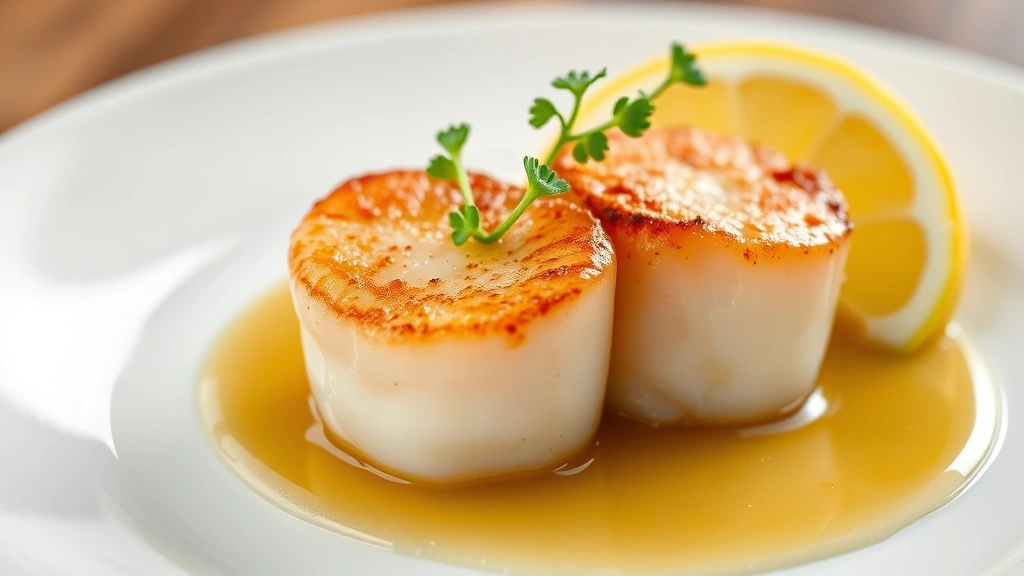
Octopus preparations deserve special mention, as local chefs have mastered the delicate process of tenderizing this challenging protein. Whether served as pulpo a la gallega—with paprika, olive oil, and potatoes—or grilled whole with a squeeze of lime, the texture becomes tender and the subtle flavor profile shines. Shrimp, both large and small, appear in countless preparations: grilled with garlic and butter, tossed into rice dishes, or transformed into delicate ceviches that highlight their natural sweetness.
The regional preparation of fish tacos deserves particular attention. Unlike their California counterparts, Puerto Vallarta fish tacos often feature beer-battered or simply grilled fish topped with fresh cabbage slaw, pico de gallo, and a drizzle of crema. The interplay of crispy and creamy textures, combined with the brightness of fresh lime, creates a handheld experience that’s both sophisticated and utterly satisfying. When visiting similar coastal destinations like Maui, you’ll find comparable seafood excellence, though Puerto Vallarta’s distinct Mexican preparation style sets it apart.
Many establishments feature raw bar selections where you can observe the preparation of your dish. Oysters from nearby farms arrive on beds of ice, their shells glistening with seawater. A simple squeeze of lime and perhaps a dash of hot sauce allows their briny, sweet character to dominate. Clams prepared in white wine with garlic create aromatic broths worth savoring down to the last drop, often mopped up with warm tortillas.
Traditional Mexican Cuisine Done Right
Beyond seafood, Puerto Vallarta’s culinary identity is rooted deeply in traditional Mexican cooking methods and flavor profiles that have been refined across centuries. Mole, that complex sauce combining chilies, spices, chocolate, and numerous other ingredients, reaches remarkable heights in the hands of skilled cooks who’ve inherited recipes from their mothers and grandmothers. Each restaurant’s mole tells a story—some lean toward the chocolate-forward, others toward earthier chile flavors, and the most exceptional examples achieve a perfect balance where no single ingredient overwhelms.
Chiles play a starring role throughout Puerto Vallarta’s traditional cuisine. The poblano, with its mild heat and subtle fruity undertones, becomes a vessel for cheese and spices in chiles rellenos—a dish that requires considerable skill to execute properly. The chile must be roasted until the skin blackens and loosens, then carefully peeled to maintain structural integrity while developing a slightly smoky flavor. When filled with Oaxaca cheese and covered in a delicate egg white foam (the traditional preparation method), then bathed in a light tomato sauce, the result is a dish of remarkable elegance and comfort simultaneously.
Tamales, those masa-wrapped bundles of flavor, appear in countless variations throughout the region. Some contain chicken in mole, others feature cheese and jalapeños, and still others showcase pure masa with just a whisper of lard and broth to create an almost cloud-like texture. The best tamale vendors in Puerto Vallarta reveal their mastery through the perfect ratio of masa to filling—neither overwhelmingly doughy nor skimpy with the good stuff inside.
Pozole, that magnificent hominy stew, becomes a celebration when prepared properly. The broth, simmered for hours with pork or chicken and dried chiles, develops a deep complexity that can’t be rushed. Served in generous bowls and topped with shredded cabbage, radishes, tostadas, and lime, pozole represents pure comfort food elevated to an art form. The contrast between the soft hominy, tender meat, and crispy tostada shards creates textural interest that keeps you engaged with each spoonful.
For those seeking family-friendly dining options, traditional Mexican establishments often provide the most welcoming atmospheres, where multi-generational cooking techniques are evident in every dish.
Contemporary Dining Innovation
While tradition forms the foundation of Puerto Vallarta’s food scene, a new generation of chefs is reimagining Mexican cuisine through contemporary techniques and global influences. These establishments don’t abandon tradition but rather recontextualize it, using modern plating, unexpected ingredient combinations, and refined cooking methods to create dishes that surprise and delight.
Molecular gastronomy has found a home in Puerto Vallarta’s upscale dining establishments, where chefs use spherification, foams, and precise temperature control to transform familiar flavors into unexpected presentations. A simple guacamole might be transformed into a delicate foam that dissolves on the palate, intensifying its avocado essence. Traditional mole might be served as a concentrated reduction alongside carefully cooked proteins that allow its complexity to shine without overwhelming the plate.
Contemporary chefs in Puerto Vallarta are also exploring sustainable ingredient sourcing and seasonal menus that showcase what the region produces at its peak. This approach mirrors the philosophy you’ll find at innovative restaurants in Palm Springs, where respecting ingredients takes precedence over trend-chasing. Local fruits like mango, papaya, and passion fruit appear in both savory and sweet applications, their natural sweetness balanced against acidic, spicy, or umami-forward elements.
The cocktail scene in Puerto Vallarta has evolved considerably, with bartenders crafting drinks that incorporate fresh local ingredients and traditional spirits. Mezcal, that smoky agave spirit, appears in innovative cocktails that play with its inherent complexity. Fresh lime juice, homemade syrups infused with chilies or herbs, and precise technique create beverages that are as thoughtfully constructed as the food itself.
Hidden Gems and Local Favorites
While Puerto Vallarta’s well-known restaurants deserve their reputations, some of the most memorable meals occur at establishments that locals frequent regularly. These hidden gems often occupy modest storefronts in neighborhoods away from the tourist-heavy zones, yet they deliver exceptional food that reflects authentic Puerto Vallarta dining culture.
Small family-run establishments often specialize in single dishes—perhaps the most incredible birria you’ve ever tasted, or fish prepared according to recipes passed down through generations. These restaurants typically feature minimal seating, hand-written menus, and an atmosphere thick with the aroma of simmering broths and charred proteins. The owners and cooks are often the same person, ensuring quality control and personal attention to every plate that leaves the kitchen.
Mercados (markets) throughout Puerto Vallarta house numerous food stalls where you can taste authentic preparations at remarkably low prices. These establishments serve locals during breakfast and lunch, offering everything from chilaquiles (tortilla chips simmered in sauce) to consomé (rich broth) to fresh fruit juices that taste nothing like their processed counterparts. The energy and authenticity of these spaces provide insight into how Puerto Vallarta residents actually eat.
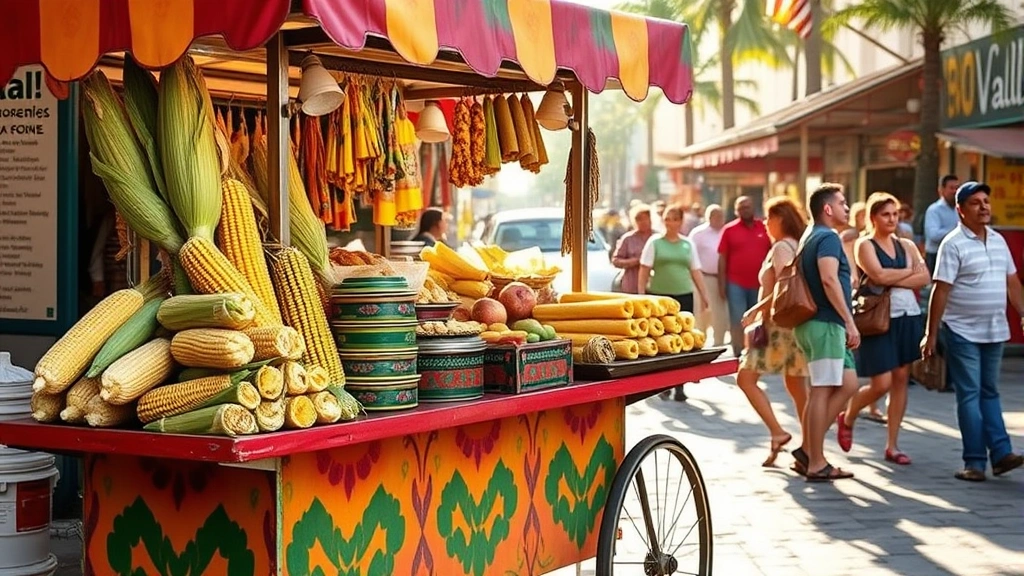
Street food vendors deserve special attention, particularly those who’ve established themselves in the same location for years and built loyal followings. Tacos al pastor, with meat carved from a vertical spit and combined with pineapple, represent a culinary technique brought by Lebanese immigrants and perfectly adapted to Mexican tastes. Elote (grilled corn) vendors transform simple corn into flavor bombs through applications of mayo, cheese, and chili powder. These humble preparations often deliver more memorable flavors than formal restaurant dishes because they focus entirely on ingredient quality and technique.
Similar to how Santa Fe restaurants balance tourist appeal with authentic local flavor, Puerto Vallarta establishments are increasingly celebrating their regional character while welcoming visitors.
Dining with a View
Puerto Vallarta’s stunning geography provides the backdrop for some truly spectacular dining experiences. Restaurants positioned along the malecón offer sunset views that rival any in Mexico, with the Pacific transforming into shades of orange and pink as the sun descends toward the horizon. These establishments understand that ambiance contributes to the overall dining experience, and many have invested in outdoor seating restaurants that maximize connection to the natural environment.
Clifftop establishments perched above the ocean provide dramatic settings where waves crash against rocks far below while you enjoy expertly prepared dishes. The sound of the ocean, the salt-tinged breeze, and the visual spectacle of nature’s power enhance the sensory experience of eating. These locations often feature fresh seafood, as the proximity to the water reinforces the connection between ocean and plate.
Rooftop restaurants in the Zona Romántica offer a different perspective, allowing diners to look out over the red-tiled roofs of colonial architecture while enjoying contemporary cuisine. As evening falls and lights twinkle throughout the city, the atmosphere becomes increasingly romantic and sophisticated. The elevated position provides both literal and figurative distance from the bustling streets below.
Many establishments with exceptional views maintain equally exceptional food quality, refusing to let scenery excuse mediocrity. The best of these restaurants understand that diners come for both the view and the culinary experience, and they deliver on both fronts. The view should enhance the meal, not distract from it.
Where to Find Authentic Street Food
To truly understand Puerto Vallarta’s food culture, you must venture beyond formal restaurants and explore the street food scene that sustains locals and delights adventurous travelers. The most authentic experiences often occur in the early morning hours when vendors set up their carts and prepare breakfast items for workers heading to their jobs.
Breakfast in Puerto Vallarta represents a serious meal, not an afterthought. Chilaquiles—fried tortilla strips simmered in salsa verde or roja until they soften slightly while maintaining some textural integrity—arrive topped with fried eggs, crema, and queso fresco. The dish balances crispy and soft textures, spicy and cooling elements, creating a breakfast that’s deeply satisfying and completely authentic.
Birria, that magnificent stew traditionally made with goat but increasingly prepared with beef, can be encountered at street stalls throughout the city. The meat simmers in a complex sauce of dried chiles, vinegar, and spices until it reaches a texture so tender it shreds with minimal effort. Served as a stew in bowls or as tortas dipped in the rich broth, birria represents comfort food at its finest. The broth alone, sipped from a small cup, contains layers of flavor that reward careful attention.
Tamale vendors push carts through residential neighborhoods in early morning hours, calling out their wares. These vendors often specialize in just one or two varieties, perfecting their craft through years of repetition. The masa should be light and flavorful, never dense or gummy. The filling should be generous but proportionate, creating a balanced bite where the masa and filling work together rather than competing.
Elote and esquites (corn in various preparations) vendors appear throughout the city, particularly in evening hours. Fresh corn is either grilled whole or kernels are removed and tossed with mayo, cheese, and chili powder. The contrast between the sweetness of fresh corn and the savory, slightly spicy toppings creates a flavor profile that’s both simple and remarkably complex.
Ceviche and shrimp cocktails can be purchased from vendors near the beach, where the seafood is prepared fresh throughout the day. These preparations showcase the ingredient in its purest form, with technique and quality ingredients doing all the work. A proper shrimp cocktail should showcase the sweetness of the shrimp, brightened by lime juice and balanced by the umami of tomato sauce and hot sauce.
For dining experiences where you can bring your four-legged companion, many of Puerto Vallarta’s casual establishments and street-side venues welcome pets, making them perfect for exploring the culinary scene without leaving your furry friend behind.
FAQ
What’s the best time of year to visit Puerto Vallarta for food experiences?
While Puerto Vallarta offers excellent food year-round, the shoulder seasons of May-June and September-October provide ideal conditions. The weather is warm but not oppressively hot, and many restaurants have completed their seasonal menu adjustments. Winter months (December-February) bring larger crowds and higher prices, though availability of ingredients remains excellent. Summer offers the most adventurous diners an opportunity to experience the region with fewer tourists and more authentic local dining.
Are reservations necessary at Puerto Vallarta restaurants?
Reservations are highly recommended at upscale establishments and during high season (December-February). Mid-range restaurants can usually accommodate walk-ins, though you may experience wait times during peak dinner hours. Street food vendors and market stalls operate on a first-come, first-served basis and rarely require reservations. Always confirm current reservation policies, as practices may vary seasonally.
What dietary restrictions can Puerto Vallarta restaurants accommodate?
Modern restaurants in Puerto Vallarta increasingly accommodate dietary restrictions including vegetarian, vegan, gluten-free, and allergy-conscious needs. Traditional establishments may have more limited options, though their fundamental cooking techniques—grilling, steaming, and simple preparations—can often be adapted. Always communicate dietary needs clearly and in advance when possible. Learning basic Spanish phrases for dietary restrictions can be helpful when dining at smaller establishments.
How much should I expect to spend on meals in Puerto Vallarta?
Street food and market stalls offer meals for $3-8 USD. Casual restaurants serve dishes for $8-15 USD. Mid-range establishments charge $15-30 USD per entrée. Upscale and fine dining restaurants range from $30-80+ USD per person. Prices vary significantly based on location, with tourist-heavy areas commanding premium pricing compared to local neighborhoods.
What cooking techniques are most important in Puerto Vallarta cuisine?
Slow-simmering (for moles, stews, and broths), grilling (for seafood and meats), charring (for chiles and corn), and raw preparation (for ceviches) form the foundation of Puerto Vallarta cooking. Understanding these techniques helps you appreciate why certain dishes require time and skill. Observing these preparations when possible—whether at market stalls or open kitchens—deepens your understanding and appreciation of the cuisine.
Can I learn to cook Puerto Vallarta cuisine while visiting?
Yes, numerous cooking schools and private chefs offer classes ranging from half-day to multi-day intensive programs. These experiences typically include market visits, ingredient education, and hands-on preparation of multiple dishes. Classes often conclude with a meal featuring your prepared dishes paired with local wines or beverages. This immersive approach provides deeper understanding than dining alone and creates lasting memories.
What local ingredients should I prioritize tasting?
Fresh seafood (particularly red snapper, dorado, and octopus), regional chiles (poblano, serrano, and dried varieties), fresh tropical fruits (mango, papaya, passion fruit), and locally-produced cheese deserve priority. Mezcal and tequila from nearby regions offer insight into Mexican spirit culture. Corn in various preparations showcases the ingredient’s importance across multiple dishes and preparations.