Quince Restaurant: Chef’s Tasting Menu Insights
Stepping into Quince Restaurant feels like entering a culinary sanctuary where precision meets passion, and every plate tells a story of meticulous craftsmanship. This acclaimed establishment has garnered international recognition for its avant-garde approach to fine dining, particularly through its celebrated chef’s tasting menu—a gastronomic journey that challenges conventions and celebrates the marriage of technique, ingredient quality, and artistic vision. Whether you’re a seasoned food enthusiast or an adventurous palate seeking transcendent dining experiences, Quince’s tasting menu represents the pinnacle of contemporary culinary innovation.
The restaurant’s philosophy centers on showcasing the finest seasonal ingredients through courses designed to educate and enchant. Each dish arrives not merely as sustenance but as an edible narrative, inviting diners to contemplate flavor profiles, textural contrasts, and the invisible labor that transforms raw ingredients into works of gastronomic art. The tasting menu format allows Chef to demonstrate mastery across multiple dimensions—from delicate amuse-bouches that awaken the palate to rich, umami-forward compositions that linger long after the final bite.
The Tasting Menu Experience
Quince’s chef’s tasting menu is not a static offering but rather a living document that evolves with the seasons, market availability, and the chef’s creative inspirations. Upon arrival, diners receive a brief overview of what awaits—though specific courses remain delightfully mysterious, building anticipation with each service. This approach respects the diner’s journey, allowing genuine surprise and discovery to enhance the experience rather than predictable expectations.
The menu typically comprises 8-12 courses, though this number fluctuates based on seasonal availability and culinary direction. Each course is carefully calibrated in portion size, ensuring that by the conclusion, diners feel satisfied rather than overwhelmed—a delicate balance that separates exceptional tasting menus from mere excess. The progression follows classical fine dining structure while incorporating modern elements that keep the palate engaged and curious throughout the entire experience.
What distinguishes Quince from other fine Italian dining establishments is the chef’s willingness to deconstruct traditional preparations and reconstruct them through contemporary lenses. A seemingly simple ingredient like squid ink becomes a vehicle for exploring umami, texture, and visual drama. Seasonal vegetables transform into unexpected flavor revelations when paired with unexpected proteins or innovative cooking techniques.
First Impressions and Amuse-Bouches
The opening moments of any tasting menu set the emotional and gustatory tone for everything that follows. Quince understands this principle intimately, beginning the experience with a series of thoughtfully composed amuse-bouches that awaken dormant taste receptors and prime the palate for the journey ahead. These initial bites are never afterthoughts but rather carefully constructed flavor statements that introduce the chef’s sensibilities.
The first amuse typically arrives as diners settle into their seats, often featuring a single, perfectly ripe ingredient presented with minimal intervention. Perhaps it’s a delicate piece of uni (sea urchin) perched atop a crispy tuile, the briny ocean essence balanced against subtle sweetness and textural contrast. The umami-rich uni melts across the tongue, its creamy consistency coating the palate while introducing the sophisticated flavors that will echo throughout subsequent courses.
Subsequent amuses build complexity incrementally. A second bite might introduce acidity—perhaps a cured fish accompanied by citrus foam that cuts through richness and cleanses the palate. The third amuse could explore temperature contrast, presenting a warm element alongside something chilled, creating sensory intrigue that keeps the diner’s attention locked onto the plate. These opening moves are strategic orchestration, designed to establish trust in the chef’s vision while demonstrating technical proficiency across multiple flavor and texture categories.
The beauty of the amuse-bouche progression lies in its economy of expression. With no more than a few bites per course, the chef communicates volumes about philosophy, technique, and ingredient respect. There’s no wasted motion, no unnecessary garnish—everything present serves a purpose within the larger narrative.
Mid-Course Transitions and Flavor Arcs
Following the initial amuses, Quince transitions into more substantial courses that establish the primary flavor arc of the meal. These middle courses function as the narrative spine of the tasting menu, exploring complementary and contrasting flavor profiles while maintaining momentum and engagement. This is where the chef’s technical mastery becomes undeniable, as each course must simultaneously stand alone as a complete thought while contributing to the larger composition.
A typical mid-course progression might feature preparations that explore classical flavor combinations through contemporary technique. Imagine a course featuring delicate white fish—perhaps halibut or turbot—prepared with such precision that it achieves an ethereal, almost custard-like consistency while maintaining its essential character. The fish arrives with a supporting cast of vegetables that have been treated with equal respect: perhaps a silky puree of a single vegetable, crispy chips of the same ingredient for textural contrast, and a light sauce that enhances rather than masks the fish’s inherent sweetness and brine.
The progression of these middle courses typically follows a logical flavor journey, building intensity gradually while introducing diverse ingredients and techniques. One course might emphasize lightness and delicacy, the next could shift toward richer, more umami-forward compositions. This intentional variation prevents palate fatigue and maintains diner interest across the extended meal. The chef functions as both musician and composer, understanding not just individual notes but how those notes create harmony within the broader symphony.
Temperature contrasts appear throughout these courses as well—hot broths served alongside chilled elements, warm proteins with cold accompaniments. These temperature shifts serve practical purposes, resetting the palate between courses while adding another sensory dimension to each plate.
The Main Event Courses
As the tasting menu progresses toward its conclusion, Quince typically presents the most substantial, visually impressive courses—the main events that showcase premium proteins and the chef’s most elaborate preparations. These courses represent the climax of the culinary narrative, where all previously established techniques, flavor profiles, and artistic sensibilities converge in singular dishes of remarkable sophistication.
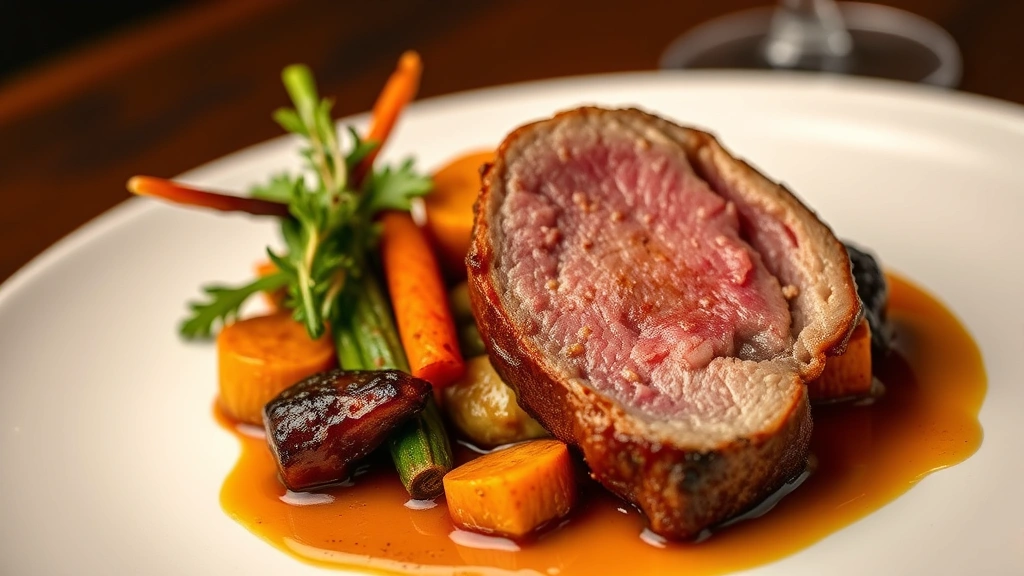
A signature main course at Quince might feature a premium protein—perhaps dry-aged duck breast, perfectly seared to achieve a contrast between crispy, rendered skin and rose-pink meat within. This duck arrives accompanied by a sauce that has simmered for hours, extracting and concentrating every nuance of flavor from bones, aromatics, and wine. The plate might include roasted root vegetables that have been treated with the same precision as the protein itself, perhaps finished with brown butter and herbs to amplify their natural earthiness and sweetness.
What separates masterful execution from merely competent cooking is the attention to supporting elements. The vegetables aren’t afterthoughts but rather thoughtfully chosen components that enhance and complement the primary protein. A bitter green provides contrast to richness, a creamy element adds textural variety, an acidic component cuts through fat and refreshes the palate. Every element on the plate earns its position through contribution to the overall composition.
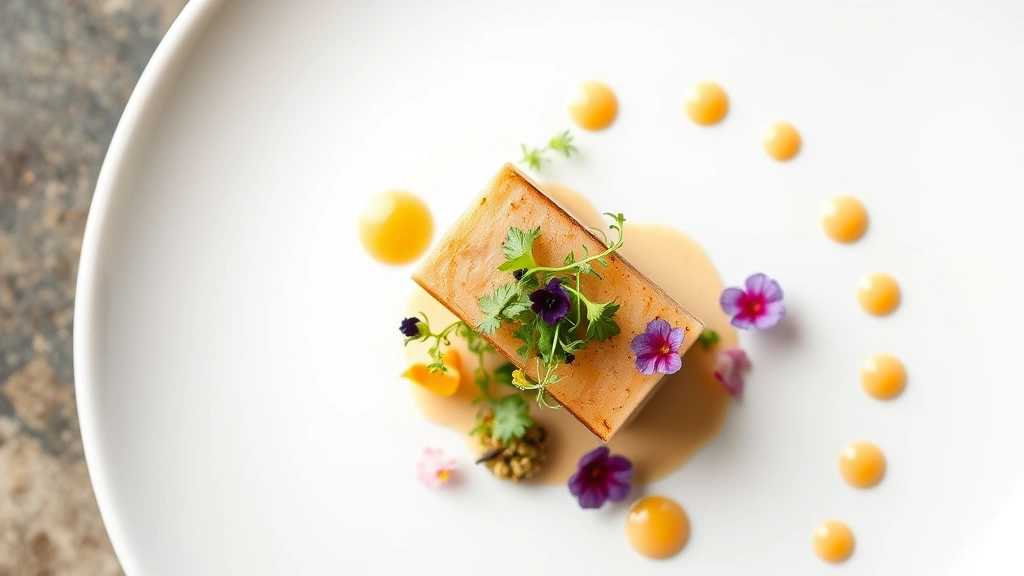
The plating of these main courses often borders on architectural—elegant without being fussy, visually striking without sacrificing practicality. The chef understands that we eat first with our eyes, and the visual presentation of a course sets expectations for the flavors that follow. However, the best plating never prioritizes appearance over taste, and Quince maintains this crucial balance.
For those interested in exploring restaurants with live music ambiance, Quince offers an experience where culinary artistry takes center stage, though some locations feature subtle musical accompaniment that enhances rather than distracts from the dining experience.
Dessert and Sweet Conclusions
The transition from savory to sweet courses marks a significant psychological and gustatory shift within the tasting menu. Quince approaches dessert not as an obligatory finale but as an essential final chapter that brings closure to the gastronomic narrative while offering new flavor explorations. The best dessert courses at fine dining establishments demonstrate that sweet preparations demand equal technical precision and creative vision as savory courses.
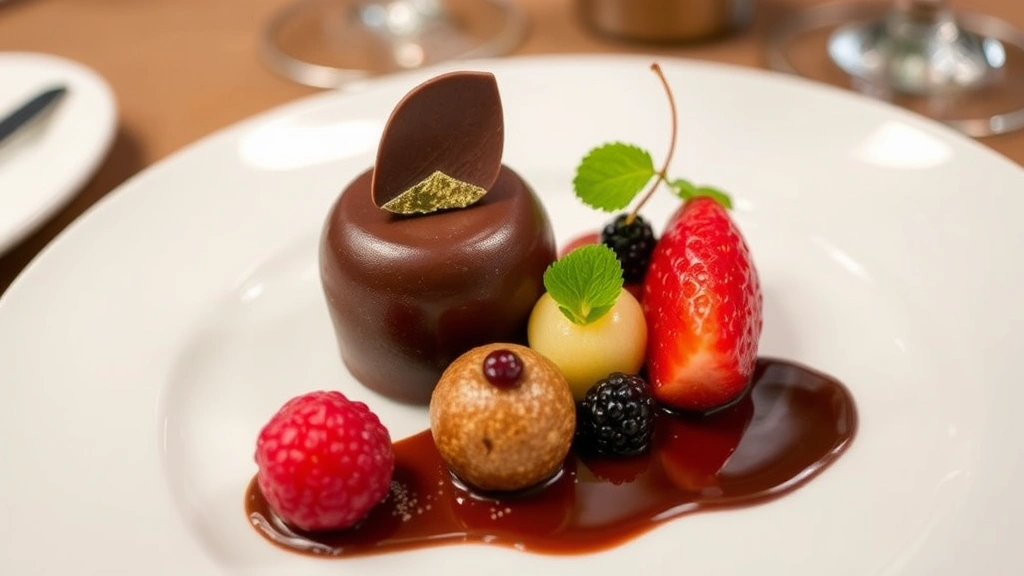
At Quince, desserts often feature seasonal fruits treated with the same respect as premium proteins in earlier courses. A single stone fruit—perhaps a perfectly ripe peach—might appear multiple ways within a single course: as a delicate sorbet that cleanses the palate, as a compressed element that concentrates flavor, as a crispy chip that provides textural contrast. This approach showcases ingredient quality while demonstrating technical versatility.
Chocolate courses, when presented, explore the ingredient’s complexity rather than relying on sweetness alone. A dark chocolate preparation might feature fermented elements, slight bitterness, and umami notes that challenge the diner’s assumptions about what chocolate can express. These courses often include unexpected flavor pairings—perhaps a savory element like miso or a smoky component that adds intrigue to the chocolate’s natural depth.
The final courses often become progressively lighter, moving toward palate cleansers and petit fours that ease the transition from the structured dining experience back to normal life. A single perfect macaroon, a delicate sugar work, a frozen confection—these final bites often linger longest in memory, as they represent the chef’s last statement to the diner before the meal concludes.
This careful attention to conclusion echoes principles found at family-friendly dining establishments, where the final impression profoundly influences how diners remember and discuss their entire experience.
Beverage Pairing Philosophy
The beverage pairing program at Quince represents a sophisticated counterpoint to the food, with sommeliers and beverage directors selecting wines, spirits, and non-alcoholic options that enhance rather than overshadow the carefully constructed courses. The pairing strategy differs significantly from the outdated approach of simply matching wine colors to dish components; instead, modern pairing philosophy considers complementary flavors, textural relationships, and how beverages can introduce new dimensions to the dining experience.
Wine pairings at Quince often feature smaller pours of premium selections, allowing diners to experience diverse expressions without excessive alcohol consumption. The sommelier team typically chooses wines that either echo flavors present in dishes or introduce contrasting elements that create new flavor combinations on the palate. A course featuring umami-rich preparations might pair with a wine that offers mineral, slightly austere characteristics that cut through richness. A delicate fish course could pair with a wine offering subtle fruit notes that complement without overwhelming.
For those preferring non-alcoholic options, Quince offers thoughtfully curated beverage pairings featuring house-made sodas, fermented beverages, and sophisticated juice combinations. These non-alcoholic programs deserve recognition as legitimate alternatives rather than compromises, often demonstrating creativity equal to the wine pairings. A sparkling fermented ginger beverage might pair with a course featuring similar spice elements, creating harmony through flavor echo rather than contrast.
The beverage program also educates diners about flavor science and pairing principles, with servers offering brief explanations of why specific beverages accompany particular courses. This educational component transforms the pairing experience from passive consumption to active learning, deepening appreciation for both the food and beverages while expanding the diner’s understanding of how flavors interact.
The Service and Ambiance
Exceptional food requires exceptional service to achieve its full impact, and Quince understands that the dining experience encompasses far more than the food itself. The service style strikes a careful balance between attentiveness and unobtrusiveness—staff members appear precisely when needed while remaining invisible during moments of contemplation and enjoyment.
The dining room design at Quince typically reflects contemporary minimalism, with clean lines, sophisticated color palettes, and carefully considered lighting that highlights the plates without creating harsh shadows or distraction. The ambiance feels refined without being stuffy, welcoming without being casual. Tables enjoy appropriate spacing, ensuring conversations remain private while maintaining the sense of community that comes from sharing a special dining experience with others pursuing culinary excellence.
Staff training at this caliber ensures that every interaction contributes positively to the experience. Servers possess genuine knowledge about ingredients, preparations, and the philosophy behind each course. They can discuss the provenance of specific components, explain cooking techniques without condescension, and respond to dietary restrictions or preferences with creative solutions rather than dismissive attitudes. The sommelier team similarly demonstrates expertise that feels approachable rather than intimidating, welcoming questions and offering guidance without elitism.
For those exploring outdoor dining options or seeking diverse culinary experiences, the controlled environment of Quince’s dining room ensures consistent excellence regardless of external factors, allowing complete focus on the culinary artistry.
The pacing of the meal deserves particular attention—courses arrive at intervals that allow proper digestion and contemplation between bites. There’s no rushing, no sense that the kitchen is moving diners through the experience assembly-line style. Instead, the rhythm feels natural and respectful of the diner’s need to fully process and appreciate each course before the next arrives.
FAQ
How long does the tasting menu experience typically last?
A complete tasting menu at Quince generally requires 2.5 to 3.5 hours, depending on the number of courses and the pace at which diners wish to progress. This extended duration allows proper digestion between courses, meaningful pauses for reflection, and unhurried appreciation of each element. The experience is designed as a leisurely journey rather than a rushed meal, so timing expectations should reflect this philosophy.
Are dietary restrictions accommodated in the tasting menu?
Absolutely. Quince takes dietary restrictions and preferences seriously, offering alternative courses for vegetarian, vegan, gluten-free, and allergen-conscious diners. The kitchen’s creativity shines when crafting these alternatives, ensuring that restricted diners experience courses of equal sophistication and interest as their peers. Advance notice allows the kitchen adequate time to plan thoughtful substitutions rather than last-minute accommodations.
What should I wear to dine at Quince?
Quince maintains fine dining dress codes, typically requesting business casual or formal attire. Men should wear collared shirts and dress pants or suits, while women should opt for dresses, dress pants with blouses, or skirts. Jackets are often encouraged though sometimes not strictly required. Specific dress code policies may vary by location, so confirming expectations when reserving ensures a comfortable experience.
Can I request specific ingredients or avoid certain foods?
Yes, though the tasting menu format offers limited flexibility compared to à la carte dining. The kitchen prefers advance notice of preferences and restrictions, allowing creative alternative course development rather than simple substitutions. Communicating preferences during reservation provides optimal results, enabling the chef to craft alternatives that maintain the artistic vision while respecting individual requirements.
How far in advance should I book a reservation?
Quince typically requires reservations several weeks in advance, with peak seasons sometimes requiring a month or more of advance booking. Popular dates and times book quickly, so early planning ensures availability. Some establishments maintain cancellation policies due to the specialized nature of tasting menu preparation, so understanding these terms before confirming is important.
Is there a difference between the regular and chef’s tasting menu?
The chef’s tasting menu represents the chef’s complete vision and typically offers more courses, premium ingredient selections, and greater flexibility for creative expression than any regular tasting menu option. This version best showcases the kitchen’s capabilities and philosophy, making it the recommended choice for those seeking the full Quince experience.
Can I pair beverages with my meal?
Yes, Quince offers comprehensive beverage pairing programs including wine selections, non-alcoholic pairings, and spirit-based options. Sommeliers customize pairings based on personal preferences, dietary restrictions, and individual flavor preferences. The pairing program enhances the culinary experience significantly, though diners may also select beverages independently or decline pairings entirely.
External Resources: Learn more about contemporary culinary techniques from the International Association of Culinary Professionals, explore flavor science research at Monell Chemical Senses Center, discover fine dining standards through Michelin Guide official ratings, understand chef training at the Auguste Escoffier School of Culinary Arts, and read expert tasting notes from Eater’s professional food critics.