Top Seaside Restaurants: Chef Recommendations for Coastal Dining Excellence
The allure of seaside dining transcends mere sustenance—it represents a symphony of sensory experiences where ocean breezes, crashing waves, and meticulously crafted cuisine converge into unforgettable moments. Leading chefs across the globe have long recognized that proximity to the sea offers unparalleled access to the finest seafood, the freshest produce, and an ambiance that no landlocked establishment can replicate. This comprehensive guide explores the most exceptional seaside restaurants endorsed by culinary professionals, offering insights into what makes these establishments destinations unto themselves.
When acclaimed chefs discuss their favorite seaside restaurants, they consistently emphasize the importance of ingredient sourcing, preparation techniques, and the restaurant’s relationship with local fisheries. The best coastal dining experiences prioritize sustainability, honor traditional preparation methods, and innovate thoughtfully with contemporary presentations. Whether you’re planning a romantic escape, a family gathering, or a gastronomic pilgrimage, understanding chef recommendations provides invaluable guidance for selecting restaurants that deliver excellence beyond expectations.
What Makes Seaside Restaurants Exceptional
Exceptional seaside restaurants distinguish themselves through several critical factors that elevate them beyond ordinary establishments. The foundation begins with unwavering commitment to ingredient quality. Chefs who operate successful seaside restaurants maintain direct relationships with local fishermen, ensuring that daily catches arrive at their kitchens within hours of being pulled from the water. This proximity transforms the dining experience—diners taste the authentic flavors of the ocean, untainted by extended transportation or improper storage.
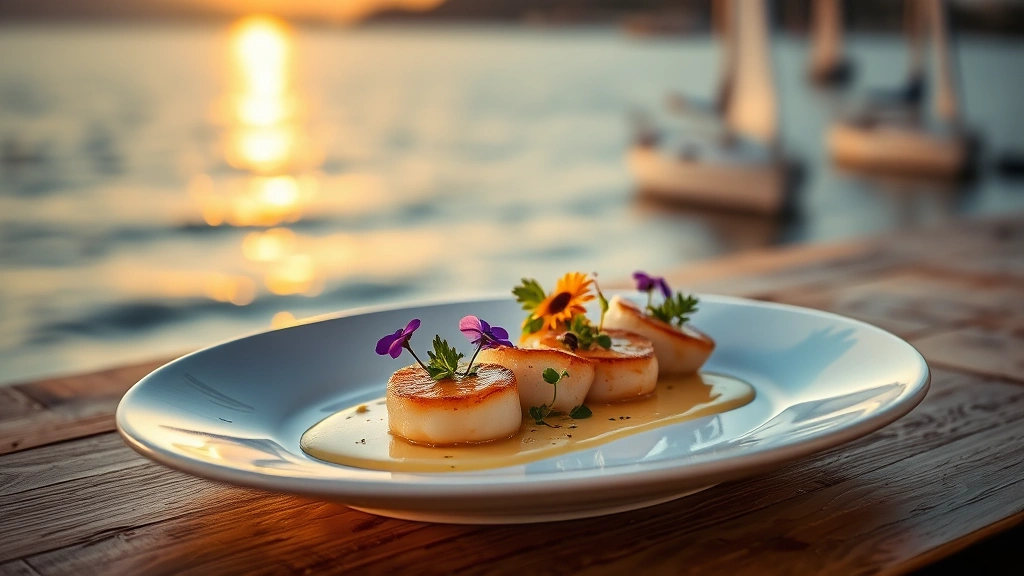
The sensory environment of seaside restaurants contributes immeasurably to the overall experience. The rhythmic sound of waves, the salt-laden air, the play of natural light across water surfaces, and the feeling of ocean breezes against your skin create a multisensory backdrop that heightens appreciation for every bite. Chefs recognize this environmental advantage and design menus that complement rather than compete with the surroundings. Lighter preparations, bright acidity, and delicate seasoning allow the natural flavors of pristine seafood to shine.
Sustainability represents another cornerstone of exemplary seaside restaurants. Progressive chefs advocate for responsible fishing practices, seasonal menus that reflect what’s currently available, and support for local fishing communities. This commitment ensures that future generations can enjoy the same quality ingredients and natural beauty that define today’s coastal dining scene. Many award-winning seaside restaurants now prominently feature information about their suppliers, fishing methods, and conservation efforts.
Chef-Endorsed Coastal Dining Destinations
Renowned culinary figures have long championed specific seaside restaurants that exemplify their philosophies about food, sustainability, and hospitality. These establishments have earned recognition not through marketing campaigns but through consistent delivery of exceptional experiences. When visiting a chef-recommended seaside restaurant, you’re benefiting from years of accumulated knowledge about which kitchens maintain the highest standards.
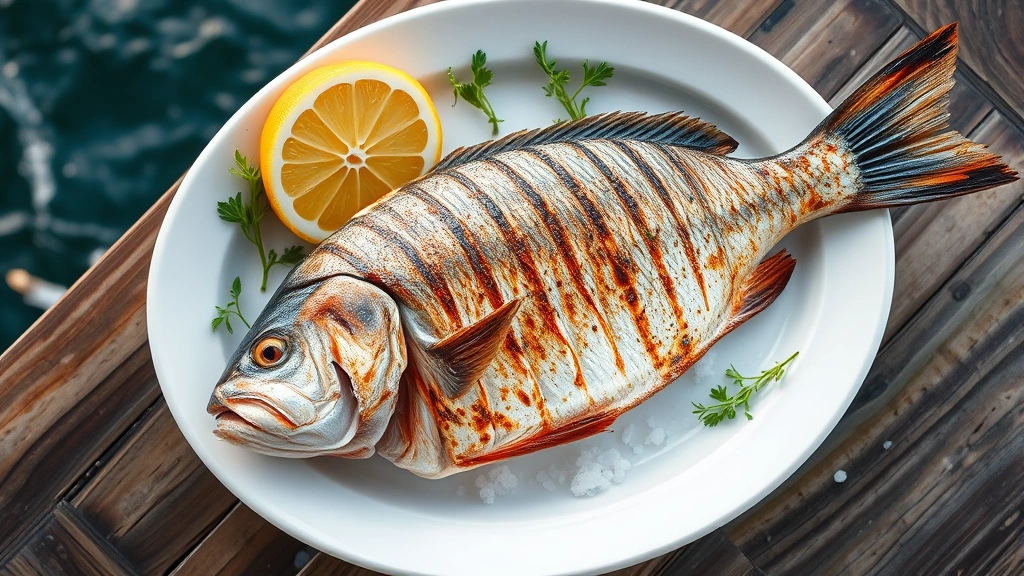
Mediterranean coastlines host some of the world’s most celebrated seaside restaurants, where centuries of culinary tradition meet contemporary techniques. Establishments in coastal Spain, Italy, Greece, and Portugal showcase how regional ingredients and time-honored preparations create dishes of remarkable depth. The simple act of grilling fresh fish with olive oil, lemon, and herbs—techniques passed down through generations—demonstrates that excellence doesn’t require complexity.
North American seaside restaurants have earned international acclaim through innovative approaches to local seafood. Chefs in regions like New England, the Pacific Northwest, and California’s coast have developed distinctive styles that respect tradition while embracing modern culinary science. These establishments often feature restaurants open late near me options for those seeking extended dining hours, accommodating various schedules and preferences.
Asian seaside restaurants offer entirely different flavor dimensions, emphasizing umami, balance, and the interplay between seafood and aromatic ingredients. Japanese coastal establishments showcase pristine fish prepared with minimalist elegance, while Thai and Vietnamese seaside restaurants incorporate bold spices, fresh herbs, and complex sauce work that elevates seafood to new heights.
Seafood Excellence and Sourcing Practices
The foundation of every exceptional seaside restaurant rests upon sourcing practices that prioritize quality, freshness, and sustainability. Chefs who have earned reputations for excellence maintain meticulous standards for every ingredient that enters their kitchens. Understanding these sourcing philosophies provides insight into why certain seaside restaurants consistently deliver superior experiences.
Direct relationships with fishermen represent the gold standard in sourcing. When chefs personally know the individuals catching their seafood, they can specify desired species, request particular sizes, understand fishing methods, and ensure ethical practices. This direct connection often means that divers and fishermen harvest specific items to order, guaranteeing optimal freshness and quality. Many celebrated seaside restaurants feature daily menus that reflect what their fishing partners have brought in that morning.
Seasonal awareness fundamentally shapes menus at outstanding seaside restaurants. Rather than offering identical dishes year-round, progressive establishments celebrate seasonal availability. Spring might feature delicate white fish and tender squid, summer brings robust tuna and flavorful sardines, autumn offers lobster and sea urchin, while winter showcases hearty whitefish and shellfish. This seasonal approach ensures peak flavor while supporting sustainable fishing practices.
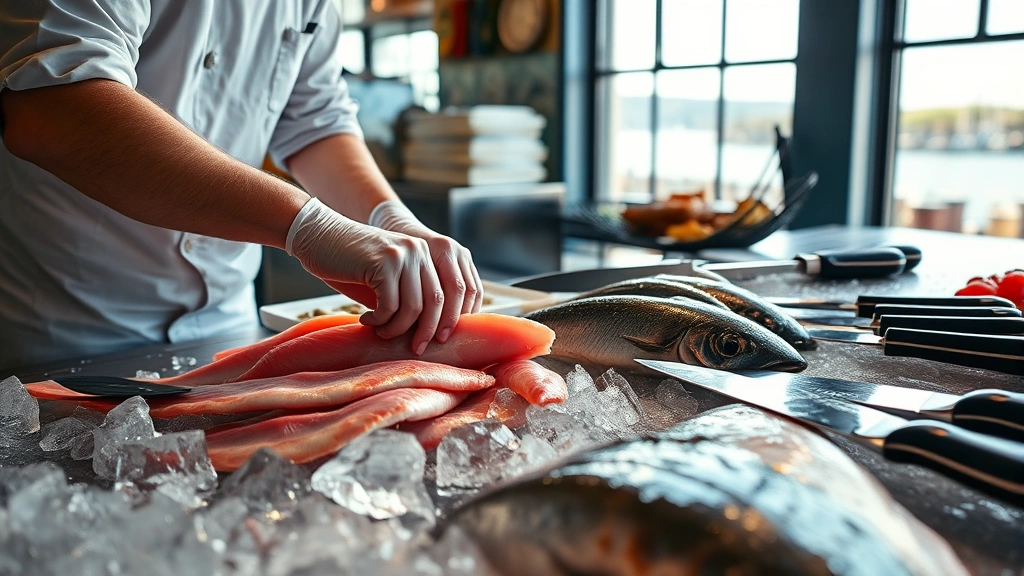
Cold chain management separates exceptional seaside restaurants from mediocre ones. From the moment fish leaves the water, temperature control becomes paramount. Superior establishments invest in specialized refrigeration, proper ice management, and rapid preparation protocols. Chefs can immediately assess fish quality through visual inspection—clear eyes, bright coloring, firm flesh, and fresh ocean aroma indicate premium specimens handled with care.
Transparency about sourcing builds trust between restaurants and diners. Many acclaimed seaside restaurants now display information about their suppliers, including photographs and stories about the fishing operations. This narrative element enriches the dining experience, allowing guests to understand the journey their food has undertaken and appreciate the expertise involved in bringing it to their table.
Ambiance and Culinary Experience
The physical environment of seaside restaurants significantly influences how diners perceive and enjoy their meals. Successful establishments carefully design their spaces to enhance rather than distract from the culinary experience. The interplay between natural elements, architectural choices, and service standards creates the complete sensory experience.
Views of the ocean represent the most obvious environmental advantage of seaside restaurants, yet many establishments underutilize this asset. The finest seaside restaurants position seating to maximize visual connection with the water while protecting diners from excessive wind and salt spray. Large windows frame the seascape like living artwork, changing throughout the day as light conditions shift and weather patterns evolve.
Natural lighting in seaside restaurants requires thoughtful management. During lunch service, abundant sunlight enhances the perception of freshness and vitality. As evening approaches, strategic lighting creates intimate atmospheres while maintaining visibility for appreciating food presentation. The best seaside restaurants employ lighting design that complements rather than competes with natural illumination.
Acoustic considerations often distinguish exceptional seaside restaurants from ordinary ones. While ocean sounds provide pleasant background ambiance, excessive noise from waves, wind, or nearby attractions can impede conversation. Thoughtful design incorporates sound-dampening materials, strategic placement of conversation-friendly seating, and service staff trained to speak at appropriate volumes.
Temperature control represents a practical but essential consideration in seaside restaurants. Coastal breezes that feel refreshing during aperitifs can become uncomfortable during extended meals. Superior establishments employ heating systems, wind barriers, and strategic placement of outdoor heaters to maintain comfort without creating stuffy environments.
Regional Specialties and Flavor Profiles
Different coastal regions have developed distinctive culinary traditions that reflect local seafood, climate, and cultural influences. Understanding these regional specialties enhances appreciation for what various seaside restaurants offer.
Mediterranean Coastal Cuisine: Seaside restaurants throughout the Mediterranean emphasize simplicity, quality ingredients, and time-honored techniques. Grilled octopus with lemon and olive oil, whole roasted fish with herbs, and pasta with fresh seafood represent iconic preparations. The flavor profile emphasizes brightness from citrus, richness from olive oil, and aromatic complexity from garlic, oregano, and rosemary. These establishments often feature family friendly restaurants near me options, welcoming multi-generational dining experiences.
Atlantic and North Sea Traditions: Seaside restaurants in regions like Scandinavia, Britain, and France have developed sophisticated approaches to cold-water seafood. Preparations often feature rich sauces, butter-based preparations, and careful attention to texture contrasts. Smoked fish, cured preparations, and traditional recipes passed through generations define these establishments’ character.
Asian Coastal Excellence: Seaside restaurants throughout Asia showcase seafood’s versatility through diverse flavor profiles. Japanese establishments emphasize pristine fish with minimal intervention, allowing natural flavors to dominate. Thai and Vietnamese seaside restaurants incorporate bold spices, fresh herbs like cilantro and mint, and complex sauce work balancing sweet, sour, salty, and spicy elements. Chinese coastal restaurants feature wok techniques that impart smoky depth while maintaining ingredient integrity.
South American Perspectives: Seaside restaurants in Peru, Chile, and Brazil have gained international recognition for innovative approaches to seafood. Ceviche represents perhaps the most famous preparation—raw fish cured in citrus juice, creating delicate texture and bright flavor. These establishments often combine traditional techniques with contemporary presentations, creating exciting dining experiences.
Planning Your Seaside Restaurant Visit
Maximizing your experience at celebrated seaside restaurants requires thoughtful planning and understanding of what these establishments offer. Consider these factors when selecting and preparing for your visit:
Timing and Seasonality: The best time to visit seaside restaurants depends on your location and preferences. Peak season typically offers the widest menu variety but also brings crowds and higher prices. Shoulder seasons provide excellent value and still-strong ingredient availability. Winter visits to seaside restaurants in milder climates can offer serene atmospheres and unique seasonal specialties. If planning holiday dining, research restaurants open on Thanksgiving near me or what restaurants are open on Thanksgiving options well in advance.
Reservation Strategies: Most celebrated seaside restaurants require reservations, sometimes weeks or months in advance. Booking early ensures optimal seating and allows the kitchen to prepare appropriately. When making reservations, mention any dietary preferences or restrictions—quality establishments take pride in accommodating special needs without compromising their culinary vision.
Menu Exploration: Before visiting, familiarize yourself with typical offerings at your chosen seaside restaurant. Understanding the chef’s philosophy, signature dishes, and sourcing practices enriches your experience. Many establishments publish daily menus online, reflecting what their suppliers have provided that morning.
Dietary Considerations: If you follow specific dietary practices, research whether your chosen seaside restaurant can accommodate your needs. Many establishments now cater to vegan restaurant near me preferences, offering creative vegetable-forward preparations alongside their seafood focus. Planning ahead ensures you can fully enjoy your experience.
Special Occasions: Seaside restaurants provide perfect settings for celebrations. For holiday gatherings, verify whether your chosen establishment will be open Christmas day or during other significant dates. Many upscale seaside restaurants offer special menus and enhanced service for commemorative occasions.
Dress Code and Expectations: Different seaside restaurants maintain varying formality levels. Casual beachside establishments may welcome swimwear and sandals, while fine dining seaside restaurants expect business casual or formal attire. Understanding expectations prevents awkwardness and ensures you feel comfortable throughout your meal.
Beverage Pairings: Exceptional seaside restaurants employ knowledgeable sommelier staff or beverage directors who understand how wines, beers, and spirits complement seafood dishes. Don’t hesitate to ask for recommendations—these professionals can elevate your experience through thoughtful pairings that enhance both the food and your enjoyment.
Arrival Timing: Plan to arrive slightly early at your seaside restaurant reservation, allowing time to absorb the atmosphere, settle in, and review the menu without feeling rushed. This unhurried approach permits full appreciation of the culinary artistry awaiting you.
FAQ
What distinguishes chef-recommended seaside restaurants from ordinary coastal establishments?
Chef-recommended seaside restaurants prioritize ingredient sourcing, maintain direct relationships with local fisheries, employ skilled preparation techniques, and design menus that respect the seafood’s natural flavors. These establishments invest in staff training, maintain rigorous quality standards, and often source from sustainable practices. Their reputations rest upon consistent delivery of exceptional experiences rather than casual dining convenience.
How can I identify fresh seafood at seaside restaurants?
Fresh seafood exhibits clear, bright eyes, firm flesh that springs back when touched, shiny skin with vibrant coloring, and a pleasant ocean aroma. At quality seaside restaurants, chefs and servers can describe the catch’s source and when it was harvested. Daily-changing menus indicate fresh sourcing, as ingredients vary based on what fishermen have brought in that morning.
Are seaside restaurants more expensive than inland establishments?
Quality seaside restaurants typically command premium pricing due to higher seafood costs, superior sourcing practices, valuable real estate, and enhanced service standards. However, price doesn’t always correlate with quality—some exceptional seaside restaurants offer reasonable prices through efficient operations and lower overhead, while some overpriced establishments rely on location rather than culinary excellence.
What’s the best season to visit seaside restaurants?
Shoulder seasons (spring and fall) often provide the best balance of ingredient availability, pleasant weather, and manageable crowds. However, the optimal season depends on your location and preferences. Mediterranean regions offer year-round dining, while northern climates may have seasonal closures. Research local seafood seasons to maximize ingredient quality during your visit.
Can seaside restaurants accommodate dietary restrictions?
Progressive seaside restaurants increasingly accommodate dietary preferences and restrictions. Inform establishments of your needs when making reservations—quality chefs view this as an opportunity to showcase their creativity. Many now offer vegetable-forward preparations and can modify dishes to suit various dietary practices.
How do I find the best seaside restaurants in my area?
Research chef recommendations through culinary publications, food critic reviews, and professional chef associations like the International Association of Culinary Professionals. Explore resources from renowned food critics and organizations like the Michelin Guide. Read detailed reviews on platforms that emphasize food quality and sourcing practices rather than casual convenience.
What should I expect from fine dining seaside restaurants?
Fine dining seaside restaurants typically feature multi-course tasting menus, extensive wine lists, knowledgeable service staff, refined plating presentations, and sophisticated flavor combinations. Expect to spend 2-3 hours for the complete experience, with courses paced thoughtfully to allow appreciation between bites. These establishments prioritize culinary artistry and ingredient quality above all else.


