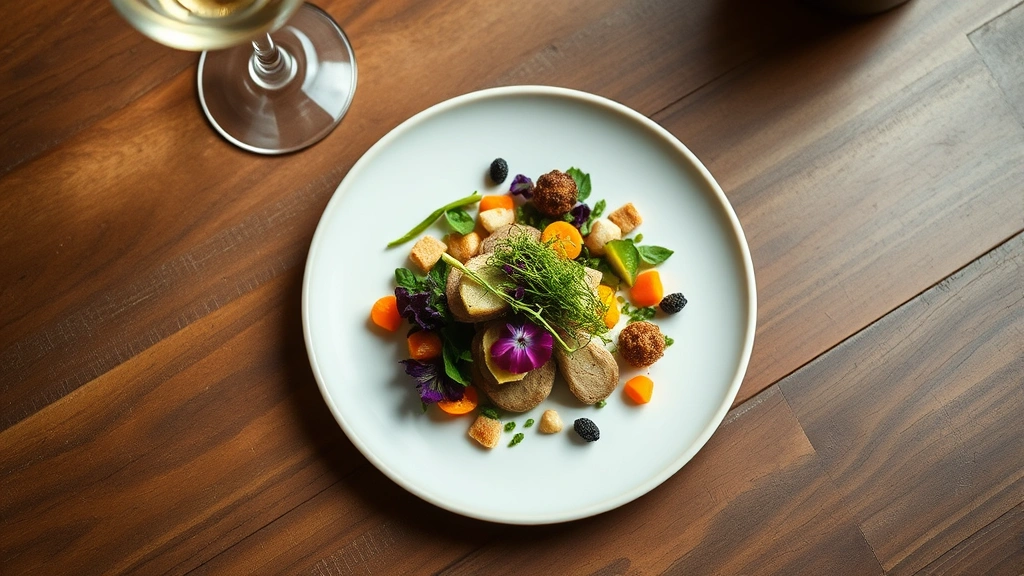
Top Sonoma Restaurants: Chef-Approved Picks
Sonoma County stands as one of California’s most celebrated culinary destinations, where world-class wines meet innovative farm-to-table cuisine. The region’s restaurant scene reflects decades of agricultural abundance and winemaking heritage, creating an ecosystem where chefs collaborate directly with local vintners, producers, and farmers. From intimate tasting rooms to bustling gastropubs, Sonoma’s dining establishments showcase the distinctive terroir that makes this region unmistakably special.
This curated guide explores the establishments earning consistent praise from culinary professionals, food critics, and discerning diners who understand that great dining extends beyond mere sustenance. These chef-approved picks represent the intersection of technical mastery, ingredient integrity, and the kind of thoughtful hospitality that transforms a meal into a memorable experience. Whether you’re planning a romantic evening or seeking the next culinary revelation, Sonoma’s restaurant landscape offers compelling reasons to venture north.
Fine Dining Excellence in Sonoma County
The pinnacle of Sonoma’s dining scene features restaurants where executive chefs command kitchens with surgical precision and artistic vision. These establishments maintain the kind of unwavering commitment to quality that justifies premium price points and multi-month waiting lists. The finest Sonoma restaurants operate at a level where every plate tells a story about seasonal availability, ingredient provenance, and the chef’s personal philosophy regarding flavor balance.
Singletree stands among Sonoma’s most sought-after reservations, where Chef Jack Lewars orchestrates a progression of courses that challenge conventional expectations about what wine-country cuisine should accomplish. The kitchen’s approach emphasizes restraint and precision—dishes often feature three to five components, each contributing essential elements to a carefully calibrated flavor narrative. Diners consistently report that meals here demonstrate sophisticated understanding of acid-tannin interactions, how wine influences palate perception, and why ingredient selection matters more than technique alone.
The Restaurant at Meadowood, while technically located in Napa, deserves mention for its Sonoma-focused sourcing philosophy and its influence on regional fine dining standards. However, within Sonoma proper, establishments like Farmstead at Long Meadow Ranch showcase how fine dining can embrace rustic sensibilities without compromising technical excellence. The kitchen sources exclusively from the property’s 3,200-acre ranch and partner farms, creating an entirely vertical approach to ingredient control that enables flavor consistency across seasons.
These establishments share common characteristics: deep wine lists featuring boutique producers; kitchen staffs trained through stages at multiple Michelin-starred establishments; relationships with foragers and specialty producers; and a commitment to evolving menus that reflect seasonal shifts in ingredient availability. The dining experiences often span three to four hours, with each course timed to allow palate recovery and wine pairing consideration.
Farm-to-Table Innovation and Ingredient Integrity
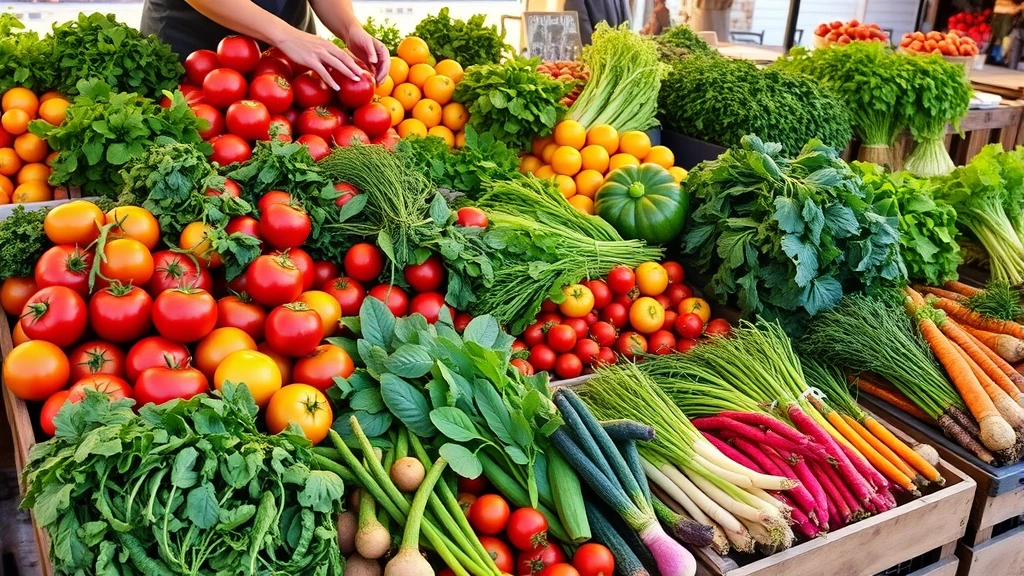
Sonoma’s agricultural abundance creates natural advantages for farm-to-table establishments that transcend mere marketing terminology. The region produces exceptional stone fruits, berries, vegetables, and proteins that inspire menus designed around ingredient availability rather than predetermined concepts. This philosophy represents a fundamental shift from traditional fine dining, where menus remain static and chefs source ingredients to fit predetermined visions.
Restaurants practicing genuine farm-to-table methodology maintain direct relationships with 15-30 local producers, often visiting farms weekly to understand what’s approaching peak ripeness. This approach requires flexibility, creativity, and deep technical knowledge—chefs must understand flavor profiles across dozens of vegetable varieties and know how to highlight subtle differences in taste that distinguish premium produce from commodity alternatives. When you explore unique restaurants near me, you’ll discover that this locavore approach has become foundational to how serious chefs think about menu development.
Harvest Moon Café exemplifies this philosophy, with menus changing sometimes twice weekly based on what local farmers deliver. The kitchen’s pasta program particularly stands out—they produce fresh sheets daily and often pair them with seasonal vegetables at their absolute peak. A spring menu might feature asparagus-filled ravioli with brown butter and ramp blossoms; by summer, the same ravioli vessel contains fresh corn and chanterelle mushrooms. This approach demands flexibility and deep vegetable knowledge that many chefs never develop.
The Naked Pig in Sebastopol represents another interpretation of farm-to-table principles, focusing on heritage breed pork and sustainable sourcing practices. The restaurant’s commitment to nose-to-tail cooking means that nearly every part of the animal finds its way onto plates—head preparations, offal dishes, and bone marrow applications appear regularly. This philosophy honors the animal while reducing waste and creating distinctive flavor profiles that conventional restaurants cannot achieve.
When considering best sauce recipes for pasta, understand that farm-to-table establishments approach sauce creation differently than traditional kitchens. Rather than starting with predetermined recipes, chefs build sauces around available ingredients, often creating entirely unique preparations that reflect specific seasonal moments. A tomato sauce in August tastes completely different from one in June, not because the recipe changed, but because the tomatoes themselves possess entirely different flavor characteristics.
Establishing genuine farm-to-table operations requires infrastructure that most restaurants cannot justify: walk-in coolers must accommodate multiple deliveries weekly; prep areas need flexibility for handling diverse ingredients; and kitchen staff requires broader technical knowledge than those working from static menus. These constraints explain why truly excellent farm-to-table restaurants remain relatively rare—the operational complexity exceeds what most business models can support.
Wine Country Casual Dining
Not every exceptional dining experience in Sonoma requires formal dress codes or multi-course tasting menus. The region’s casual establishments often demonstrate equal technical mastery while maintaining the kind of relaxed atmosphere that encourages lingering conversations and spontaneous wine discoveries. These restaurants prove that culinary excellence and approachability need not conflict—in fact, removing formality often enables more genuine interactions between diners and kitchen staff.
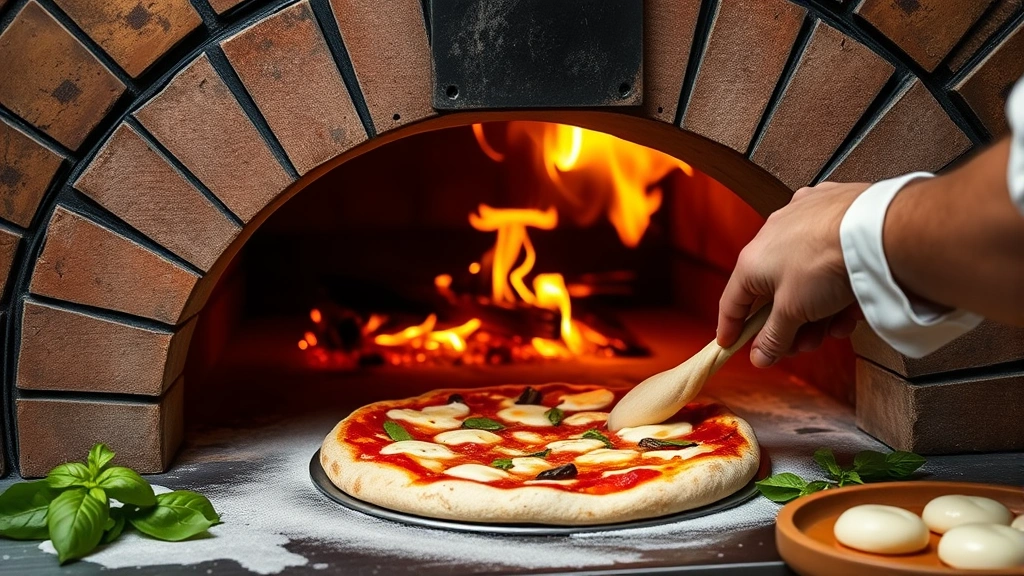
Zazu offers casual sophistication, with a menu emphasizing wood-fired cooking techniques and ingredient-focused preparations. The kitchen’s wood-burning oven creates opportunities for developing complex Maillard reactions and smoky depth that conventional cooking methods struggle to achieve. Charcuterie programs showcase the restaurant’s commitment to in-house production, with cured meats aging in dedicated rooms and featuring flavor profiles that reflect careful salt-cure timing and aging duration.
When you think about restaurants with outdoor drinking, Sonoma’s casual establishments often excel in creating inviting outdoor environments where wine enjoyment and food appreciation develop naturally. The region’s Mediterranean climate enables year-round outdoor dining, and many casual restaurants take full advantage, designing patios and gardens that feel like extensions of the kitchen.
The Madrona offers wine-country casual dining with Mediterranean influences, featuring wood-fired preparations and a wine list emphasizing small producers. The kitchen’s approach to seafood preparation demonstrates understanding of how cooking temperature affects protein structure—fish receives gentle treatment, often finished with olive oil and acid rather than heavy sauces that would mask delicate flavors.
Casual doesn’t mean simple—these establishments maintain professional-level technical standards while reducing unnecessary formality. Kitchen brigades remain organized and focused; plating demonstrates care and intentionality; and service staff possess genuine product knowledge. The primary difference involves atmosphere: diners wear jeans rather than blazers, tables sit closer together, and conversations flow more freely without the hushed reverence that formal dining sometimes encourages.
Emerging Culinary Voices and Contemporary Approaches
Sonoma’s restaurant scene continues evolving as younger chefs establish their own establishments, bringing contemporary techniques and global influences to wine-country traditions. These emerging voices often studied at culinary institutes or completed stages at multiple Michelin-starred restaurants before returning to Sonoma to establish their own visions. Their perspectives challenge assumptions about what regional cuisine should accomplish.
Chefs like those featured in San Francisco Chronicle coverage of North Bay dining frequently cite Sonoma as a region where innovation remains possible without the competitive intensity that characterizes urban centers. The lower overhead enables experimentation—menus can change more frequently, ingredient costs remain manageable, and diners approach new establishments with openness rather than entrenched expectations.
These emerging restaurants often explore technique-driven approaches that distinguish them from established farm-to-table establishments. You might encounter sous-vide preparations, spherification applications, or fermentation-based flavor development—techniques that require specialized knowledge and equipment. Yet these contemporary approaches serve ingredient appreciation rather than replacing it; the goal remains highlighting what local producers provide, using advanced techniques to intensify flavor or create unexpected textural contrasts.
The contemporary Sonoma scene also welcomes international influences more openly than previous generations. Chefs trained in Asian cuisines, Mediterranean traditions, or Latin American techniques bring fresh perspectives to local ingredients. A Sonoma farm vegetable might appear in a preparation influenced by Japanese kaiseki principles, or local proteins might receive treatment informed by Mexican mole traditions. This cultural fluidity reflects broader culinary evolution while honoring the region’s ingredient-focused foundations.
Unique Dining Experiences Beyond Traditional Restaurants
Some of Sonoma’s most memorable meals occur outside conventional restaurant settings. Winery tasting rooms have evolved into serious culinary destinations, where chefs design menus specifically to complement specific wine programs. These experiences often provide more intimate settings than full-service restaurants and enable deeper exploration of how specific dishes interact with particular wines.
Farmstead dining experiences have proliferated throughout Sonoma, where restaurants host meals directly on agricultural properties. These events combine farm tours with multi-course meals prepared in temporary kitchens or on-site facilities. Diners develop visceral understanding of ingredient provenance when they walk through vegetable gardens immediately before eating salads composed of those same plants, or stand among grapevines before tasting wines produced from their fruit.
When considering homemade pizza dough recipe concepts, understand that many Sonoma establishments have elevated wood-fired pizza preparation into sophisticated cuisine. Rather than treating pizza as casual comfort food, these kitchens approach dough fermentation with the same attention traditional bakers apply—long, cold fermentations develop complex flavors and improve digestibility. Toppings receive equally thoughtful consideration, with seasonal vegetables and house-made charcuterie creating compositions that challenge pizza’s casual reputation.
Pop-up restaurants and private chef experiences have also become prominent in Sonoma, particularly among chefs testing new concepts before committing to permanent locations. These temporary establishments often operate with minimal overhead and maximum flexibility, enabling experimentation that traditional restaurants cannot justify. Diners seeking cutting-edge culinary innovation frequently discover it in these ephemeral settings.
Market-to-table experiences have gained popularity, where chefs and diners visit farmers markets together before preparing collaborative meals. These interactive experiences create educational opportunities while building community connections between chefs and the producers who supply them. Participants often discover produce varieties they’ve never encountered and learn preparation techniques applicable to home cooking.
FAQ
What makes Sonoma restaurants distinctive compared to other California wine regions?
Sonoma’s restaurant scene reflects the region’s agricultural diversity and more relaxed cultural atmosphere compared to Napa Valley. While Napa emphasizes formal fine dining and Bordeaux-inspired traditions, Sonoma encourages experimentation and welcomes international influences. The region’s diverse microclimates support broader ingredient variety, and lower real estate costs enable chefs to take more creative risks. Additionally, Sonoma’s restaurant community maintains stronger farmer-chef relationships, with many establishments operating farmers market stalls or maintaining on-site gardens.
How far in advance should I make reservations at top Sonoma restaurants?
Reservation windows vary significantly. Casual establishments typically accept reservations one to two weeks ahead, while fine dining venues often require reservations one to three months in advance. Some prestigious restaurants maintain waitlists for cancellations, and a few operate reservation-free models, accepting walk-ins on first-come, first-served bases. Check individual websites for specific policies, as many restaurants have shifted to online booking platforms that display real-time availability.
Are wine pairings necessary at Sonoma restaurants?
Wine pairings enhance dining experiences but aren’t mandatory. Most establishments welcome diners who bring their own selections or order from the wine list according to personal preferences. However, sommelier-guided pairings provide educational value—wine professionals explain why specific selections complement particular dishes and teach concepts about acid-tannin interactions and flavor bridges. Many restaurants offer pairing options at various price points, from modest local selections to prestigious bottles.
Which Sonoma restaurants accommodate dietary restrictions?
Most quality establishments accommodate dietary restrictions with advance notice. Call ahead and specify requirements—vegetarian, vegan, gluten-free, allergies, or other concerns. Fine dining restaurants particularly excel at modifications, often creating entirely custom menus for diners with restrictions. Casual establishments may have less flexibility but typically offer adequate options. Farm-to-table restaurants sometimes struggle with vegan requests during seasons when vegetable variety is limited, but quality establishments will communicate limitations honestly.
What’s the best time to visit Sonoma for restaurant dining?
Sonoma restaurants maintain exceptional quality year-round, though seasonal considerations affect menu offerings and availability. Spring (March-May) features asparagus, peas, and early greens; summer (June-August) brings stone fruits, tomatoes, and berries; fall (September-November) offers mushrooms, grapes, and root vegetables; winter (December-February) emphasizes preserved items, citrus, and hearty preparations. Tourist season peaks summer through fall harvest, making reservations more difficult. Spring and early winter offer better availability while featuring excellent seasonal ingredients.
How do Sonoma restaurant prices compare to other California dining destinations?
Sonoma’s fine dining restaurants typically cost less than equivalent Napa establishments—expect $150-250 per person for tasting menus without wine, compared to $200-350+ in Napa. Casual restaurants range $20-60 per person. This pricing advantage reflects lower real estate costs and reflects Sonoma’s more relaxed culture. However, quality remains consistently high across price points, and many diners find Sonoma offers superior value than other premium wine-country destinations. When you explore Chicago Restaurant Week 2025 pricing comparisons, you’ll discover that Sonoma’s casual restaurants align with major metropolitan pricing while offering higher ingredient quality.
Are there excellent Sonoma restaurants beyond the major towns?
Absolutely. While Healdsburg, Sebastopol, and Sonoma town attract the most attention, exceptional restaurants operate throughout the county. Forestville, Guerneville, and smaller communities host quality establishments that receive less attention but maintain comparable standards. These venues often offer better availability and more intimate atmospheres than tourist-focused towns. Exploring beyond major destinations frequently yields discoveries—hidden gems where chefs operate with less pressure and more creative freedom.
How do I discover new Sonoma restaurants before they become widely known?
Follow local food writers and publications covering North Bay cuisine. The Sonoma County Gazette, Press Democrat, and regional food blogs regularly feature emerging establishments. Social media provides early visibility—many new restaurants build followings on Instagram before opening. Additionally, attending Sonoma County tourism events and wine-country festivals creates opportunities to discover chefs and restaurants before media coverage increases demand. Networking with local wine professionals often provides insider knowledge about upcoming openings.


