Best Bar Harbor Eats: Local Foodie’s Top Picks for Maine’s Culinary Gem
Bar Harbor, Maine, sits at the gateway to Acadia National Park, but this charming coastal town offers far more than scenic mountain vistas—it’s a destination for serious food lovers seeking authentic Maine flavors and innovative coastal cuisine. The restaurant scene here has evolved dramatically over the past decade, transforming from a purely seasonal tourist economy into a year-round culinary destination that attracts chefs and diners from across the country.
What makes Bar Harbor’s food culture so compelling is its unwavering commitment to hyperlocal sourcing. The waters surrounding Mount Desert Island teem with lobster, sea urchin, and pristine white fish, while nearby farms provide vegetables that burst with the mineral complexity of Maine’s rocky soil. Whether you’re planning a restaurant visit for a special occasion or seeking everyday dining excellence, Bar Harbor delivers sensory experiences that honor both tradition and culinary innovation.
This guide distills months of tastings, conversations with local chefs, and palate-focused exploration into a curated collection of Bar Harbor’s most exceptional dining establishments. From casual lobster shacks to fine dining temples, these restaurants represent the best of what Maine’s food scene has to offer.
Fine Dining Excellence in Bar Harbor
When the sun dips below the horizon and Mount Desert Island’s granite peaks turn indigo, Bar Harbor’s fine dining establishments transform into stages for culinary artistry. These restaurants elevate Maine’s ingredients to symphonic heights, where each plate tells a story of regional terroir and chef mastery.
Blaze Restaurant stands as Bar Harbor’s most consistently acclaimed fine dining venue. Chef Peter Morency’s tasting menu philosophy centers on seasonal Maine ingredients prepared with meticulous technique. The lobster preparations here transcend the traditional—expect bisque elevated through brown butter emulsification, the shellfish’s natural sweetness amplified by gentle heat and umami-rich stocks. The wine program, curated by knowledgeable sommeliers, pairs impeccably with each course, guiding your palate through flavor progressions that feel inevitable yet surprising.
The restaurant’s intimate atmosphere—candlelit tables with views toward the harbor—creates the perfect sensory environment for focused tasting. The texture contrasts are particularly noteworthy: silky seafood mousses against crispy potato preparations, tender proteins paired with crunchy vegetable garnishes that provide palatal interest. Service staff demonstrate genuine knowledge about ingredient sourcing, often describing the specific waters where that evening’s fish was caught.
Havana brings Mediterranean sophistication to Bar Harbor’s culinary landscape. This restaurant’s strength lies in its ability to honor Spanish and Latin American traditions while remaining grounded in Maine’s pantry. The ceviche preparation here demonstrates remarkable restraint—pristine scallops and halibut are cured in fresh lime juice with minimal additional elements, allowing the briny complexity of the seafood to shine. The saffron-infused paella showcases proper technique, with a prized socarrat (the caramelized rice layer at the pan’s bottom) that adds nutty, complex depth.
What distinguishes Havana is its understanding of acid and balance. Dishes never feel heavy despite their richness, instead maintaining brightness through strategic lime juice, sherry vinegar, and fresh herb applications. The cocktail program deserves equal attention—skilled bartenders construct drinks that complement the food without overpowering delicate seafood preparations.
Casual Seafood Perfection: Where Tradition Meets Quality
Not every exceptional meal requires white tablecloths and hushed tones. Bar Harbor’s casual seafood restaurants capture the essence of Maine’s fishing heritage while maintaining uncompromising quality standards. These establishments understand that accessible dining experiences need not sacrifice flavor complexity or ingredient integrity.
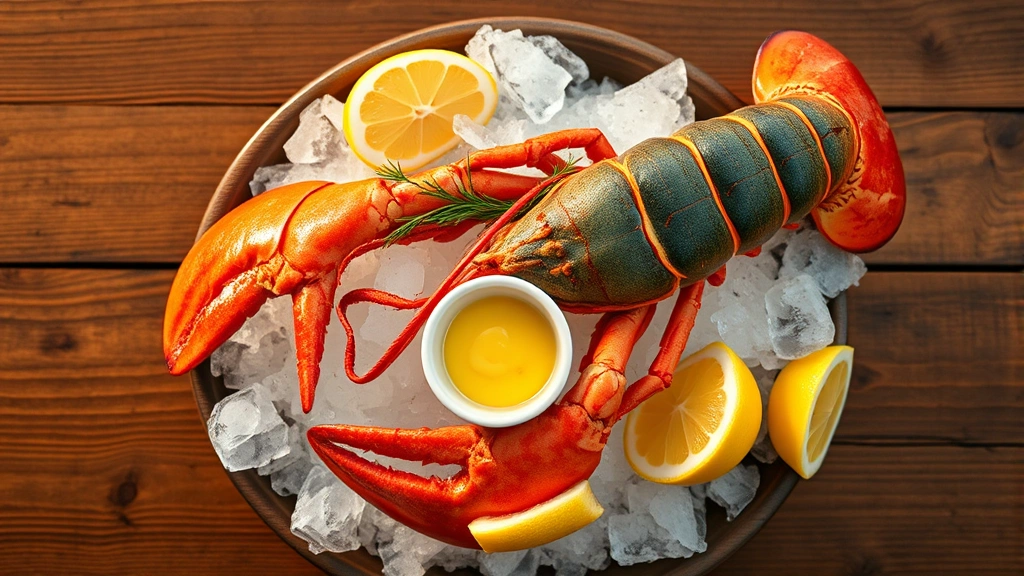
Thurston’s Lobster Pound represents the gold standard for straightforward lobster excellence. Located on the working waterfront, this institution sources its lobsters from traps visible from the dining area—a transparency that instills confidence in ingredient freshness. The preparation philosophy here is refreshingly honest: split lobsters are steamed to precise doneness, their meat remaining sweet and tender rather than rubbery. Drawn butter arrives warm and clarified, its nutty notes complementing rather than masking the shellfish’s natural brininess.
The sensory experience of cracking into a fresh Maine lobster at Thurston’s carries anthropological significance—this is how generations of Mainers have eaten, and the restaurant respects that tradition without irony or pretension. The lobster’s flesh yields easily to crackers, the meat pulling cleanly from the shell in substantial chunks. The tomalley (hepatopancreas) presents a concentrated umami bomb, its mineral earthiness providing textural and flavor contrast to the sweet tail meat.
Abel’s Lobster Pound offers a similarly authentic experience with slightly more refined surroundings. Their lobster rolls—both hot butter and cold mayo versions—demonstrate technical mastery in their construction. The hot version features generous chunks of tail and claw meat barely bound by warm drawn butter, allowing the lobster to dominate the palate. The cold version uses high-quality mayonnaise applied sparingly, ensuring the seafood remains the primary flavor rather than being subsumed by creamy richness.
The distinction between excellent and mediocre lobster rolls often comes down to meat-to-binder ratios and cooking technique, and Abel’s understands this principle intimately. Their soups—particularly the lobster bisque—achieve remarkable depth through patient stock-making, the broth developing complexity over hours of gentle simmering with aromatics and crustacean shells.
Beal’s Lobster Pound rounds out the triumvirate of casual lobster excellence. Operating since 1957, this institution has perfected the art of high-volume seafood service without compromising quality. The steamed clams here arrive tender and briny, their sweet liquor creating a natural sauce enhanced only by lemon juice. The fish and chips demonstrate proper technique—the batter maintains crispness while the interior remains moist, the white fish flaking naturally without dryness.
Farm-to-Table Innovation and Seasonal Cooking
Bar Harbor’s farm-to-table movement extends beyond marketing language into genuine philosophical commitment. These restaurants maintain relationships with specific farmers, foragers, and producers, creating seasonal menus that shift with the natural rhythms of Maine agriculture and wild food availability.
Café This Way epitomizes the farm-to-table ethos while maintaining casual accessibility. The restaurant’s breakfast and lunch service showcases vegetables and proteins sourced from surrounding farms, prepared with technique that honors both ingredient quality and flavor development. The vegetable preparations here avoid the common trap of undercooking; instead, each vegetable receives precisely calibrated heat to develop natural sugars while maintaining structural integrity.
The pastry program deserves specific mention—laminated doughs demonstrate proper technique, with visible butter layers and golden-brown exteriors indicating proper oven management. Sweet and savory applications show equal skill, from croissants with shatteringly crisp exteriors to savory galettes featuring seasonal vegetables arranged with aesthetic precision.
Side Street Café brings similar farm-to-table philosophy to casual dining, with a particular focus on ingredient transparency. The menu changes weekly based on available produce, a flexibility that allows chefs to work with truly peak-ripeness ingredients. Soups prepared from vegetable scraps and stock demonstrate resourcefulness while delivering remarkable flavor—no element feels wasted or secondary.
The pasta program here warrants attention from serious food enthusiasts. Fresh pasta sheets are rolled thin and cut with precision, their texture providing ideal surface area for sauce adherence. The sauces themselves—often built from seasonal vegetables, fresh herbs, and quality fats—demonstrate understanding of emulsification and flavor balance. A simple aglio e olio becomes something greater through quality olive oil selection and proper heat management that develops garlic’s sweet notes without bitterness.
Rosalie’s Pizzeria represents farm-to-table philosophy applied to Neapolitan-style pizza. The dough demonstrates proper fermentation through its open crumb structure and complex flavor—yeasty notes with subtle sourness indicating extended cold fermentation. Toppings remain minimal and high-quality, allowing the dough’s character to shine while showcasing seasonal vegetables and local proteins.
The wood-fired oven reaches temperatures exceeding 800 degrees Fahrenheit, creating pizzas with characteristically blistered crusts and slightly charred edges that contribute bitter, complex notes. The contrast between crispy exterior and chewy interior demonstrates proper technique—this is not flatbread but genuine pizza, built on foundational principles developed over centuries in Naples.
Hidden Gems Worth Discovering
Beyond the well-known establishments lie restaurants that deserve equal recognition for culinary excellence and dedication to their craft. These hidden gems often operate with smaller footprints and tighter ingredient sourcing, creating dining experiences of remarkable intimacy and authenticity.
Izote brings Mexican coastal cuisine to Bar Harbor with remarkable authenticity. This restaurant sources ingredients thoughtfully, including dried chiles imported specifically for traditional preparations. The mole here demonstrates proper technique—complex spice blends built through toasting and grinding whole spices, the preparation requiring hours of patient work. The result is a sauce of remarkable depth, its flavor profile shifting across the palate as different spice notes emerge and recede.
The ceviches showcase understanding of acid’s role in flavor development and texture transformation. Fresh seafood is cured to precise doneness—the proteins denature slightly while remaining tender, the lime juice’s acidity brightening rather than overwhelming. Garnishes of cilantro, jalapeño, and radish provide textural contrast and flavor complexity that elevates the preparation beyond simple raw fish.
Sorelle Bistro offers French-influenced cooking with Maine ingredients, creating cuisine that feels simultaneously traditional and innovative. The duck preparations here demonstrate proper technique—skin rendered until crispy, the meat cooked to precise doneness with a rosy interior that indicates proper temperature management. The sauce, likely built from pan drippings and stock, provides moisture and umami depth without overwhelming the meat’s natural flavors.
The seafood preparations reflect French classical technique while respecting Maine’s ingredient quality. A simple sole meunière becomes something transcendent through proper butter temperature and timing—the fish’s delicate flesh remains intact and tender, the brown butter’s nutty notes providing complementary richness without heaviness.
Sips Wine Bar deserves mention not just for its wine program but for its food offerings, which demonstrate remarkable sophistication for a casual wine bar. The cheese selections are curated with obvious knowledge, each offering at different ripeness stages to showcase flavor evolution. The charcuterie maintains proper temperature and slicing technique, with quality cured meats showing proper color, aroma, and texture that indicate careful sourcing and handling.
The small plates here function as flavor palate cleansers and complements to wine selections. Preparations remain minimal, allowing ingredient quality to dominate. A simple preparation of olives, anchovies, and quality olive oil becomes memorable through ingredient selection and proportion balance.
Seasonal Dining Considerations and Planning Tips
Bar Harbor’s restaurant scene shifts dramatically with seasons, a reality that demands strategic planning for optimal dining experiences. Understanding these seasonal patterns allows you to align your visit with peak ingredient availability and chef creativity.
Summer Season (June-August) brings peak tourism and ingredient abundance. Lobster is at its sweetest, local berries reach peak ripeness, and farm stands overflow with vegetables. However, summer also brings crowded dining rooms and longer wait times. Make reservations well in advance, and consider dining during off-peak hours (late lunch or early dinner) to maximize comfort. Many restaurants offer special seasonal menus during this period.
Fall Season (September-October) offers ideal dining conditions—fewer tourists, perfect weather, and remarkable ingredient quality as fall crops reach maturity. Apple varieties diversify, root vegetables develop sweetness through cool nights, and seafood remains abundant. This season represents the sweet spot for Maine dining, with restaurants operating at full capacity but maintaining manageable wait times.
Winter Season (November-February) brings significant restaurant closures as seasonal establishments shutter for the off-season. However, year-round establishments thrive during this period, often featuring more refined service and intimate dining experiences. Winter ingredients like root vegetables, storage crops, and cold-water seafood shine during this season. If you’re planning holiday dining, confirm restaurant hours well in advance.
Spring Season (March-May) marks the transition to warmer months, with some restaurants reopening and menus shifting toward lighter, vegetable-forward preparations. Spring vegetables like asparagus, peas, and greens offer delicate flavors that chefs often showcase in simple, elegant preparations. This season also marks the beginning of local seafood abundance, particularly scallops and soft-shell crabs.
For special occasions, consider restaurants offering special celebration experiences. Many Bar Harbor establishments provide private dining options and special tasting menus for birthdays, anniversaries, and milestone celebrations. The intimate nature of these experiences, combined with Maine’s ingredient quality, creates memorable events.
FAQ
What is the best time to visit Bar Harbor for dining?
Fall (September-October) offers optimal conditions—fewer crowds, perfect weather, and peak ingredient availability. Summer brings maximum ingredient abundance but significant tourist crowds. Spring offers lighter, vegetable-forward menus, while winter provides intimate dining with closed seasonal restaurants.
How far in advance should I make reservations?
Summer reservations should be made 4-8 weeks in advance for popular restaurants. Fall and spring typically require 2-4 weeks advance booking. Winter and shoulder seasons may allow walk-ins at popular establishments, though reservations remain recommended for fine dining venues.
Are there vegetarian and vegan dining options in Bar Harbor?
Yes. Most restaurants accommodate dietary restrictions, with farm-to-table establishments offering particularly creative vegetable-forward preparations. Café This Way and Side Street Café maintain especially robust vegetarian offerings. Call ahead to discuss specific dietary needs.
What makes Maine lobster superior to other regions?
Cold Atlantic waters produce lobsters with sweeter, more delicate meat than warmer-water varieties. Maine’s fishing regulations and sustainable harvesting practices maintain population health and meat quality. The state’s proximity to restaurants means shorter time between trap and table, maximizing freshness.
Should I try lobster at casual or fine dining establishments?
Both offer distinct value. Casual establishments like Thurston’s showcase lobster’s pure flavor through minimal preparation, while fine dining venues like Blaze showcase technical mastery and creative preparations. Consider trying both to appreciate different approaches.
Are there restaurants offering special experiences beyond traditional dining?
Yes. Several establishments offer wine pairing events, chef’s table experiences, and seasonal tasting menus. Some participate in restaurant week programs and special promotional dining events. Contact restaurants directly for current offerings.
What wine regions pair best with Maine cuisine?
White wines from Sauvignon Blanc, Albariño, and Chablis regions pair beautifully with seafood. Lighter reds from Pinot Noir regions complement richer preparations. Many restaurants employ knowledgeable sommeliers who provide excellent pairing guidance.
How accessible are restaurants for those with dietary restrictions?
Most establishments accommodate allergies and dietary restrictions with advance notice. Farm-to-table restaurants prove particularly flexible, given their ingredient-focused philosophy. Always call ahead to discuss specific needs and confirm kitchen capabilities.


