Top Florence Eats? Local Foodie’s Picks!
Florence, the Renaissance capital nestled in Tuscany’s heart, isn’t just a feast for the eyes—it’s an intoxicating culinary destination that rivals any European gastronomic hub. Walking through cobblestone streets lined with terracotta-roofed buildings, the aroma of sizzling bistecca alla fiorentina and fresh pappardelle wafts through the air, beckoning food lovers into centuries-old trattorias and modern michelin-starred establishments alike. This guide pulls back the velvet curtain on Florence’s most extraordinary dining experiences, curated by local food enthusiasts who’ve spent years exploring every corner of this magnificent city’s restaurant scene.
Whether you’re seeking a humble neighborhood gem where nonnas still hand-roll pasta, or an avant-garde tasting menu that challenges your palate’s preconceptions, Florence delivers with uncompromising authenticity and passion. The Florentine food philosophy centers on simplicity, quality ingredients, and respect for tradition—yet innovative chefs are reinterpreting these sacred principles in thrilling ways. This is where you’ll discover why Tuscany produces some of Italy’s most coveted wines, why the city’s markets overflow with produce that tastes like it was picked minutes before purchase, and why dining in Florence becomes less about eating and more about understanding a culture that has perfected the art of living well.
Bistecca Alla Fiorentina: The Sacred Steak Temples
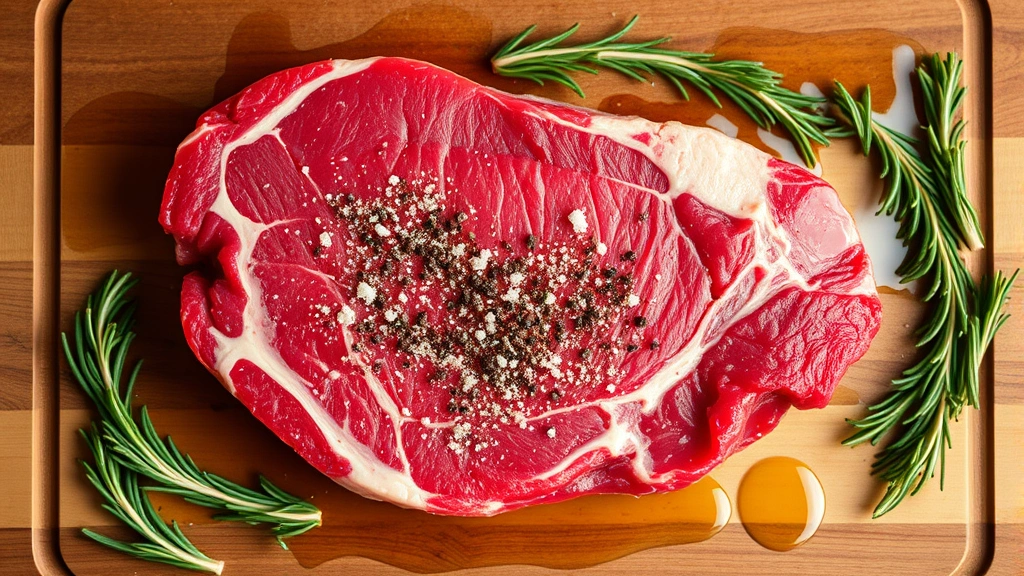
No culinary pilgrimage to Florence is complete without experiencing bistecca alla fiorentina—the massive, bone-in T-bone steak that represents the pinnacle of Florentine carnivorous indulgence. This isn’t merely grilled beef; it’s a cultural institution, a ritual, a statement of gastronomic philosophy. The preparation is almost austere in its simplicity: a perfectly aged Chianina steak (sourced from the white cattle of Tuscany), seasoned with nothing but sea salt and cracked pepper, seared over hot coals until the exterior achieves a crackling crust while the interior remains a blushing pink.
Beccofino stands as a temple to this sacred preparation, where the kitchen sources only the finest Chianina beef and cooks each steak with ritualistic precision. The moment your server places that magnificent slab before you—still sizzling, steam rising in delicate wisps—you understand why Florentines have been perfecting this dish for centuries. The meat’s texture is almost buttery, with a mineral earthiness that speaks to the Tuscan pastures where these cattle graze. Pair it with a robust Tuscan Brunello and you’ve achieved gastronomic transcendence.
Osteria Vini e Olii takes a slightly different approach, offering bistecca alongside an extraordinary selection of Tuscan wines in a intimate, low-lit setting that feels like dining in a Renaissance merchant’s private chamber. The steak here is equally magnificent, but the emphasis shifts to the wine pairings—each glass selected to amplify different flavor dimensions of the beef, from the iron-rich minerality to the subtle notes of rosemary and thyme that kiss the meat during the cooking process.
For those seeking unique restaurants near me that specialize in traditional preparations, Trattoria da Burde delivers bistecca in a more casual, neighborhood setting without compromising on quality. The kitchen here sources exceptional beef and respects the ingredient so thoroughly that minimal seasoning is employed—allowing the meat’s natural umami-rich flavors to dominate your palate.
Pasta Perfection: Where Tradition Meets Innovation
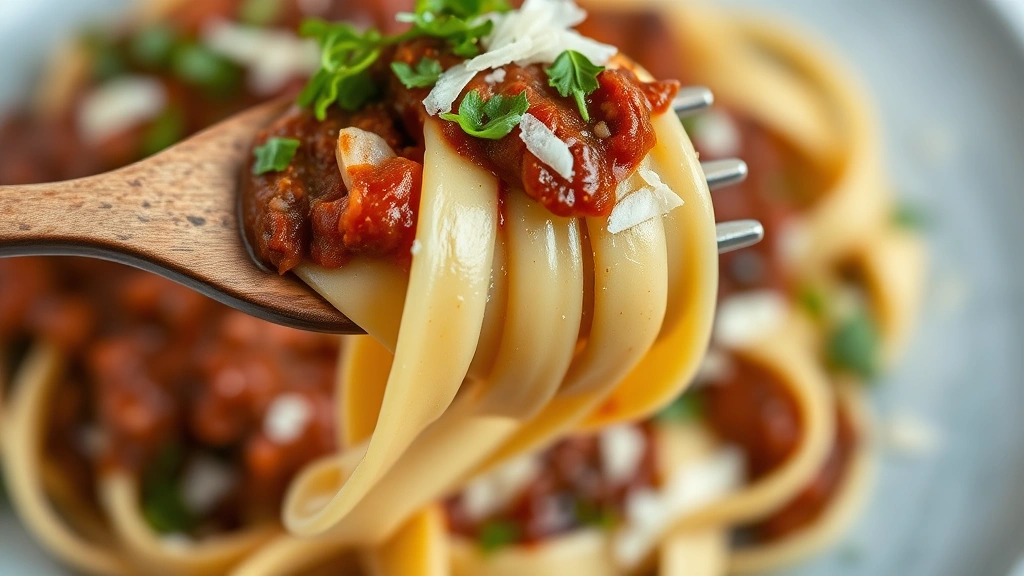
Florentine pasta culture diverges from the cream-heavy sauces of Rome or the seafood-forward traditions of coastal regions. Here, pappardelle (wide ribbon pasta) and tagliatelle reign supreme, dressed with rich ragù that’s been simmering for hours, building layer upon layer of savory complexity. The pasta itself—made from egg and soft wheat flour—possesses a silken texture that clings to sauce in the most seductive way.
Cibreo, the legendary restaurant helmed by chef Fabio Picchi, represents the apex of Florentine culinary sophistication. Every dish on their menu tells a story rooted in centuries of local tradition, yet executed with technical precision that would impress any three-star establishment. Their pappardelle with wild boar ragù is an exercise in restraint and refinement—the pasta perfectly al dente, the sauce rich but not heavy, with distinct notes of juniper, rosemary, and the deep, almost chocolate-like richness of slow-braised wild game.
For those exploring easy stir fry recipes at home, Florentine pasta teaches an invaluable lesson: the quality of your base ingredients and the patience invested in sauce development matter infinitely more than complexity of technique. Trattoria Sostanza embodies this philosophy, offering handmade pappardelle with a butter-enriched ragù that achieves an almost velvety consistency through hours of gentle simmering rather than cream addition.
Cucina Enoteca represents the innovative frontier, where young Florentine chefs deconstruct traditional pasta dishes and rebuild them with contemporary sensibilities. Their tortelli filled with ricotta and sage, served in brown butter with crispy sage leaves, honors classical preparation while introducing textural contrasts and flavor intensities that feel thrillingly modern.
Wine-Paired Dining Experiences
Tuscany produces some of Italy’s most celebrated wines—Brunello di Montalcino, Vino Nobile di Montepulciano, and Chianti—making Florence the ideal destination for wine-centric dining. The region’s wine education institutions attract serious oenophiles from globally, yet some of the best wine education happens not in classrooms but in restaurants where knowledgeable sommeliers guide you through carefully curated pairings.
Enoteca Pinchiorri maintains three Michelin stars and an exceptional wine program with over 3,000 selections housed in temperature-controlled cellars. Their tasting menus are designed specifically to showcase wine pairings—each course calibrated to highlight specific characteristics of the accompanying pour. The sensory experience is revelatory: a delicate pasta course paired with a young Chianti Classico opens your palate to subtle floral notes you’d never notice in isolation.
Ristorante Ora d’Aria offers a more accessible entry into wine-paired dining, with a sommelier team that genuinely educates rather than intimidates. Their wine pairings accompany a tasting menu rooted in traditional Tuscan ingredients but executed with modern plating and technique. The progression builds systematically—lighter whites with seafood preparations, medium-bodied reds with game courses, full-bodied Brunellos with aged cheese courses.
For those seeking restaurants on the water with exceptional wine programs, Florence’s Arno riverside establishments offer aperitivo experiences where you can sample wines while overlooking the Ponte Vecchio at sunset—a multisensory experience that transforms a simple wine tasting into an unforgettable memory.
Hidden Market Treasures and Street Food
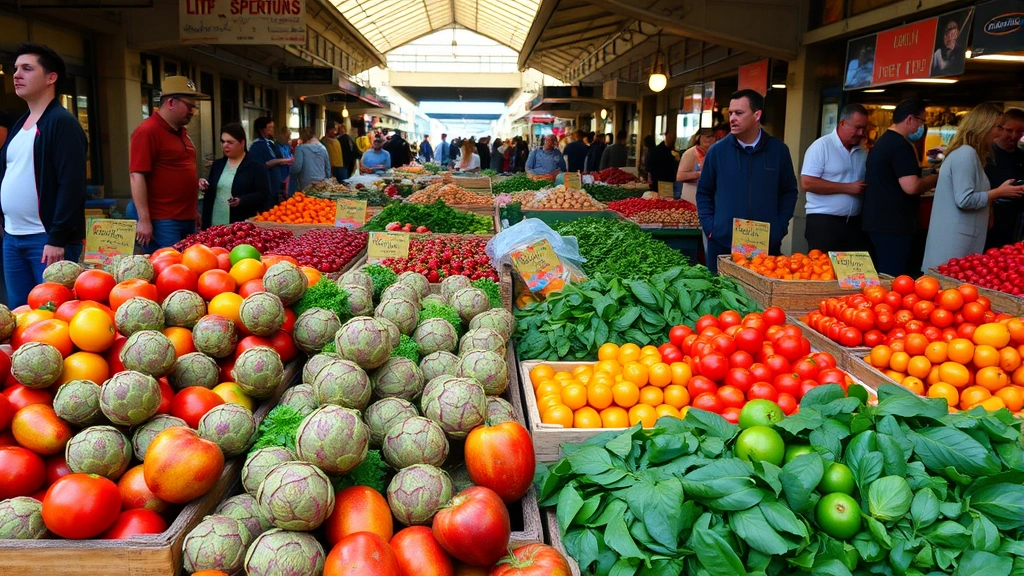
The true soul of Florentine cuisine reveals itself in the city’s markets—particularly Centrale Market and the surrounding streets where vendors have sold produce, meat, and cheese for generations. These aren’t tourist attractions but living, breathing centers of commerce where locals shop daily and small food stalls serve authentic street food that tourists rarely discover.
Lampredotto, the traditional Florentine sandwich made from beef tripe slow-cooked in broth and served on crusty bread with spicy sauce, represents pure working-class Florentine tradition. The texture is tender and almost gelatinous, with a subtle offal flavor that’s neither gamey nor unpleasant—instead, it’s deeply savory, with mineral undertones that speak to the animal’s diet of Tuscan herbs and grasses. Seek out Trippaio del Porcellino, a tiny stand near the Porcellino Market, where you’ll find lampredotto prepared exactly as it has been for decades.
The market’s fresh pasta vendors sell pappardelle, tagliatelle, and ravioli made that morning, and many will cook your selection for just a few euros. Pair it with healthy salad dressing recipes featuring fresh herbs and local olive oil—though honestly, the simplest approach (just butter and sage) remains most satisfying.
Forno Becagli, a historic bakery near the Duomo, produces schiacciata (Florentine flatbread) that’s crispy outside, tender within, and often studded with olives, rosemary, or grapes depending on the season. The bread’s complexity comes from long fermentation that develops subtle sour notes and a crumb structure that’s simultaneously light and substantial.
Michelin-Starred Excellence
Florence’s fine dining scene balances reverence for tradition with culinary innovation, creating restaurants where technique serves flavor rather than eclipsing it. These establishments attract international culinary associations and food critics seeking to understand how classical Italian cooking evolves in the 21st century.
Enoteca Pinchiorri (three stars) represents the pinnacle, where every plate is a meditation on flavor, texture, and presentation. Chef Annie Féolde approaches Italian cuisine with the precision of a scientist and the soul of an artist. A single dish might feature five different preparations of the same ingredient—each highlighting distinct flavor compounds or textural possibilities. The experience is intellectually stimulating yet emotionally resonant.
Ristorante Ora d’Aria (one star) demonstrates that Michelin recognition doesn’t require haute cuisine excess. Chef Marco Stabile sources impeccably from local producers and treats each ingredient with reverence, allowing natural flavors to shine. A simple pumpkin soup becomes transcendent through the quality of the pumpkin, the precision of the cooking temperature, and the artisanal nature of the accompanying bread.
Il Palagio, located within the Mondrian hotel, earned its star through innovative reinterpretations of classical Florentine dishes. The kitchen explores how modern cooking techniques (sous vide, spherification, precise temperature control) can enhance rather than obscure the flavors of traditional ingredients. Their bistecca alla fiorentina prepared via low-temperature cooking and finished with a torch offers the same visual drama as traditional preparation with even more precise doneness control.
Neighborhood Gems Off the Beaten Path
The most memorable Florentine dining often happens in small neighborhood restaurants where you’re the only foreigner and the kitchen feeds local workers at lunch, families at dinner. These establishments maintain minimal marketing budgets yet command fierce loyalty from Florentines who understand that the best food isn’t found in guidebooks but through word-of-mouth and repeated visits.
Osteria Antica Fattoria, tucked into a quiet street in the Oltrarno district, serves rustic Florentine food in a setting that feels like dining in a friend’s home. The kitchen rotates seasonal menus based entirely on what’s available from trusted producers—there’s no printed menu, just whatever the chef has sourced that day. This approach requires absolute confidence in ingredient quality and technical skill, both of which this kitchen possesses in abundance.
Trattoria Mario has operated in the same location since 1953, serving the lunch crowd with communal tables and daily specials that emphasize offal preparations, slow-cooked vegetables, and pasta made with scraps and trimmings that lesser kitchens discard. The food tastes like it’s been prepared the same way for seventy years—because it has—and there’s profound satisfaction in this consistency.
For those seeking Fulton Market restaurants style neighborhood dining (where food quality supersedes ambiance), Florence offers countless options. Osteria Santo Spirito exemplifies this approach, offering excellent Tuscan food at reasonable prices in a casual setting where locals outnumber tourists.
Many neighborhood restaurants welcome pet friendly restaurants near me style accommodations—ask locally, as regulations vary—and the more casual your dining setting, the more likely you’ll find flexibility for traveling companions with four legs.
FAQ
What’s the best time to visit Florence for food experiences?
Spring (April-May) and fall (September-October) offer ideal weather and seasonal ingredients at their peak. Summer brings crowds but also peak tourism infrastructure. Winter offers fewer tourists and access to hearty, warming dishes like ribollita and pappa al pomodoro. Avoid August when many restaurants close for vacation.
How much should I budget for dining in Florence?
Street food and casual trattorias: €5-15 per meal. Mid-range restaurants: €25-50 per person. Fine dining: €80-200+ per person. Wine pairings add €30-80 depending on the restaurant. Lunch typically costs 30-40% less than dinner at the same establishment.
Should I make reservations in advance?
Absolutely, especially for Michelin-starred restaurants and popular trattorias. Many small neighborhood spots operate on first-come, first-served basis but fill quickly during peak hours (1-2pm for lunch, 8-9pm for dinner). Hotels can often make reservations that walk-in diners cannot secure.
Is it offensive to ask for modifications or dietary accommodations?
Italian restaurants, particularly in Florence, take pride in their traditional preparations. Rather than requesting modifications, ask your server what the kitchen can offer. Most establishments accommodate genuine allergies and dietary restrictions gracefully. Vegetarian and vegan options exist but aren’t emphasized in traditional Florentine cuisine.
What’s the difference between trattoria and ristorante?
Technically, ristorante is more formal with extensive wine lists and refined service, while trattoria is casual and family-oriented. In Florence, this distinction blurs—some trattorias offer exceptional food and refined service, while some ristorantes feel surprisingly casual. The name matters less than reputation and the food itself.
How do I find restaurants that locals actually eat at?
Avoid establishments with picture menus or staff soliciting from the street. Look for restaurants packed with Italian families during meal hours. Ask your hotel concierge (though avoid the most heavily promoted options). Wander neighborhood streets away from major tourist areas. The best meal often happens when you stumble upon a restaurant by accident.
What are essential Florentine dishes I must try?
Bistecca alla fiorentina (grilled T-bone steak), pappardelle al ragù (wide noodles with meat sauce), ribollita (vegetable and bread soup), trippa alla fiorentina (tripe), lampredotto (beef tripe sandwich), bistecca in umido (braised steak), tagliatelle con funghi (noodles with mushrooms), and crostini neri (chicken liver pâté on toast).