Blue Bayou Delights? Chef’s Insight & Review
Nestled within the heart of Disneyland Park, Blue Bayou Restaurant stands as one of the most iconic and atmospheric dining destinations in American theme parks. This enchanting establishment transports guests into the mystique of the Louisiana bayou, complete with candlelit ambiance, cypress trees draped in Spanish moss, and the gentle lapping of water against weathered docks. But beyond the theatrical setting lies a culinary question that deserves serious exploration: does the food truly deliver the same magic as the ambiance?
As a devoted food tasting writer, I’ve spent considerable time analyzing menus across diverse dining establishments, from casual eateries to fine dining temples. Blue Bayou presents a unique challenge—it operates at the intersection of theme park convenience and restaurant authenticity. The menu promises Southern comfort and Creole-inspired flavors, but execution in high-volume theme park kitchens rarely matches the artisanal standards of dedicated culinary establishments. This comprehensive review examines whether Blue Bayou’s offerings justify the premium pricing and reservation demand that characterizes this legendary venue.
Menu Overview & Creole Foundations
Blue Bayou’s menu structure follows a traditional three-course progression, beginning with appetizers that establish the Creole flavor profile. The restaurant draws inspiration from Louisiana’s rich culinary heritage—a fusion of French, Spanish, African, and Native American influences that has produced some of America’s most distinctive regional cuisine. However, there’s a significant distinction between authentic Creole cooking and theme park interpretation.
The appetizer selection typically includes jambalaya, gumbo, and various fried preparations. These foundational dishes require specific technical mastery: proper roux development (the holy trinity of butter and flour must achieve that precise caramel hue without burning), layered spice integration, and the subtle balance of heat that defines genuine Creole cuisine. The menu also features seafood options, which in Louisiana cuisine are paramount—crawfish, shrimp, and oysters demand impeccable freshness and careful preparation.
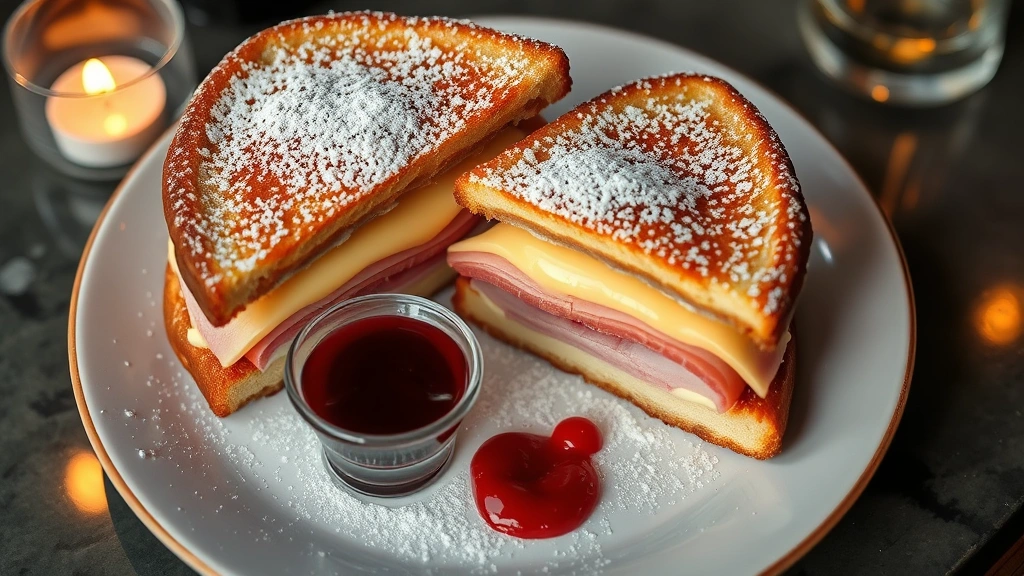
Entrees represent the heart of the Blue Bayou experience, with offerings that span from the iconic Monte Cristo sandwich to various poultry and seafood preparations. The Monte Cristo deserves particular attention as it’s arguably the restaurant’s most famous dish. This French-toast-style sandwich filled with turkey, ham, and cheese represents a curious historical footnote—it’s not authentically Creole or even particularly Southern in origin, yet it has become synonymous with Blue Bayou dining.
The beverage program includes themed cocktails designed to evoke the bayou mystique. Tropical rum-based drinks, mint juleps, and hurricanes feature prominently. Quality cocktail preparation requires precise measurement, proper technique, and ingredient quality that can be challenging to maintain in high-volume service environments.
Signature Dishes Analyzed
The Monte Cristo Sandwich
This dish exemplifies both Blue Bayou’s strengths and limitations. The concept is sound: quality bread (ideally challah or brioche) dipped in egg batter and pan-fried until golden, layered with roasted turkey, ham, and melted cheese. The execution depends entirely on several critical factors: bread quality, proper egg mixture composition, pan temperature control, and timing.
In my assessment, Blue Bayou’s version succeeds primarily through portion generosity and adequate bread texture. The filling components are serviceable, though the turkey and ham lack the depth that comes from proper brining or smoking. The accompanying raspberry jam provides acidic counterpoint, which is the correct approach. However, the sandwich often arrives slightly heavier than ideal—the egg coating can become dense rather than maintaining that coveted custard-like interior with crispy exterior contrast.
Gumbo & Jambalaya
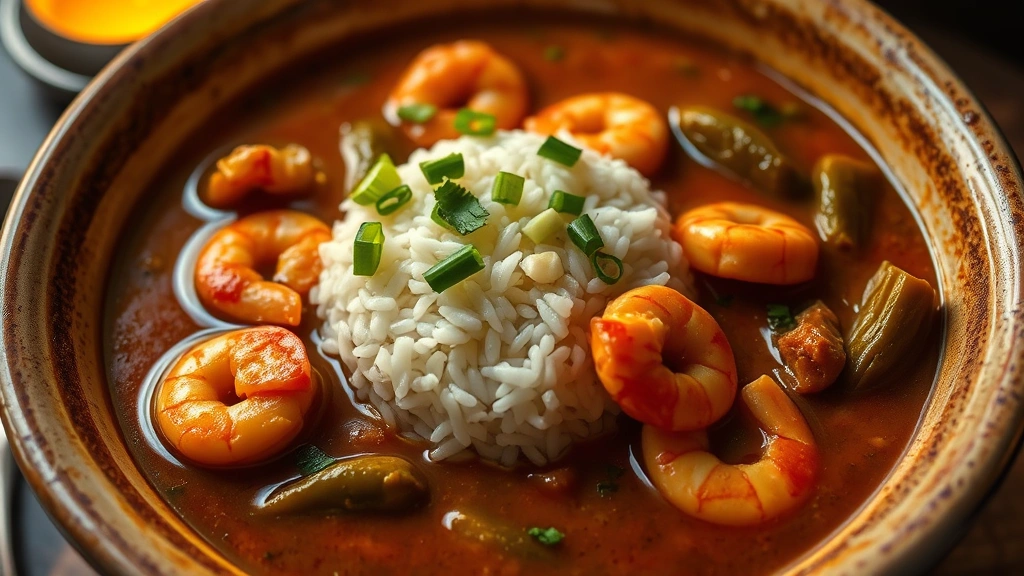
These dishes reveal the technical challenges of theme park cooking. Authentic gumbo requires a dark roux (cooked 45-60 minutes, stirred constantly) combined with the holy trinity (onion, celery, bell pepper), stock, and proteins simmered for hours. The result should be deeply flavored, with spices integrated rather than prominent. Jambalaya, conversely, is a one-pot dish where individual components remain more distinct—rice, proteins, vegetables, and spices coexist in a carefully balanced composition.
Blue Bayou’s versions tend toward the safer middle ground. The roux is competent but not particularly dark or complex. Spice levels are moderated for broad appeal, which necessarily compromises the authentic punch that defines excellent Creole cooking. The seafood gumbo, when available, performs better than chicken versions—the seafood stock provides natural umami depth that compensates for shorter cooking times.
Seafood Preparations
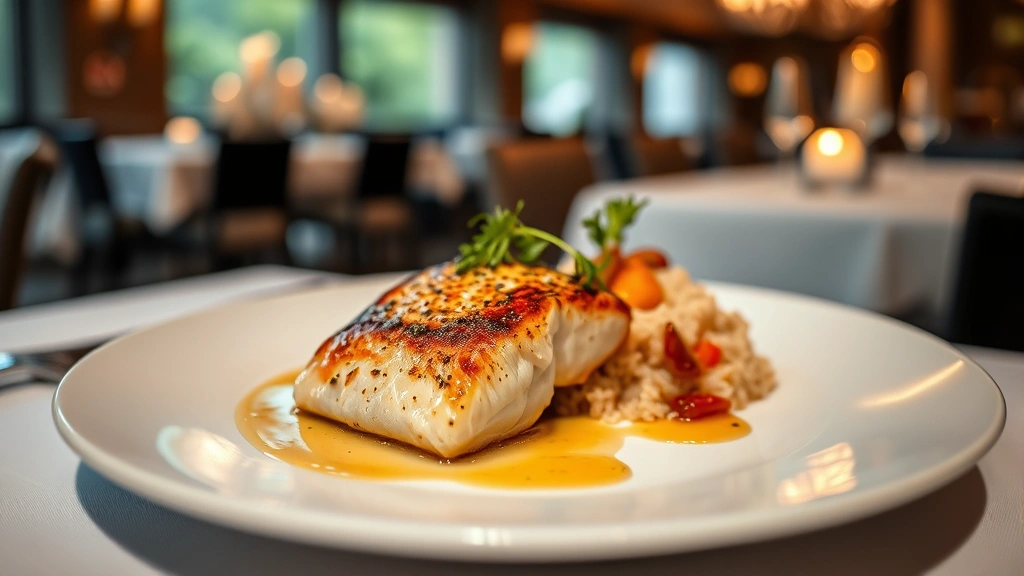
The pan-seared fish and shrimp dishes demonstrate variable quality. Seafood in theme parks presents particular challenges: procurement from suppliers who can guarantee freshness, storage conditions, and rapid preparation turnover all factor significantly. When these elements align, the dishes can be quite good. The key indicator is whether the seafood maintains its delicate texture or arrives overcooked (a common pitfall in high-volume kitchens where timing must accommodate simultaneous plate preparation).
Culinary Execution & Quality Assessment
Evaluating Blue Bayou requires context awareness. This establishment operates within constraints that traditional restaurants don’t face: extreme volume (thousands of covers daily), predetermined recipes designed for consistency across multiple kitchen stations, ingredient sourcing through Disney’s massive supply chain, and service models optimized for throughput rather than fine dining standards.
The kitchen demonstrates competence in fundamental techniques. Proteins are generally cooked to safe temperatures without excessive drying. Vegetables maintain reasonable texture. Sauces coat appropriately. These baseline competencies are non-trivial in high-volume settings—many theme park restaurants fail at these basics. Blue Bayou clears this bar consistently.
Where the restaurant shows limitations is in refinement and personalization. The spice blends taste slightly generic—not bad, but lacking the complexity that distinguishes exceptional Creole cooking. Sauces, while present, don’t always demonstrate the depth of flavor development that comes from extended reduction or bone stock preparation. Seasoning tends toward the conservative, reflecting both theme park risk-aversion and family-dining orientation.
Textural contrast—critical in all excellent cuisine—is adequately managed but rarely exceptional. The crispy-versus-soft interplay that makes great cooking memorable appears reliably but doesn’t surprise or delight.
Atmosphere vs. Food Experience
Blue Bayou’s primary genius lies in environmental design rather than culinary achievement. The candlelit dining room overlooking the bayou water ride creates genuine atmosphere—a rare accomplishment in theme parks. The ambient lighting, architectural details, and soundscape transport diners away from the park’s external reality.
This atmospheric excellence creates a psychological phenomenon worth noting: diners often perceive food more favorably when consumed in emotionally resonant environments. The Monte Cristo tastes better in candlelit ambiance than it would under fluorescent lights. The gumbo feels more authentic when consumed while observing boats drift past Spanish moss-draped cypress trees.
This isn’t to suggest the food is poor—it isn’t. Rather, the total dining experience benefits from a halo effect where environmental excellence elevates food perception. Diners should approach Blue Bayou with this understanding: you’re paying partly for the meal, significantly for the atmosphere, and substantially for the privilege of securing a reservation at a high-demand venue.
For comparison, consider exploring restaurants with live music near me or best restaurants in Florence, Italy for dining experiences where food quality matches environmental excellence.
How It Compares to Authentic Bayou Dining
To properly evaluate Blue Bayou, one must understand genuine Louisiana Creole cuisine. Establishments throughout New Orleans, Baton Rouge, and surrounding regions offer benchmarks for authentic preparation. The differences are instructive.
True Creole restaurants often feature:
- Roux cooked to deep mahogany through patient technique (not rushed)
- Spice profiles that build complexity through layered aromatics and proper seasoning balance
- Proteins sourced from regional suppliers emphasizing freshness and seasonal availability
- Longer cooking times allowing flavors to meld and develop depth
- Less concern for broad appeal, more commitment to traditional authenticity
- Smaller portion sizes focused on quality over quantity
- Pricing reflecting ingredient costs and labor intensity rather than theme park economics
Blue Bayou operates within different parameters. The restaurant succeeds as an introduction to Creole cuisine—many guests will experience their first gumbo or jambalaya here. In this capacity, it serves educational value. However, for those seeking authentic Creole cooking, Blue Bayou functions more as thematic evocation than culinary authenticity.
The comparison becomes clearer when examining similar theme park dining venues. Like other Disney table-service restaurants, Blue Bayou prioritizes consistency, safety, and broad accessibility. These are legitimate operational goals but incompatible with the risk-taking and ingredient intensity that characterizes exceptional regional cuisine.
Value Proposition & Pricing Reality
Blue Bayou’s pricing positions it at the premium end of theme park dining. Entrees range from $30-50, with appetizers at $15-25 and desserts at $12-18. A family of four dining here easily spends $150-200 before beverages and gratuity.
For perspective, this pricing aligns with mid-range casual dining restaurants outside theme parks. However, outside theme parks, $40 for an entree typically includes superior ingredient quality, more refined technique, and often higher portion value. The Blue Bayou premium reflects primarily for the atmosphere and reservation access rather than culinary advantage.
The value proposition improves significantly if you approach the meal as an experiential purchase—you’re buying atmosphere and memory-making rather than culinary excellence. Viewed through this lens, Blue Bayou delivers. The reservation represents access to a genuinely magical environment that you cannot recreate elsewhere. The food, while competent, becomes secondary to the experience.
For those prioritizing pure culinary value, the money might be better invested in Golden Dragon Restaurant or exploring Peking Restaurant options, which often deliver superior ingredient quality and technical execution at comparable price points.
Recommendations & Dining Strategy
Should You Dine at Blue Bayou?
The answer depends on your priorities. If you seek authentic Creole cuisine at the highest technical level, Blue Bayou will disappoint. If you desire a memorable atmospheric experience with competent food and the prestige of securing a challenging reservation, Blue Bayou delivers excellent value.
Optimal Menu Choices
Based on my analysis, certain dishes perform better than others:
- Monte Cristo Sandwich: Legitimate signature dish worth ordering. The preparation suits theme park kitchens well, and it delivers distinctive flavor within the park context.
- Seafood Gumbo: Superior to chicken versions due to natural stock depth. Order when available.
- Pan-seared Fish: Generally reliable and showcases kitchen competence. Fresh fish preparations tend to execute well in high-volume settings.
- Avoid during peak times: Lunch and early dinner service risk longer ticket times, potentially compromising seafood quality through extended holding.
Reservation Timing
Dinner service generally provides better atmosphere (candlelight is more impactful at night) and typically slightly less rushed kitchen conditions than lunch. Aim for 5:30-6:00 PM seatings if possible—early enough to avoid peak volume while capturing optimal lighting.
Beverage Recommendations
The cocktail program is competent. The Hurricane, while touristy, is properly executed with adequate rum quality and appropriate citrus balance. Mint Juleps, if offered, represent safer choices than experimental house creations that may vary in quality.
For wine, request recommendations focused on wine-friendly dishes rather than accepting default pairings. The restaurant’s wine list, while adequate, doesn’t include exceptional values.
Comparative Dining Options
If you’re exploring regional cuisine within theme parks, consider how Blue Bayou compares to Peking Chinese Restaurant offerings or other themed establishments. Each operates within similar constraints but delivers different regional perspectives.
Frequently Asked Questions
Is Blue Bayou worth the hype and difficulty getting reservations?
Blue Bayou is worth experiencing once, particularly if you value atmosphere and aren’t expecting Michelin-level cuisine. The food is competent without being exceptional. The reservation difficulty stems primarily from limited seating and high theme park traffic rather than culinary acclaim. If you’re a devoted food enthusiast seeking exceptional Creole cooking, manage expectations accordingly.
What’s the best dish to order?
The Monte Cristo Sandwich represents the most distinctive and reliably excellent option. It’s the signature dish for legitimate reasons—the preparation suits theme park execution, and it delivers memorable flavor. Avoid dishes requiring extended preparation time (like whole fish) during peak service hours.
How does Blue Bayou compare to actual New Orleans restaurants?
Significantly different. Authentic New Orleans Creole restaurants feature deeper spice complexity, more intense flavors, and greater ingredient intensity. Blue Bayou serves as thematic evocation and introduction rather than authentic representation. Think of it as Disney’s interpretation of Creole cuisine rather than the genuine article.
Is the price justified?
Partially. You’re paying for atmosphere, reservation access, and adequate food. The food alone doesn’t justify the premium pricing—you’re paying for the complete experience. If you prioritize pure culinary value, the money might serve you better elsewhere.
What time should I dine for the best experience?
Dinner around 5:30-6:30 PM offers optimal atmosphere (candlelight is most impactful) with slightly less rushed kitchen conditions than peak hours. Avoid late evening (8:00 PM+) when kitchen fatigue may affect quality.
Are there dietary accommodations?
Blue Bayou accommodates most dietary restrictions through advance notice. The kitchen can modify dishes, though modifications may compromise the intended flavor profile. Request accommodations when booking your reservation rather than at your table.
How does portion size compare to outside restaurants?
Blue Bayou portions are generous, reflecting theme park dining norms. This can work for or against you—you’re getting quantity, but it may come at the expense of refinement. The food fills you adequately but doesn’t dazzle through ingredient quality.
Should I visit the blog for additional dining insights?
Yes, exploring comprehensive dining reviews and regional cuisine guides can help contextualize your Blue Bayou experience and inform broader restaurant choices throughout your travels.


