Is Bodhi Kosher Worth It? Food Critic’s Verdict
Bodhi Kosher stands as a fascinating intersection of culinary traditions, merging the meticulous dietary laws of kosher certification with the plant-forward philosophy of vegetarian cuisine. Located in a vibrant dining district, this establishment has garnered considerable attention from both observant Jewish diners seeking certified options and progressive eaters exploring vegan restaurants that prioritize flavor without compromise. After multiple visits spanning different dayparts and seasonal menus, I ventured into Bodhi Kosher with the critical palate of someone who demands excellence regardless of dietary constraints.
The burning question isn’t whether Bodhi Kosher serves competent vegetarian food—it does. Rather, the inquiry centers on whether the kosher certification, premium pricing, and specialized menu justify the investment for discerning diners. Throughout this comprehensive review, I’ll dissect every element: from the opening flavor notes of their signature appetizers to the lingering aftertaste of their most ambitious entrées, examining whether Bodhi Kosher transcends the typical vegetarian restaurant experience or merely capitalizes on a niche market.
First Impressions and Ambiance
Walking through Bodhi Kosher’s entrance immediately signals intentionality. The dining room exudes understated elegance without pretension—a balance many restaurants fail to achieve. Soft ambient lighting casts a warm glow across tables adorned with minimalist floral arrangements featuring seasonal botanicals. The color palette favors earth tones: warm taupe walls, burnished wood accents, and subtle sage green touches that echo the restaurant’s vegetarian commitment without broadcasting it aggressively.
The open kitchen design proves revelatory. Watching the culinary team work with precision and passion across their stations demystifies the vegetarian cooking process. Rather than appearing as a limitation, the kitchen’s focus on whole ingredients, proper technique, and flavor layering reads as sophisticated culinary methodology. This transparency builds immediate credibility—you’re not wondering whether shortcuts compromised your meal; you’re witnessing the care invested in each component.
Acoustics deserve specific mention. Unlike many contemporary restaurants where conversations become a cacophony, Bodhi Kosher maintains conversation-friendly volumes. The sound-absorbing materials and thoughtful spacing prevent the auditory assault that plagues even high-caliber establishments. This attention to sensory experience extends the meal’s enjoyment beyond taste alone.
The wine program deserves particular praise for a kosher establishment. Rather than relegating diners to predictable selections, the sommelier has curated an impressive collection of kosher wines from respected producers—including selections from boutique best restaurants in Maui wine regions—that pair thoughtfully with the vegetarian menu. This demonstrates that kosher certification needn’t mean compromising on beverage sophistication.
Appetizers: The Flavor Foundation
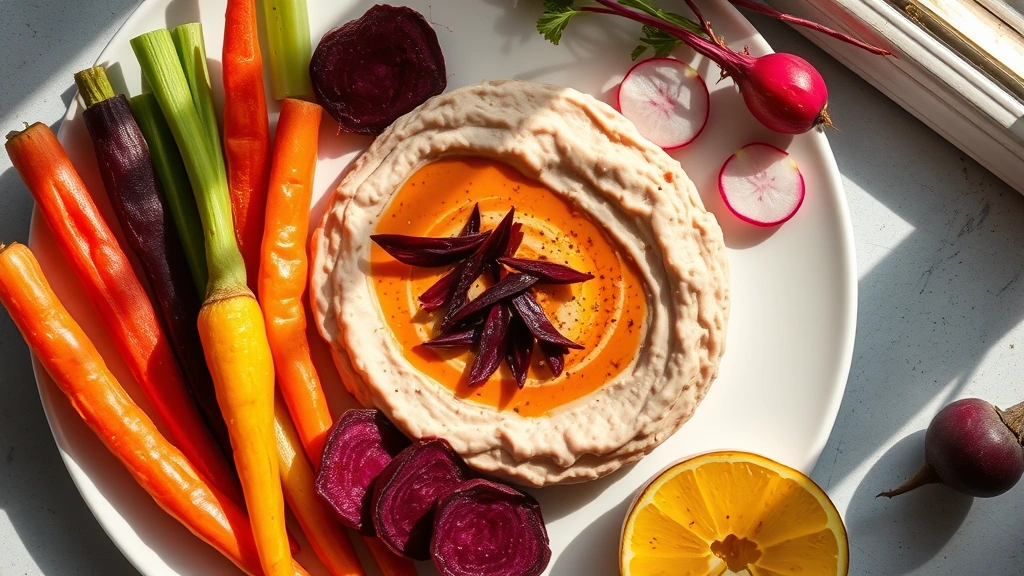
Exceptional restaurants reveal their ambitions through appetizers. Bodhi Kosher’s opening courses showcase confidence without unnecessary complexity. The charred beet and horseradish hummus arrives as a textural study: the hummus maintains an impossibly silky consistency while the roasted beet shards provide resistance and earthiness. Horseradish’s sharp nasal burn cuts through richly, cleansing the palate between bites. The accompanying crudités—rainbow carrots, celery root batons, and heirloom radishes—demonstrate produce selection that prioritizes flavor over uniformity.
Their mushroom-based preparation, presented as a deconstructed carpaccio, exemplifies vegetable-forward cooking at its finest. Paper-thin slices of raw cremini mushrooms reveal delicate umami notes, layered with crispy breadcrumbs infused with truffle oil, aged balsamic, and microgreens that provide peppery counterpoint. This dish alone justifies the vegetarian premise—it’s not mimicking meat; it’s celebrating mushrooms’ inherent savory depth.
The roasted cauliflower with tahini and pomegranate molasses represents crowd-pleasing preparation elevated through ingredient quality and technique. The cauliflower achieves that elusive Maillard-reaction char that develops deep, nutty flavors while maintaining tender interiors. Tahini provides luxurious mouthfeel, while pomegranate molasses adds sophisticated tartness. Scattered pomegranate arils contribute bursts of sweet-tart juice that punctuate each bite.
One minor disappointment: the cheese-based fritters felt slightly heavy and oil-logged. While the interior cheese remained properly melted and flavorful, the exterior absorbed excess oil, creating a greasy mouthfeel that overpowered the delicate cheese filling. This single misstep doesn’t derail the appetizer program, but it suggests occasional inconsistency in kitchen execution.
Main Courses: Where Excellence Emerges
Where Bodhi Kosher truly distinguishes itself is in main course preparation. The vegetable-forward plating philosophy requires exceptional produce quality and impeccable technique—there’s nowhere to hide when proteins aren’t present to carry the dish.
Their signature grain-based preparation showcases farro cooked in vegetable stock infused with kombu and shiitake mushrooms. The grain achieves perfect tenderness with slight chew, absorbing the deeply savory broth throughout. Roasted root vegetables—parsnip, carrot, celery root—are cut into uniform batons and caramelized until their natural sugars concentrate into complex sweetness. A silky mushroom sauce (prepared from porcini reduction) envelops the components without overwhelming them. Crispy sage leaves provide textural contrast and herbal brightness.
The legume-based entrée demonstrates sophisticated understanding of protein preparation. Lentils—specifically French Puy lentils, which maintain structure during cooking—are cooked until tender but not mushy, then layered with roasted vegetables and bound with a light tahini emulsion. The addition of pomegranate molasses and fresh herbs (cilantro, parsley, mint) creates brightness that prevents the dish from feeling heavy. A yogurt-based sauce (acceptable within certain kosher interpretations) provides cooling contrast and subtle tang.
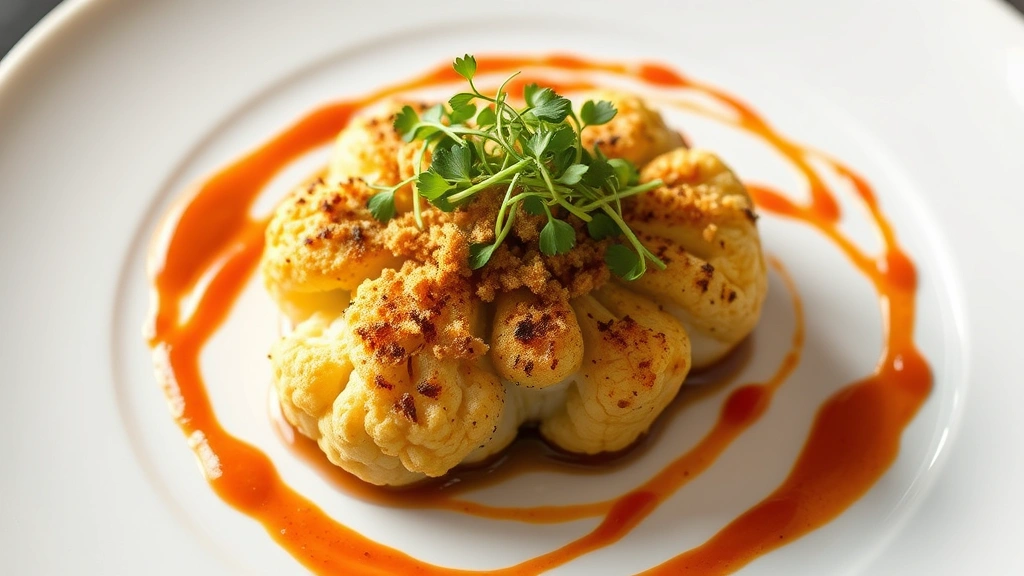
Perhaps the most impressive main course centers on roasted cauliflower steaks. Rather than the typical floret approach, the kitchen slices cauliflower into thick planks, seasons aggressively, and roasts until the exterior develops substantial char while the interior remains creamy. The presentation—a thick, substantial slice standing upright on the plate—provides satisfying visual weight. Accompanying elements include a romesco sauce (Spanish pepper and almond-based) that adds warmth and subtle bitterness, crispy breadcrumbs for textural contrast, and microgreens for brightness. This dish successfully satisfies omnivorous diners seeking substantial, plate-dominating presentations without resorting to processed meat substitutes.
The pasta preparations warrant specific mention. Bodhi Kosher sources exceptional dried pasta—primarily Italian brands maintaining traditional bronze-die extrusion—and treats it with the respect fine dining demands. One signature preparation features hand-rolled pasta sheets layered with roasted vegetables, cashew-based ricotta (a kosher-approved substitute), and fresh herbs, finished with brown butter and sage. The cashew filling achieves remarkable creaminess and subtle sweetness that mimics traditional ricotta without tasting artificial. This represents vegetarian cooking at its most sophisticated: not apologizing for ingredient choices but celebrating them through technique.
Signature Dishes Worth Ordering
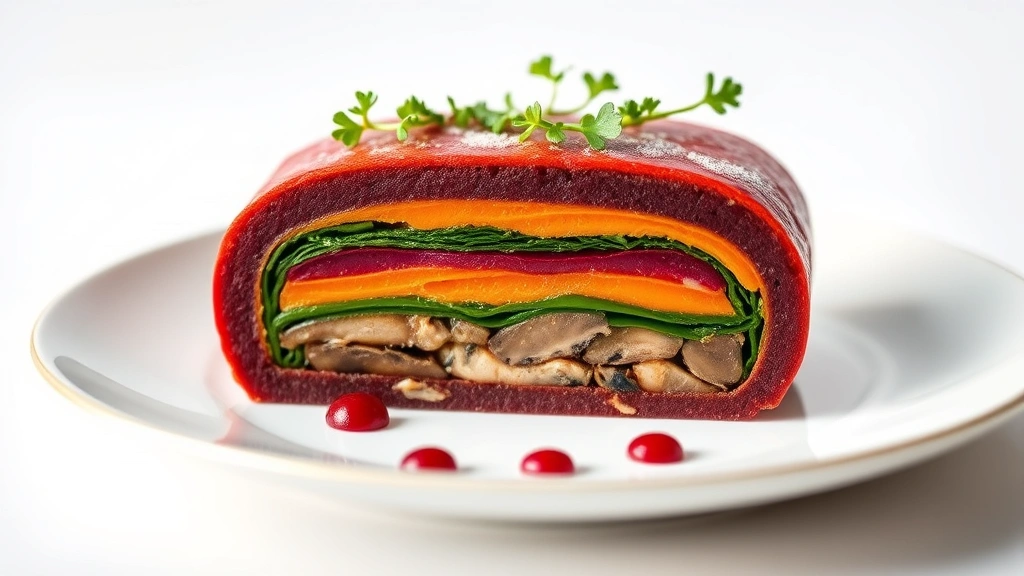
Certain dishes have earned their prominence on Bodhi Kosher’s menu through consistent execution and innovative flavor development. The roasted vegetable terrine deserves particular attention—multiple vegetable layers (beet, carrot, spinach, mushroom) are individually prepared, then stacked and bound with a light vegetable aspic. When sliced, the cross-section reveals beautiful color stratification while the delicate gelatin provides moisture without heaviness. This preparation demonstrates classical French technique applied to vegetarian principles, creating something simultaneously elegant and accessible.
Their exploration of global cuisines—particularly Mediterranean and Middle Eastern—shows cultural respect and culinary knowledge. Rather than superficial fusion, these dishes demonstrate understanding of regional flavor profiles and traditional preparation methods. Compare this approach to easy Asian dinner recipes that sometimes oversimplify complex cuisines; Bodhi Kosher invests in authenticity.
The dessert program, while brief, showcases restraint and quality. A beet and chocolate cake maintains moistness through vegetable incorporation while the chocolate provides sophisticated bitterness. Accompanying components—whipped coconut cream, candied beet, and fresh berries—complement without cluttering. The citrus panna cotta (coconut milk-based, maintaining kosher requirements) achieves silky texture through proper technique, with brightness from fresh lemon and subtle floral notes from orange blossom water.
Pricing and Value Proposition
Bodhi Kosher’s pricing sits solidly in the fine-dining range: appetizers $16-24, main courses $28-38, desserts $10-12. The question becomes whether the experience justifies these prices, particularly when best restaurants Charleston SC offer comparable or superior experiences at similar price points.
The answer is nuanced. For observant Jewish diners seeking certified kosher fine dining, Bodhi Kosher represents exceptional value—truly exceptional restaurants offering kosher certification remain rare, and most charge premiums for the specialized knowledge and restrictions involved. For secular diners pursuing vegetarian cuisine, the calculus differs. You’re paying fine-dining prices for a restaurant whose primary distinction is ingredient restriction rather than unique culinary vision or technique.
However, this analysis requires deeper examination. The vegetarian restriction actually demands greater culinary sophistication. Creating satisfying, complex dishes without animal proteins challenges chefs to develop deeper flavor understanding, master vegetable preparation techniques, and source exceptional produce. In this context, Bodhi Kosher’s pricing reflects legitimate value: you’re paying for advanced vegetable cookery and ingredient quality that elevates the experience beyond typical vegetarian dining.
The tasting menu option ($65 per person, wine pairings additional) represents the best value proposition. The kitchen’s creativity shines through multiple courses, allowing exploration of the full range of preparations and flavor profiles. This format particularly suits diners seeking the complete Bodhi Kosher experience rather than à la carte selections.
Service and Execution
Fine dining’s success depends equally on kitchen excellence and front-of-house execution. Bodhi Kosher’s service staff demonstrates comprehensive menu knowledge and appropriate pacing. Servers navigate the vegetarian menu with confidence, offering genuine recommendations rather than defaulting to standard suggestions. Timing between courses proves impeccable—plates arrive when previous courses are finished, neither rushing nor creating awkward gaps.
The sommelier’s engagement proves particularly valuable. Rather than pushing expensive bottles, they ask thoughtful questions about flavor preferences and suggest wines matching both the menu and the diner’s palate. This approach builds trust and frequently results in exceptional pairings at reasonable price points.
One service consideration: Bodhi Kosher’s adherence to kosher dietary laws occasionally creates communication challenges. If you harbor questions about specific ingredients or preparation methods, staff can answer comprehensively, but these conversations occasionally require extra time. This represents a feature rather than a flaw for observant diners but may feel like unnecessary complication for others. Compare this to the straightforward dining experience at restaurants with patios near me, where dietary questions rarely require extensive explanation.
Kosher Certification and Dietary Considerations
Understanding Bodhi Kosher’s kosher certification provides important context. The restaurant maintains Pareve certification—meaning no meat or dairy products—which simplifies kosher compliance considerably. This distinction matters: many kosher restaurants separate meat and dairy facilities, creating operational complexity. Bodhi Kosher’s all-vegetarian approach sidesteps these concerns, though it does limit menu flexibility.
The certification demonstrates genuine commitment rather than superficial compliance. The kitchen sources ingredients from certified suppliers, maintains separate equipment and preparation areas, and undergoes regular rabbinic inspection. This level of commitment ensures that observant diners can eat with complete confidence in the restaurant’s kashrut standards.
For non-observant diners, the kosher certification signifies ingredient quality and food safety practices. Kosher certification requires rigorous supplier vetting and preparation oversight, essentially providing a third-party quality assurance mechanism. This doesn’t guarantee superiority, but it does establish baseline standards that benefit all diners.
The vegetarian-only approach creates interesting dietary inclusivity. Unlike traditional kosher restaurants offering separate vegetarian options, Bodhi Kosher’s unified vegetarian menu means vegetarian, vegan, and omnivorous diners all access the same culinary vision. This approach eliminates the second-class feeling vegetarians sometimes experience at conventional restaurants. The kitchen treats vegetable-based dishes as the primary focus rather than dietary accommodation.
FAQ
Is Bodhi Kosher suitable for vegan diners?
The restaurant accommodates vegan diners effectively through its vegetarian base, though not every dish qualifies as vegan. Many preparations incorporate dairy products (yogurt-based sauces, cheese elements, butter-based cooking). However, the kitchen willingly modifies dishes—substituting dairy with plant-based alternatives—and maintains a dedicated vegan menu section. Vegan diners should communicate dietary preferences when ordering; the kitchen responds with genuine accommodation rather than reluctant modification.
What distinguishes Bodhi Kosher from standard vegetarian restaurants?
The kosher certification and resulting ingredient sourcing represent the primary distinction. Beyond this, Bodhi Kosher invests in classical technique and refined flavor development rather than vegetarian novelty. Many vegetarian restaurants rely on meat substitutes or unconventional preparations; Bodhi Kosher celebrates whole vegetables through proper cooking technique. This approach appeals to diners seeking sophisticated vegetable cookery regardless of kosher interest.
Are reservations necessary?
Absolutely. Bodhi Kosher maintains limited seating and experiences consistent demand, particularly during weekends and Jewish holidays. Walk-ins face substantial wait times or unavailability. Reservations should be made at least one week in advance during peak seasons, though tables occasionally open for walk-in seating during off-peak times (weekday lunch, early weeknight service).
How does Bodhi Kosher compare to other fine-dining vegetarian establishments?
This comparison depends on regional availability. In markets with established vegetarian fine-dining options, Bodhi Kosher competes effectively through technique and ingredient quality rather than unique culinary perspective. The kosher certification appeals specifically to observant Jewish diners, creating differentiation in that market. For secular diners seeking sophisticated vegetable cookery, Bodhi Kosher ranks among the finest options available, though direct competitors exist depending on location.
Is the tasting menu worth the premium?
For diners seeking the complete Bodhi Kosher experience, the tasting menu absolutely justifies its cost. The kitchen’s creativity and technical range shine throughout multiple courses, and the sommelier’s wine pairings enhance each selection. À la carte dining works well for those seeking specific dishes or lighter meals, but the tasting menu provides superior value and comprehensive menu exploration.
Can I accommodate multiple dietary restrictions simultaneously?
Bodhi Kosher’s kitchen demonstrates flexibility accommodating vegetarian, vegan, gluten-free, and allergen restrictions. The all-vegetarian base simplifies modifications considerably. When placing reservations, communicate specific dietary needs, and the kitchen will ensure appropriate menu selections. This level of accommodation distinguishes Bodhi Kosher from restaurants treating dietary restrictions as inconveniences.