Chen’s Chinese Restaurant: Worth the Hype? A Comprehensive Taste Test
Walking into Chen’s Chinese Restaurant, you’re immediately enveloped in the intoxicating aroma of wok-charred vegetables, sesame oil, and star anise—a sensory prelude that sets expectations soaring. The restaurant has garnered considerable buzz in recent months, with social media practically buzzing about its supposedly authentic Sichuan preparations and innovative dim sum offerings. But does the reality match the hype? After an exhaustive tasting journey through their menu, I’m here to deliver the verdict on whether Chen’s deserves its growing reputation as a culinary destination.
This isn’t a casual dining experience; Chen’s positions itself as a serious contender in the competitive landscape of contemporary Chinese cuisine. The dining room strikes an elegant balance between modern minimalism and traditional Chinese aesthetics, with lacquered wood accents and soft amber lighting that casts a warm glow across white tablecloths. The service staff moves with practiced efficiency, knowledgeable about menu nuances and wine pairings—a refreshing departure from the sometimes perfunctory service at typical neighborhood Chinese restaurants. My visit, conducted over two seatings to ensure comprehensive coverage, revealed both extraordinary triumphs and surprising disappointments.
Dim Sum: Where Excellence Shines
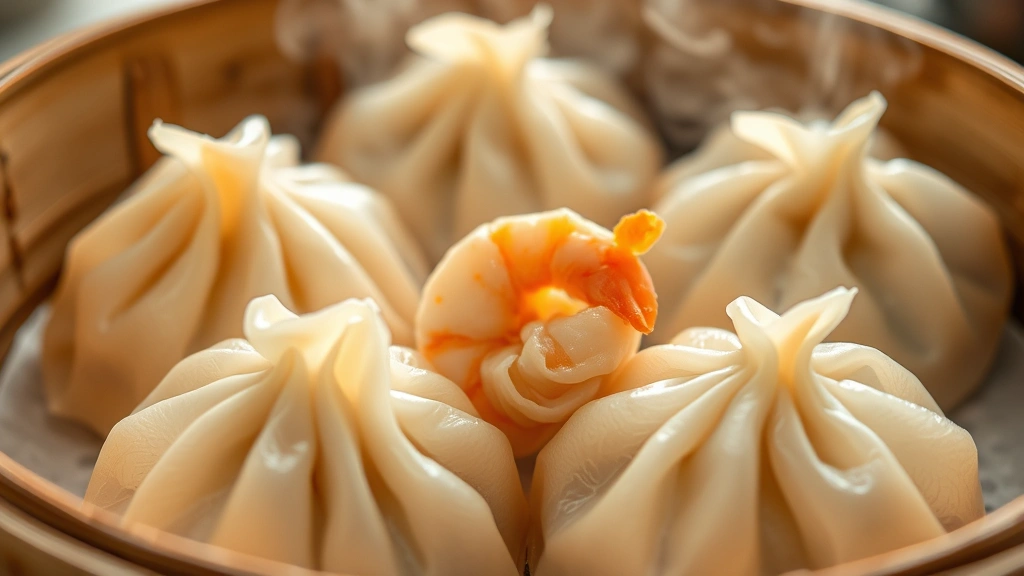
The dim sum service at Chen’s represents the restaurant’s strongest offering, and frankly, where the hype proves entirely justified. The har gow (shrimp dumplings) arrived with translucent, delicate wheat starch wrappers that possessed that coveted silken texture—achieved only through meticulous steaming technique and precise timing. Each wrapper yielded with the gentlest pressure of the teeth, revealing plump white shrimp that snapped with oceanic freshness, complemented by just a whisper of bamboo shoot for textural contrast. The dumpling’s pleats were counted at sixteen—a traditional marker of craftsmanship—and each one was executed with mathematical precision.
Siu mai (pork and shrimp dumplings) demonstrated equally impressive technique. The open-top construction showcased a filling of finely minced pork with a subtle ratio of shrimp, water chestnuts providing a gentle crunch, and shiitake mushrooms contributing an earthy umami depth. The wrapper itself—a thin yellow egg-enriched square—maintained structural integrity while remaining tender enough that it melted into the palate rather than requiring vigorous mastication. A single preserved egg yolk crowned each dumpling, its creamy, mineral-rich center creating a flavor bridge between the pork and the overall umami profile.
The chicken feet with black bean sauce (feng zhao) warranted particular attention. This dish, often dismissed by Western diners unfamiliar with Chinese culinary traditions, represents a masterclass in slow-braising technique. The cartilaginous extremities had been cooked until the collagen transformed into gelatin, creating a texture simultaneously delicate and substantial. The fermented black beans provided a pungent, salty counterpoint, while sliced garlic and ginger added aromatic complexity. The sauce itself—silky, deeply flavored, and clingy in the best possible way—coated each morsel with umami-forward intensity that lingered pleasantly on the palate long after swallowing.
Equally noteworthy were the char siu bao (barbecued pork buns). The dough had achieved that impossible balance: simultaneously light and airy with a subtle sweetness, yet substantial enough to provide structural integrity. The filling of tender, glistening barbecued pork—characterized by its distinctive caramelized exterior and pink smoke ring—was bound with a glossy sauce that suggested careful attention to ratios and cooking temperatures. The contrast between the cloud-like bun exterior and the concentrated savory intensity of the filling created a textural and flavor experience that justified the restaurant’s reputation.
Sichuan Authenticity and Heat
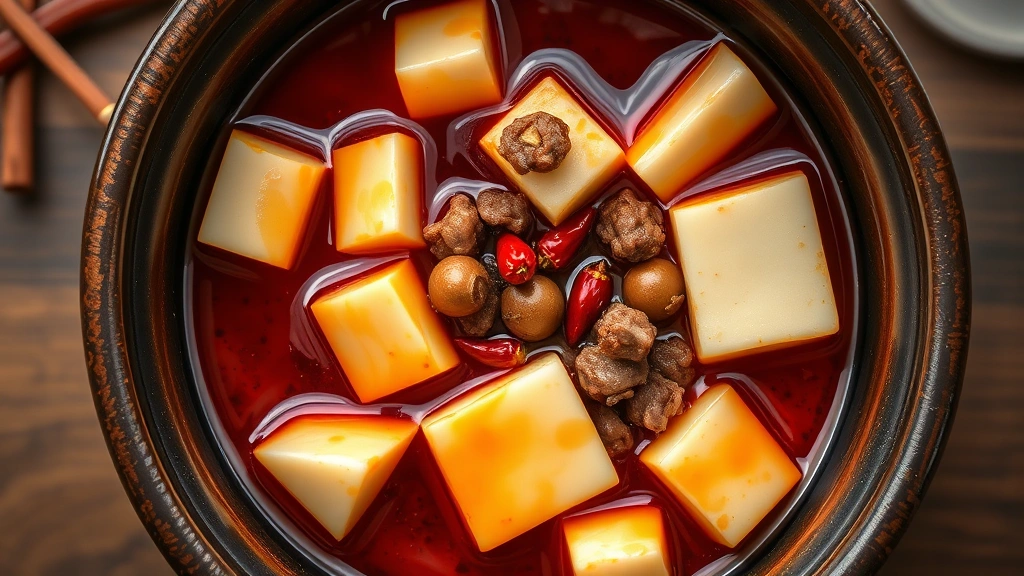
The Sichuan section of Chen’s menu had generated particular excitement, with claims of authentic preparations sourced from Chengdu techniques. The mapo tofu arrived in a traditional earthenware vessel, its surface glistening with chili oil that ranged from deep crimson to mahogany in color. The numbing sensation—that distinctive ma la (numbing-spicy) sensation derived from Sichuan peppercorns—hit first, a tingling sensation that spread across the tongue and lips like gentle electrical currents. This was no gimmick; the numbing sensation was properly calibrated, enhancing rather than overwhelming the palate.
The tofu itself deserved commendation. Silken in texture, the cubes maintained their structural integrity within the aggressive sauce while remaining tender enough to require only the gentlest pressure from the spoon. Ground pork provided textural contrast and additional umami depth, its fat content enriching the sauce. Fermented black beans added a savory complexity, while Sichuan peppercorns contributed their signature numbing quality. Critically, the heat level was properly balanced—intense enough to demand respect, but not so overwhelming that it obliterated the underlying flavor architecture.
The chongqing chicken (la zi ji) presented a more challenging profile. Bite-sized chicken pieces were coated in a crackling exterior achieved through proper double-frying technique, then tossed with whole dried chilies, Sichuan peppercorns, garlic, and ginger. The initial bite delivered a textural satisfaction—the crispy exterior giving way to tender, juicy meat. However, the overwhelming heat from the dried chilies somewhat obscured the chicken’s inherent flavor. The numbing sensation was pronounced, but the balance between heat, numbing, and other flavor elements felt slightly aggressive. This is a dish that demands respect and comes with the understanding that it’s designed to challenge rather than coddle the palate.
Particularly impressive was the peppery beef with crispy rice. This dish showcased Chen’s attention to technique: the beef was sliced against the grain to maximize tenderness, stir-fried at high temperature to develop a slight caramelization while maintaining a medium-rare interior. The crispy rice—fried until it achieved a golden, crunchy exterior—was tossed with the beef and a sauce that balanced soy, ginger, garlic, and a restrained amount of chili. The contrast between the crispy rice’s texture and the tender beef, combined with the aromatic qualities of the sauce, created a more nuanced Sichuan experience than the la zi ji.
Wok Mastery in Classic Dishes
The true measure of a Chinese restaurant’s technical proficiency lies in its execution of seemingly simple stir-fried dishes. Chen’s delivers admirably in this category. The asparagus with garlic demonstrated proper wok temperature management—the vegetable retained a vibrant green color and a firm bite, indicating that the cooking process had been brief and intense. Thin-sliced garlic was barely caramelized, contributing aromatic qualities without becoming acrid or burnt. The dish was dressed with a light hand, allowing the vegetable’s inherent sweetness to shine through while sesame oil provided a finishing note of nutty richness.
The bok choy with oyster sauce followed similar principles. The leafy greens maintained their structure and color, while the stems—which require slightly longer cooking—had softened just enough to yield to the teeth without becoming mushy. The oyster sauce provided a glossy coating and umami depth without overwhelming the delicate vegetable. This is a dish that separates competent restaurants from mediocre ones, and Chen’s clearly falls into the former category.
More complex was the kung pao chicken, a dish that requires careful orchestration of timing, temperature, and technique. The chicken was cut into uniform cubes, ensuring even cooking and allowing each piece to develop a slight caramelization on its exterior while maintaining a juicy interior. Roasted peanuts provided textural contrast and a subtle earthiness, while whole dried chilies contributed heat and smoky notes. The sauce—balanced between soy, rice vinegar, and a touch of sugar—coated each component without pooling excessively at the bottom of the plate. The dish demonstrated proper understanding of the flavor principle that defines this classic: the interplay between heat, sourness, sweetness, and umami.
Seafood Preparations and Technique
Chen’s seafood preparations reveal both technical proficiency and occasional missteps. The whole steamed fish with ginger and scallions arrived as a complete specimen—head, tail, and all—its flesh barely opaque and flaking with the gentlest pressure of chopsticks. The aromatics were properly balanced: thin julienne of ginger provided warmth and subtle spice, while sliced scallions contributed bright, onion-forward notes. A light drizzle of superior soy sauce and sesame oil finished the dish, allowing the fish’s delicate flavor to remain the protagonist rather than becoming obscured by heavy sauces.
The shrimp with lobster sauce presented a different challenge. The shrimp were properly cooked to a firm, slightly springy texture—a critical detail that many restaurants miss, overcooking the proteins into rubbery submission. The sauce, enriched with salted egg yolk and fermented black beans, created a luxurious, velvety coating. However, the sauce’s richness somewhat overwhelmed the shrimp’s subtle sweetness; a lighter hand with the egg yolk would have allowed more of the protein’s inherent flavor to register on the palate.
The salt and pepper squid demonstrated proper technique in the crucial cooking stage. The squid rings were scored lightly to create texture, then briefly blanched in oil at precisely the right temperature—high enough to cook the exterior while leaving the interior tender and succulent. The finishing toss with salt, white pepper, and aromatic scallions created a simple yet effective dish. This is comfort food elevated through technique rather than complex flavor engineering.
Broth as Foundation
A restaurant’s commitment to quality often reveals itself in its broths and stocks. Chen’s house-made broths demonstrate this commitment admirably. The chicken and ginseng soup arrives as a clear, amber liquid with a subtle sweetness derived from the ginseng and dried scallop. A single taste reveals hours of simmering: the body is substantial without being heavy, and the flavor is clean and restorative. Tender chicken pieces float within, their flesh having surrendered completely to the cooking process, becoming almost silken in texture. This is the sort of soup that makes you understand why it’s been consumed as a health tonic in Chinese cuisine for centuries.
The hot and sour soup showcased similar attention to detail. The broth was properly balanced between the pungency of white pepper and the sourness of vinegar, with neither element overwhelming the other. Silken tofu, shredded mushrooms, and thin strips of pork provided textural variety, while the consistency was achieved through proper cornstarch application—resulting in a silky mouthfeel rather than a sludgy, heavy coating. This is a dish that tastes deceptively simple but requires significant technical skill to execute properly.
Service, Ambiance, and Value Proposition
Beyond the food itself, Chen’s delivers a complete dining experience worthy of consideration. The family-friendly atmosphere welcomes everyone from business diners to multi-generational family groups. If you’re seeking outdoor seating restaurants near me, Chen’s offers a pleasant patio option during warmer months. For those with dietary restrictions, the kitchen demonstrates flexibility; I observed the staff engaging thoughtfully with guests inquiring about gluten free restaurants options.
The wine program, curated by the sommelier, features selections that pair thoughtfully with Chinese cuisine—a rarity in many restaurants. The restaurants open late near me category applies to Chen’s, which remains open until 11 PM on weekdays and midnight on weekends, accommodating various dining schedules. For those with canine companions, the pet friendly restaurants near me search might lead you here, as the patio accommodates well-behaved dogs.
Pricing sits in the mid-to-upper range for Chinese dining, with entrées ranging from $16 to $34. The dim sum service operates on a cart system during lunch hours, with individual items priced from $3.50 to $6.50. This represents fair value given the evident quality of ingredients and technical execution. The farm to table restaurants movement emphasizes ingredient quality, and Chen’s similarly prioritizes sourcing—visible in the vibrant colors and pristine condition of every component.
Service staff demonstrated comprehensive menu knowledge, offering thoughtful recommendations without pushing the highest-priced items. Water glasses were refilled attentively, and the pacing between courses was expertly managed. During the dim sum service, the cart attendants explained each offering with enthusiasm, allowing diners to make informed selections.
FAQ
Is Chen’s Chinese Restaurant worth the hype?
Yes, with qualifications. The dim sum service and Sichuan preparations are genuinely excellent and worth seeking out. The classic stir-fried dishes demonstrate solid technical execution. However, some seafood preparations could be refined, and the overall experience, while very good, doesn’t quite reach the rarefied heights of truly world-class Chinese restaurants. It’s a strong regional destination that delivers excellent value and consistently well-executed food.
What should I order at Chen’s?
Prioritize the dim sum offerings, particularly the har gow, siu mai, and char siu bao. The Sichuan preparations—specifically the mapo tofu and peppery beef with crispy rice—showcase the kitchen’s strengths. For classic dishes, the asparagus with garlic and kung pao chicken demonstrate proper technique. Don’t miss the soups, particularly the chicken and ginseng broth.
How is the service quality?
Service is attentive and knowledgeable. Staff members understand the menu deeply and make thoughtful recommendations. The pacing is well-managed, and the overall experience feels refined without being pretentious. This is particularly noteworthy given that service quality can be inconsistent at many Chinese restaurants.
What are the vegetarian options?
Several vegetable-forward dishes are available, including asparagus with garlic, bok choy with oyster sauce, and vegetable dim sum options. However, many dishes contain meat products or fish-based sauces, so vegetarian diners should inquire with their server about specific preparations.
Does Chen’s accommodate dietary restrictions?
Yes. The kitchen is responsive to requests regarding gluten-free preparations, spice level adjustments, and allergies. Communicate clearly with your server about specific dietary needs, and the kitchen will work to accommodate them thoughtfully.
Is reservation required?
Reservations are recommended, particularly for dinner service and weekend dim sum. Walk-ins may experience wait times during peak hours, though the bar area provides a comfortable space for guests awaiting tables.
What external resources can help me understand Chinese cuisine better?
The Culinary Institute of America offers comprehensive information about cooking techniques and culinary traditions. For understanding flavor science in Chinese cooking, consult research from The Flavor Science Institute. The International Association of Culinary Professionals provides resources on contemporary culinary practices. For critical perspectives on Chinese cuisine, The New York Times Food Section features expert reviews. Additionally, The American Culinary Federation maintains resources on professional cooking standards.


