Continental Cuisine? Chef’s Top Picks Revealed
Continental cuisine represents one of the most refined and sophisticated dining experiences available today, blending European culinary traditions with meticulous technique and an unwavering commitment to ingredient quality. This elegant style of cooking draws inspiration from French, Italian, Spanish, and German gastronomy, creating a harmonious symphony of flavors that celebrates both classical preparation methods and contemporary innovation. When top chefs discuss their favorite romantic restaurants, continental establishments frequently dominate the conversation, and for good reason—they offer an unparalleled culinary journey that engages all the senses.
The essence of continental dining lies in its meticulous attention to detail, from the precise searing of proteins to the delicate emulsification of classic sauces. Chefs who specialize in this cuisine understand that continental food is not merely about sustenance; it’s about storytelling through taste, presentation, and the careful orchestration of complementary flavors. Throughout this exploration, we’ll uncover what makes continental restaurants truly exceptional and discover the chef-endorsed establishments that consistently deliver extraordinary experiences.
What Defines Continental Cuisine
Continental cuisine emerged during the 19th century as a refined culinary approach that synthesized the best practices from across European cooking traditions. Unlike regional cuisines that celebrate local specificity, continental food embraces a more cosmopolitan perspective, incorporating techniques and ingredients from multiple European cultures while maintaining a sophisticated, restrained aesthetic. The philosophy emphasizes balance, proportion, and the principle that every element on the plate serves a purpose.
The foundation of continental cooking rests upon several core principles. First, classical French technique provides the backbone—think perfectly executed mother sauces, precise knife work, and methodical mise en place. Second, the cuisine values ingredient quality above all else, often sourcing from farm to table restaurants that prioritize seasonal, locally-sourced products. Third, presentation matters enormously; plating is considered an art form where visual appeal complements gustatory pleasure. Finally, continental dining celebrates the interplay between tradition and innovation, respecting classical preparations while encouraging thoughtful modernization.
When you visit a true romantic restaurant specializing in continental fare, you’ll notice the menu often features European staples prepared with extraordinary precision. Dover sole meunière, beef Wellington, coq au vin, osso buco, and perfectly executed risottos appear with regularity, each dish representing years of refinement and technique mastery.
Essential Techniques Continental Chefs Master
The technical foundation of continental cooking requires years of dedicated study and practice. Professional chefs working in this tradition develop expertise across multiple specialized areas that distinguish their work from casual cooking.
Sauce mastery represents perhaps the most critical skill. Continental chefs must understand the five mother sauces—béchamel, velouté, espagnole, hollandaise, and tomato sauce—and their countless variations. Creating a silky beurre blanc that coats the back of a spoon with perfect viscosity, or achieving the ideal emulsion in a béarnaise requires deep understanding of chemistry and technique. Many chefs credit their sauce expertise to classical training at prestigious culinary institutions. The preparation of best sauce recipes for pasta demonstrates how fundamental sauce-making principles apply across various applications.
Protein cookery demands absolute precision. Whether preparing a perfectly pink duck breast with crispy skin, achieving the ideal medium-rare temperature on an expensive cut of beef, or delicately cooking fish to the point where it flakes but remains moist, continental chefs possess an intuitive understanding of heat transfer and carryover cooking. They recognize that resting proteins properly—allowing residual heat to distribute and juices to redistribute—makes the difference between good and exceptional results.
Reduction and concentration techniques intensify flavors through careful simmering, allowing water to evaporate while flavors become more pronounced and complex. A well-executed demi-glace represents hours of careful attention, where stock reduces gradually, impurities are skimmed away, and the final product achieves a glossy, rich consistency that coats preparations with deep, savory complexity.
Knife skills and mise en place form the foundation of all classical training. Continental chefs cut vegetables into precise, uniform sizes ensuring even cooking. They maintain organized workstations where every ingredient is prepared and positioned before cooking begins, allowing them to work with the fluid efficiency that characterizes professional kitchens.
Temperature control and timing require constant attention. Understanding how to maintain precise temperatures across multiple burners, coordinating the cooking of different components so they finish simultaneously, and knowing exactly when to plate each element demonstrates the orchestration required in continental cooking.
Signature Dishes Every Continental Restaurant Should Perfect
Certain dishes have become synonymous with continental excellence, serving as benchmarks against which chefs measure their capabilities.
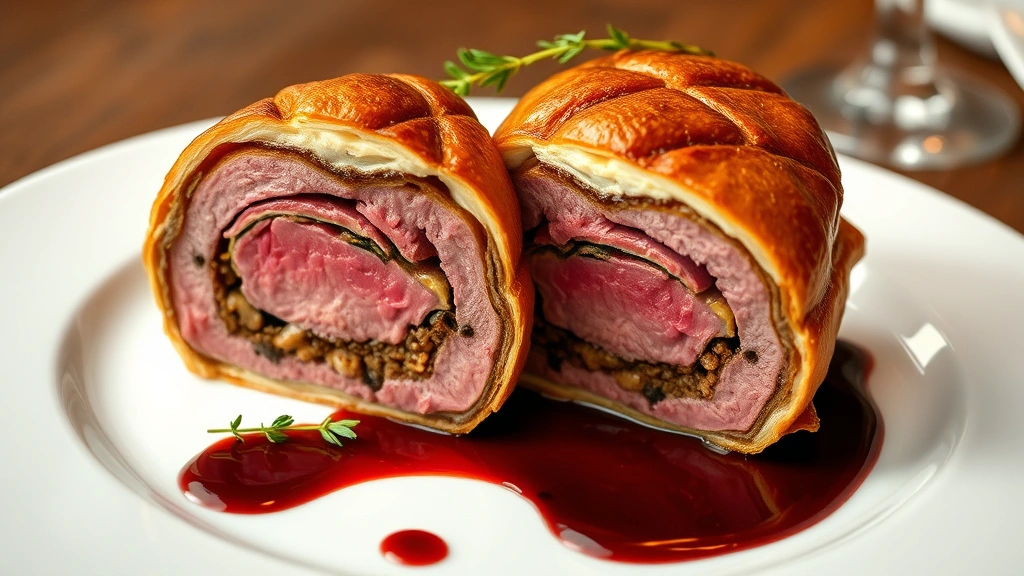
Beef Wellington exemplifies continental technique convergence. The dish requires perfectly seared beef tenderloin, a delicate mushroom duxelles, pâté layers, and flaky pastry encasement. Each component must be executed flawlessly, and the final product demands precise oven timing to achieve a rosy interior while ensuring the pastry achieves golden-brown crispness. The challenge lies in managing different cooking rates—the beef must not overcook while the pastry bakes.
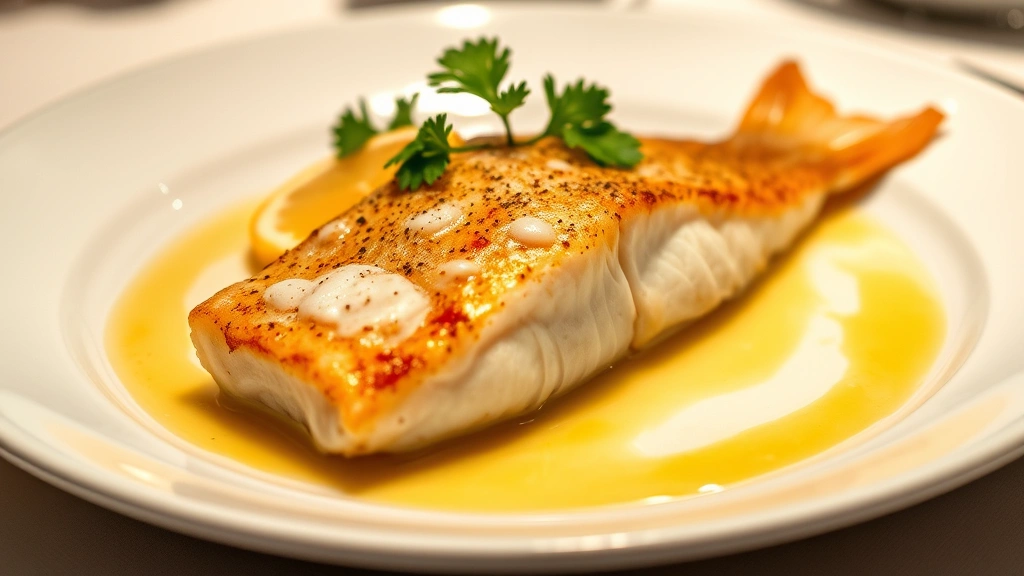
Dover sole meunière celebrates simplicity elevated through technique. The fish is delicately floured, pan-fried in clarified butter until it achieves golden-brown exterior while remaining tender within, then finished with browned butter and fresh lemon. This seemingly straightforward preparation reveals a chef’s true skill level; there’s nowhere to hide when only four ingredients comprise the dish.
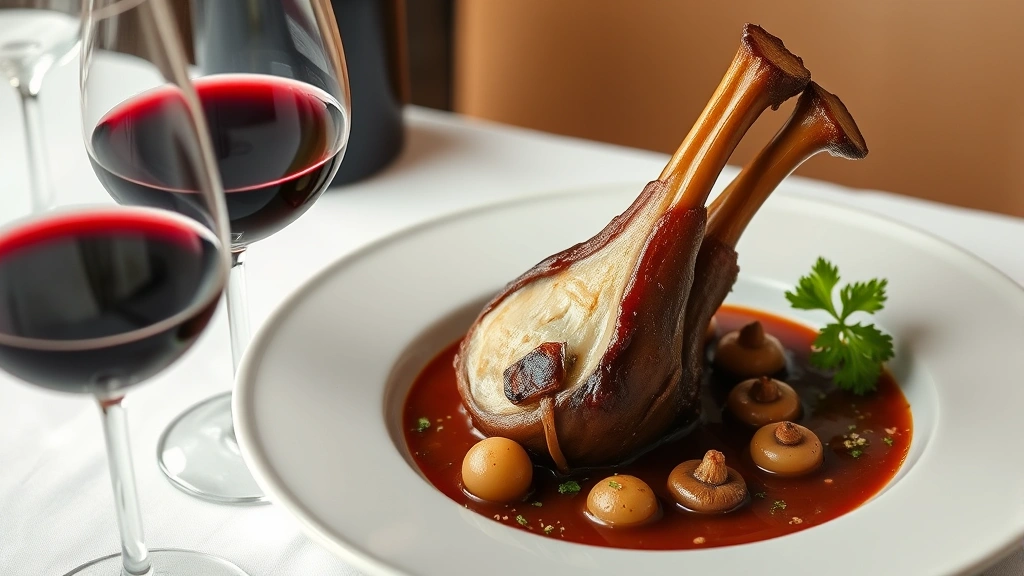
Coq au vin demonstrates the continental approach to braises. Chicken is marinated in wine, then slowly braised with pearl onions, mushrooms, and lardons until the meat becomes tender enough to cut with a spoon. The braising liquid reduces to create a glossy, wine-rich sauce that epitomizes comfort and sophistication simultaneously.
Osso buco showcases how continental cuisine transforms humble ingredients into something extraordinary. Veal shanks are braised low and slow until the marrow becomes creamy and the meat falls from the bone. The gremolata garnish—a bright mixture of lemon zest, garlic, and parsley—provides acidic counterpoint that balances the richness.
Sole Véronique represents the lighter side of continental cuisine, where delicate white fish is poached in white wine and fish stock, then finished with a light cream sauce and garnished with seedless grapes that provide subtle sweetness and textural contrast.
The Role of Fresh Ingredients in Continental Excellence
Continental cuisine’s commitment to ingredient quality cannot be overstated. Unlike cuisines that rely heavily on spices and bold flavoring techniques to mask ingredient mediocrity, continental cooking allows ingredients to speak for themselves, making their quality absolutely essential.
Top chefs working in continental restaurants maintain close relationships with purveyors, often visiting farms and markets personally to select the finest available products. They understand that a perfectly ripe tomato in season tastes incomparably better than an out-of-season alternative, and they structure their menus accordingly, changing offerings as ingredients reach peak availability. This farm to table approach aligns perfectly with continental philosophy.
Butter quality matters profoundly in continental cooking. European-style butter with higher fat content and lower water content produces superior results in sauces, pastries, and pan preparations. Chefs often source butter from specific producers known for exceptional flavor and texture.
Fish selection demands expertise. Continental chefs understand that wild-caught fish possesses superior flavor compared to farmed alternatives, and they know which varieties peak during which seasons. They recognize that Dover sole differs fundamentally from other sole species, justifying its premium price point through superior flavor and texture.
Produce selection involves similar discrimination. Continental chefs seek out heirloom vegetable varieties, understanding that modern commodity farming often prioritizes appearance and shipping durability over flavor. They embrace seasonal variation, celebrating asparagus in spring, tomatoes in summer, mushrooms in fall, and root vegetables in winter.
Wine Pairing Philosophy in Continental Dining
Wine plays an integral role in continental dining, functioning not merely as a beverage but as an essential component of the culinary experience. Continental chefs approach wine pairing with the same precision they apply to cooking.
The fundamental principle guiding continental wine service holds that wines should complement dishes without overwhelming them. A perfectly paired wine enhances both the dish and the wine, creating synergy where neither dominates. This philosophy often leads to pairing with lighter, more elegant wines than casual diners might expect.
Sommelier expertise becomes essential in fine continental restaurants. Trained professionals understand how sauce composition, cooking method, and ingredient selection influence ideal wine pairings. They recognize that a rich, butter-based sauce pairs differently than a tomato-based preparation, and they adjust recommendations accordingly.
European wines—particularly from France, Italy, Spain, and Germany—feature prominently on continental wine lists. Burgundies complement delicate fish preparations, Bordeaux pairs beautifully with beef, and Italian reds enhance pasta dishes. German Rieslings provide excellent pairing flexibility, offering sweetness, acidity, and complexity that complements numerous preparations.
The concept of terroir—the idea that a wine’s characteristics reflect its geographic origin—holds particular importance in continental dining. Chefs and sommeliers celebrate how specific vineyard locations produce wines with distinctive qualities, and they seek to match these unique characteristics with equally distinctive dishes.
Top Continental Restaurant Picks by Professional Chefs
When culinary professionals discuss their favorite continental establishments, several characteristics consistently emerge. These restaurants maintain rigorous standards regarding ingredient selection, technique execution, and service consistency. They invest significantly in staff training, ensuring that every team member understands the philosophy behind each dish. They maintain relationships with trusted purveyors, often featuring the same producers across seasons and years.
Professional chefs frequently recommend restaurants that balance tradition with thoughtful innovation. The best continental establishments respect classical preparations while exploring how contemporary techniques might enhance traditional dishes. They avoid unnecessary modernization for its own sake, instead making deliberate choices about when and how to evolve their offerings.
Many chef-endorsed Italian restaurants incorporate continental principles, blending Italian ingredients and techniques with the refined approach characteristic of continental cuisine. These establishments often feature both Italian classics and continental interpretations of Italian-inspired dishes.
Restaurants with patios near me that specialize in continental fare offer particularly appealing options during warm months. The combination of sophisticated cuisine with alfresco dining creates memorable experiences, and top chefs recognize that ambient factors—natural light, fresh air, pleasant surroundings—enhance the eating experience.
Service standards distinguish exceptional continental restaurants. Professional servers possess detailed knowledge about each dish’s ingredients and preparation, can make wine recommendations with confidence, and maintain attentiveness without hovering. They understand timing, clearing plates at appropriate moments and allowing diners sufficient time between courses to appreciate each preparation fully.
Creating Continental Ambiance and Atmosphere
Continental restaurants recognize that dining comprises multiple sensory dimensions beyond taste. The visual presentation of food matters, as does the restaurant’s physical environment, service quality, and overall atmosphere.
Fine outdoor seating restaurants specializing in continental cuisine often feature elegant design elements—crisp white tablecloths, refined glassware, carefully arranged place settings—that telegraph quality and attention to detail before diners taste a single bite. The environment should feel sophisticated without becoming intimidating, welcoming without sacrificing refinement.
Lighting design plays a crucial role, with many continental restaurants favoring soft, warm lighting that flatters both food and diners. Harsh overhead lights or excessively bright environments undermine the sophisticated atmosphere these establishments cultivate.
Music selection contributes significantly to ambiance. Classical music, jazz, or carefully curated contemporary selections played at conversational volume enhance the dining experience without demanding attention or interrupting conversation.
Table spacing matters considerably. Diners should feel they have adequate privacy and personal space, rather than being packed closely together. This spaciousness allows conversations to remain private and creates an intimate atmosphere even in moderately sized dining rooms.
Plating aesthetics communicate respect for diners and the culinary craft. Food should be arranged thoughtfully, with negative space on plates providing visual breathing room. Colors should complement rather than clash, and heights should vary to create visual interest.
FAQ
What distinguishes continental cuisine from other European cooking styles?
Continental cuisine synthesizes techniques and ingredients from multiple European traditions, emphasizing refinement, restraint, and sophisticated technique. Unlike regional cuisines celebrating local specificity, continental cooking embraces a more cosmopolitan approach while maintaining classical French technique as its foundation. It prioritizes ingredient quality, precise preparation, and balanced flavor profiles over bold, assertive seasonings.
How important is classical French training for continental chefs?
Classical French training remains fundamental to continental culinary excellence. The five mother sauces, knife skills, and mise en place principles form the technical foundation upon which continental cooking rests. Many top chefs have trained at prestigious culinary institutions like Ferrandi Paris or completed apprenticeships under established French chefs. However, contemporary continental chefs increasingly blend classical training with techniques from other European traditions.
What should diners look for when selecting a continental restaurant?
Seek restaurants demonstrating commitment to ingredient quality through seasonal menu changes and relationships with trusted purveyors. Examine how dishes are plated and presented—refined plating suggests attention to detail throughout the kitchen. Read reviews from culinary professionals and experienced diners, not just casual customers. Verify that the restaurant maintains consistent standards across multiple visits. Finally, consider whether the chef-owner remains actively involved in the kitchen, as this often correlates with higher quality standards.
How does continental cuisine approach sauce preparation differently?
Continental chefs view sauces as essential components that enhance rather than mask primary ingredients. They invest significant time in creating rich stocks that form sauce foundations, understanding that quality sauces require hours of careful preparation. They master emulsification techniques to create silky, luxurious textures, and they use sauces sparingly, allowing other flavors to remain prominent. This contrasts with some cuisines where heavy sauces dominate plates.
Why do continental restaurants emphasize wine pairings so strongly?
Wine pairings enhance the complete dining experience by creating synergy between food and beverage. Continental philosophy recognizes that carefully selected wines complement dishes in ways that highlight the best qualities of both. Professional sommeliers at top culinary organizations emphasize that proper pairings elevate the entire meal, making wines worth the investment. The practice reflects continental cuisine’s overall commitment to refinement and attention to detail.
Can home cooks successfully prepare continental dishes?
Yes, though achieving professional-level results requires significant practice and investment in quality ingredients and equipment. Home cooks should focus first on mastering classical techniques—proper sauce preparation, temperature control, and knife skills. They should invest in quality butter, fresh ingredients, and appropriate cookware. Starting with simpler dishes like sole meunière or basic braises allows skill development before attempting complex preparations like beef Wellington. Many excellent resources exist through culinary institutes offering detailed instruction.
How do contemporary chefs balance tradition with innovation in continental cuisine?
The finest contemporary continental chefs respect classical preparations while thoughtfully exploring how modern techniques might enhance traditional dishes. This might involve using modern equipment for precision temperature control while maintaining classical flavor profiles, or incorporating contemporary plating aesthetics while preserving traditional ingredient combinations. The key distinction lies in making deliberate, justified choices about evolution rather than changing traditions arbitrarily for novelty’s sake.


