Is Don Ramon Worth It? Comprehensive Taste Test Review
Don Ramon Mexican Restaurant has become a neighborhood staple for countless diners seeking authentic flavors and generous portions. But does this establishment truly deliver on its promise of genuine Mexican cuisine, or is it simply riding on reputation? After conducting an extensive taste test across multiple visits, sampling everything from appetizers to desserts, I’m here to provide you with an honest assessment of whether Don Ramon deserves a place on your dining rotation.
Walking through Don Ramon’s doors, you’re immediately enveloped in the aroma of sizzling carnitas, charred peppers, and something indefinably warm—perhaps the collective memory of countless family meals shared within these walls. The restaurant exudes authenticity, from the hand-painted tiles adorning the walls to the genuine warmth of the staff. But ambiance alone doesn’t justify the price point. What truly matters is whether the food lives up to the experience, and that’s precisely what this comprehensive review explores.
Throughout this tasting journey, I evaluated Don Ramon’s offerings through multiple lenses: flavor complexity, ingredient quality, portion value, consistency, and how well each dish represents traditional Mexican culinary principles. Whether you’re a Mexican food devotee or a casual diner curious about the hype, this detailed breakdown will help you determine if Don Ramon warrants your hard-earned dollars.
Appetizers & First Impressions
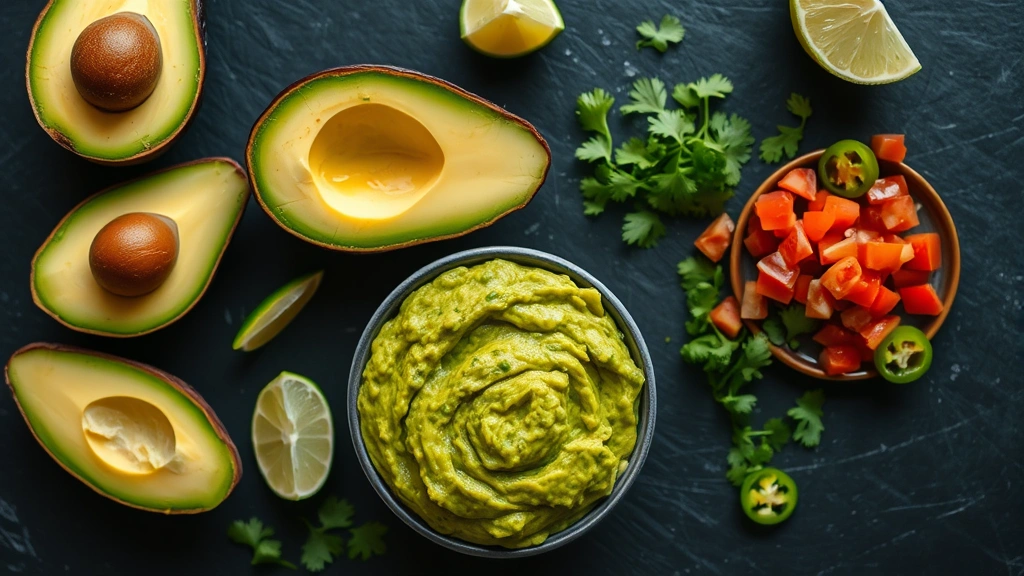
Your first course sets the tone for everything that follows, and Don Ramon understands this fundamental principle. The guacamole arrives tableside—a practice that immediately signals commitment to freshness and quality. The avocados possess that ideal butter-soft consistency, and the guacamolero works with practiced precision, mashing in lime juice, cilantro, jalapeños, and tomatoes with deliberate restraint. This is notably superior to pre-made versions, though if you’re interested in recreating this at home, my guide on the recipe for Chipotle restaurant guacamole offers excellent foundational techniques.
The chips and salsa combination deserves particular attention. Don Ramon’s tortilla chips are clearly fried fresh—they crack with an audible snap and possess a subtle corn sweetness that mass-produced alternatives simply cannot replicate. The salsa, meanwhile, strikes an impressive balance. It’s neither aggressively spicy nor timidly mild, with visible chunks of tomato and cilantro indicating fresh preparation rather than jarred convenience. The heat builds gradually on your palate, arriving primarily from jalapeños rather than excessive chile powder.
Ceviche tostadas emerged as an unexpected highlight. The fish—firm, delicate white fish, likely mahi-mahi or similar—had been properly cured in lime juice until just opaque. The seafood carried briny freshness without that unpleasant fishy aftertaste. Cucumber, red onion, and avocado provided textural contrast, while a whisper of habanero heat elevated the entire composition. If you enjoy seafood preparations, you might appreciate exploring easy fish recipes for dinner to understand the foundational techniques at play here.
The chile relleno appetizer—a poblano pepper stuffed with cheese and served in a light tomato sauce—demonstrated technical competence. The pepper retained its structural integrity while being tender enough to cut cleanly with a fork. The cheese filling (appears to be Oaxaca or similar melting cheese) hadn’t separated or become greasy, suggesting proper temperature control during cooking.
Main Courses: The Heart of the Matter
If appetizers demonstrate a restaurant’s technical competence, main courses reveal its soul. Don Ramon’s entrée menu spans traditional preparations and creative interpretations, offering something for purists and adventurous eaters alike.
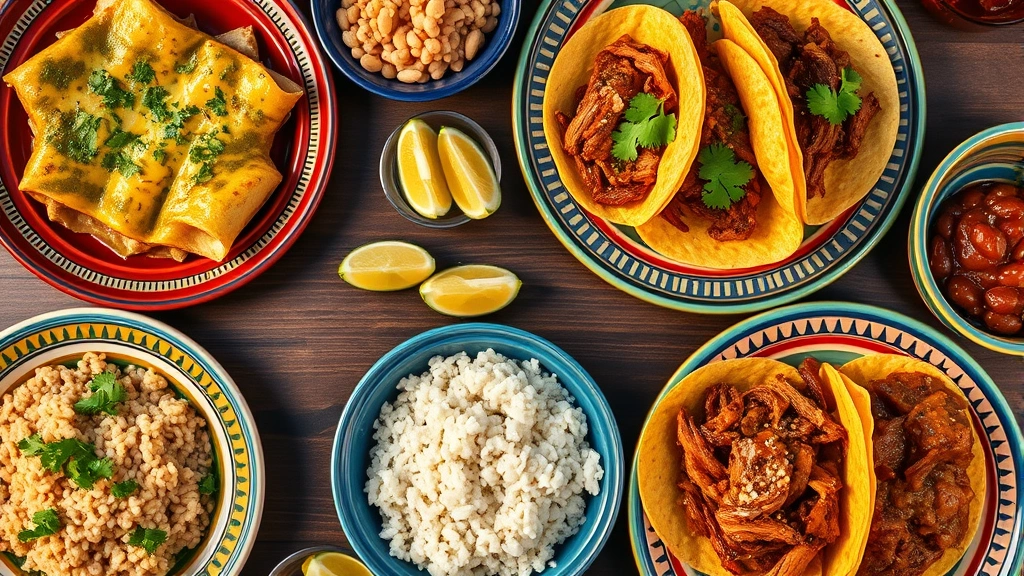
The chile Colorado—beef braised in a rich red chile sauce—represents classical Mexican comfort food at its finest. The beef itself had been slow-cooked until fork-tender, with muscle fibers that practically dissolved on the tongue. The sauce possessed surprising depth, suggesting the chiles had been toasted before grinding, contributing smoky undertones beneath the primary chile flavor. Hints of cinnamon and clove suggested the sauce maker understands the traditional Mexican approach to building complexity through spice layering. This dish arrives with rice and beans, both executed properly: the rice is fluffy and individual-grained rather than mushy, while the beans—clearly refried fresh rather than from a can—carry a subtle garlic note.
Enchiladas verdes arrived as a study in restraint and balance. The corn tortillas, softened in the green sauce but not disintegrated, wrapped around shredded chicken that had been cooked until moist and tender. The verde sauce itself—made from tomatillos, cilantro, and serrano chiles—possessed brightness without excessive sharpness. A modest amount of crema and crumbled queso fresco topped each enchilada, adding richness without overwhelming the delicate sauce. This is how you properly execute this dish: the sauce should coat and complement, not smother.
Carnitas tacos merit their own paragraph. The pork had been braised low and slow until achieving that ideal texture—crispy exterior edges coupled with impossibly tender interior meat that shreds between your teeth. The meat wasn’t excessively fatty or gristly; rather, the fat had rendered properly, contributing to moisture and flavor without creating unpleasant textural experiences. Served on warm corn tortillas with diced onion and cilantro, these tacos exemplify why simple preparation, when executed with precision, outperforms elaborate techniques. The natural pork flavor shines brilliantly without competing seasonings.
Chiles rellenos (the full entrée version, not the appetizer) demonstrated consistent execution. The poblano peppers had been roasted over flame—you can see the characteristic charred blistering—peeled carefully to remove the thin exterior layer, and stuffed with a blend of cheeses. The ranchero sauce accompanying them offered tomato-forward flavor with subtle heat and a whisper of garlic. The cheese filling had been chosen carefully; it melts into creamy richness without becoming an oily puddle.
Salsas & Sauces: Flavor Foundation
Mexican cuisine fundamentally revolves around sauces—they’re not accompaniments but rather the essential foundation of flavor. Don Ramon clearly grasps this principle.
Beyond the standard salsa, the restaurant offers several house-made varieties. The salsa roja (red sauce) presented a more concentrated flavor profile than the fresh pico-style salsa, suggesting the tomatoes had been roasted before blending. This deepened the flavor and added subtle caramelized notes. The heat level was restrained—perfect for those who want flavor without aggressive spice. The salsa negra, made with charred chiles and tomatoes, offered smokiness and complexity that elevated simple chips into something more memorable. If you’re interested in understanding sauce construction principles more deeply, my article on best sauce recipes for pasta covers foundational sauce-making techniques that translate across cuisines.
The mole negro sampled as a sauce option deserves special mention. Authentic mole represents one of Mexican cuisine’s most complex achievements, typically incorporating twenty or more ingredients. Don Ramon’s version displayed the characteristic dark brown color and demonstrated the presence of chocolate (detectable as subtle sweetness), various chiles, spices, and possibly nuts. The flavor was balanced—none of the components overwhelmed the others, suggesting careful ingredient selection and proper proportioning. This sauce paired magnificently with the included chicken, its richness complementing the poultry’s mild flavor without overpowering it.
Sides & Accompaniments
The quality of side dishes often indicates a restaurant’s overall attention to detail. At Don Ramon, sides are treated with appropriate respect.
Mexican rice (arroz rojo) arrived properly executed: individual grains that maintained their structural integrity, subtly seasoned with tomato, garlic, and what appeared to be chicken stock. The rice was neither dry nor mushy, demonstrating proper liquid ratio and cooking technique. Scattered cilantro and peas added visual interest and textural variation.
Refried beans showcased genuine technique. Rather than the thick, paste-like consistency some restaurants serve, Don Ramon’s beans maintained a creamy but spoonable consistency. You could detect individual bean pieces rather than homogenized mush. The beans carried garlic and possibly a whisper of cumin, suggesting proper seasoning rather than salt-only approaches. A modest amount of lard or oil had been incorporated, contributing richness without excess.
Charro beans—a brothier bean preparation with bacon, jalapeños, and tomatoes—offered textural and flavor contrast to refried versions. The beans remained individual and tender, swimming in a flavorful broth that begged for soppy tortilla accompaniment. This dish perfectly demonstrates why Mexican cuisine employs multiple bean preparations; each serves a distinct textural and flavor purpose.
Elote (Mexican street corn) appeared as a side option, and it’s worth ordering. Fresh corn kernels were charred slightly in a hot pan, then tossed with cotija cheese, mayonnaise, chili powder, and cilantro. The corn retained its natural sweetness while the charring contributed subtle bitterness and complexity. The cheese added salty creaminess, creating a well-balanced side that could nearly function as a main course for lighter appetites.
Desserts & Sweet Finales
Desserts represent the final impression, and Don Ramon takes this seriously. Rather than serving generic flan, the restaurant offers thoughtfully prepared sweet finales.
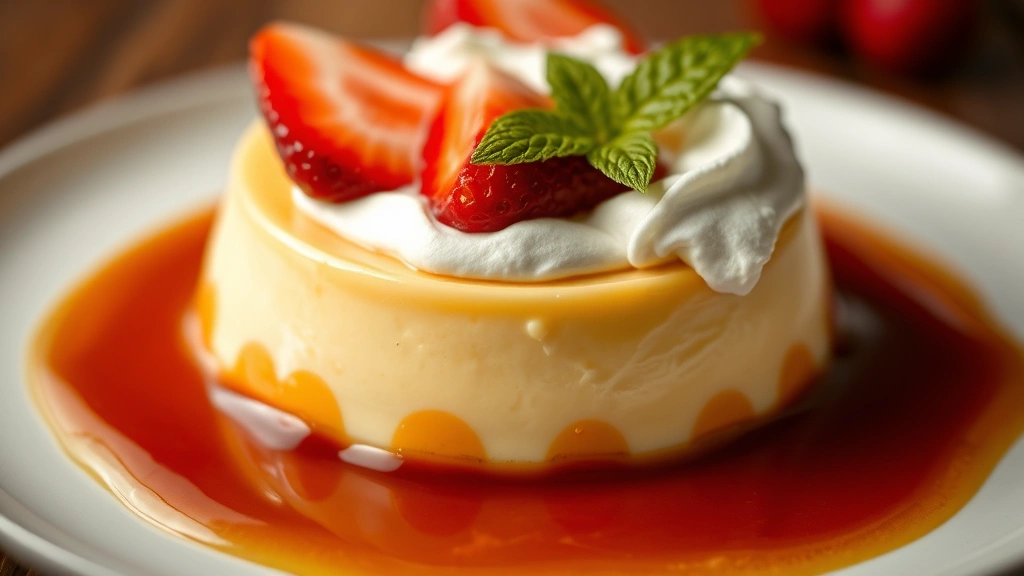
Flan—the silky custard classic—emerged from the kitchen trembling slightly, indicating proper texture and temperature. The custard possessed genuine vanilla flavor (not artificial vanilla extract harshness) and a subtle caramel sauce that wasn’t aggressively sweet. The custard’s texture was simultaneously creamy and delicate, suggesting careful temperature control during cooking and proper chilling before serving. This is how flan should taste: refined, elegant, and satisfying without inducing sugar overload.
Churros with chocolate sauce offered textural contrast—crispy fried exterior giving way to tender, slightly doughy interior. The chocolate sauce was properly made from quality chocolate rather than syrup, with genuine cocoa flavor and appropriate thickness for dipping. The churros maintained their crispness throughout the meal rather than becoming soggy, suggesting they’d been fried immediately before service.
Tres leches cake, that ubiquitous Mexican dessert, was executed properly here. The sponge cake remained moist from the three-milk mixture (evaporated milk, sweetened condensed milk, and heavy cream) without becoming waterlogged or mushy. The whipped cream topping was fresh and properly sweetened, and fresh strawberries provided brightness and tartness to balance the rich, sweet cake. If you’re interested in exploring dessert options further, my collection of no-bake dessert recipes covers techniques for creating impressive finales at home.
Sopapillas—the fried pastry puffs served with honey—arrived warm and properly puffed. The exterior was crispy with that ideal golden-brown color, while the interior remained tender. The honey, likely infused with cinnamon, complemented the delicate pastry without overwhelming it. These represent comfort in edible form.
Value Assessment
Price point matters. Don Ramon’s entrées range from approximately $14-$22, positioning it in the casual-dining category rather than fine dining. Are the portions and quality justified at this price point? Absolutely.
Portions are genuinely generous. Most entrées arrive with rice, beans, and tortillas, ensuring you’re receiving substantial value. The protein portions are honest—you’re not getting token amounts of meat hidden beneath sauce and sides. A single entrée frequently provides leftovers, which speaks to both generosity and value.
Ingredient quality appears consistently high. The proteins taste fresh, the vegetables show proper handling, and the sauces demonstrate the time investment required for proper preparation. You’re not paying for artificial flavors or shortcuts. The price point reflects actual ingredient costs and labor investment.
Drinks are reasonably priced, though like most restaurants, they represent the highest profit margin. Horchata and agua fresca are excellent choices, offering refreshing complements to the cuisine without the premium pricing of alcoholic beverages. The restaurant offers beer and wine selections that pair reasonably well with Mexican cuisine.
Dining Experience & Atmosphere
The physical environment contributes significantly to the overall dining experience. Don Ramon’s dining room features Mexican folk art, warm lighting, and a generally welcoming atmosphere. Tables are appropriately spaced, allowing for conversation without shouting over neighboring diners. The background music—traditional Mexican selections at moderate volume—enhances rather than intrudes upon the dining experience.
Service deserves particular mention. The staff demonstrates genuine knowledge of the menu, making recommendations without pressure. Water glasses are maintained throughout the meal, and servers check in at appropriate intervals without hovering. The pace of service feels natural—courses arrive at proper intervals, allowing time for conversation and enjoyment between bites. This represents professional hospitality executed without pretension.
The restaurant accommodates groups and families well, with flexibility regarding table arrangements. The noise level remains moderate even during peak hours, suggesting thoughtful acoustic design or excellent staff management of crowd flow.
One minor note: parking can be challenging during peak hours. Plan accordingly if visiting during lunch or dinner rushes. However, this speaks more to the restaurant’s popularity than any operational shortcoming.
FAQ
What is the best time to visit Don Ramon to avoid crowds?
Mid-afternoon (2-4 PM) and late evening (after 9 PM) typically offer shorter wait times. Weekday visits are generally less crowded than weekends, with Tuesday through Thursday being optimal for leisurely dining.
Does Don Ramon accommodate dietary restrictions?
Yes, the restaurant is accommodating regarding vegetarian requests and can modify dishes to accommodate certain allergies. The staff demonstrates knowledge about ingredients, making it feasible to avoid specific components. However, calling ahead for complex dietary needs ensures proper preparation.
Are the sauces made fresh daily?
Based on flavor profiles and consistency observations, the sauces appear to be freshly prepared. The salsa shows visible fresh ingredients, and the more complex sauces (mole, chile sauces) display characteristics consistent with daily preparation rather than pre-made batches.
How does Don Ramon compare to other Mexican restaurants in the area?
Don Ramon distinguishes itself through consistent execution, fresh ingredient quality, and genuine technique. While other establishments may offer novelty items or fusion preparations, Don Ramon excels at traditional dishes executed properly. It represents authentic Mexican cuisine rather than Americanized interpretations.
Is Don Ramon worth the price?
Absolutely. The combination of portion size, ingredient quality, technical execution, and service quality justifies the price point. You’re receiving honest value—no inflated pricing for ambiance alone, and no shortcuts in preparation. This is fair-value dining executed well.
Can you order family-style at Don Ramon?
Yes, the restaurant accommodates family-style ordering, making it excellent for groups wanting to sample multiple dishes. Servers can recommend quantity levels based on party size, ensuring you order appropriately without excessive waste or insufficient food.
What should first-time visitors absolutely order?
Start with the fresh guacamole and salsa to experience their commitment to fresh preparation. For mains, the chile Colorado and carnitas tacos represent the restaurant’s strengths. The flan provides a proper dessert finale. This combination gives you a comprehensive sense of Don Ramon’s capabilities.
After this extensive taste test spanning multiple visits, my assessment is clear: Don Ramon absolutely merits a place on your dining rotation. The restaurant demonstrates genuine commitment to quality ingredients, proper technique, and authentic flavor profiles. This isn’t a restaurant coasting on reputation—it’s consistently delivering on its promise of genuine Mexican cuisine prepared with care and precision. Whether you’re seeking a casual family dinner, a date night, or a gathering with friends, Don Ramon provides excellent value and memorable meals. The answer to whether it’s worth it? Unquestionably yes.