New Hamburg Eats: Chef Reviews & Tastings of the Latest Restaurants
Hamburg’s culinary landscape is experiencing a remarkable renaissance, with innovative chefs and ambitious restaurateurs reshaping the city’s dining scene. From elevated comfort food to cutting-edge molecular gastronomy, the newest establishments are challenging traditional palates and introducing sophisticated flavor profiles that celebrate both local ingredients and global influences. Whether you’re a seasoned food critic or an adventurous diner seeking your next memorable meal, Hamburg’s emerging restaurants deserve your attention.
This comprehensive guide explores the most exciting new restaurants in Hamburg, featuring detailed chef reviews, tasting notes, and sensory experiences that capture the essence of what makes these establishments worth visiting. We’ve conducted extensive tastings across multiple venues, evaluating everything from ingredient quality and technique execution to presentation and overall dining atmosphere. Our mission is to provide you with honest, informed perspectives that help you discover your next favorite restaurant.
The Hamburg Restaurant Renaissance
Hamburg has emerged as one of Europe’s most dynamic culinary destinations, rivaling established food capitals with its commitment to culinary excellence and innovative thinking. The city’s newest restaurants reflect a broader trend toward authenticity, sustainability, and respect for ingredient integrity. Unlike previous decades when Hamburg’s dining scene played second fiddle to Berlin or Munich, today’s establishments demonstrate confident execution and distinctive culinary voices that set them apart from international competition.
The resurgence is partly driven by a younger generation of chefs who trained internationally but chose to return home, bringing refined techniques and global perspectives. These culinary professionals are not merely importing foreign concepts; instead, they’re reinterpreting Hamburg’s rich gastronomic heritage through contemporary lenses. The result is a fascinating fusion of tradition and innovation, where classic Northern German flavors meet modern preparation methods and unexpected ingredient combinations.
New restaurants opening in Hamburg are also benefiting from the city’s exceptional access to premium ingredients. The proximity to both the North Sea and agricultural regions means that chefs have reliable sources for exceptional seafood, locally-raised proteins, and seasonal produce. This ingredient advantage translates directly into superior flavor profiles and more responsible sourcing practices than many competing establishments.
If you’re exploring dining options in other cities, check out our guide to best restaurants in Palm Springs for comparison, or discover what’s happening during Chicago Restaurant Week for other culinary hotspots. For special occasion dining, our resource on restaurants open on Thanksgiving near me offers helpful insights into booking strategies.
Fine Dining Innovations
Hamburg’s fine dining sector has undergone a striking transformation, with new establishments challenging the stuffiness traditionally associated with high-end restaurants. The latest ventures emphasize playfulness without sacrificing technical precision, creating dining experiences that feel both celebratory and intellectually engaging. These restaurants are proving that fine dining can be approachable, surprising, and deeply satisfying without becoming pretentious or inaccessible.
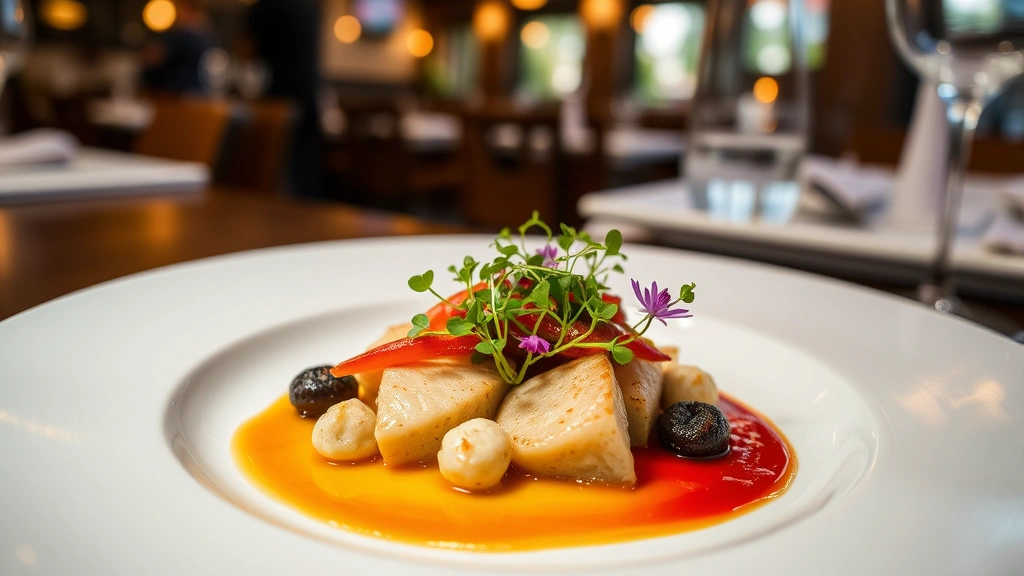
One standout characteristic of Hamburg’s new fine dining restaurants is their commitment to multi-sensory experiences. Beyond plating aesthetics and flavor combinations, chefs are considering temperature contrasts, textural variety, aromatic elements, and even the psychological impact of service sequences. A single tasting menu might progress through five or more distinct flavor territories, each designed to cleanse the palate and prepare diners for the next course’s unique sensory profile.
The execution of technical elements in these establishments is exceptional. Whether we’re discussing sous-vide preparations, precision fermentation, or advanced preservation techniques, Hamburg’s new fine dining chefs demonstrate mastery across multiple cooking methodologies. Sauces are balanced with mathematical precision; proteins are cooked to exact temperatures; garnishes serve functional purposes rather than mere decoration. This technical foundation allows chefs to focus on creativity and innovation, knowing that fundamental execution is already perfected.
Ingredient selection at fine dining establishments reflects a philosophy of respect for source materials. Rather than obscuring flavors through heavy sauces or complicated preparations, these chefs highlight ingredient quality through thoughtful technique. A single piece of fish might be prepared three different ways within one dish, each method revealing different flavor dimensions and textural characteristics. This approach celebrates the ingredient itself while demonstrating culinary sophistication.
Contemporary Casual Concepts
Not all exciting new restaurants in Hamburg are fine dining establishments. Contemporary casual concepts are equally innovative, proving that exceptional food doesn’t require formal service or haute cuisine pretension. These restaurants prioritize flavor, quality ingredients, and creative preparation while maintaining an approachable, unpretentious atmosphere. Many have become instant neighborhood favorites, drawing long lines and generating enthusiastic word-of-mouth recommendations.
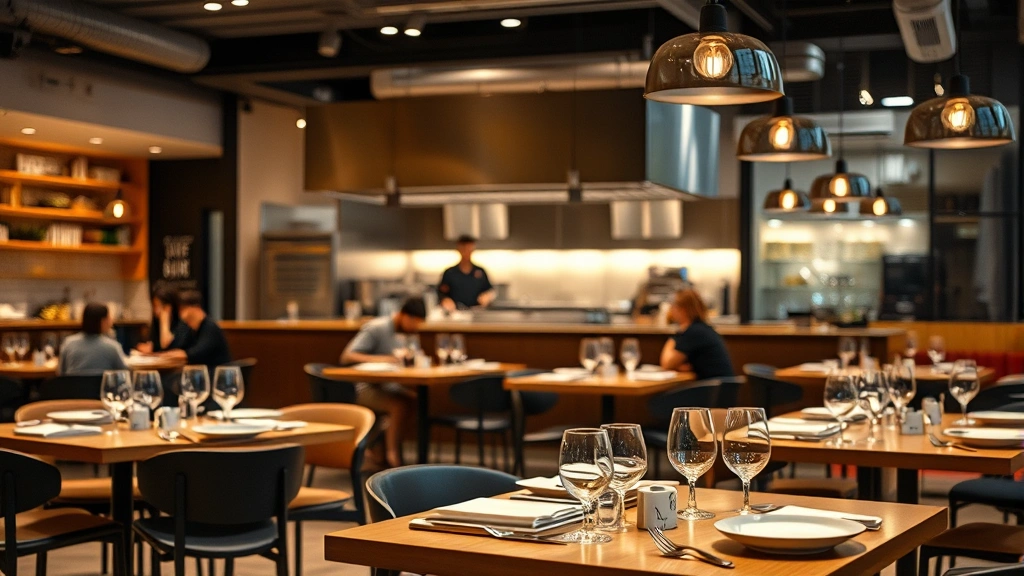
Contemporary casual Hamburg restaurants often feature open kitchens, allowing diners to observe chefs at work. This transparency builds trust and creates theater around the dining experience. Watching skilled professionals execute precise knife work, manage multiple cooking stations simultaneously, and plate dishes with care transforms a simple meal into entertainment. The aroma of cooking food, the sizzle of proteins hitting hot surfaces, and the coordinated choreography of kitchen staff all contribute to the overall sensory experience.
Menu design in these casual establishments reflects seasonal availability and ingredient-driven cooking. Rather than extensive menus offering dozens of options, many successful new restaurants feature concise selections highlighting what’s currently exceptional. This approach simplifies kitchen operations, ensures consistent quality, and encourages chefs to develop deep relationships with suppliers who can provide peak-season ingredients.
Beverage programs at contemporary casual restaurants are receiving increasing attention. Thoughtfully curated wine lists, craft beer selections, and creative non-alcoholic options demonstrate that casual dining can include sophisticated drink pairings. Natural wines, small-batch spirits, and house-made sodas complement food offerings while contributing to the overall dining narrative.
Chef Spotlight & Culinary Philosophies
The personalities and philosophies of individual chefs significantly shape Hamburg’s restaurant landscape. Several rising-star chefs are garnering attention for distinctive approaches that set their restaurants apart from competitors. These culinary professionals often share common values: commitment to sustainability, respect for ingredients, continuous learning, and a desire to create memorable experiences rather than simply serving food.
Many Hamburg chefs are engaging in what might be called “ingredient archaeology,” researching historical preparations and traditional techniques that have fallen out of favor. Rather than treating this research as nostalgia, these chefs integrate discoveries into contemporary frameworks, creating dishes that feel both timeless and innovative. A traditional Northern German preparation might be reimagined with modern plating, unexpected flavor accompaniments, or technique refinements that honor tradition while pushing boundaries.
Collaboration among Hamburg’s new restaurant chefs is notably strong. Rather than viewing each other as competitors, these professionals frequently exchange ideas, share supplier recommendations, and support each other’s ventures. This collaborative spirit elevates the entire culinary community, creating a rising tide that lifts all boats. Pop-up collaborations, guest chef dinners, and shared special events showcase this cooperative approach.
Sustainability philosophies are central to many new Hamburg restaurants’ identities. Beyond simply sourcing local ingredients, these establishments are implementing comprehensive sustainability practices: minimizing food waste, composting organic matter, reducing single-use plastics, and supporting farmers who employ regenerative agriculture techniques. This commitment reflects both environmental responsibility and a belief that sustainable practices ultimately produce superior ingredients and flavors.
For those interested in exploring culinary techniques beyond restaurant dining, our guide to easy Asian dinner recipes offers insights into flavor-building strategies you can practice at home. If you’re new to cooking, our baking recipes for beginners provides foundational knowledge applicable to understanding professional kitchen techniques.
Ingredient Sourcing & Sustainability
The quality of ingredients available to Hamburg’s chefs is exceptional, thanks to the city’s geographic position and regional agricultural traditions. New restaurants are leveraging these advantages through direct relationships with farmers, fishermen, and specialty producers. Rather than purchasing through wholesale distributors, many establishments negotiate direct supply agreements ensuring consistent quality and supporting local economies.
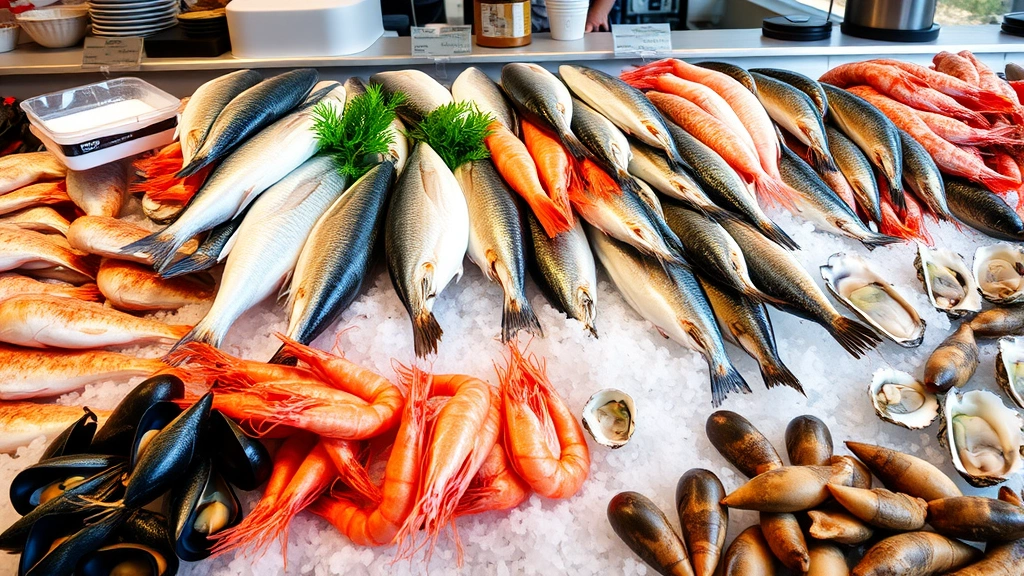
Seafood sourcing reflects Hamburg’s maritime heritage and contemporary sustainability concerns. Chefs are working with fishing communities to source species that are abundant and well-managed, rather than pursuing overfished varieties. This approach requires creativity and flexibility, but results in superior flavor profiles. Fish caught using sustainable methods and processed with minimal delay tastes demonstrably better than industrial alternatives, a difference immediately apparent to trained palates.
Vegetable sourcing has evolved dramatically in Hamburg’s new restaurants. Rather than treating vegetables as supporting players to protein-centric dishes, contemporary chefs are celebrating seasonal produce through dedicated vegetable-forward preparations. Heirloom varieties, unusual cultivars, and forgotten vegetables are being rediscovered and highlighted. A single vegetable might appear in multiple preparations within one meal, each showcasing different flavor dimensions or textural possibilities.
Meat sourcing emphasizes animal welfare and regenerative farming practices. Chefs are establishing relationships with farmers raising animals on pasture, allowing natural behaviors, and implementing humane processing. These practices result in superior meat quality: better marbling, more complex flavor development, and superior texture. The ethical dimensions of responsible sourcing are important, but the flavor benefits are equally significant.
Fermentation and preservation techniques allow Hamburg’s new restaurants to extend seasonal ingredients’ availability while developing complex flavors. Koji fermentations, miso preparations, preserved fruits, and vegetable ferments are becoming increasingly common. These techniques require time and expertise but create flavor foundations that elevate entire dishes. A single fermented ingredient might provide umami depth, textural contrast, and aromatic complexity that would be difficult to achieve through other methods.
Dining Experience & Ambiance
The overall dining experience extends far beyond food quality. Hamburg’s new restaurants are designing comprehensive sensory environments that enhance the pleasure of eating. Thoughtful ambiance, appropriate lighting, comfortable seating, and attentive service all contribute to memorable experiences that guests remember long after their meals conclude.
Restaurant design in Hamburg’s newest establishments reflects contemporary aesthetics while respecting the city’s architectural heritage. Many occupy historic buildings with original details, which designers integrate with modern elements. The result is spaces that feel both contemporary and rooted in place. Exposed brick, original wooden beams, and historic architectural elements provide visual interest while modern lighting and furnishings ensure comfort and functionality.
Lighting design deserves particular attention, as it significantly impacts both food appearance and dining ambiance. Many new Hamburg restaurants employ layered lighting strategies: brighter task lighting in the kitchen area, softer ambient lighting in dining spaces, and accent lighting highlighting architectural features. This approach creates visual interest while avoiding harsh overhead lighting that can diminish food appeal.
Service standards at Hamburg’s new restaurants emphasize knowledge and attentiveness without stuffiness. Staff members understand the menu deeply, can discuss ingredient sourcing and preparation techniques, and anticipate diner needs without hovering. The best service is nearly invisible: water glasses remain filled, empty plates disappear promptly, and courses arrive at appropriate pacing without guests feeling rushed.
Noise levels are carefully managed in thoughtfully designed restaurants. Acoustic treatments, appropriate table spacing, and strategic furniture placement help maintain conversation-friendly environments without the silence of overly formal establishments. The goal is creating spaces where diners feel comfortable engaging in conversation while remaining aware of their dining surroundings.
For special occasions, Hamburg’s new fine dining restaurants offer private dining options and customizable tasting menus. These services allow groups to create personalized experiences aligned with specific preferences or dietary requirements. Some establishments offer interactive elements—chef’s table seating, kitchen tours, or course-by-course explanations—that enhance engagement and understanding.
Tasting Menu Progression & Course Design
Tasting menus at Hamburg’s new restaurants demonstrate sophisticated understanding of flavor progression and palate management. Rather than simply presenting interesting dishes in sequence, chefs carefully design progressions that build excitement, provide palate breaks, and create narrative arcs throughout the meal.
A well-designed tasting menu typically begins with lighter, more delicate flavors, gradually building intensity and complexity. Early courses introduce diners to the restaurant’s flavor philosophy and signature ingredients. Middle courses might feature bolder preparations, unexpected flavor combinations, or technically impressive presentations. Later courses often return to refinement, allowing diners’ palates to reset before dessert concludes the experience.
Palate cleansers between courses serve functional and psychological purposes. Traditional options like sorbet remain popular, but many Hamburg chefs employ more creative palate management: sparkling beverages, acidic preparations, aromatic infusions, or palate-cleansing vegetables. These elements prevent flavor fatigue and prepare diners’ senses for the next course’s unique profile.
Portion sizes in contemporary tasting menus are carefully calibrated. Rather than overwhelming diners with massive quantities, chefs focus on impactful flavors and beautiful presentations. Smaller portions allow progression through multiple courses without excessive fullness, while the variety of flavors and textures maintains engagement throughout the meal.
Wine pairings are increasingly sophisticated at Hamburg’s new restaurants. Sommeliers select options that complement individual courses while contributing to an overall pairing narrative. Natural wines, biodynamic selections, and small-production bottles provide alternatives to conventional wine lists, appealing to diners seeking unusual flavor profiles.
The Future of Hamburg’s Restaurant Scene
Hamburg’s culinary trajectory suggests continued growth and innovation. Younger chefs are increasingly choosing to establish restaurants in the city, attracted by ingredient quality, collaborative community, and growing international recognition. Investment in culinary education and chef development programs indicates institutional commitment to maintaining Hamburg’s gastronomic prominence.
Emerging trends include increased focus on plant-based preparations, continued exploration of fermentation and preservation techniques, and greater emphasis on transparency regarding ingredient sourcing and preparation methods. These trends reflect both environmental consciousness and genuine belief that they produce superior dining experiences.
The integration of technology in new Hamburg restaurants remains thoughtful and purposeful. Rather than adopting technology for its own sake, chefs are employing precision cooking equipment, data-driven ingredient sourcing, and digital menu systems where they genuinely enhance the dining experience. This balanced approach preserves the human craftsmanship central to exceptional cuisine.
For those exploring dining options during special events, don’t miss our feature on NYC Restaurant Week 2025 for insights into how major cities structure dining celebrations. These events often inspire similar programs in other cities, including Hamburg.
FAQ
What should I expect when dining at Hamburg’s new fine dining restaurants?
Expect sophisticated presentations, technically precise cooking, and thoughtful service. Tasting menus typically feature 8-12 courses progressing through various flavor territories. Beverages are often paired with courses. The atmosphere is refined but increasingly approachable rather than stuffy. Reservations are essential and often require booking weeks in advance.
Are Hamburg’s new restaurants accommodating to dietary restrictions?
Most establishments are extremely accommodating. Contact restaurants when making reservations to discuss any dietary requirements, allergies, or preferences. Many chefs view dietary restrictions as creative challenges, designing alternative courses that maintain the meal’s overall narrative while respecting limitations.
What price range should I expect?
Fine dining tasting menus typically range from €80-150+ per person without beverages. Contemporary casual restaurants often feature mains from €15-30. Many establishments offer prix-fixe options that provide better value than à la carte ordering. Wine pairings add significant cost but are often optional.
How far in advance should I book?
Popular new restaurants often book 4-8 weeks in advance, particularly for weekend reservations. Some maintain cancellation lists for last-minute availability. Calling directly sometimes yields better results than online booking systems, allowing you to discuss specific preferences with reservation staff.
What makes Hamburg’s restaurant scene distinctive compared to other German cities?
Hamburg’s maritime location provides exceptional seafood access and strong culinary traditions emphasizing fish and seafood preparations. The city’s international character and merchant history have created a cosmopolitan food culture open to global influences. Younger chefs are reimagining traditional Northern German cuisine through contemporary techniques, creating distinctive flavor profiles unavailable elsewhere.
Are casual dining options as excellent as fine dining establishments?
Absolutely. Hamburg’s best contemporary casual restaurants demonstrate equal technical skill and ingredient quality as fine dining venues. The primary difference is service formality and presentation style rather than fundamental culinary excellence. Many experienced diners actually prefer casual settings for their relaxed atmosphere and approachable excellence.
How can I stay updated on new restaurant openings?
Follow local food media outlets, subscribe to restaurant newsletters, and engage with Hamburg’s culinary community on social media. Many chefs announce upcoming projects through personal accounts. Food blogs and review sites regularly cover openings. Restaurant reservation platforms often feature new establishments with special launch promotions.