Best Sushi Spots? Little Tokyo Locals Recommend
Little Tokyo in Los Angeles stands as North America’s oldest Japanese American neighborhood, and its culinary reputation extends far beyond nostalgia—it’s a living, breathing epicenter of authentic Japanese cuisine where sushi craftsmanship reaches extraordinary heights. Walking through the historic streets lined with wooden facades and traditional noren curtains, you’ll discover that locals don’t just eat sushi here; they experience generations of refined technique, seasonal precision, and an almost spiritual dedication to the craft that transforms raw fish and rice into edible poetry.
The sushi culture in Little Tokyo represents something profoundly different from the California roll assembly lines found in shopping malls across America. Here, itamae (sushi chefs) trained in Tokyo’s most demanding kitchens have established themselves as custodians of an ancient art form, where knife cuts matter, water temperature affects rice texture, and the relationship between chef and customer creates an intimate dining experience. Whether you’re seeking omakase experiences that cost more than fine dining elsewhere, casual neighborhood joints where regulars have reserved seats, or innovative spots pushing sushi into new culinary territories, Little Tokyo delivers with an authenticity that only comes from deep community roots.
The Omakase Experience: Premium Sushi Excellence
Omakase—literally “I’ll leave it up to you”—represents the highest expression of sushi artistry, and Little Tokyo hosts several establishments where this tradition thrives with uncompromising standards. When you sit at a sushi counter for true omakase, you’re not selecting from a menu; you’re surrendering to the chef’s expertise, seasonal intuition, and the day’s finest ingredients. The experience typically unfolds as a progression of 15-20 pieces, each one precisely engineered for optimal flavor delivery, texture contrast, and digestive flow.
The finest omakase venues in Little Tokyo source fish directly from Toyosu Market in Tokyo, maintaining relationships with specific fishmongers who understand the chef’s exacting specifications. A piece of bluefin tuna (maguro) arrives at the perfect temperature—slightly warmed by the chef’s hands—releasing umami compounds that coat your palate with oceanic intensity. The rice beneath carries a subtle vinegar tang and gentle sweetness, calibrated so precisely that it enhances rather than overwhelms the fish. Locals who frequent these establishments develop relationships with their preferred itamae, often booking months in advance and trusting completely in the progression of flavors.
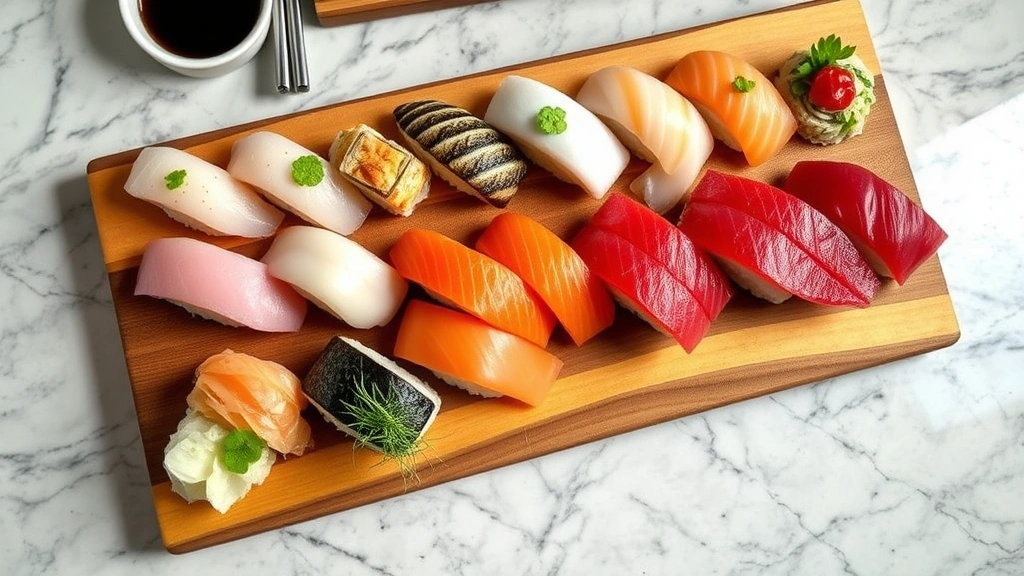
One defining characteristic locals appreciate is the chef’s understanding of pacing. Between richer pieces like fatty tuna (otoro), you’ll receive lighter options—perhaps delicate white fish (shiro maguro) or squid (ika)—allowing your palate to reset. Palate cleansers like ginger and green tea appear at strategic moments. The entire experience typically lasts 45 minutes to an hour, creating a meditative rhythm that transforms dinner into ceremony.
The investment in true omakase—typically $150-$300 per person—reflects not just ingredient costs but the years of training required to achieve the precision locals witness. A chef’s ability to slice fish at exactly the right angle to maximize surface area and texture, to judge rice temperature by touch alone, and to understand how each customer’s palate preferences evolve through a progression demonstrates mastery that justifies premium pricing.
Neighborhood Favorites: Where Locals Actually Eat
Beyond the splurge-worthy omakase counters exists a different sushi culture in Little Tokyo—one where locals grab lunch, celebrate casual victories, and maintain decades-long relationships with chefs who know their favorite pieces without asking. These neighborhood spots offer exceptional quality at accessible prices, proving that outstanding sushi doesn’t require a platinum credit card.
The casual sushi experience in Little Tokyo typically features a shorter counter with 8-12 seats, intimate enough that you overhear conversations between regulars and chefs, learning about the day’s specials and seasonal arrivals. Many locals prefer these settings precisely because the pressure feels lower; you can linger over three pieces or order a full meal without the ceremonial intensity of high-end omakase. The fish quality remains remarkable—often sourced from the same premium suppliers as expensive establishments—but the presentation and service style feel more relaxed.
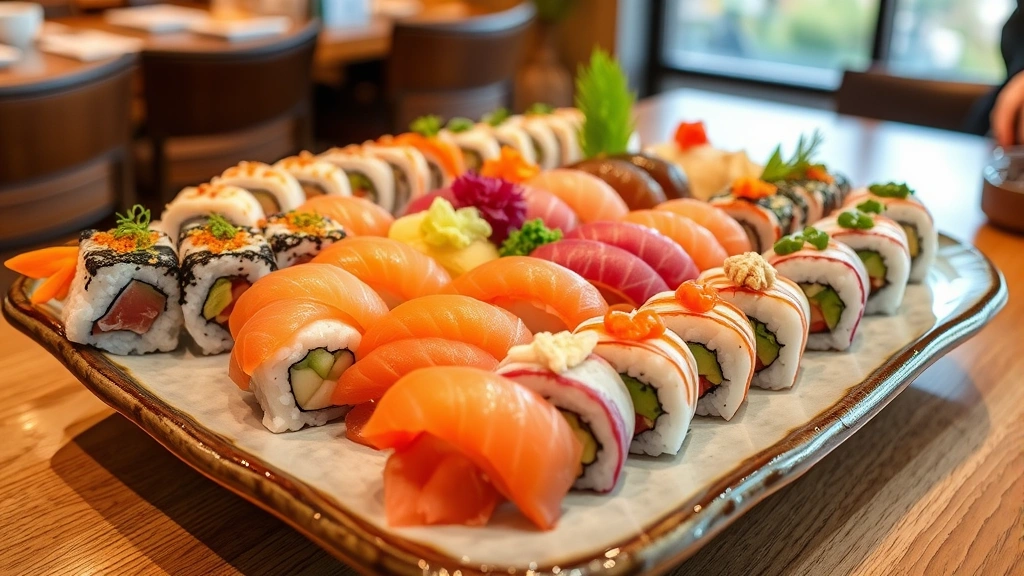
Locals often recommend trying sushi sets that combine nigiri with rolls, allowing you to experience both the chef’s raw fish expertise and their rice-rolling technique. A California roll (inside-out roll with crab, avocado, cucumber) might seem pedestrian until you taste one crafted with perfectly balanced seasoning, premium imitation crab that actually tastes pleasant, and rice that holds together without feeling compressed. The difference between competent and exceptional sushi becomes immediately apparent.
Many neighborhood favorites also serve excellent cooked preparations—tempura shrimp, grilled mackerel, seared scallops—expanding beyond raw fish for customers seeking variety. These spots recognize that not every visit requires raw preparations, and their ability to execute both raw and cooked items with equal precision makes them invaluable to locals seeking reliable quality regardless of what their palate desires on any given day.
The social aspect of these casual venues matters tremendously to longtime residents. Chefs remember your name, your preferences, your dietary restrictions, and your life circumstances. You might be greeted with “The usual?” or “I saved some special uni for you today.” This relationship-based dining represents something increasingly rare in contemporary restaurant culture—genuine community connection built through consistent quality and authentic hospitality.
Innovative Sushi Concepts Worth Trying
While Little Tokyo honors traditional sushi preparation with reverence, several establishments push the cuisine into exciting new territories, proving that innovation and tradition can coexist respectfully. These restaurants attract younger locals and adventurous visitors seeking sushi that challenges expectations while maintaining the fundamental principles of quality ingredients and technical precision.
Some innovative venues experiment with unconventional fish preparations—smoking, curing, or lightly torching surfaces to create textural contrast and flavor complexity. A piece of salmon might be lightly seared on the outside while remaining raw within, the warmth releasing oils that intensify the fish’s natural flavors. These techniques require even deeper understanding than traditional raw preparations, as chefs must balance heat precisely to avoid cooking the interior while achieving desired surface effects.
Other innovative spots focus on ingredient sourcing beyond traditional Japanese fish, incorporating locally-caught Pacific specimens that offer unique flavor profiles. This approach respects sushi’s fundamental principle—showcasing the finest available ingredients with minimal interference—while expanding the definition of what sushi can be. A California white sea bass nigiri might feature fish caught that morning off Santa Monica beaches, its delicate flavor enhanced by careful rice temperature and minimal additional seasoning.
Fusion concepts also appear in Little Tokyo, though locals tend to prefer establishments that approach fusion with sophistication rather than gimmickry. A sushi roll incorporating Korean gochujang or Mexican crema represents cultural conversation rather than culinary confusion when executed by chefs who understand both traditions deeply. These innovative venues attract food enthusiasts who appreciate technical mastery applied toward creative exploration.
Understanding Sushi Craftsmanship
To truly appreciate Little Tokyo’s sushi scene, it helps understanding the technical mastery underlying every piece. Sushi craftsmanship encompasses far more than raw fish on rice; it represents a comprehensive skill set developed through years of disciplined training. Many sushi chefs in Little Tokyo trained in Japan under apprenticeship systems requiring 5-10 years of foundational work before being permitted to touch fish or rice.
Rice preparation exemplifies this precision. Sushi rice must be cooked to exact specifications, then seasoned with a mixture of vinegar, sugar, and salt balanced to enhance rather than overpower fish flavors. The rice is then cooled to specific temperature while being fanned, developing a slight sheen and achieving the perfect texture—slightly sticky but with individual grains remaining distinct. Temperature management continues throughout service; rice that’s too cold doesn’t release subtle sweetness, while overheated rice becomes mushy and loses structural integrity.
Fish selection requires knowledge that extends beyond “fresh.” Chefs understand how different fish taste at different temperatures, how aging (breaking down connective tissue while maintaining safety) develops flavor complexity, and how each species’ unique fat distribution affects how flavors register on the palate. A piece of toro (fatty tuna belly) tastes dramatically different at 45°F versus 65°F, with temperature affecting how the fat melts and releases umami compounds.
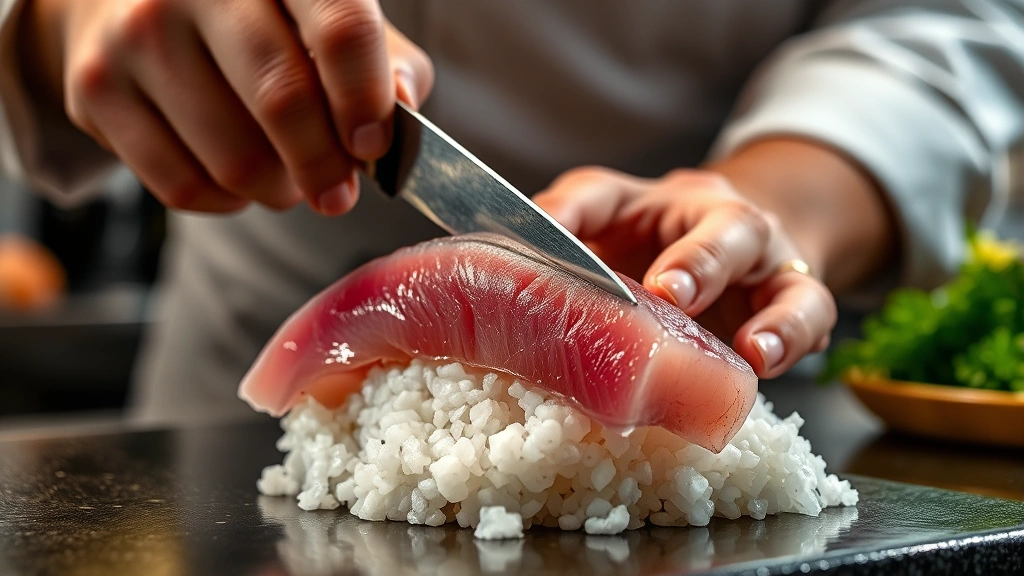
Knife skills deserve special attention. The sushi knife (bocho) is different from Western chef’s knives—longer, thinner, and requiring a completely different cutting technique. Proper sushi cuts involve a single smooth motion, drawing the blade backward rather than chopping downward, which would squeeze and damage delicate fish tissue. The angle of the cut affects how light reflects off the surface, how the fish sits on rice, and ultimately how flavors and textures register when you eat it.
For those interested in learning more about Asian cooking techniques, exploring easy Asian dinner recipes provides foundational understanding of how different cuisines approach flavor and technique.
What Locals Know About Seasonal Fish
Locals who frequent Little Tokyo sushi restaurants develop seasonal awareness that guides their ordering decisions. Unlike many American restaurants where menus remain static year-round, authentic sushi establishments shift their offerings based on what’s in season, what’s arriving from Japan, and what local waters are currently producing.
Spring brings the arrival of spring bluefin tuna (chu-toro and otoro) from Japan, marking the beginning of the premium tuna season. This fish offers buttery texture and delicate flavor that locals anticipate all year. Summer introduces lighter fish—white fish varieties, squid, and seasonal shellfish like scallops and clams. Autumn brings fatty fish as creatures prepare for winter, and the flavors deepen noticeably. Winter offers the finest bluefin specimens and intensely flavored fish that developed rich fat stores.
Understanding this seasonality helps you order strategically. Asking your chef “What’s exceptional right now?” typically yields better results than ordering specific fish names from memory. Chefs appreciate customers who recognize that seasonal variation reflects quality commitment rather than inconsistency. The bluefin available in March tastes completely different from bluefin in December, and both are worth experiencing.
Locals also understand that certain preparations suit specific seasons. In summer, lighter preparations showcase delicate fish flavors without heavy sauces or cooked elements. In winter, slightly heavier touches—perhaps a touch of soy, a small amount of wasabi—complement the season’s richer fish. This seasonal awareness transforms sushi from simple raw fish consumption into a practice of attunement with natural cycles.
Many Little Tokyo restaurants maintain close relationships with specific fishmongers at Toyosu Market in Tokyo, receiving alerts when exceptional specimens arrive. A local might receive a text message: “The bluefin from Oma arrived today—save your evening.” These direct relationships ensure that the finest ingredients reach Little Tokyo before anywhere else in America, giving locals genuine advantage in accessing premium fish.
FAQ
What’s the difference between nigiri and sashimi?
Nigiri consists of fish placed on top of seasoned rice, while sashimi features fish alone without rice. Both showcase fish quality, but nigiri’s rice component affects how flavors register on your palate and provides textural contrast. Sashimi emphasizes the fish itself without additional elements. Locals typically order both during a meal, appreciating each for different reasons.
How should I eat sushi properly?
Contrary to popular belief, there’s no single “correct” way. Traditional Japanese eating involves using fingers rather than chopsticks, which allows you to feel temperature and texture while tasting. However, chopsticks work perfectly well. The important principle is experiencing the sushi at optimal temperature and allowing flavors to develop on your palate rather than rushing through bites. Dipping nigiri in soy sauce with the fish side (not rice side) prevents over-salting.
Is sushi expensive in Little Tokyo compared to other LA neighborhoods?
Premium omakase costs similarly throughout LA, but Little Tokyo offers exceptional value in casual and mid-range establishments. The neighborhood’s deep sushi culture and direct relationships with suppliers means quality ingredients reach local restaurants efficiently, reducing costs. You can find outstanding sushi meals for $30-$50 per person, significantly less than comparable quality in other areas.
What’s the best time to visit sushi restaurants in Little Tokyo?
Lunch typically offers less crowding and sometimes different (equally excellent) fish selections than dinner. Weekday evenings work well for casual venues, while weekends require reservations at popular spots. For omakase, booking 2-4 weeks in advance ensures preferred seating times. Many locals prefer off-peak hours (2-5 PM) for discovering hidden gems without crowds.
Should I tell the chef about dietary restrictions?
Absolutely. Chefs appreciate knowing about allergies, preferences, or restrictions upfront so they can craft appropriate experiences. This allows them to substitute or adjust preparations while maintaining the progression’s integrity. Many chefs actually enjoy the creative challenge of accommodating dietary needs while delivering exceptional experiences.
How do I know if sushi is fresh?
Fresh fish should smell like ocean—clean and slightly briny, never fishy or ammonia-like. The flesh should look vibrant, not dull or discolored. When tasting, fresh fish has clean flavor without any off-tastes. Trust your senses; if something seems off, it probably is. Reputable Little Tokyo establishments maintain such rigorous standards that freshness concerns rarely arise, but your palate remains the ultimate quality indicator.
What’s the appropriate tip at sushi restaurants?
Standard tipping practices apply—15-20% for good service, more for exceptional experiences. Some high-end omakase venues include service charges; verify before adding additional tips. At casual venues, rounding up or leaving cash tips works perfectly. Remember that sushi chefs often receive tip pools rather than individual gratuities, so your appreciation supports the entire team’s effort.


