Maharaja Indian Delights: Chef’s Top Picks & Culinary Excellence
Maharaja Indian restaurants have carved out a distinguished place in the global dining landscape, offering diners an authentic gateway to the complex, layered flavors of Indian cuisine. These establishments celebrate centuries of culinary tradition, transforming humble spices and time-honored techniques into unforgettable gastronomic experiences. Whether you’re seeking the smoky char of tandoori preparations or the delicate balance of aromatic curries, a true Maharaja Indian restaurant delivers sensory richness that transcends ordinary dining.
The term “Maharaja”—meaning great king—perfectly encapsulates the regal approach these restaurants take toward ingredient selection, spice blending, and presentation. From the moment you enter, the ambiance transports you across continents, while the kitchen orchestrates a symphony of flavors that have been perfected through generations. This comprehensive guide explores the standout dishes, signature preparations, and culinary philosophies that distinguish exceptional Maharaja Indian establishments from standard curry houses.
Signature Tandoori Creations
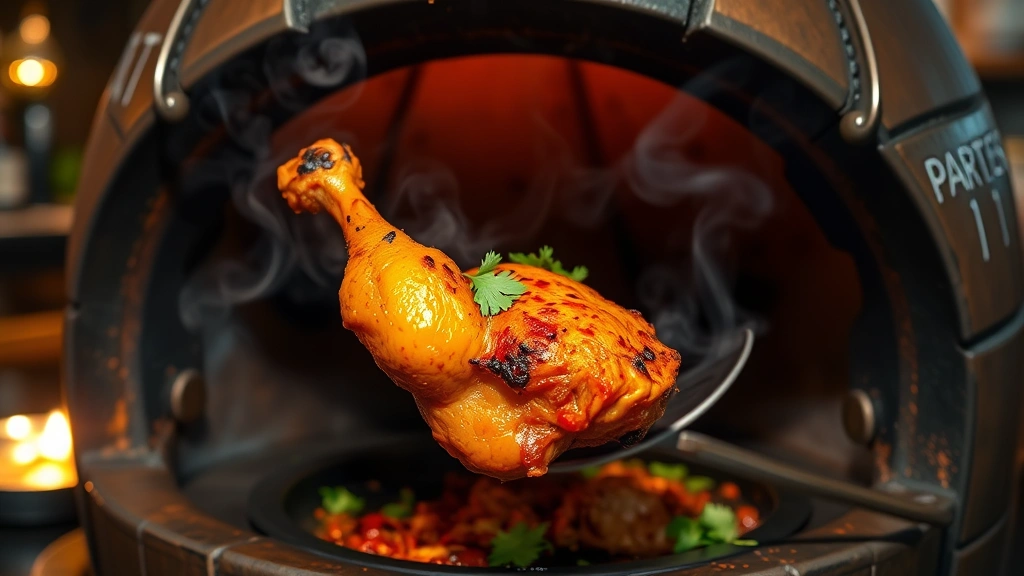
The tandoor—a cylindrical clay oven that reaches temperatures exceeding 900 degrees Fahrenheit—represents the beating heart of any respectable Maharaja Indian restaurant. This ancient cooking vessel, which has been used for thousands of years across the Indian subcontinent, imparts an irreplaceable smoky character and charred complexity that cannot be replicated through conventional oven methods. When a skilled tandoori chef positions marinated proteins against the oven’s interior walls, the intense radiant heat creates a beautiful caramelized exterior while maintaining tender, juicy interiors.
Chef’s selections consistently highlight tandoori chicken as the quintessential showcase piece. The finest preparations begin with overnight marinades featuring yogurt, ginger-garlic paste, kashmiri chili powder, and a proprietary blend of spices. The yogurt serves dual purposes: it tenderizes the meat through enzymatic action while creating a protective barrier that prevents excessive moisture loss during cooking. When properly executed, each bite reveals succulent flesh with a vibrant red-orange exterior, delivering subtle heat balanced by cooling yogurt undertones and the unmistakable aroma of charred spices.
Tandoori prawns represent the seafood equivalent, though they demand precise timing and technique. Large prawns, marinated for 4-6 hours in similar yogurt-based preparations, cook in mere minutes. The challenge lies in achieving that perfect moment when the exterior develops a light char while the delicate flesh remains barely cooked through—overcooked prawns become rubbery and lose their natural sweetness. Expert chefs monitor internal temperatures obsessively, understanding that these crustaceans continue cooking through residual heat even after removal from the tandoor.
The paneer tikka deserves special attention as the vegetarian tandoori triumph. Firm cottage cheese cubes, which don’t require tenderizing, benefit enormously from tandoor cooking because they develop a smoky crust while maintaining creamy centers. The contrast between the charred exterior and the cool, mild interior creates textural interest that satisfies both vegetarians and meat-eaters alike.
Curry Mastery & Sauce Foundations
While tandoori preparations capture headlines, the true artistry of a Maharaja Indian restaurant reveals itself in curry construction. These aren’t simple sauces but carefully orchestrated flavor compositions built through layered cooking techniques, precise spice ratios, and understanding how different ingredients interact chemically and organistically.
The foundation of most curries begins with the traditional tadka or tempering technique. Ghee or oil is heated until shimmering, then whole spices—cumin seeds, mustard seeds, fenugreek, dried chilies, and curry leaves—are added to release their essential oils and volatile aromatics. This initial step creates the flavor base that distinguishes restaurant-quality curries from home preparations. The sizzle and pop of spices hitting hot fat represents the precise moment when dormant flavors activate and transform.
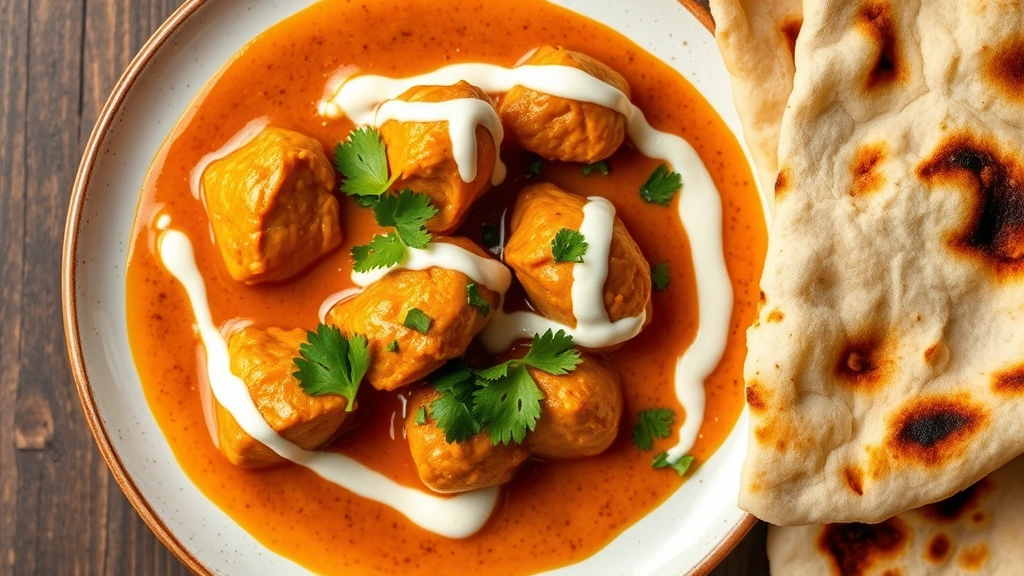
The butter chicken exemplifies curry perfection when executed by knowledgeable chefs. This dish begins with tandoori chicken pieces, which are then folded into a silky tomato-based sauce enriched with cream, butter, and a carefully balanced spice profile. The best versions achieve a subtle sweetness from tomato reduction, balanced by garam masala warmth and finished with a whisper of fenugreek. The sauce should coat the palate without overwhelming it, allowing the tandoori chicken’s smoky character to remain the protagonist.
Rogan josh showcases how slow-cooking transforms tougher cuts into melt-in-mouth tenderness. This preparation, which originated in Kashmir, relies on cooking lamb or goat for extended periods in a sauce built from caramelized onions, yogurt, tomatoes, and aromatic spices. The extended braising allows collagen to convert to gelatin, creating natural body and richness. Proper rogan josh should be neither thin nor overly thick—the sauce should cling to each meat piece while flowing elegantly across the plate.
For those seeking plant-based dining options, the chana masala or chickpea curry demonstrates that vegetables and legumes deserve equal respect. This North Indian classic features chickpeas in a tomato-onion sauce spiced with cumin, coriander, ginger, and garam masala. The chickpeas absorb surrounding flavors while maintaining their earthy, slightly nutty character. A squeeze of fresh lemon juice brightens the finished dish, adding acidic counterpoint to the warming spice profile.
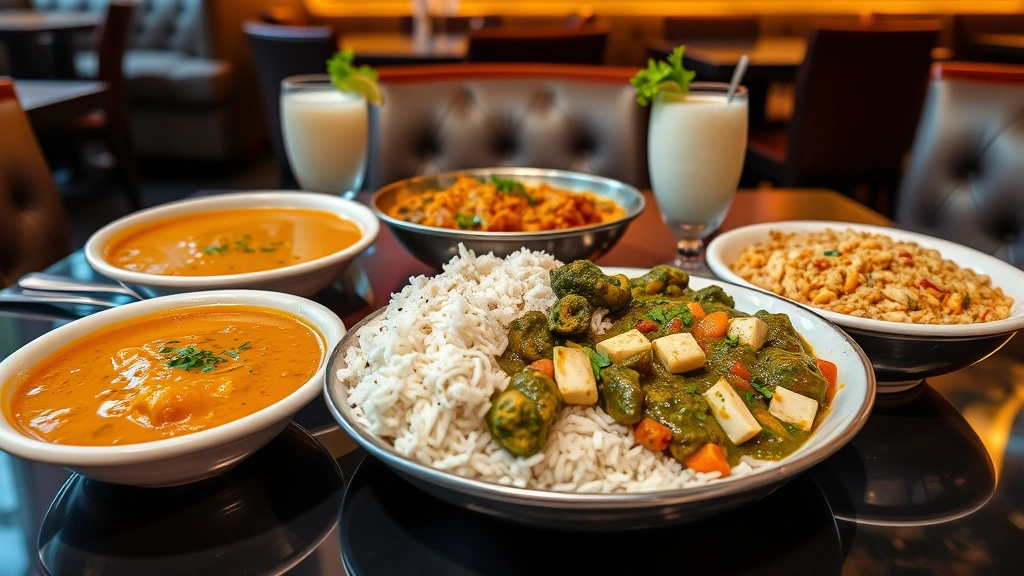
The palak paneer (spinach and cottage cheese curry) represents vegetable-based cooking at its finest. Fresh spinach is blanched, then pureed and folded into a sauce enriched with cream and butter. The paneer cubes provide protein and textural contrast, while the sauce achieves a vibrant green color and subtle earthiness from the spinach without any grassy bitterness.
Bread Traditions & Accompaniments
Indian breads represent an essential component of the dining experience, serving as vehicles for curries while providing textural contrast and subtle flavor contributions. The naan remains the most recognized, though understanding its variations reveals the depth available to discerning diners.
Traditional tandoori naan begins with a simple dough of flour, yogurt, salt, and yeast, which develops flavor through overnight fermentation. When shaped and slapped against the tandoor’s interior wall, the intense heat causes the dough to puff dramatically while the exterior develops characteristic blistering and charring. The best naan emerges with a crispy, slightly charred exterior contrasting a tender, pillowy interior that’s still warm enough to release steam when broken open. The subtle tang from fermented dough provides complexity that complements curry sauces beautifully.
Garlic naan elevates the experience through the addition of minced garlic and sometimes cilantro, which infuse the bread with aromatic intensity. The garlic chars slightly during cooking, developing sweet, mellow notes rather than harsh pungency. Some restaurants brush finished naan with garlic-infused butter, creating an additional layer of richness.
The roti or chapati offers a simpler alternative—unleavened whole wheat bread cooked on a griddle until light and pliable. These humble breads showcase how restraint and technique create excellence. A perfectly cooked roti should be flexible enough to wrap around curry without tearing, yet sturdy enough to provide textural contrast.
Paratha introduces lamination and ghee, creating bread with visible flaky layers. These are often stuffed with spiced potatoes, paneer, or vegetables, transforming them into substantial components worthy of standalone appreciation.
Seafood Preparations
Coastal Indian cuisines showcase seafood with remarkable sophistication, particularly in Kerala and Goa-inspired preparations. The fish curry varies dramatically by region, but the finest versions feature fresh, firm-fleshed fish in coconut-based sauces enriched with curry leaves, mustard seeds, and turmeric.
The Kerala fish curry demonstrates how coconut milk creates silky sauce while providing subtle sweetness that balances the heat from green chilies and the pungency of mustard seeds. The fish—often kingfish or pomfret—should be fresh enough that each flake separates cleanly, absorbing surrounding sauce flavors while maintaining its delicate character.
Goan shrimp curry showcases how chili heat, coconut richness, and acidic lime juice create dynamic balance. This preparation often incorporates tamarind or kokum (a souring agent), which adds subtle fruity sourness that brightens the overall composition.
Vegetarian Excellence
Indian cuisine’s vegetarian traditions span millennia, reflecting both religious practices and agricultural abundance. The finest Maharaja Indian restaurants treat vegetable dishes with equal culinary sophistication as meat preparations, recognizing that vegetables deserve center-stage attention rather than secondary status.
The baingan bharta (roasted eggplant curry) exemplifies vegetable-forward cooking. Eggplant is traditionally roasted directly over flames or in tandoors until the skin blackens and the interior becomes completely tender. The flesh is then scooped out and folded into a sauce built from caramelized onions, tomatoes, ginger, and spices. This preparation transforms eggplant’s subtle, slightly bitter character into something luxurious and complex.
Mushroom preparations have gained prominence in contemporary Indian restaurants, with chefs recognizing mushrooms’ meaty texture and umami-rich character. Mushroom matar (peas) or mushroom do pyaza showcase how vegetable proteins can satisfy even committed carnivores through proper technique and seasoning.
The vegetable biryani deserves recognition as a complete meal unto itself. This layered rice dish features basmati rice, vegetables, yogurt, and spices cooked together through the dum pukht (steam-cooking) method. When properly executed, each grain of rice remains separate yet absorbs surrounding flavors, creating a harmonious composition where no single element dominates.
Beverage Pairings & Lassi Selections
The traditional lassi—a yogurt-based beverage—represents the ideal complement to spiced Indian cuisine. The cooling yogurt soothes palate heat while its probiotic cultures aid digestion of rich, complex foods. The finest lassi preparations begin with full-fat yogurt whisked with cold water or milk until achieving perfect consistency, then sweetened lightly with sugar or honey.
Mango lassi introduces seasonal fruit, creating refreshing sweetness that balances heat beautifully. The fruit pulp or puree should be fresh, never artificial, and should contribute genuine mango character rather than cloying sweetness.
Salted lassi offers savory alternative, with cumin, salt, and sometimes fresh mint creating palate-cleansing properties that prepare you for the next spoonful of curry.
For those preferring non-dairy options, fresh lime and ginger juice provides acidic brightness that cuts through rich sauces while the ginger adds warming spice that complements rather than conflicts with curry seasonings.
Wine pairings with Indian cuisine have evolved significantly, with contemporary restaurants recognizing that off-dry Rieslings, aromatic Gewürztraminer, and even light reds like Beaujolais offer interesting counterpoints to complex spice profiles.
Regional Specialties
India’s vast geography and diverse cultural traditions have produced distinct regional cuisines, each with characteristic flavor profiles and signature dishes. Understanding these distinctions elevates your Maharaja Indian restaurant experience significantly.
North Indian cuisine, centered around Punjab and Delhi, emphasizes rich, cream-based preparations, tandoori cooking, and wheat-based breads. This is the most familiar style to Western diners, featuring butter chicken, tandoori preparations, and naan breads.
South Indian cuisine showcases coconut, tamarind, curry leaves, and rice as primary ingredients. Dosas (fermented rice-lentil crepes), idlis (steamed cakes), and sambar (lentil-based vegetable stew) represent staple preparations. The spice profile tends toward more assertive heat from dried chilies and the subtle tang of fermented ingredients.
Bengali cuisine features mustard oil, fish, and subtle spice applications that allow ingredient quality to shine. Bengali sweets represent some of India’s most refined dessert preparations, though rarely featured in typical restaurants.
Goan cuisine reflects Portuguese colonial influences alongside indigenous traditions, featuring coconut, cashews, and liberal chili heat. Vindaloo preparations originate here, representing the cuisine’s assertive character.
For those exploring special dining events, regional tasting menus offer exceptional opportunities to experience multiple preparations from a single culinary tradition in one evening.
Chef Recommendations & Tasting Notes
The finest Maharaja Indian restaurants employ chefs trained in classical Indian culinary traditions, often with family lineages spanning generations. These culinary professionals understand spice interactions at molecular levels, recognizing how heat, acid, fat, and salt create balance within complex sauce compositions.
When dining at establishments featuring minority-owned restaurants or restaurants open late, requesting chef’s recommendations provides access to off-menu preparations or seasonal specialties not listed in standard menus. Many chefs maintain special preparations for discerning guests, featuring rare spices, premium ingredients, or traditional family recipes.
The tasting menu approach allows chefs to showcase their full range of capabilities, moving diners through a carefully sequenced journey from lighter, more delicate preparations toward richer, more assertively spiced dishes. This progression respects palate development, ensuring that early courses don’t overwhelm taste buds for subsequent offerings.
Expert diners learn to recognize quality indicators: the depth of color in properly reduced sauces, the fragrance of whole spices released through proper tadka technique, the texture of meat that’s been cooked precisely rather than overdone, and the balance between heat, acid, fat, and salt in finished dishes.
Creating the Complete Dining Experience
The finest Maharaja Indian restaurants understand that exceptional cuisine represents only one component of memorable dining experiences. The ambiance, service attentiveness, and thoughtful details distinguish good restaurants from exceptional establishments.
The service ritual in upscale Indian restaurants often includes ceremonial elements—tableside spice demonstrations, detailed explanations of preparation techniques, and sommelier-level guidance regarding beverage pairings. These touches transform meals into educational experiences while honoring culinary traditions.
Ambiance design should transport diners without resorting to cliché. The finest establishments balance authentic design elements—traditional artwork, regional textiles, perhaps decorative elements from India—with contemporary sensibilities that appeal to modern diners. Lighting should be warm and intimate, allowing diners to focus on flavors while feeling comfortable and welcomed.
Timing and pacing matter enormously. Courses should arrive at measured intervals, allowing previous dishes to settle before new flavors arrive. Attentive servers monitor empty plates and glasses, refilling beverages and removing finished courses without hovering obtrusively.
The dessert course deserves particular attention. Traditional Indian sweets like gulab jamun (milk solid dumplings in rose syrup), kheer (rice pudding), or ras malai (cheese dumplings in sweetened milk) provide satisfying conclusions that feel authentic rather than obligatory.
FAQ
What distinguishes authentic Maharaja Indian restaurants from casual curry houses?
Authentic establishments employ chefs with formal classical training, source premium spices and ingredients, invest in proper cooking equipment (especially tandoors), develop sauces through time-intensive techniques rather than shortcuts, and maintain consistent quality across all menu items. They also typically feature regional specialties alongside popular dishes.
How should I approach spice heat levels when ordering?
Communicate honestly with servers regarding your heat tolerance. Most restaurants calibrate spice levels to individual preferences without compromising flavor complexity. Requesting “medium” or “mild” shouldn’t result in bland dishes—proper restaurants adjust heat levels while maintaining sauce depth and spice layering.
What’s the best way to enjoy Indian breads?
Eat breads while still warm, within minutes of arrival. Use them to scoop curries rather than cutting with utensils, allowing you to control sauce-to-bread ratios. Tear pieces as needed rather than consuming whole pieces, which prevents overwhelming your palate.
Should I pair wine or traditional beverages with Indian cuisine?
Both approaches work beautifully. Traditional lassi or fresh juice provides authentic pairing that supports digestion, while off-dry wines like Riesling offer interesting flavor counterpoints. Experiment to discover personal preferences rather than adhering to rigid rules.
How do I identify high-quality paneer in vegetarian dishes?
Premium paneer should be creamy and tender, with subtle sweetness from milk. Inferior paneer appears rubbery or chalky. The finest restaurants make paneer fresh daily rather than using pre-packaged versions.
What’s the significance of the tandoor in Indian cooking?
The tandoor’s extreme heat creates unique flavor development impossible in conventional ovens, including smoky char, sealed moisture retention, and specific textural qualities. Many chefs consider tandoor mastery the foundation of their cooking identity.
Are there specific etiquette guidelines for Indian restaurant dining?
While Indian cuisine welcomes casual enjoyment, showing appreciation for dishes through compliments to servers and returning to favorite restaurants demonstrates respect for culinary artistry. Don’t hesitate to ask questions about preparations or ingredients—knowledgeable restaurants welcome engagement.