McDonald’s Global Menu Tasting Guide: Unique Dishes from Around the World
McDonald’s represents far more than a fast-food empire—it’s a fascinating culinary anthropology lesson written across continents and cultures. While the golden arches maintain consistent brand identity globally, the McDonald’s global menu reveals how regional tastes, local ingredients, and cultural preferences shape dining experiences. From Japan’s elegant rice bowls to India’s spiced vegetarian creations, each market tells a unique story through food.
Exploring the McDonald’s restaurant menu variations worldwide transforms casual fast-food consumption into a genuine gastronomic adventure. These aren’t mere marketing gimmicks—they represent genuine adaptations to local palates, dietary restrictions, and ingredient availability. When you taste a McSpicy Paneer in Delhi or a Teriyaki Burger in Tokyo, you’re experiencing McDonald’s commitment to cultural integration while maintaining operational efficiency.
This comprehensive tasting guide explores the most distinctive and flavorful offerings from McDonald’s locations across the globe, examining how flavor profiles, texture combinations, and ingredient selections reflect regional culinary traditions.
Asia-Pacific Regional Specialties: Where Innovation Meets Tradition
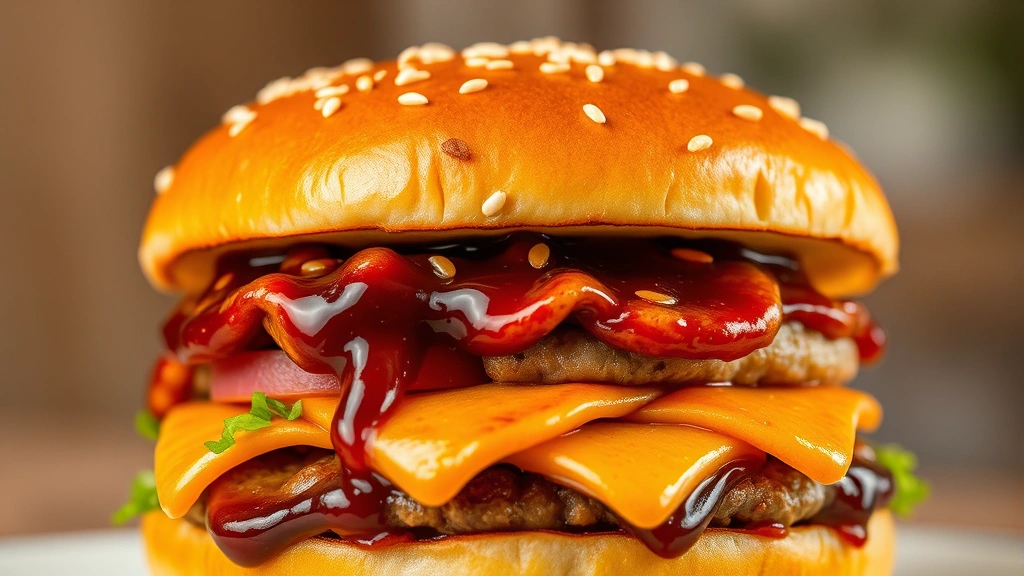
The Asia-Pacific region showcases McDonald’s most adventurous menu adaptations, reflecting sophisticated culinary traditions spanning thousands of years. Japan’s McDonald’s locations consistently lead innovation with offerings that would astound Western consumers accustomed to standard burger fare. The Teriyaki Burger combines umami-rich soy-based glaze with beef patties, creating a savory-sweet profile that bridges Western fast-food convenience with Japanese flavor sensibilities. The sauce coating delivers glossy richness, while subtle ginger and garlic undertones add complexity.
Japan’s Ebi Filet-O (shrimp patty sandwich) represents a remarkable departure from beef-centric menus. The delicate sweetness of breaded shrimp contrasts beautifully with creamy tartar sauce and crispy exterior texture. This dish appeals to seafood-loving populations and demonstrates McDonald’s willingness to completely reimagine core menu items for regional preferences.
Thailand’s menu features the Samurai Pork burger, layering thin-sliced pork with spicy mayo and crispy onions. The palate experiences initial sweetness from the bun, followed by savory pork richness, then building heat from the mayo’s chili elements. This flavor progression showcases understanding of Thai taste preferences—sweet, salty, sour, and spicy elements in harmonious balance.
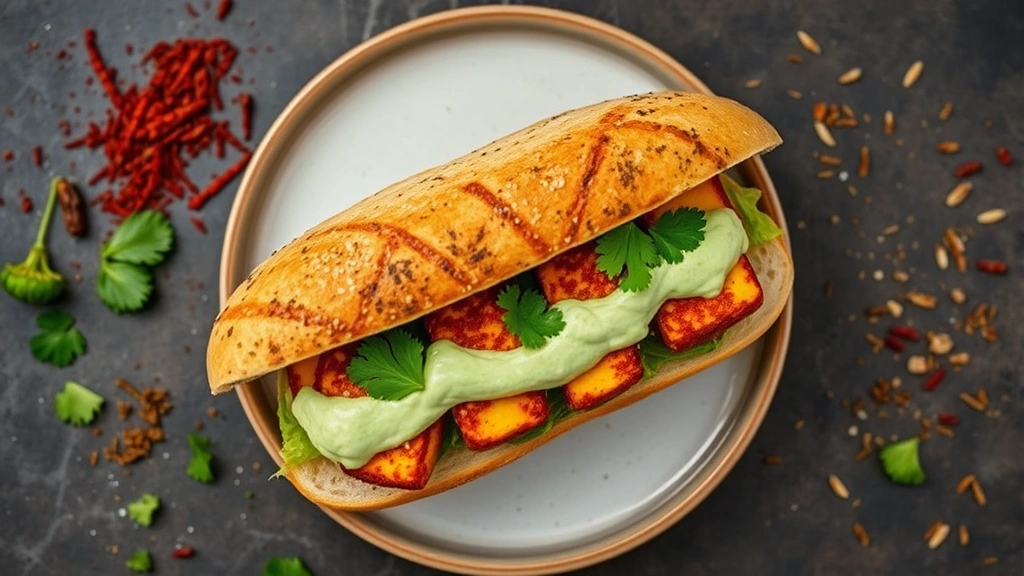
India’s McDonald’s menu represents perhaps the most comprehensive vegetarian fast-food adaptation globally. The McSpicy Paneer sandwich features marinated cottage cheese that’s been deep-fried until golden, creating textural contrast between crispy exterior and creamy interior. Indian spice blends—including cumin, coriander, and turmeric—infuse the paneer with warming, earthy flavors. The accompanying mint mayo provides cooling contrast, reflecting traditional Indian cooling elements in cuisine.
South Korea’s McDonald’s offerings include the Bulgogi Burger, featuring marinated beef with sesame seeds and Korean-style sauce. The meat carries subtle sweetness from pear juice commonly used in traditional bulgogi marinades, while sesame oil adds nutty aromatics. This represents direct translation of beloved Korean barbecue tradition into fast-food format.
China’s McDonald’s menu adapts to local preferences with offerings like the Spicy Chicken Sandwich featuring Sichuan peppercorn numbing sensation alongside chili heat. The Rice Burger—substituting rice cakes for traditional bread—accommodates cultural preferences for rice-based meals while maintaining portable convenience.
Australia’s McDonald’s features the Wagyu Beef Burger, incorporating premium beef cuts that deliver superior marbling and rich, buttery flavor. The thicker patty and higher fat content create juicier, more tender eating experience compared to standard beef burgers. This reflects both ingredient availability and premium positioning in developed markets.
European Flavor Innovations: Sophisticated Simplicity
European McDonald’s locations emphasize quality ingredients and refined flavor combinations rather than extreme innovation. France’s McDonald’s menu showcases this philosophy through offerings like the Croque McDo—a ham and cheese sandwich combining jambon de Paris (French ham) with melted Emmental cheese on toasted bread. The flavor profile emphasizes ingredient quality over complexity: salty, savory ham balanced against creamy, slightly nutty melted cheese.
Germany’s menu features the Curry Wurst Burger, adapting the beloved Berlin street food into sandwich format. Sliced sausage is coated with spiced curry ketchup delivering turmeric warmth, paprika sweetness, and subtle spice heat. This direct menu translation demonstrates respect for established regional food culture.
Spain’s McDonald’s offers the McIbérico, featuring premium Iberian pork known for superior flavor and marbling. The meat carries distinctive nutty, slightly sweet character from the pigs’ acorn-based diet. Minimal seasoning allows the ingredient quality to shine, representing European philosophy prioritizing exceptional raw materials.
Italy’s offerings include the Piadina—a traditional Italian flatbread sandwich filled with Italian meats and cheeses. The thin, slightly crispy bread carries subtle saltiness, while fillings emphasize cured meat complexity and creamy cheese texture. This represents direct cultural menu translation rather than adaptation.
Nordic countries embrace sustainable seafood with offerings like the Salmon Burger in Norway and Sweden. The delicate pink flesh carries subtle briny sweetness, while crispy exterior provides textural contrast. Dill-infused mayo complements the fish’s natural aromatics.
Latin American Bold Tastes: Spice and Soul
Latin American McDonald’s locations embrace bold, assertive flavors reflecting regional culinary traditions emphasizing chili peppers, citrus, and aromatic spices. Mexico’s McDonald’s menu features the McSpicy with jalapeño, delivering authentic heat alongside savory beef. The jalapeño’s bright, grassy spice builds progressively, while lime-infused mayo provides cooling citrus contrast.
Brazil’s menu includes the Chicken Burger with Tropical Sauce, featuring mango and passion fruit elements that deliver bright, tart sweetness against savory fried chicken. This flavor combination reflects Brazilian tropical ingredient availability and preference for fruit-forward taste profiles.
Argentina’s Beef Burger emphasizes premium grass-fed beef reflecting the nation’s ranching heritage. The meat carries deeper, more complex flavor than grain-fed alternatives, with subtle herbaceous notes. Minimal seasoning respects the ingredient’s natural character.
Venezuela’s menu features offerings with arepa bread—cornmeal cakes representing staple carbohydrate throughout the region. The slightly sweet, corn-forward flavor provides textural and taste contrast to savory fillings.
Middle Eastern and African Adaptations: Spice Routes and Heritage
Middle Eastern and African McDonald’s locations reflect ancient spice trade routes and ingredient traditions. Saudi Arabia’s McDonald’s menu features the McArabia—pita bread sandwiches filled with seasoned chicken or beef, lettuce, tomato, and garlic sauce. The warm pita carries subtle yeast fermentation character, while garlic sauce delivers pungent, creamy richness.
Israel’s menu emphasizes hummus-based offerings, with chickpea paste providing earthy, nutty flavor alongside savory proteins. The creamy legume texture contrasts beautifully with crispy bread and fresh vegetables.
Egypt’s McDonald’s offers the Koshary-inspired options featuring lentils, chickpeas, and rice—traditional Egyptian comfort food staples. These dishes deliver complex layered flavors: earthy legumes, subtle spice warmth, and textural variety from grain and vegetable combinations.
South Africa’s menu features the Boerewors Burger, incorporating traditional South African sausage seasoned with coriander, cloves, and nutmeg. The spice profile carries warming, slightly sweet character reflecting Dutch and indigenous culinary influences.
Seasonal and Limited Releases: Temporary Treasures
McDonald’s leverages seasonal ingredients and limited-time offerings to maintain menu excitement while testing new flavor concepts. Spring releases often feature fresh, lighter profiles—asparagus, fresh herbs, and delicate proteins. Summer brings bold, assertive flavors: spicy offerings, fruit-forward combinations, and chilled sides.
Autumn introduces warming spices—cinnamon, nutmeg, cloves—in both savory and sweet applications. Winter features rich, comforting profiles with heavier sauces, premium proteins, and indulgent flavor combinations. These seasonal rotations reflect agricultural availability and consumer desire for variety throughout the year.
Limited releases generate cultural conversation and social media engagement while allowing McDonald’s to test innovations before potential permanent menu integration. Japan’s sakura (cherry blossom) burger represents this strategy—featuring delicate floral notes and pink-hued sauce that resonates with spring aesthetics and seasonal celebration.
Tasting Notes and Flavor Profiles: A Sensory Analysis
Approaching McDonald’s global menu with deliberate tasting methodology elevates the experience from casual consumption to genuine culinary exploration. Begin by observing visual presentation—color intensity, sauce glossiness, ingredient arrangement—which signals flavor intensity and ingredient quality.
Initial aroma provides crucial tasting information. Umami-forward dishes like Japan’s Teriyaki Burger deliver savory, meaty aromatics enhanced by soy and ginger. Spice-prominent offerings like Thailand’s Samurai Pork release immediate heat sensations through nasal passage, preparing palate for coming intensity.
The first bite should involve all components simultaneously—bread, protein, sauce, vegetables—to experience intended flavor balance. Texture variation proves equally important as flavor: crispy exterior against creamy interior, soft bread against firm protein, smooth sauce against crunchy vegetables.
Flavor progression through the eating experience reveals layering sophistication. Quality offerings begin with initial impression, develop complexity mid-bite, and finish with lingering aftertaste. The McSpicy Paneer exemplifies this: initial sweetness from bread, followed by paneer’s creamy richness, building spice heat, and mint mayo’s cooling finish.
Consider how flavors evolve across multiple bites. Does heat intensity increase, plateau, or decrease? Does richness become cloying or maintain appeal? How do individual components interact—do they harmonize, contrast, or compete? These observations distinguish thoughtful menu engineering from random flavor combination.
Temperature plays crucial role in flavor perception. Warm offerings emphasize aromatic volatility and sauce fluidity, while cooler components provide palate refreshment. The contrast between hot crispy exterior and relatively cool interior filling creates textural and thermal interest.
Pairing McDonald’s global offerings with appropriate beverages enhances tasting experience. Umami-forward Japanese offerings complement slightly sweet beverages—iced tea with subtle honey, or yuzu-forward drinks. Spicy Southeast Asian dishes benefit from cooling dairy-based beverages or citrus drinks. Rich European offerings pair well with slightly acidic beverages cutting through fat.
If you’re searching for what restaurants are open on Thanksgiving, McDonald’s global locations provide reliable international menu access during holiday periods. Similarly, restaurants open late near me often include McDonald’s locations offering global menu items during extended hours.
For families interested in diverse culinary experiences, exploring McDonald’s global menu represents accessible introduction to international flavors. Check best family restaurants near me for locations featuring expanded global offerings. Additionally, vegetarian restaurants often inspire similar plant-forward approaches to fast-food adaptation that McDonald’s implements in markets like India.
For those with dietary restrictions, pet friendly restaurants near me sometimes share outdoor seating with McDonald’s locations, making outdoor tasting sessions feasible. Finally, understanding what restaurants are open on Christmas Day helps plan international menu exploration during holiday periods.
The global McDonald’s menu represents remarkable culinary diplomacy—maintaining brand consistency while respecting local traditions, ingredients, and taste preferences. Each regional offering tells stories about agricultural availability, cultural food traditions, and consumer preferences. From Japan’s refined umami exploration to India’s comprehensive vegetarian adaptation, these menus demonstrate how international corporations navigate cultural sensitivity and culinary authenticity.
According to research from The Culinary Institute of America, understanding fast-food menu localization provides valuable lessons about flavor adaptation and ingredient substitution. Food scientists at International Association of Culinary Professionals recognize McDonald’s global strategy as case study in maintaining brand identity while embracing cultural culinary expression.
The New York Times Dining section has documented McDonald’s international menu evolution, while Bon Appétit magazine regularly features articles analyzing global fast-food menu innovations. Food historian research from Serious Eats provides deeper context about regional flavor traditions informing McDonald’s adaptations.
FAQ
Which McDonald’s global menu item offers the most unique flavor profile?
Japan’s Teriyaki Burger consistently ranks as most innovative, combining traditional umami-forward Japanese seasoning with Western burger format. The balanced sweet-savory profile with subtle ginger and garlic complexity distinguishes it from standard offerings globally.
Are McDonald’s global menu items available internationally?
Most regional specialties remain exclusive to their origin markets due to ingredient sourcing, supply chain logistics, and localized marketing strategies. However, some items occasionally appear in other markets through limited-time collaborations or expanded international menus.
How does McDonald’s adapt menus for vegetarian populations?
India’s McDonald’s menu provides most comprehensive vegetarian adaptation, featuring McSpicy Paneer, vegetable burgers, and plant-forward options. This reflects both cultural vegetarianism prevalence and business strategy recognizing vegetarian market size.
What makes regional McDonald’s menus taste different from standard offerings?
Ingredient substitution, sauce formulation, spice blending, and protein selection create distinct flavor profiles. Regional menus incorporate local ingredients, respect cultural taste preferences, and adapt preparation methods to local culinary traditions.
Can I find McDonald’s global menu items in my home country?
Availability varies significantly. Some markets feature expanded global menus during specific periods, while others maintain limited regional offerings. International airports and tourist-heavy locations sometimes feature broader global menu access.
How should I approach tasting McDonald’s global menu items?
Observe visual presentation, inhale aromas, taste all components simultaneously on first bite, notice flavor progression across multiple bites, and consider temperature and texture contrasts. This deliberate approach elevates experience from casual consumption to genuine culinary exploration.