Best Mofongo in Town? Chef’s Recommendations
Mofongo stands as one of the Caribbean’s most iconic dishes, a culinary masterpiece that transforms humble plantains into something transcendent. This Puerto Rican staple has captivated food enthusiasts worldwide, earning its place on menus from San Juan to New York, London to Miami. The dish’s magic lies in its deceptive simplicity: fried plantain pieces are mashed with garlic, olive oil, and broth until they reach a creamy, cloud-like consistency that coats your palate with savory richness.
Finding truly exceptional mofongo requires understanding what separates mediocre preparations from the extraordinary. The best versions showcase perfectly ripe plantains with that golden-fried exterior giving way to tender interiors, balanced garlic infusion that awakens without overwhelming, and proper technique that creates the ideal texture. We’ve consulted with professional chefs, visited acclaimed establishments, and tasted countless interpretations to bring you definitive guidance on discovering the finest mofongo restaurant experiences available today.
What Makes Authentic Mofongo Exceptional
Authentic mofongo begins with ingredient selection and respect for traditional methodology. The foundation rests on green plantains harvested at peak ripeness—firm enough to hold structure yet mature enough to develop proper sweetness when fried. Professional cooks understand that plantain quality directly determines final flavor complexity. The best mofongo restaurants source plantains from trusted suppliers, ensuring consistent quality across every service.
The frying process demands precision and attention. Oil temperature must remain steady between 350-375°F to achieve that coveted golden crust while maintaining a creamy interior. Plantain pieces cut to uniform size ensure even cooking, preventing some pieces from burning while others remain undercooked. Expert chefs listen to the sizzle, watching for subtle color shifts that indicate perfect doneness. This technical mastery separates casual preparations from restaurant-quality results.
Garlic integration transforms mofongo from pleasant to unforgettable. Rather than simply mixing minced garlic into finished mofongo, traditional methods involve infusing garlic flavor throughout the cooking process. Many top establishments prepare garlic-infused oil separately, allowing the flavors to meld before incorporating into the dish. Fresh garlic—never powder—provides that pungent, slightly sweet note that defines authentic mofongo. The garlic should be present enough to register on every bite without becoming harsh or bitter.
Key Characteristics of Outstanding Mofongo
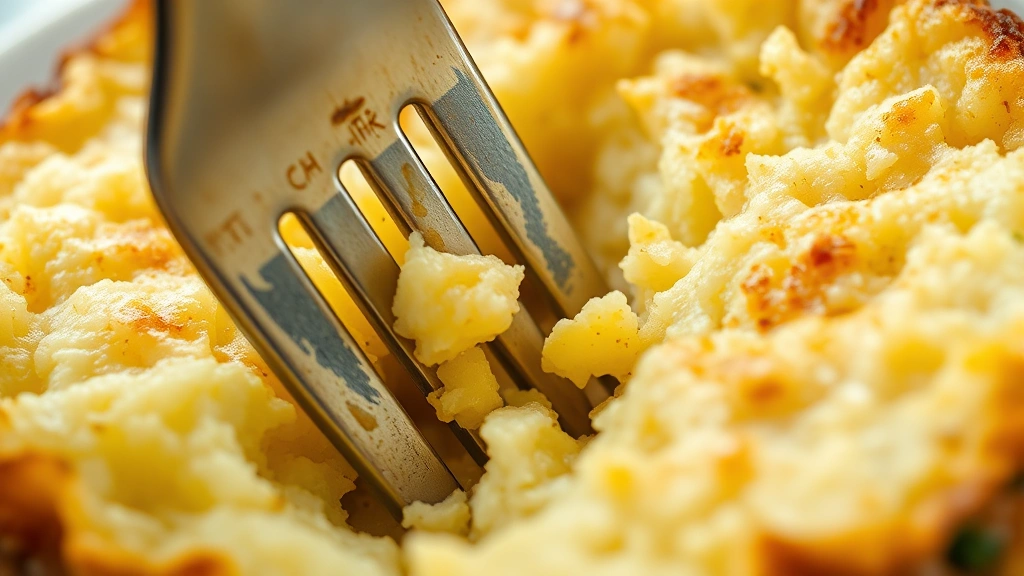
The texture profile of exceptional mofongo presents a fascinating paradox: simultaneously creamy and substantial. When you place your spoon into properly prepared mofongo, it should yield easily while maintaining enough integrity to form a cohesive bite. The best versions achieve this through careful balance between moisture and solid plantain pieces. Too much liquid creates a soup-like consistency; insufficient moisture yields a dense, gluey texture that coats the mouth uncomfortably.
Color indicates quality more accurately than many realize. Ideal mofongo displays a pale golden hue with subtle brown flecks from garlic and fried plantain edges. Overly pale mofongo suggests insufficient cooking or low-quality oil; deeply brown or grayish preparations indicate over-frying or aged ingredients. Professional mofongo restaurants maintain strict standards about appearance, understanding that visual appeal influences taste perception through psychological expectation.
The aroma surrounding authentic mofongo tells a story of technique and care. Fragrant garlic notes should lead, followed by subtle sweetness from caramelized plantain. Quality olive oil contributes a fruity, slightly peppery backdrop. If mofongo smells primarily of cooking oil or lacks aromatic complexity, the preparation likely prioritized speed over craftsmanship. Top establishments allow their mofongo to cool slightly before service, allowing volatile compounds to develop fully, creating more complex sensory experiences.
Seasoning balance separates good mofongo from exceptional versions. Beyond garlic, authentic recipes incorporate broth—typically chicken or seafood—that provides savory depth and umami richness. Salt levels must be carefully calibrated; underseasoned mofongo tastes flat and one-dimensional, while oversalted versions become unpleasantly harsh. The best mofongo restaurants taste continuously throughout preparation, adjusting seasonings to achieve perfect equilibrium. Many chefs recommend finishing with a small amount of reserved broth heated with additional garlic, creating an aromatic condiment that elevates the entire dish.
Top Mofongo Restaurant Styles and Variations
Traditional mofongo serves as the foundation, but innovative chefs create compelling variations that honor classic techniques while introducing modern sensibilities. Classic preparations feature mofongo shaped into a dome, often pressed in a special wooden mortar called a pilón, then topped with a savory sauce or protein. This presentation has graced Puerto Rican tables for generations and remains the gold standard for authenticity.
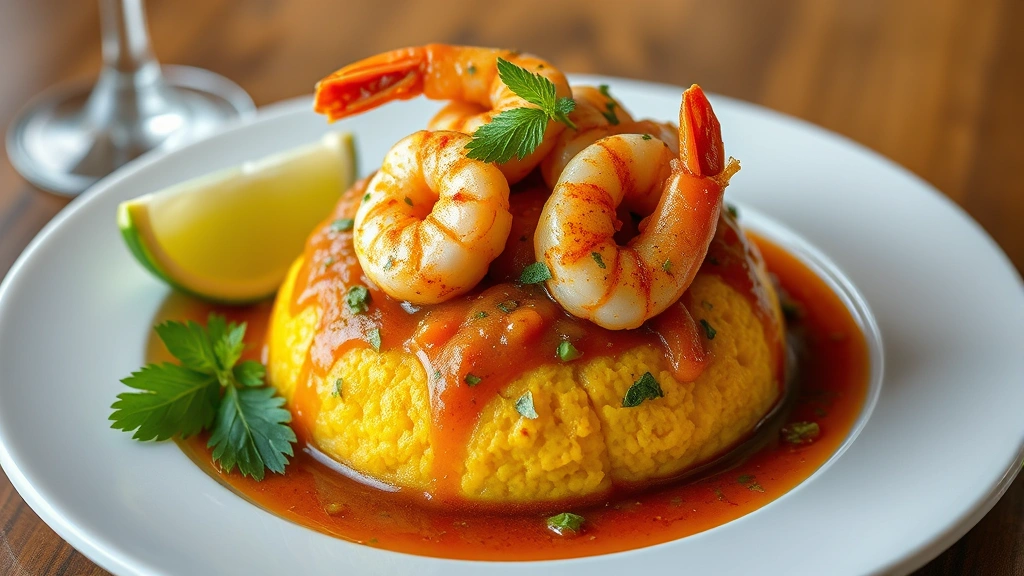
Seafood-forward interpretations showcase mofongo’s remarkable versatility. Shrimp mofongo features succulent crustaceans in garlic butter sauce draped over the plantain foundation, creating textural contrast between creamy and tender. The briny sweetness of shrimp complements mofongo’s earthy plantain notes beautifully. Octopus preparations offer bolder flavors—tender tentacles with slight chew paired against mofongo’s smooth texture. Fish mofongo, whether with white fish or richer options like salmon, presents opportunities for creative sauce pairings that enhance both components.
Chicken-based mofongo remains the most accessible entry point for newcomers. Tender chicken pieces or shredded preparation resting atop mofongo creates satisfying, familiar comfort food. The best versions use bone-in chicken thighs simmered with sofrito, creating rich, deeply flavored sauce that soaks into the mofongo while maintaining distinct textural layers. When searching for an excellent mofongo restaurant, chicken preparations often reveal a chef’s technical foundation and understanding of flavor balance.
Modern interpretations push boundaries creatively. Some establishments prepare mofongo with alternative proteins—beef, pork, even duck—creating unexpected flavor combinations. Vegetarian versions substitute mushroom-based preparations or roasted vegetables for traditional animal proteins, proving mofongo’s flexibility as a culinary canvas. The most successful innovative versions maintain respect for traditional technique while introducing novel elements that surprise without alienating purists.
Check out best restaurants in Palm Springs and date night restaurants near you for additional dining inspiration that may feature exceptional mofongo preparations.
Chef Recommendations and Insider Secrets
Professional chefs consistently emphasize plantain selection as the primary determinant of mofongo quality. Executive chefs at leading establishments taste plantains before purchasing, ensuring optimal ripeness and flavor potential. They understand that green plantains possess different characteristics than yellow or black varieties, each suitable for different applications. The very best mofongo restaurants maintain relationships with suppliers who understand their specific requirements, ensuring plantain batches meet exacting standards.
Temperature control emerges as another critical factor separating exceptional mofongo restaurants from mediocre operations. Chefs recommend serving mofongo hot enough to taste its full flavor complexity but not so hot that it becomes unpleasantly scalding. The ideal temperature allows flavors to bloom while maintaining textural integrity. Many professional kitchens use warmed bowls to maintain optimal serving temperature, understanding that cooling mofongo loses aromatic complexity and becomes increasingly dense.
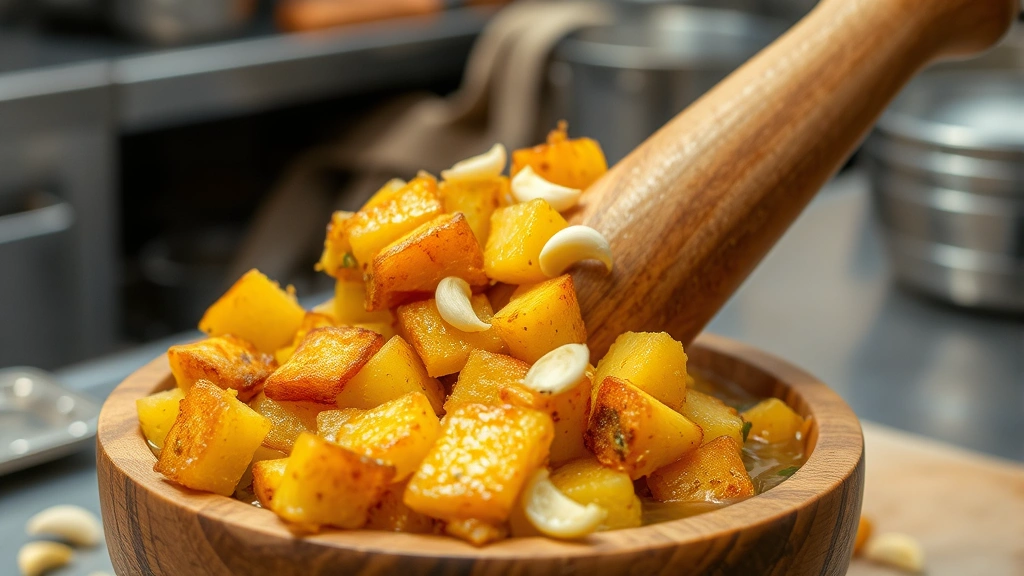
Mashing technique reveals chef expertise more clearly than casual observers might realize. Traditional methods employ wooden pestles in heavy mortars, creating friction heat that slightly warms the mixture while breaking down plantain fibers to precise consistency. Some modern chefs experiment with specialized equipment, though purists argue that manual mashing better controls texture. The rhythm and pressure applied during mashing influence final moisture content and air incorporation—factors that dramatically affect mouthfeel and flavor distribution.
Acclaimed chefs emphasize garlic preparation as a secret weapon. Rather than simply mincing fresh garlic, many top establishments crush garlic slightly, allowing juices to release before incorporating into oil. Some chefs prepare garlic infusions hours in advance, allowing flavors to intensify. A few innovative restaurants include a small amount of roasted garlic, creating layered complexity that single-method preparations cannot achieve. The garlic-to-oil ratio varies by chef preference, but consensus suggests that more garlic generally produces superior results, provided it doesn’t become overwhelming.
Broth selection influences mofongo character substantially. Chefs at the finest establishments prepare house-made broths rather than relying on commercial options. Chicken broth simmered with vegetables and aromatics provides clean, supportive flavor. Some chefs prefer seafood broth when preparing seafood mofongo, creating cohesive flavor narratives. The temperature of broth added to mofongo matters—hot broth continues cooking the plantain slightly, developing deeper flavors, while cold broth halts the cooking process immediately. Professional chefs carefully consider this variable when timing preparations.
Regional Differences in Mofongo Preparation
Puerto Rican mofongo represents the canonical version, deeply rooted in island tradition and technique. The classic preparation emphasizes simplicity and ingredient quality, allowing each component to shine without excessive adornment. Puerto Rican chefs often serve mofongo in a hollowed-out dome shape, presenting a visually striking presentation that reflects cultural pride. The sauce typically features sofrito—a fragrant blend of garlic, cilantro, and peppers—creating distinctly Caribbean flavor profiles.
Dominican mofongo variations introduce subtle but meaningful differences. Dominican preparations sometimes incorporate a bit more moisture, creating slightly looser consistency than Puerto Rican versions. Some Dominican cooks add a small amount of cheese, particularly when preparing vegetarian versions, introducing richness that shifts the flavor balance. The sauces accompanying Dominican mofongo often feature different spice profiles, reflecting Dominican culinary traditions distinct from Puerto Rican approaches.
Cuban-influenced mofongo preparations adapt the classic to Cuban tastes and ingredients. Cuban chefs sometimes incorporate a bit of lime juice into the mofongo itself, introducing brightness that contrasts plantain’s earthiness. Mojo sauce—the classic Cuban marinade featuring sour orange, garlic, and cumin—occasionally appears alongside mofongo, offering alternative flavor pairings. Cuban establishments may serve mofongo with different proteins or preparations than Caribbean island traditions.
New York and Miami versions reflect immigrant communities and modern culinary evolution. These urban interpretations often honor traditional techniques while incorporating local ingredients and contemporary plating sensibilities. Many talented chefs in these cities trained in Caribbean kitchens before establishing American establishments, bringing authentic knowledge to new contexts. The competition among numerous mofongo restaurants in these cities drives continuous innovation and quality improvement.
International adaptations appear in establishments worldwide, from London to Los Angeles. These versions sometimes take greater liberties with traditional preparation, incorporating fusion elements or alternative ingredients. While some purists dismiss these interpretations, successful fusion approaches demonstrate mofongo’s versatility and global appeal. The best international versions maintain respect for foundational technique while thoughtfully integrating local ingredients and culinary traditions.
Pairing Mofongo with Complementary Dishes
Mofongo’s rich, savory character benefits from bright, acidic accompaniments that cleanse the palate between bites. Many mofongo restaurants serve fresh lime wedges or include citrus-forward sauces that cut through the dish’s richness. A simple salad featuring fresh greens, tomato, and lime vinaigrette provides textural contrast and flavor balance. Some establishments offer pickled vegetables—onions, peppers, or cabbage—creating tangy counterpoints that enhance mofongo’s savory depth.
Beverage pairings deserve careful consideration when enjoying mofongo. Light, crisp white wines—particularly those with herbal or mineral notes—complement mofongo beautifully. Spanish albariño or Portuguese vinho verde provide acidity and freshness that cuts through richness. Beer enthusiasts should seek pale lagers or wheat beers that refresh without overpowering delicate flavors. Non-alcoholic options including sparkling water with lime or fresh fruit juices provide similar palate-cleansing benefits.
When exploring best restaurants in London, seek establishments that understand proper mofongo pairings and complementary side dishes. Traditional accompaniments include tostones—twice-fried plantain slices with crispy exteriors—offering textural variation. Rice and beans, particularly seasoned versions with garlic and cilantro, provide familiar comfort food elements that ground the meal. Some restaurants include pickled onions or fresh slaw, introducing brightness that balances richness.
Seafood preparations benefit from different accompaniments than meat-based versions. Fresh ceviche or light seafood salads provide textural contrast. Grilled vegetables including peppers, zucchini, and eggplant introduce char and subtle bitterness that complements seafood mofongo. Some establishments serve mofongo with simple preparations of additional seafood—grilled shrimp or fish—allowing diners to enjoy multiple preparations within a single meal.
When planning restaurants open on Easter or special occasions, mofongo provides elegant yet comforting dining experiences. The dish’s visual appeal and complex flavors impress guests while its familiar nature ensures broad appeal. Many restaurants offer family-style service with mofongo as a centerpiece, encouraging communal dining that creates memorable experiences. Consider requesting advance notice of special preparations when celebrating at mofongo restaurants, as many chefs create seasonal variations featuring fresh, limited ingredients.
Mofongo pairs exceptionally well with other Caribbean dishes, creating cohesive culinary experiences. Pernil—slow-roasted pork with crispy skin—provides rich meat flavors that complement mofongo’s savory character. Alcapurrias, Puerto Rican fried croquettes featuring meat fillings, offer textural variety and additional protein. Ropa vieja, the classic shredded beef preparation, creates satisfying combinations when served alongside mofongo.
Don’t overlook how mofongo complements simpler dishes. While exploring simple seafood recipes, consider how mofongo might serve as an elegant base or accompaniment. A simply grilled fish fillet resting atop mofongo creates restaurant-quality presentations achievable at home. Similarly, perfect garlic bread recipes share mofongo’s emphasis on garlic excellence, suggesting complementary flavor profiles and technique appreciation between these dishes.
FAQ
What distinguishes excellent mofongo from mediocre versions?
Exceptional mofongo features properly ripened green plantains fried to golden perfection, creating creamy interiors and crispy exteriors. The garlic infusion must be present without becoming harsh, while broth integration should create smooth texture without excessive moisture. Superior versions achieve balance between flavor intensity and delicate complexity, never overwhelming the palate. Technique matters enormously—careful temperature control, proper mashing methodology, and ingredient quality separate outstanding mofongo restaurants from casual preparations.
How should I order mofongo at a restaurant to ensure quality?
Request mofongo prepared to order rather than pre-made, allowing the kitchen to ensure optimal temperature and texture. Ask your server about the restaurant’s plantain sourcing and whether they prepare house-made broth—these questions reveal commitment to quality. Inquire about the chef’s recommended protein pairing, as experienced staff members understand which accompaniments best showcase their mofongo preparation. Don’t hesitate to ask about spice levels or garlic intensity, allowing the kitchen to customize according to your preferences.
Can mofongo be prepared successfully at home?
Yes, home cooks can create excellent mofongo with quality ingredients and proper technique. The primary challenge involves sourcing appropriate green plantains and maintaining oil temperature for frying. Invest in a heavy mortar and pestle for traditional preparation, or use a sturdy pot and wooden spoon. Focus on ingredient quality—fresh garlic, good olive oil, and properly ripened plantains—rather than complex technique. Many successful home preparations follow traditional recipes exactly, understanding that simplicity allows ingredient quality to shine.
What’s the best way to reheat leftover mofongo?
Mofongo tastes best fresh, but leftovers can be revived successfully. Gently warm mofongo in a heavy-bottomed pot over low heat, stirring frequently and adding small amounts of warm broth or olive oil to restore moisture. Avoid microwaving, which creates uneven heating and unpleasant texture changes. Some cooks form leftover mofongo into patties and pan-fry until crispy, creating a textural variation that works beautifully as a side dish or breakfast accompaniment.
Are there vegetarian mofongo preparations available?
Absolutely. Excellent vegetarian mofongo preparations feature the same quality plantain preparation and garlic infusion as traditional versions, simply substituting plant-based accompaniments. Mushroom-based sauces—particularly those featuring wild mushrooms or umami-rich preparations—provide savory depth. Roasted vegetable preparations, legume-based sauces, and cheese additions create satisfying vegetarian options. The finest establishments treat vegetarian mofongo with equal care and respect as meat-based versions, ensuring no compromise in flavor or technique.
How do I identify authentic mofongo restaurants?
Seek establishments with Puerto Rican or broader Caribbean ownership and heritage, as cultural connection typically ensures authentic preparation. Read reviews specifically mentioning texture, garlic quality, and flavor balance rather than general praise. Visit during peak hours when fresh mofongo is prepared continuously rather than sitting. Ask servers about the chef’s background and connection to Caribbean culinary traditions. Authentic mofongo restaurants typically feature other traditional dishes alongside mofongo, suggesting comprehensive cultural knowledge rather than trendy exploitation.


