Top Seafood Spots: Pensacola Beach Picks
Pensacola Beach stands as one of Florida’s most underrated culinary destinations, where the Gulf of Mexico’s bounty transforms into extraordinary seafood experiences. The pristine waters surrounding this charming coastal town supply some of the freshest catches you’ll find anywhere along the panhandle, creating an ideal environment for restaurants that prioritize quality and flavor. From casual waterfront shacks to upscale dining establishments, Pensacola Beach restaurants offer an impressive range of options for seafood enthusiasts seeking authentic Gulf cuisine.
The seafood culture here runs deep, influenced by centuries of fishing traditions and a genuine commitment to sustainable practices. Local chefs work directly with fishing vessels, ensuring that grouper, snapper, shrimp, and mahi-mahi arrive at kitchen doors within hours of being caught. This proximity to source creates a tangible difference in taste—a sweetness and delicate texture that simply cannot be replicated elsewhere. Whether you’re planning a casual lunch or a special evening out, understanding which establishments truly excel becomes essential to maximizing your culinary adventure.
Upscale Waterfront Dining Excellence
For those seeking refined seafood experiences, Pensacola Beach’s upscale restaurants deliver sophisticated preparations that honor both traditional techniques and contemporary innovation. These establishments typically feature floor-to-ceiling windows overlooking the Gulf, creating an atmosphere where the natural beauty of the setting complements meticulously crafted dishes. The kitchen staffs at these venues often include chefs trained at culinary institutes, bringing formalized expertise to every plate.
The signature preparations you’ll encounter showcase pristine fish handled with reverence. Pan-seared grouper arrives with a delicate golden crust while maintaining a buttery, flaky interior—the kind of texture that speaks to perfect timing and temperature control. Snapper preparations often feature Mediterranean influences, with citrus reductions that brighten the fish’s natural sweetness without overpowering it. These restaurants understand that superior ingredients require minimal manipulation; a squeeze of fresh lemon and quality olive oil often prove more effective than elaborate sauces.
Crustacean dishes in upscale settings showcase meticulous attention to detail. Stone crab claws, when available seasonally, arrive chilled with mustard-based dipping sauces that provide subtle tang and complexity. Lobster preparations range from simple butter-poached presentations to more elaborate preparations featuring saffron-infused risottos and microgreens. The key distinction in fine dining establishments involves sourcing—these restaurants often feature Gulf shrimp that possesses a firmness and briny sweetness vastly superior to farmed alternatives.
Wine pairings at upscale venues deserve particular attention. Sommeliers familiar with seafood pairing principles recommend crisp Sauvignon Blancs for lighter fish preparations, while fuller-bodied Chardonnays complement richer dishes featuring cream-based sauces. Albariño wines, with their mineral qualities and citrus notes, provide exceptional matches for Gulf fish. These wine programs elevate the dining experience, transforming meals into complete sensory journeys.
Casual Beachside Seafood Treasures
Pensacola Beach’s casual seafood restaurants often deliver equal or superior flavor experiences compared to their upscale counterparts, distinguished primarily by atmosphere rather than quality. These establishments embrace a relaxed aesthetic—weathered wood, casual seating, minimal pretense—while maintaining unwavering commitment to ingredient quality. Many operate as family-run operations spanning generations, with recipes and sourcing relationships passed down through decades.
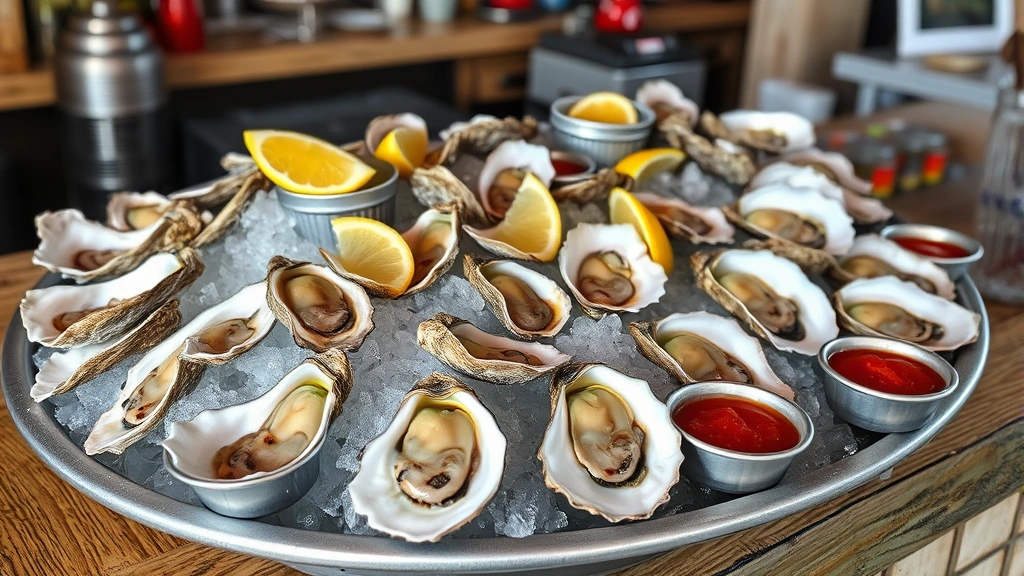
The casual dining experience often includes raw bars featuring Gulf oysters with distinctive briny character. These bivalves, harvested from local beds, possess a mineral complexity reflecting the specific terroir of Pensacola waters. Fresh oysters should slide cleanly from shells with minimal effort, presenting a liquor (the natural juice) that appears clear rather than cloudy. Experienced oyster enthusiasts appreciate the subtle differences between morning harvests and afternoon catches, noting how tidal cycles and water temperature influence flavor profiles.
Fried seafood in casual settings reaches artistic heights when executed properly. Quality establishments maintain oil temperatures precisely, achieving golden exteriors within seconds while interiors remain moist and tender. Grouper sandwiches—a regional staple—showcase thick-cut fish fillets breaded with seasoned flour, fried until the exterior crackles between teeth before yielding to succulent meat. Tartar sauce, when made fresh with minced pickles and mayo, provides acidic contrast that cleanses the palate between bites.
Shrimp preparations in casual venues often emphasize simplicity. Boiled shrimp seasoned with Old Bay spice, served over ice with cocktail sauce, requires nothing beyond impeccable freshness. The shrimp should possess firm texture and sweet brininess, with meat that doesn’t stick to shells. Grilled shrimp skewers, brushed with garlic butter and finished with fresh herbs, demonstrate how minimal intervention allows the Gulf’s natural flavors to shine.
If you enjoy this casual approach, you might appreciate exploring family restaurants near me for similar dining philosophies across different cuisines. The emphasis on accessibility and quality remains consistent across casual dining establishments.
Specialized Seafood Preparations
Certain Pensacola Beach restaurants distinguish themselves through specialized techniques that transform familiar seafood into unexpected creations. Ceviche preparations, while not traditional to Gulf cuisine, showcase how chefs apply their training to local ingredients. Fresh snapper or mahi-mahi, diced and marinated in citrus juices, develops a delicate “cooked” texture while maintaining raw fish’s silky mouthfeel. Jalapeño, cilantro, and avocado add layers of complexity that complement rather than mask the fish’s natural character.
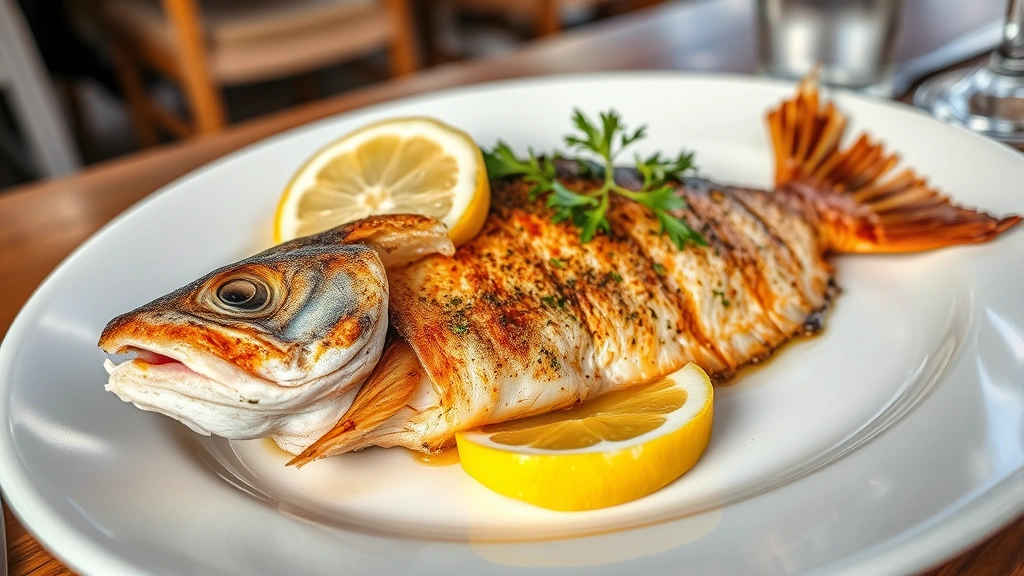
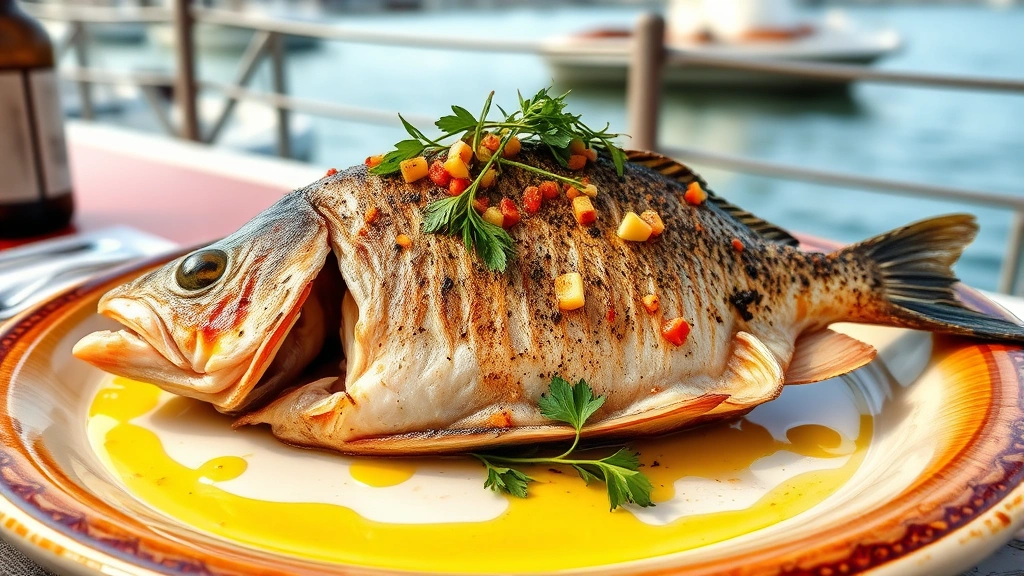
Whole fish preparations deserve particular attention for their theatrical presentation and superior flavor. Branzino or snapper, roasted whole with aromatics stuffed inside the cavity, maintains optimal moisture while developing crispy skin. As the server fillets the fish tableside, the natural juices redistribute, creating a self-basting effect that intensifies flavor. This method, traditional throughout Mediterranean and Asian cuisines, represents a masterclass in respecting ingredient quality.
Seafood pasta dishes in specialty-focused restaurants demonstrate how Gulf catches complement Italian traditions. Fresh tagliatelle tossed with Gulf shrimp, garlic, and white wine sauce allows each component to contribute distinct flavors without competition. The pasta’s starch provides textural contrast while its subtle wheat flavor grounds the composition. Clam pasta preparations featuring littleneck clams showcase how briny shellfish liquor enriches simple olive oil and garlic bases.
Smoked seafood preparations, increasingly popular among innovative chefs, impart complex flavor dimensions. Smoked mahi-mahi flakes possess a delicate smokiness that enhances rather than overwhelms the fish’s natural character. These preparations often appear as appetizers or salad components, where their concentrated flavor proves most impactful. The smoking process must occur at precise temperatures to prevent cooking the delicate fish while still developing flavorful compounds.
For those interested in preparing seafood at home, exploring easy homemade bread recipes can complement your seafood dining knowledge, as fresh bread provides perfect accompaniment to seafood dishes.
The Art of Fresh Fish Selection
Understanding how to evaluate seafood freshness becomes essential when dining at Pensacola Beach restaurants. Professional chefs and experienced diners employ sensory assessment techniques that reveal quality instantly. Fresh fish should present bright, clear eyes rather than cloudy or sunken appearance—a detail many overlook despite its reliability as a freshness indicator. The gills should display deep red coloring, fading to pink only at the edges, suggesting recent harvest rather than days of storage.
Aroma provides perhaps the most honest assessment of fish quality. Truly fresh seafood possesses a clean, briny scent reminiscent of ocean air. Any ammonia odor indicates bacterial breakdown and suggests the fish has aged excessively. Professional fish mongers and quality restaurants maintain rigorous standards, rejecting deliveries that fail to meet established criteria. This vigilance directly impacts the meals you consume.
Texture evaluation requires gentle pressure testing. Fresh fish flesh should spring back immediately when pressed, indicating intact cellular structure and optimal moisture retention. Flesh that dimples or leaves indentations suggests cellular breakdown from aging or improper handling. Flaking should occur only when cooked; raw fish should resist separation when gently probed.
Color assessment varies by species but should always appear vibrant rather than dull. Snapper presents white flesh with subtle pink undertones; grouper displays pure white flesh; mahi-mahi shows pale pink coloring. Any browning or discoloration suggests oxidation and declining quality. Experienced restaurants utilize turnover as their primary freshness guarantee—high-volume establishments simply cannot maintain inventory long enough for quality to deteriorate.
Understanding sourcing practices separates exceptional restaurants from mediocre ones. Establishments that publicize their relationships with specific fishing vessels and markets demonstrate transparency suggesting confidence in their supply chain. Some restaurants maintain relationships spanning decades with particular captains, creating consistent quality that transcends typical restaurant standards.
Seasonal Specialties and Local Catches
Pensacola Beach seafood dining transforms throughout the year as seasonal availability shifts what appears on menus. Spring brings soft-shell crab season, when blue crabs shed their shells in pursuit of growth. This brief window—typically March through May—offers a delicacy unavailable for most of the year. Soft-shells possess tender exteriors that can be consumed entirely, with a delicate, slightly sweet flavor distinguishing them from hard-shell varieties. Restaurants featuring soft-shell preparations during peak season deserve visits, as the ingredient’s limited availability makes these dishes special occasions.
Summer brings peak grouper season, when these substantial fish reach peak flavor and availability. Black grouper, gag grouper, and red grouper each present subtle flavor variations reflecting their different habitats and diets. Black grouper tends toward slightly sweeter character, while gag grouper presents more pronounced briny qualities. Red grouper occupies middle ground, offering balanced flavor that appeals to broader audiences. During summer months, expect grouper to dominate menus, appearing prepared in diverse styles reflecting chefs’ creativity.
Fall transitions into snapper season, when these prized fish display exceptional quality. Vermilion snapper, also called red snapper, becomes increasingly available as water temperatures cool. These fish develop richer flavor profiles as they prepare for winter, with flesh taking on subtle sweetness. Snapper’s firm texture resists overcooking better than more delicate species, making it forgiving for home cooks while offering sufficient quality to impress discerning diners.
Winter brings stone crab season, transforming Pensacola Beach into a destination for serious crustacean enthusiasts. Stone crabs, harvested from October through May, offer claws possessing firm, sweet meat with subtle briny character. The claws arrive pre-cooked, requiring only gentle warming before serving. Mustard sauce—a simple combination of mayonnaise, spicy mustard, and Worcestershire—provides traditional accompaniment that enhances without overwhelming the meat’s delicate flavor.
Shrimp availability spans the entire year, but quality peaks during fall and winter months when Gulf shrimp reach optimal size and flavor development. Spring shrimp tend toward smaller sizes, while fall harvests produce jumbo specimens with pronounced sweetness. Understanding these seasonal variations allows diners to optimize their selections, choosing preparations that showcase each season’s particular strengths.
If you’re planning a special occasion around these seasonal highlights, you might explore romantic restaurants near me to find establishments offering seasonal tasting menus that celebrate local catches. Many upscale venues design special menus around peak ingredient availability.
Visiting Pensacola Beach during peak seasons for specific species ensures optimal dining experiences. Spring for soft-shell crab, summer for grouper, fall for snapper and shrimp, winter for stone crab—each season presents unique opportunities. Restaurants that adjust their menus seasonally demonstrate commitment to quality and respect for natural cycles governing ingredient availability. This approach, increasingly popular among progressive chefs influenced by farm-to-table and ocean-to-table philosophies, transforms dining into an engagement with seasonal rhythms.
For comprehensive information about seafood sourcing and culinary excellence, resources like the Culinary Institute of America provide educational perspectives on professional seafood preparation. Understanding these professional standards enhances appreciation for restaurants implementing rigorous practices.
The International Association of Culinary Professionals maintains resources connecting diners with chefs committed to ingredient quality and sustainable practices. Many Pensacola Beach restaurants align with these professional standards, ensuring consistent excellence.
Research from flavor science research institutions continues revealing how cooking techniques, ingredient freshness, and preparation methods influence the sensory experience of seafood. Understanding this science deepens appreciation for properly executed dishes.
If you’re exploring other exceptional coastal dining destinations, best restaurants Key West offers similar seafood excellence in a different setting, allowing comparison of regional approaches to Gulf and Caribbean ingredients.
FAQ
What makes Pensacola Beach seafood unique compared to other Florida coastal restaurants?
Pensacola Beach’s geographic location and fishing traditions create distinctive advantages. The Gulf waters surrounding Pensacola produce seafood with specific flavor characteristics reflecting local environmental conditions. Additionally, the fishing community’s commitment to sustainable practices and direct restaurant relationships ensures exceptional freshness. Many restaurants source from independent fishing vessels rather than industrial suppliers, creating quality differentials immediately apparent to discerning diners.
Which seafood species should I prioritize when dining at Pensacola Beach restaurants?
Grouper and snapper represent the most distinctive local species, showcasing Gulf characteristics most clearly. Stone crab, when available seasonally, offers a delicacy impossible to source elsewhere. Gulf shrimp, particularly jumbo varieties available during fall and winter, possess superior sweetness compared to farmed alternatives. Oysters from local beds present unique mineral profiles worth exploring.
How can I identify restaurants committed to sustainable seafood practices?
Inquire directly about sourcing practices and ask which species are caught locally versus imported. Restaurants proudly publicizing relationships with specific fishing vessels and markets demonstrate transparency suggesting sustainability commitment. Menus listing catch specifications—such as “local Gulf grouper” or “dock-to-table snapper”—indicate attention to sourcing. The Seafood Watch program provides guidelines for sustainable species choices.
What’s the optimal way to order fish at restaurants to ensure maximum flavor?
Request preparations that showcase the fish itself rather than obscuring it with heavy sauces. Simple preparations—grilled, pan-seared, or lightly poached—allow ingredient quality to shine. Ask servers about that day’s catches and request the freshest available options. Avoid species that typically arrive frozen unless explicitly stated otherwise. Trust chefs’ recommendations regarding preparation methods suited to specific fish qualities.
How do seasonal variations influence what I should order?
Align your selections with peak availability seasons for optimal flavor and pricing. Order grouper during summer, snapper during fall, stone crab during winter, and soft-shell crab during spring. Restaurants often price seasonal specialties more competitively during peak availability, making these times ideal for sampling premium preparations. Off-season ordering typically results in frozen or imported alternatives lacking local character.


