Best Hispanic Dishes: Your Guide to Authentic Local Hispanic Restaurants
Discovering exceptional Hispanic cuisine near you means embarking on a sensory journey through centuries of culinary tradition, regional diversity, and bold flavor combinations that define Latin American gastronomy. Whether you’re searching for restaurante hispano cerca de mí or exploring the vibrant world of authentic dishes, understanding what makes these restaurants exceptional goes far beyond simple food consumption—it’s about experiencing cultural heritage through every bite, aroma, and textural element that lands on your plate.
Hispanic restaurants offer an incredible spectrum of regional specialties, from the coastal ceviches of Peru to the mole negro of Oaxaca, from Argentine asados to Cuban ropa vieja. Each dish tells a story of indigenous ingredients, Spanish colonial influence, African traditions, and modern culinary innovation. When evaluating local Hispanic establishments, discerning diners should consider not just flavor profiles but also ingredient authenticity, preparation techniques, and the restaurant’s commitment to honoring traditional recipes while embracing contemporary presentation.
Finding the best Hispanic dining experiences in your area requires knowledge of signature dishes, understanding regional variations, and recognizing which establishments truly deliver authentic experiences versus those trading on stereotypes. This comprehensive guide will help you navigate the Hispanic restaurant landscape, identify must-try dishes, and discover establishments worthy of your palate’s attention.
Signature Hispanic Dishes Worth Seeking
When exploring Hispanic cuisine, certain dishes have achieved legendary status through centuries of refinement and cultural significance. Mole, particularly the complex mole negro from Oaxaca, represents perhaps the pinnacle of Hispanic culinary sophistication. This sauce involves twenty to thirty ingredients—including dried chilies, spices, nuts, seeds, and chocolate—simmered for hours to create layers of flavor that simultaneously sweet, savory, bitter, and spicy. The chocolate adds subtle richness without overwhelming the palate, while the chilies provide complexity rather than simple heat.
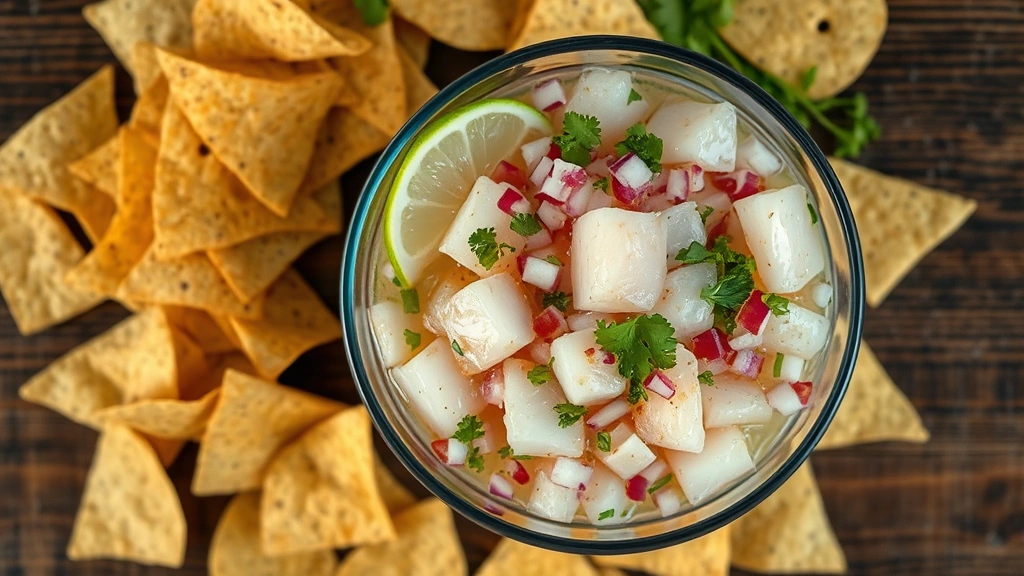
Ceviche showcases the brilliance of simplicity married with precision. Fresh raw fish, typically sea bass or flounder, becomes “cooked” through the acidic action of lime juice, releasing delicate seafood flavors while the citrus provides brightness and subtle bitterness. Quality ceviche demands impeccably fresh fish—the kind that smells of ocean minerals rather than fishiness—combined with perfectly ripe limes, crisp red onions sliced paper-thin, and cilantro that tastes herbaceous rather than soapy. The best ceviches incorporate regional variations: Peruvian versions may include sweet potato and corn, while Mexican preparations might feature avocado or jalapeños.
Authentic tacos deserve serious consideration beyond casual street food perception. Properly executed tacos feature tender, slow-cooked proteins—carnitas, barbacoa, or al pastor—served on freshly made corn tortillas with minimal garnish: perhaps white onion, cilantro, and a squeeze of lime. The protein should shred easily, indicating proper cooking time and technique. The tortilla should taste of corn, possess slight char marks from proper heating, and maintain pliability rather than cracking. When restaurants source their tortillas from dedicated tortillería rather than mass-produced suppliers, the difference becomes immediately apparent on the palate.
Chiles rellenos demand technical mastery. A poblano pepper—with its mild heat and subtle fruitiness—gets roasted until the skin blisters, then carefully peeled to maintain structural integrity. The pepper is stuffed with cheese (typically Oaxaca or quesillo), dipped in whipped egg whites, and gently fried until golden. The result should offer textural contrast: the delicate, custardy egg exterior against the creamy cheese interior and the tender pepper flesh, all enveloped in a light tomato sauce. Poor execution results in rubbery peppers or greasy, heavy batters; excellence means each component shines individually while harmonizing with others.
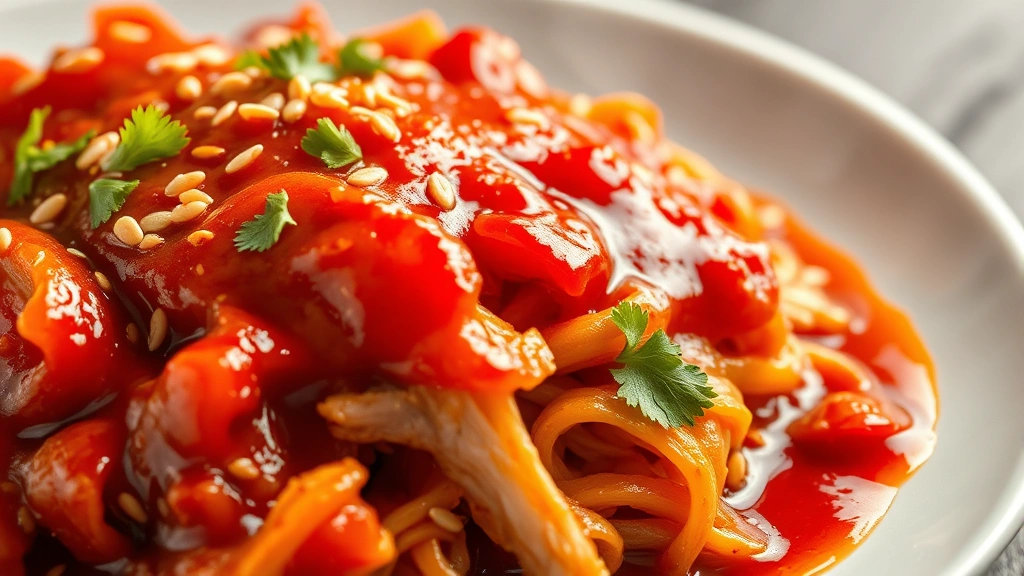
Ropa vieja, the iconic Cuban dish, features shredded beef that has been slow-cooked until it achieves such tenderness that it naturally separates into thin strands resembling old clothes (hence the name). The beef braises in a sauce of tomatoes, peppers, onions, and spices until the flavors become inseparable from the meat itself. The sauce should coat the meat with a glossy sheen, taste deeply savory with subtle sweetness from the peppers and tomatoes, and provide gentle heat from cumin and oregano. Excellent ropa vieja pairs beautifully with black beans and rice, where the starchy sides absorb the flavorful sauce.
Argentine asado represents carnivorous excellence achieved through patience and proper technique. Various cuts of beef—including asado de tira (short ribs), vacio (skirt steak), and entraña (hanger steak)—are grilled slowly over hot coals until the exterior develops a caramelized crust while the interior remains juicy and tender. The meat’s natural flavors should dominate, with perhaps chimichurri sauce on the side providing herbal brightness from parsley, oregano, garlic, and vinegar. The best asado restaurants source their beef from quality suppliers, understanding that exceptional beef needs minimal interference.
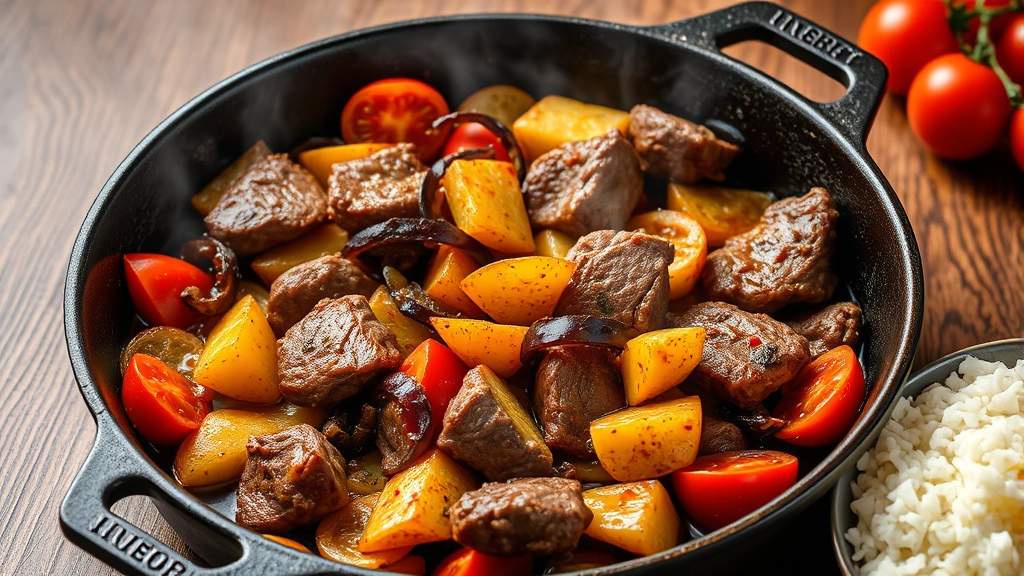
Peruvian lomo saltado demonstrates the influence of Asian immigration on Hispanic cuisine. Tender beef strips are quickly stir-fried with onions, tomatoes, and ají amarillo peppers, then tossed with crispy fried potatoes and served over rice. The dish requires precise heat control and timing—the beef must remain tender while the edges achieve slight char, the potatoes must retain structural integrity while becoming golden and crispy, and all components must arrive at the table simultaneously. The ají amarillo provides fruity, moderately spicy heat that distinguishes this dish from simple stir-fries.
Mexican pozole, particularly the red variety, offers comfort and complexity in a single bowl. Hominy—large corn kernels that have been treated with lime, making them tender and nutritious—simmers in a rich broth flavored with dried chilies, garlic, and oregano. The best pozole uses bone-in pork or chicken, allowing the bones to release collagen that enriches the broth. Toppings—shredded cabbage, radishes, lime, tostadas, oregano, and chilies—allow diners to customize their bowls. The hominy should be tender enough to bite through easily, and the broth should taste deeply of the chilies and spices without being aggressively spicy.
Regional Variations and Specialties
Hispanic cuisine encompasses vast geographic territories, each with distinct ingredients, techniques, and flavor profiles. Understanding these variations helps you appreciate what makes each regional cuisine unique and identify which restaurants specialize in particular traditions.
Mexican cuisine varies dramatically by region. Oaxaca emphasizes moles, tlayudas (crispy tortillas topped with beans, cheese, and meat), and tejate (an ancient pre-Hispanic beverage). Yucatán features distinctive dishes like cochinita pibil (slow-roasted pork marinated in achiote paste) and papadzules (tortillas filled with hard-boiled eggs and covered in pumpkin seed sauce). Coastal regions emphasize fresh seafood preparations, while mountainous areas feature heartier stews and bean-based dishes. When seeking Mexican restaurants, ask whether they specialize in particular regional cuisines rather than assuming all Mexican restaurants offer identical menus.
Peruvian cuisine has achieved international recognition for good reason. The country’s biodiversity—from Pacific coastal regions to Andean highlands to Amazon rainforest—provides ingredients unavailable elsewhere. Peruvian restaurants emphasize fresh seafood, native potatoes (Peru grows hundreds of varieties), quinoa, and ají peppers. Beyond ceviche and lomo saltado, seek out causa limeña (layered potato dish with seafood), ají de gallina (creamy chicken in ají sauce), and anticuchos (grilled marinated meat skewers). The best Peruvian restaurants source authentic ingredients and understand the importance of proper technique in dishes like ceviche where ingredient quality directly determines outcome.
Argentine cuisine centers on beef culture and European influences. Beyond asado, seek out empanadas (pastries filled with meat, cheese, or vegetables), milanesas (breaded and fried thin meat cutlets), and chimichurri-based preparations. Argentine restaurants typically offer excellent wine pairings, as the country produces world-class Malbec and other varietals. The dining philosophy emphasizes quality ingredients prepared simply, allowing natural flavors to shine.
Cuban cuisine reflects Spanish colonial heritage, African influences, and Caribbean ingredients. Ropa vieja, picadillo (ground beef with olives and raisins), and mofongo (fried plantain mashed with garlic and broth) represent signature preparations. Cuban restaurants often serve rice and beans as foundational elements, with various proteins and preparations building upon this base. The cuisine tends toward savory, well-seasoned preparations with less emphasis on extremely spicy heat.
Spanish cuisine, while technically European, forms the foundation of much Hispanic cooking. Paella—saffron-infused rice with seafood or meat—represents Spanish culinary excellence. Gazpacho (cold tomato soup), tapas (small plates), and jamón ibérico (cured Iberian ham) showcase Spanish traditions. Spanish restaurants often feature wine selections from Spain’s renowned regions and emphasize the importance of proper technique in rice-based dishes.
Central American cuisines from Guatemala, Honduras, and El Salvador emphasize corn-based preparations, beans, and fresh tropical fruits. Pupusas (thick corn tortillas filled with cheese and meat), tamales, and fresh fruit preparations define these cuisines. These restaurants often receive less attention than Mexican or Peruvian establishments but offer distinctive flavors worthy of exploration.
How to Evaluate Hispanic Restaurants
Distinguishing exceptional Hispanic restaurants from mediocre establishments requires understanding what signifies authenticity and quality execution. Use these criteria when evaluating local restaurants in your area.
Ingredient sourcing dramatically affects final dish quality. Exceptional Hispanic restaurants source fresh cilantro that smells vibrantly herbaceous rather than bitter, source properly ripened avocados rather than using inferior substitutes, and obtain lime juice from actual limes rather than bottled concentrates. They maintain relationships with suppliers providing authentic ingredients—proper dried chilies, quality spices, fresh epazote—rather than substituting readily available approximations. Ask restaurants about their ingredient suppliers; restaurants proud of their sourcing will happily discuss these relationships.
Technique and preparation time separate authentic preparations from shortcuts. Proper mole requires hours of cooking; restaurants offering mole should be able to explain their preparation process. Ceviche demands fresh fish prepared to order; ceviche sitting in a warmer has compromised quality. Slow-cooked proteins like carnitas or barbacoa require patience; restaurants rushing these preparations produce inferior results. When ordering, ask how long dishes take to prepare; if a restaurant claims twenty-minute service for traditionally slow-cooked items, question their authenticity.
Menu structure reveals restaurant philosophy. Restaurants with extensive menus may lack focus and expertise; specialized menus suggesting deep knowledge of particular regional cuisines indicate serious commitment. Seasonal variations suggest restaurants work with fresh ingredients rather than frozen or canned alternatives. Restaurants willing to explain dishes, suggest preparations, and discuss regional origins demonstrate genuine expertise rather than treating food as mere commerce.
Staff knowledge matters significantly. Servers should explain dishes beyond simple ingredient lists, discuss regional origins, suggest wine pairings, and demonstrate genuine enthusiasm for the cuisine. When staff cannot answer questions about preparation methods or regional significance, the restaurant may prioritize volume over quality.
Flavor balance and seasoning distinguish skilled preparations from amateur efforts. Exceptional dishes achieve harmony between salt, acid, heat, and richness. Underseasoned dishes taste flat; overseasoned preparations overwhelm delicate ingredients. Proper acid balance—from lime, vinegar, or tomato—brightens dishes without creating harshness. Heat should enhance rather than dominate, building complexity rather than causing pain. The best dishes leave your palate wanting another bite, not searching for water.
Texture and presentation indicate care and attention. Proteins should possess proper doneness—tender without being mushy, cooked through without being dry. Vegetables should maintain slight firmness rather than becoming mushy. Sauces should coat ingredients elegantly rather than drowning them. Presentation need not be elaborate, but plating should reflect organization and respect for ingredients. Rustic presentations are authentic; sloppy presentations suggest carelessness.
Finding Authentic Restaurants Near You
Locating exceptional Hispanic restaurants in your area requires strategic approaches beyond simple online searches. When searching for restaurante hispano cerca de mí, employ these discovery methods.
Online review platforms offer starting points, but read reviews critically. Look for specific details about dishes, preparation quality, and ingredient freshness rather than vague praise. Reviewers mentioning particular regional cuisines, ingredient sourcing, or preparation techniques likely possess genuine dining knowledge. Be skeptical of reviews praising “authentic” cuisine from reviewers who haven’t visited the relevant regions.
Hispanic community recommendations provide invaluable guidance. Ask Hispanic friends, colleagues, and acquaintances about their preferred restaurants. These communities often know which establishments genuinely honor traditions versus those catering to non-Hispanic audiences. Community members recognize when restaurants cut corners or substitute ingredients, and they’ll direct you toward places maintaining high standards.
Restaurant websites and social media reveal much about restaurant philosophy. Restaurants with detailed descriptions of dishes, explanations of regional origins, and quality food photography suggest serious commitment. Social media posts showing ingredient preparation, staff activities, and behind-the-scenes glimpses indicate transparency and pride. Conversely, minimal online presence or generic descriptions suggest restaurants treating food as mere commodity.
Specialized food critics and publications provide valuable perspectives. Seek reviews from critics with demonstrated knowledge of Hispanic cuisines, understanding regional variations, and appreciation for authentic techniques. Serious Eats and similar publications employ knowledgeable critics who evaluate Hispanic restaurants fairly. Local food writers often develop expertise in regional cuisines and can guide you toward quality establishments.
Restaurant awards and recognition from culinary organizations suggest quality. Look for James Beard Award recognition, inclusion in Michelin guides (where applicable), or recognition from International Association of Culinary Professionals. While awards don’t guarantee quality, they indicate restaurants meeting rigorous standards.
When you find promising candidates, visit during off-peak hours initially. You’ll have better access to staff for questions, wait times won’t compromise food quality, and you can evaluate the establishment without crowds. Order several dishes to assess consistency across menu items. Return during peak hours to evaluate how quality holds under pressure. True excellence maintains standards regardless of service volume.
Maximizing Your Hispanic Dining Experience
Approaching Hispanic restaurants with proper knowledge and mindset enhances your dining experience significantly. Consider these approaches when visiting establishments.
Arrive with openness to unfamiliar preparations. If you typically avoid certain ingredients or flavor profiles, Hispanic restaurants offer opportunities to expand your palate. Discuss your preferences with servers, and ask for recommendations matching your tastes. Many restaurants can adjust heat levels or suggest milder preparations without compromising authenticity.
Order thoughtfully rather than habitually. Rather than defaulting to familiar dishes, use this opportunity to explore regional specialties. Ask servers about their personal favorites, dishes reflecting particular traditions, and preparations requiring special technique. Try dishes you’ve never encountered; this expansion builds culinary knowledge and appreciation.
Pace your meal appropriately. Hispanic dining culture often emphasizes leisurely meals with multiple courses. Resist rushing through courses; allow flavors to develop on your palate, cleanse between dishes, and appreciate how preparations transition from lighter to richer components. This pacing allows you to taste subtle nuances rather than overwhelming your palate.
Consider beverage pairings. Hispanic restaurants often offer excellent beverage options beyond alcohol. Fresh agua fresca (fruit-infused water) provides refreshing palate cleansing. Horchata offers creamy, sweet richness. Wine selections from Spanish-speaking countries provide sophisticated pairings. Mexican beer, Argentine wine, or Peruvian pisco cocktails complement regional cuisines. Ask servers about recommendations rather than selecting randomly.
Ask questions and show genuine interest. Restaurant staff appreciate diners genuinely curious about cuisine, preparation methods, and regional origins. Your questions demonstrate respect for their expertise and create opportunities for richer dining experiences. Staff may offer suggestions, explain techniques, or share cultural context that deepens appreciation.
Visit during special events or seasonal celebrations. Many Hispanic restaurants feature special menus during cultural celebrations—Día de Muertos, Christmas, or regional festivals. These occasions often feature traditional preparations not available year-round, offering opportunities to taste authentic seasonal cuisine.
When searching for options on special occasions, explore restaurants open on Christmas Day near you or Christmas Day dining options to discover which Hispanic establishments maintain service during holidays, often offering traditional festive preparations. For late-night dining after evening activities, many Hispanic restaurants maintain extended hours, honoring cultural traditions of late-night social dining.
For special occasions requiring specific accommodations, restaurants with private party rooms near you offer opportunities to experience Hispanic cuisine with groups while maintaining intimate atmospheres. Additionally, romantic dining options nearby often feature Hispanic restaurants offering elegant preparations perfect for special occasions.
FAQ
What distinguishes authentic Hispanic cuisine from Americanized versions?
Authentic Hispanic cuisine emphasizes fresh, quality ingredients, proper cooking techniques, and respect for traditional preparations. Americanized versions typically use shortcuts—canned ingredients, excessive cheese, simplified flavor profiles—to reduce costs and preparation time. Authentic restaurants source fresh ingredients, allow proper cooking time, and maintain traditional flavor balance even when adjusting for local palates. Taste authentic preparations; you’ll immediately recognize the difference in ingredient quality and flavor complexity.
How do I know if a restaurant truly specializes in regional cuisine?
Ask servers and owners about their regional focus. Restaurants specializing in particular cuisines—Oaxacan, Peruvian, Argentine—maintain focused menus reflecting that region’s specialties. They source region-specific ingredients, employ techniques particular to that cuisine, and staff possess genuine knowledge about regional traditions. Menus featuring dishes from multiple regions may lack depth in any single tradition. Look for restaurants with clear regional identity rather than generic “Hispanic” categorization.
What should I order to evaluate a restaurant’s quality?
Order dishes requiring proper technique and fresh ingredients: ceviche (reveals ingredient freshness), slow-cooked proteins like carnitas (reveals cooking skill and patience), mole (reveals ingredient knowledge and preparation complexity), and traditional preparations like tamales or empanadas (reveals respect for tradition). Avoid judging restaurants solely on tacos; while tacos reveal competence, they don’t fully showcase a restaurant’s capabilities. Order multiple dishes to assess consistency.
How important is atmosphere when evaluating Hispanic restaurants?
While exceptional food matters most, atmosphere contributes to dining experience. Authentic Hispanic restaurants often feature warm, welcoming environments reflecting cultural values of family and community. However, don’t confuse elaborate décor with quality cuisine; some exceptional restaurants maintain simple, unpretentious atmospheres. Prioritize food quality and ingredient freshness over decorative elements.
Should I expect spicy heat in all Hispanic dishes?
No. While many Hispanic cuisines incorporate chilies, heat levels vary dramatically by region and dish. Mole may contain minimal heat despite complex spice profiles. Many Argentine and Cuban preparations emphasize savory flavors over spice. Ask servers about heat levels before ordering; exceptional restaurants adjust preparations to your preferences without compromising authenticity. Heat should enhance rather than dominate quality dishes.
What’s the best approach for someone unfamiliar with Hispanic cuisines?
Start by exploring signature dishes from regions that interest you. Ask servers for recommendations matching your flavor preferences. Try small portions of multiple dishes rather than committing to single large plates. Return to restaurants multiple times, gradually expanding your palate and building familiarity with regional traditions. Approach dining as exploration rather than seeking comfort in familiar flavors. Your palate will adapt and appreciate nuances you initially missed.