Best Restaurants in Positano: Local Picks & Reviews from the Amalfi Coast
Positano, draped across the cliffs of Italy’s legendary Amalfi Coast, isn’t just a destination for postcard-perfect sunsets—it’s a gastronomic paradise where Mediterranean flavors meet centuries-old culinary tradition. This vertical village, with its pastel-colored buildings cascading toward turquoise waters, houses some of the most remarkable dining experiences in all of Italy. The restaurants here don’t simply serve food; they orchestrate symphonies of taste that capture the essence of coastal Italian living, where fresh seafood, hand-rolled pasta, and sun-ripened produce converge in unexpected harmony.
Whether you’re seeking Michelin-starred elegance or intimate trattorias tucked into narrow alleyways, Positano delivers culinary moments that linger long after your palate has settled. The local chefs here understand something fundamental about food: when your ingredients come from waters you can see from your dining table and orchards clinging to the same cliffsides, excellence isn’t optional—it’s inevitable. This guide explores the finest establishments that define Positano’s food scene, revealing where locals and discerning travelers converge for unforgettable meals.
Fine Dining Excellence in Positano
Positano’s fine dining scene represents the pinnacle of Campanian gastronomy, where chefs trained in prestigious culinary institutions craft experiences that justify their accolades. These restaurants don’t merely present courses; they narrate stories through flavor, texture, and presentation, each plate a meditation on the region’s culinary heritage.
La Sponda stands as Positano’s most celebrated establishment, a Michelin-starred sanctuary perched above the Mediterranean with views that rival the cuisine itself. The restaurant’s philosophy centers on respecting ingredients rather than overwhelming them—a philosophy evident in dishes featuring traditional Italian culinary techniques. Here, a simple preparation of local sea urchin becomes transcendent, the briny sweetness of the roe balanced against crispy bread and a whisper of lemon. The pasta courses demonstrate masterful technique: hand-rolled ravioli filled with delicate seafood, swimming in brodetto (fish broth) that tastes like concentrated essence of the Tyrrhenian Sea. Their signature dish—homemade pasta with local white fish and wild herbs—exemplifies how restraint and quality ingredients create magic.
The wine list reads like a love letter to Campania, featuring rare selections from small producers in the volcanic soils surrounding Mount Vesuvius. Sommeliers here understand that wine should enhance rather than dominate, and their pairings reveal unexpected dimensions in both wine and food. Expect to spend an evening here, not merely a meal—reservations are essential, and the dress code suggests smart casual at minimum.
Chez Black occupies a different echelon of fine dining, one that balances sophistication with the uninhibited joy of eating extraordinary food. Situated directly on the beach, this restaurant marries Michelin-star technique with a more relaxed Mediterranean sensibility. Their raw preparations—crudo platters featuring the day’s catch, sliced paper-thin and dressed only with exceptional olive oil and sea salt—showcase the freshness of Positano’s seafood markets. The pasta dishes here lean toward tradition: spaghetti alle vongole (with clams) prepared with the precision of a laboratory technician but the soul of a grandmother’s kitchen. Their risotto al nero di seppia (squid ink risotto) presents an almost black canvas, its earthiness punctuated by sweet scallops and a final flourish of crispy bottarga (fish roe).
What distinguishes Chez Black is its commitment to sourcing: most fish arrives within hours of being caught, and the kitchen staff can tell you which boat brought each variety. This transparency about provenance reflects a growing movement in fine dining toward accountability and respect for the supply chain. The setting—toes-in-sand dining with waves providing a constant soundtrack—creates an atmosphere that fine dining establishments in landlocked cities can only approximate.
Zass Trattoria represents a newer generation of Positano fine dining, where young chefs trained abroad return home to reinterpret traditional recipes through contemporary lenses. Their approach involves deconstruction and recomposition: a traditional pasta alla norma (with eggplant, tomato, and basil) might appear as a deconstructed composition, each element prepared differently yet harmonizing on the plate. Their tasting menu (typically 7-8 courses) takes diners on a journey through Positano’s seasons, with summer menus celebrating tomatoes and basil, while autumn brings mushrooms and game preparations. The technical execution is flawless—precise temperatures, exact seasoning, impeccable plating—yet the food never feels cold or overly conceptual.
Seafood Specialists: Where the Catch Becomes Art
The waters surrounding Positano teem with Mediterranean treasures, and these restaurants have perfected the art of letting seafood speak for itself. The best seafood restaurants here practice a philosophy: the fresher the ingredient, the simpler the preparation should be.
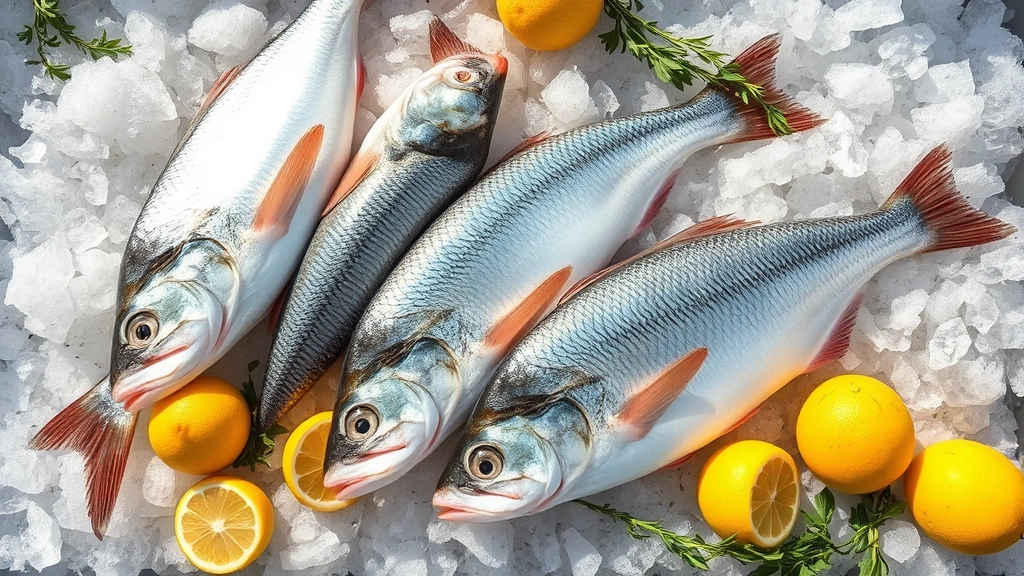
Da Adolfo operates without a street address or phone number—you arrive by boat (water taxi from Positano’s main beach) or via a steep coastal path, adding to its mystique. This no-frills establishment serves whatever the fishing boats brought in that morning, prepared with the directness of a seaside family meal. Expect grilled fish—sea bream, sea bass, grouper—cooked whole over wood fires, flesh delicate and smoky. The pasta here features fresh seafood: linguine with local white fish, bottarga, and parsley creates a dish of such simplicity that any deviation would diminish it. The wine selection skews toward local whites—Fiano, Greco di Tufo, Furore—that cut through richness and cleanse the palate between bites. Dining here feels like an adventure, a reward for those willing to seek out authentic rather than convenient.
Il Pirata combines the casual atmosphere of a beachside shack with surprisingly sophisticated seafood preparations. Their signature dish—a seafood pasta combining whatever arrived fresh that morning—changes daily, keeping regular visitors perpetually intrigued. One day it might feature tiny octopus and wild herbs; another might showcase langoustines and saffron. This flexibility requires kitchen staff with deep knowledge of ingredients and technique, and Il Pirata’s team demonstrates both. Their raw seafood preparations deserve particular attention: a carpaccio of local swordfish, sliced translucent and dressed with citrus and herbs, showcases the delicate sweetness that only the freshest fish provides. The restaurant’s beachfront location means catching sunset during aperitivo, the sky transforming through shades of amber and rose as you sip local wine and nibble on complementary seafood snacks.
O Guarracino maintains a reputation among locals for uncompromising seafood quality and preparation. Their brodetto (the traditional Adriatic fish stew) contains at least seven varieties of local fish, each contributing distinct flavor and texture to a broth that tastes like the sea distilled into liquid form. Diners who order this dish receive a lesson in regional cooking: the careful layering of flavors, the balance of acidity and richness, the way aromatics enhance without dominating. Their grilled octopus—tentacles charred until crispy outside, tender inside—requires nothing more than lemon and olive oil, the restraint allowing the briny, slightly sweet character of the octopus to dominate. The kitchen here understands that great seafood doesn’t need disguising; it needs respecting.
Casual & Authentic Trattorias: Where Locals Eat
Beyond the starred establishments and beachfront showpieces, Positano harbors charming trattorias where locals gather for honest food and genuine hospitality. These restaurants often occupy second-story spaces accessible via narrow staircases, their dining rooms small and intimate, menus handwritten and seasonal.
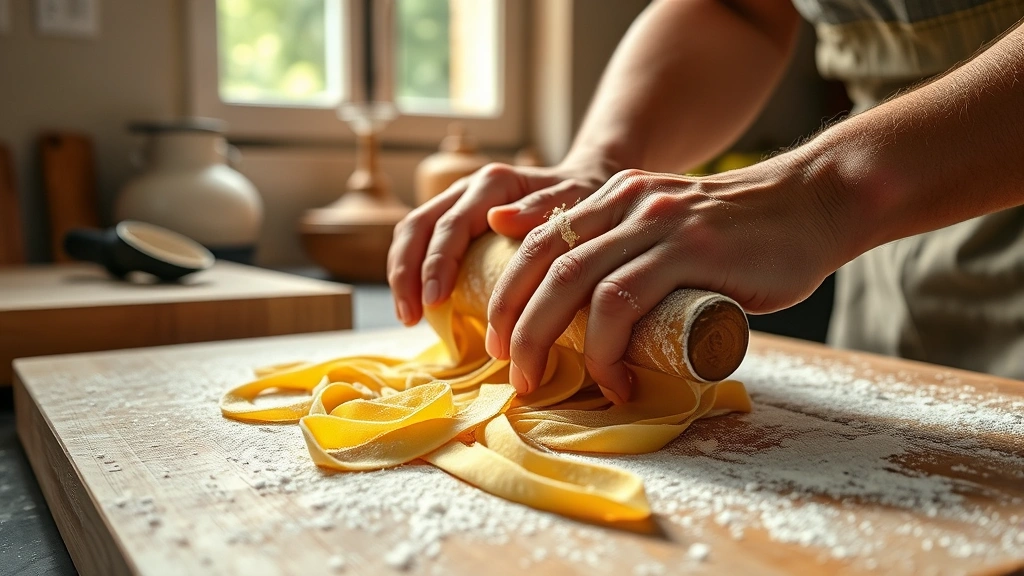
Trattoria da Vincenzo serves the kind of food that keeps regulars returning for decades. The pasta here is made fresh daily, and the sauces follow classical Campanian preparations: aglio e olio (garlic and oil), cacio e pepe (cheese and pepper), pomodoro (tomato). What elevates these simple dishes is execution: the pasta reaches perfect al dente texture, the sauces cling properly, and proportions feel balanced rather than heavy. Their house specialty—pasta with fresh sardines and wild fennel—captures the essence of coastal Italian cooking, the anise-like fennel playing beautifully against the sardines’ briny intensity. The wine list features local selections at reasonable prices, and the staff moves with the unhurried grace of people who understand that meals deserve time.
La Gavitella balances casual atmosphere with refined cooking, creating a sweet spot for those seeking authenticity without sacrificing quality. Their handmade cavatelli (small pasta shells) with rabbit ragù represents hours of kitchen labor: the rabbit braised slowly with tomatoes, olives, and herbs until meat becomes so tender it dissolves on the tongue. The pasta’s texture—slightly rough, created by hand-rolling—captures sauce perfectly. Their seafood risotto, made with fish stock and the day’s catch, demonstrates how risotto should taste: creamy yet with each grain of rice maintaining integrity, the seafood adding sweetness and brininess that plays against the rice’s subtle earthiness.
Saraceno d’Oro occupies a narrow space with a handful of tables, each meal feeling like a private dining experience. The owner-chef prepares everything visible to diners, creating a connection between kitchen and table that’s increasingly rare. Their fresh pasta with sea urchin, prepared tableside when you order, showcases the ingredient’s delicate sweetness, the pasta’s silkiness providing contrast. The grilled fish—whatever the market offered that morning—arrives whole, cooked simply, presented with grilled lemons and local olive oil. This restaurant rewards flexibility: those who ask what’s best rather than consulting a menu discover dishes they couldn’t have imagined.
Hidden Gems & Local Favorites
Positano’s best-kept culinary secrets often hide in plain sight, accessible to those willing to venture beyond beachfront establishments into the village’s vertical depths.
Ristorante Brunella sits removed from main thoroughfares, its terrace overlooking the village and sea. The kitchen here focuses on seasonal cooking, menus changing based on what local farmers and fishermen provide. Summer brings tomato-based dishes celebrating the season’s sweetness; autumn introduces game preparations and mushroom risottos. Their homemade pasta with local vegetables—zucchini, eggplant, tomatoes—demonstrates how vegetable-forward cooking can achieve remarkable depth. The kitchen balances flavors carefully: a pasta with zucchini and mint might include anchovy paste (not visible but present), adding umami depth that makes diners unable to identify the secret ingredient. This is sophisticated cooking disguised as simple food.
Da Gerardo operates more like someone’s home than a restaurant, with the proprietor greeting guests personally and the kitchen cooking what feels right rather than following a preset menu. Their pasta e fagioli (pasta and bean soup) sounds humble until you taste it: the beans cooked until creamy, pasta added at the perfect moment, finished with a generous pour of excellent olive oil and a grind of black pepper. Simplicity this profound requires technique, timing, and ingredients of exceptional quality. Their seafood preparations follow similar philosophy: fish grilled simply, vegetables roasted until caramelized, everything treated with respect.
Il Ritrovo occupies a hilltop position requiring a climb through Positano’s streets, but locals make the pilgrimage regularly. The kitchen here specializes in traditional Campanian cuisine, with particular attention to pasta preparations. Their pasta with Positano lemons—yes, the village grows its own distinctive variety—creates a dish that tastes like concentrated Mediterranean sunshine. The acidity of the lemon brightens the dish without overwhelming it, and the kitchen’s restraint (no cream, just pasta water and butter) allows the lemon to remain the star. Their seafood preparations lean toward simplicity: grilled fish, roasted vegetables, nothing between diner and ingredient quality.
Dining Tips & Practical Guidance for Positano Restaurants
Reservations & Timing
Positano’s restaurants range from walk-in casual to strictly reservation-required, and understanding which is which prevents disappointment. Fine dining establishments like La Sponda require reservations weeks in advance during peak season (May-September and December). Mid-range restaurants benefit from advance reservations but sometimes accommodate walk-ins. True trattorias often operate first-come, first-served, though calling ahead ensures a table. Peak dining hours (8-10 PM) see the longest waits; dining earlier (7-7:30 PM) or later (10:30 PM) provides easier access.
Seasonal Considerations
Positano’s food scene follows Mediterranean rhythms. Spring brings fresh vegetables and lighter fish preparations; summer celebrates tomatoes, basil, and abundant seafood; autumn introduces game and mushroom preparations; winter features heartier preparations and preserved ingredients. Visiting during shoulder seasons (April-May, September-October) offers ideal conditions: fewer crowds, perfect weather, and ingredients at their peak. Summer tourism drives up prices and crowds; winter sees some restaurant closures.
Budget Planning
Fine dining establishments (La Sponda, Chez Black) cost €80-150+ per person without wine. Mid-range restaurants run €40-70 per person. Casual trattorias average €25-45 per person. Wine markups at fine dining can be substantial; ordering house wine or local selections rather than prestigious labels provides better value. Many restaurants offer fixed-price menus (menu degustazione) that provide better value than à la carte ordering.
Dietary Considerations
Positano’s restaurants accommodate vegetarian requests readily, though seafood dominates menus. Gluten-free pasta availability varies; calling ahead ensures options. Vegan dining proves more challenging, though creative chefs can prepare vegetable-focused meals with advance notice. Shellfish allergies require clear communication, as many dishes contain traces.
Getting There & Transportation
Positano’s location on steep cliffs means parking challenges and walking distances. Many restaurants arrange water taxi service or shuttle transportation; asking when booking helps plan logistics. Comfortable walking shoes are essential, as reaching even main-street restaurants often requires climbing stairs.
Wine Pairing Strategy
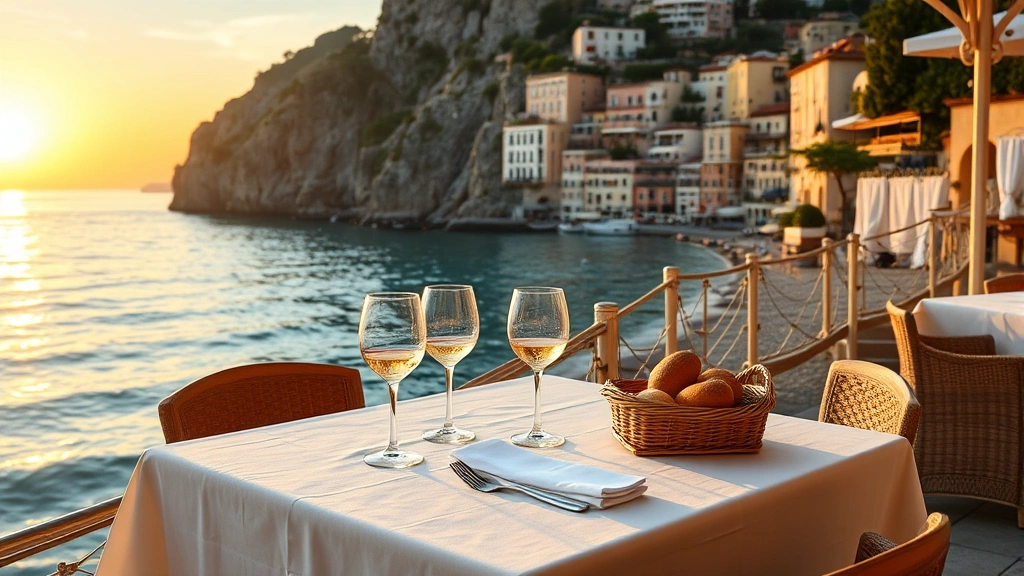
Campania’s volcanic wines pair beautifully with seafood-heavy menus. White wines dominate: Fiano, Greco di Tufo, and Furore offer excellent acidity and minerality. Local reds like Aglianico work with heartier preparations. Rather than ordering by reputation, ask sommeliers for recommendations based on your meal’s specific dishes. Many restaurants offer wine-by-the-glass options, allowing exploration without commitment.
Menu Navigation
Italian restaurant menus follow specific structure: antipasti (appetizers), primi (first courses—pasta, risotto), secondi (second courses—fish or meat), contorni (vegetable sides), formaggi (cheeses), dolci (desserts). Ordering a primo and secondo is traditional; lighter appetites might choose antipasto and primo. Asking servers for recommendations prevents ordering redundantly (two seafood courses, for example) and helps navigate daily specials.
FAQ
What’s the best time to visit Positano restaurants?
May through September offers peak season with all restaurants open and ingredients at their freshest, though expect crowds and higher prices. April-May and September-October provide ideal conditions: pleasant weather, fewer tourists, and seasonal ingredients at their peak. December brings holiday atmosphere and winter specialties. January-February sees fewer restaurants open and can feel quiet.
Do I need to speak Italian to dine in Positano?
English is widely spoken in restaurants catering to tourists, but learning basic Italian phrases enhances the experience. Staff at fine dining establishments speak English fluently. At family-run trattorias, a smile and willingness to attempt Italian go far. Many menus include English translations, though some traditional establishments use Italian only. Asking servers to describe dishes in English is always acceptable.
How much should I expect to spend on dinner?
Budget €25-45 for casual trattorias, €40-70 for mid-range establishments, and €80-150+ for fine dining. Wine adds significantly; expect €30-60 for house wine or €50-200+ for premium selections. Fixed-price menus (menu degustazione) often provide better value than à la carte ordering. Lunch typically costs 20-30% less than dinner at the same restaurant.
Are there vegetarian options in Positano’s restaurants?
Yes, though Positano leans heavily toward seafood. Most restaurants accommodate vegetarian requests with creative pasta dishes, vegetable risottos, and grilled vegetable preparations. Vegan dining requires advance notice. Desserts often feature fruit, providing vegan-friendly options. Calling ahead ensures the kitchen can prepare appropriate meals.
Which restaurants are best for romantic dinners?
La Sponda offers unmatched ambiance with sunset views and fine dining refinement. Chez Black provides beachfront romance with sophisticated food. Brunella’s terrace offers village and sea views in a quieter setting. For intimate dining, small trattorias like Saraceno d’Oro or Da Gerardo create personal atmospheres. Booking sunset seating maximizes romantic potential.
Do I need reservations, or can I walk in?
Fine dining establishments require advance reservations (weeks ahead in peak season). Mid-range restaurants benefit from reservations but sometimes accommodate walk-ins. Casual trattorias often operate first-come, first-served but accept reservations. Calling ahead, even for casual restaurants, increases your chances of securing tables, particularly during peak hours (8-10 PM).
What local specialties should I try?
Seafood dominates Positano’s cuisine: fresh fish grilled simply, pasta with seafood, brodetto (fish stew). Positano lemons feature in many dishes. Handmade pasta with seasonal vegetables showcases local produce. Seafood raw preparations (crudo, carpaccio) highlight ingredient quality. Desserts often feature limoncello or other local specialties. Ask servers for house specialties and daily specials to discover unique preparations.
How do I find the best hidden gem restaurants?
Venture beyond beachfront areas into Positano’s vertical streets, where locals gather. Ask hotel staff or restaurant servers for recommendations—locals know where to eat. Look for restaurants without English menus or multilingual signage, as these often serve primarily local clientele. Restaurants requiring reservations weeks in advance often indicate quality. Exploring side streets during off-hours reveals establishments tourists miss.
Final Thoughts
Positano’s restaurant scene reflects the village’s unique position: perched between Mediterranean tradition and contemporary refinement, where fresh ingredients and skilled technique converge. Whether you’re learning traditional sauce preparation, exploring newly opened establishments, or discovering family-friendly options, Positano delivers dining experiences that transcend typical vacation meals. The restaurants here understand that location alone doesn’t create memorable meals—respect for ingredients, mastery of technique, and genuine hospitality do. Your Positano dining experience will likely become one of those meals you reference for years: a specific flavor, a particular sunset, a conversation over wine with someone you love. That’s the real magic of eating in this remarkable village.
For deeper insights into Italian culinary traditions, explore resources like the Italian Culinary Institute or check Michelin Guide ratings for current restaurant standings. The International Association of Culinary Professionals maintains comprehensive restaurant databases, while Gambero Rosso offers Italian perspective on regional dining. Consider visiting Italian Chef Association resources for chef profiles and culinary trends shaping coastal Italian cuisine.


