Top Beaufort NC Eats: Local Foodie Insights
Beaufort, North Carolina, sits as a charming coastal gem where culinary traditions meet fresh maritime bounty. This historic waterfront town, nestled in Carteret County, has quietly cultivated a dining scene that rivals much larger metropolitan areas. From casual seafood shacks to refined farm-to-table establishments, Beaufort NC restaurants offer an extraordinary palette of flavors that capture the essence of Eastern North Carolina’s gastronomic identity. Whether you’re a seasoned food adventurer or casual visitor seeking authentic coastal cuisine, this guide unveils the establishments that locals genuinely cherish.
The restaurant landscape in Beaufort reflects a deep connection to the Atlantic Ocean and regional agricultural heritage. Chefs here understand that exceptional cuisine begins with ingredient integrity—sourcing wild-caught shrimp, locally harvested clams, and seasonal vegetables from nearby farms. This commitment to freshness and sustainability creates dining experiences that taste distinctly of place, where every bite tells a story of the land and waters surrounding this picturesque town.
Signature Seafood Destinations
Beaufort’s most celebrated restaurants showcase pristine seafood prepared with reverence for traditional coastal cooking methods. These establishments have earned their reputations through decades of consistency, quality sourcing, and culinary expertise that transforms simple ingredients into memorable meals.
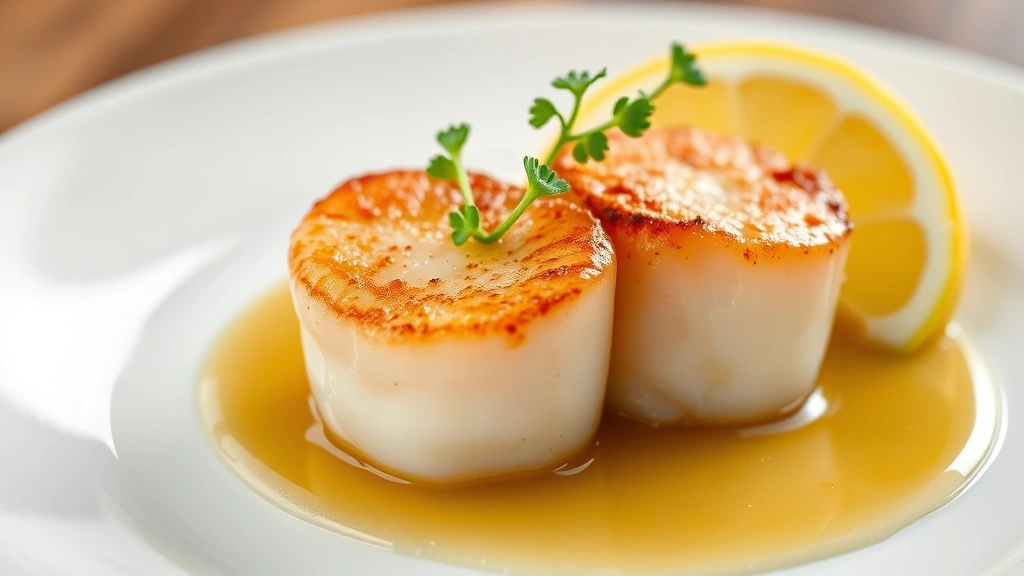
The region’s top seafood purveyors understand the nuanced flavors of locally caught species. Sweet bay scallops arrive at kitchen doors still glistening with ocean essence, their delicate sweetness requiring minimal intervention—perhaps just a kiss of butter and fresh lemon. Wild-caught flounder, a signature catch of North Carolina’s waters, arrives flaky and tender, its subtle minerality enhanced by preparation methods honoring the fish’s natural character. These restaurants maintain relationships with local fishing families, ensuring they receive the finest specimens available.
Preparation techniques emphasize the ingredient rather than masking it. Steaming, pan-searing, and light poaching remain preferred methods, allowing the seafood’s inherent flavors to dominate. Sauces tend toward the refined—delicate beurre blanc, bright citrus reductions, or herbaceous infusions that complement rather than overwhelm. The philosophy here rejects heavy cream-based dishes in favor of approaches that let pristine seafood speak for itself.
Many of Beaufort’s premier seafood restaurants feature raw bars showcasing oysters and clams at their peak freshness. The briny minerality of freshly shucked oysters, served on ice with mignonette and cocktail sauce, represents the purest expression of the Atlantic. These establishments often feature knowledgeable staff who can explain the specific flavor profiles of different oyster varieties, from creamy to crisp, briny to buttery.
Casual Waterfront Gems
Beyond fine dining, Beaufort’s casual waterfront establishments deliver authentic coastal dining experiences without pretension. These venues, often family-owned operations spanning generations, understand that exceptional food doesn’t require white tablecloths or formal service protocols.
The casual dining aesthetic here embraces weathered wood, nautical decor, and picture windows framing the Beaufort Inlet. Diners sit mere feet from the water, watching sailboats drift past while enjoying steaming bowls of she-crab soup—a Lowcountry classic featuring sweet crab roe that adds luxurious richness to the broth. The experience becomes multisensory: the salty-fresh ocean air mingles with aromas of sautéed aromatics and fresh crab, while the gentle sound of water lapping against docks creates an ambiance no decorator could artificially manufacture.
Hushpuppies, those beloved fried cornmeal spheres, emerge from kitchen fryers golden and crispy, their interiors remaining tender and slightly sweet. Served as accompaniments to main courses or standalone appetizers, they represent comfort food elevated through technique and ingredient quality. Fresh corn, ground to order, creates superior texture compared to pre-made mixes. These casual spots understand that even simple fried foods deserve respect and precision.
Fish and chips here showcase why this simple combination endures as a global favorite. Fresh local flounder or grouper, dipped in light, crispy batter and fried to golden perfection, pairs with hand-cut fries that achieve ideal textural balance—crispy exteriors yielding to fluffy, potato-forward interiors. The dish arrives with tartar sauce made fresh in-house, where tangy pickled relish, creamy mayo, and subtle caper flavors create complexity that commercial versions cannot match.
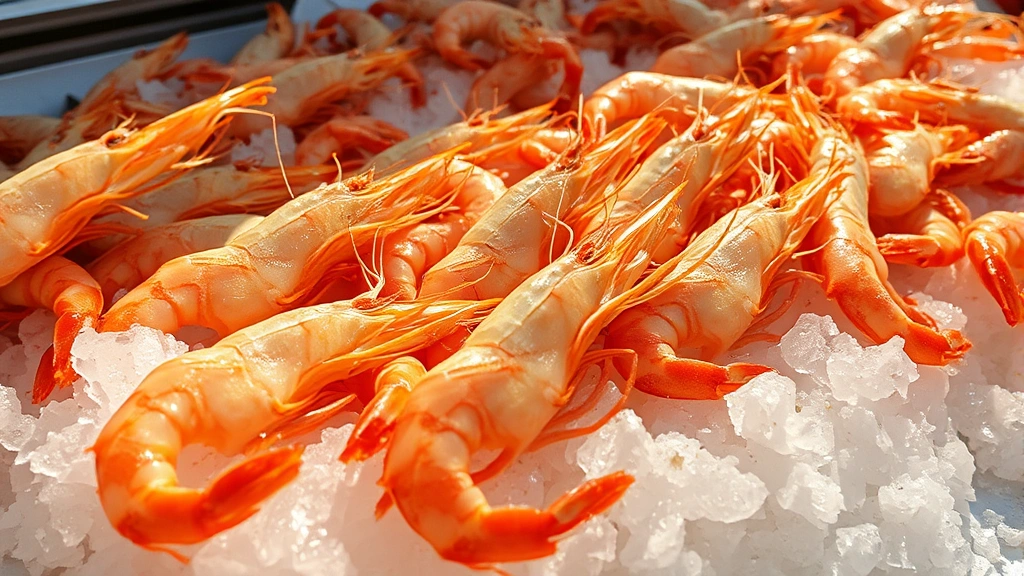
Shrimp preparations vary across casual venues, from traditional boiled shrimp seasoned with Old Bay spice to pan-seared preparations featuring garlic, butter, and white wine. The key distinction separates restaurants prioritizing freshness from those accepting previously frozen inventory. Fresh local shrimp possesses a subtle sweetness and firm texture that frozen specimens cannot replicate, a difference immediately apparent to discerning palates.
Farm-to-Table Excellence
Beaufort’s farm-to-table movement represents a natural evolution of coastal dining, where chefs partner directly with local farmers and producers to source ingredients at peak ripeness. This approach requires constant menu evolution, as seasonal availability dictates offerings rather than customer preference or supply chain convenience.
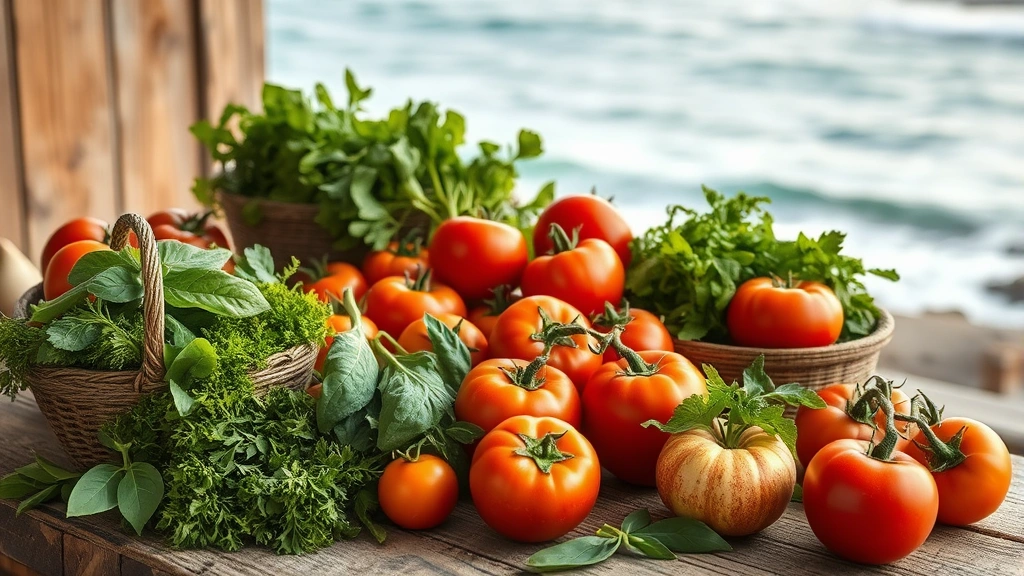
These restaurants celebrate the agricultural abundance surrounding Eastern North Carolina, featuring vegetables and fruits from farms within fifty miles of the kitchen. Spring brings tender asparagus, fresh peas, and delicate lettuces that taste entirely different from supermarket specimens—crisp, vibrant, and bursting with vegetable essence. Summer delivers heirloom tomatoes in varieties ranging from deep purple to golden yellow, each offering distinct flavor profiles from bright and acidic to rich and umami-forward. Fall brings root vegetables and squashes that provide earthiness and substantial satisfaction as daylight diminishes.
These farm partnerships extend beyond produce to include pasture-raised meats, locally produced cheeses, and artisanal breads baked fresh daily. A typical farm-to-table menu might feature pan-seared duck breast accompanied by seasonal vegetables and finished with a sauce created from stock made from the duck carcass, ensuring nothing goes to waste. The approach reflects both environmental consciousness and culinary philosophy emphasizing ingredient integrity.
Chefs working within farm-to-table frameworks develop relationships with producers, understanding their growing practices, harvest timing, and available varieties. This collaboration allows menus reflecting true seasonal eating rather than artificial year-round uniformity. A vegetable that appears in May might not reappear until the following year, creating dining experiences that feel special and temporary.
The practice also encourages culinary creativity, as chefs must develop recipes around what’s available rather than sourcing ingredients to match predetermined menus. This constraint paradoxically produces more innovative cuisine, as limitations force exploration of unfamiliar preparations and flavor combinations. When a farmer delivers forty pounds of kohlrabi, the kitchen develops multiple preparations showcasing this underutilized vegetable’s versatility.
International Flavors in Beaufort
While Beaufort’s culinary identity centers on coastal seafood, the town increasingly welcomes international cuisines that add complexity and diversity to its dining landscape. These establishments demonstrate that authentic global flavors thrive when chefs maintain commitment to quality sourcing and proper technique.
Asian cuisine, particularly Japanese and Thai preparations, has found enthusiastic audiences in Beaufort. Little Tokyo Restaurant concepts bring meticulous attention to technique, whether preparing fresh sushi, ramen, or tempura. The delicate balance of flavors in proper Thai cuisine—balancing spicy, sour, sweet, and salty elements—requires understanding of ingredient applications that casual cooks cannot achieve. A well-executed pad thai should feature the perfect textural contrast between tender noodles, crispy vegetables, and crunchy peanuts, with sauce clinging to each element rather than pooling at the bottom.
Mediterranean influences appear throughout Beaufort’s dining scene, with restaurants emphasizing olive oil quality, fresh herbs, and preparation methods honoring centuries of culinary tradition. Good Italian restaurants in the region showcase how properly made pasta transforms into transcendent dishes when paired with quality sauces and fresh ingredients. Homemade pasta carries different textural properties than dried varieties, its tender bite and slight springiness creating superior mouthfeel.
Mexican cuisine in Beaufort emphasizes regional authenticity rather than Americanized adaptations. Street taco vendors and casual eateries prepare fresh tortillas, authentic moles, and ceviches that reflect true Mexican culinary traditions. The difference between mass-produced tortillas and fresh-made varieties becomes immediately apparent—the latter featuring superior texture, corn flavor, and the ability to hold fillings without falling apart.
For those seeking broader international perspectives, best restaurants in London and restaurants in Scottsdale offer comparative context for understanding how coastal towns worldwide approach culinary diversity. Additionally, vegan restaurants near me searches reveal that plant-forward dining increasingly influences menus across all restaurant categories, with creative chefs developing vegetable-focused dishes rivaling meat-based preparations in satisfaction and complexity.
Hidden Local Favorites
Beyond establishments with strong reputations, Beaufort harbors hidden gems known primarily to locals—places where consistency, quality, and genuine hospitality outweigh marketing or prominence. These venues often feature limited seating, irregular hours, or locations slightly off main thoroughfares, which paradoxically contributes to their charm and authentic character.
Small family-owned bakeries open early mornings, producing fresh breads, pastries, and baked goods using traditional methods. The aroma of baking bread—that complex combination of yeast fermentation, caramelizing flour, and developing crust—announces these establishments before you see them. Croissants, when properly laminated and baked, should shatter delicately between teeth, releasing layers of buttery, flaky pastry. Pain au chocolat should feature chocolate bars positioned to melt perfectly as you bite through warm, crispy exterior into tender interior.
Lunch counters and sandwich shops demonstrate how humble preparations achieve excellence through ingredient quality and technique. A proper po’boy sandwich requires fresh bread with ideal crust-to-crumb ratio, fresh shrimp or oysters fried to golden perfection mere minutes before assembly, and house-made remoulade providing piquant complexity. When executed with care, this casual sandwich becomes memorable dining.
Barbecue establishments represent another category of hidden treasures, where slow-smoking meat for hours creates tenderness and flavor impossible to achieve through other methods. The Maillard reaction—chemical browning occurring at high temperatures—creates the distinctive bark on smoked meats, while slow cooking allows smoke penetration and collagen conversion to gelatin, producing the desirable texture. Regional barbecue styles vary considerably, from vinegar-based sauces of Eastern North Carolina to mustard-based preparations and tomato-forward styles found elsewhere.
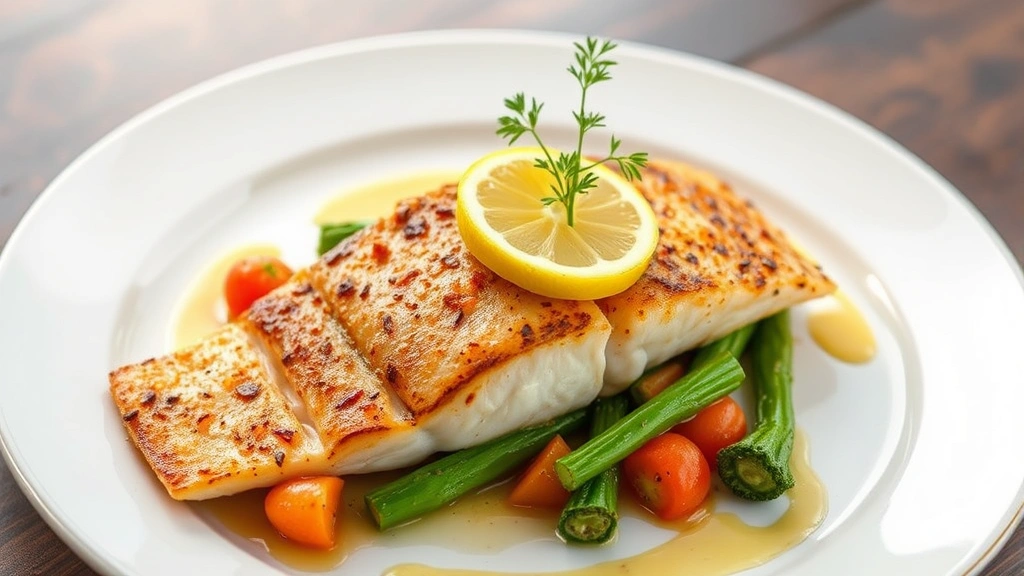
Seafood markets functioning as casual eateries allow diners to select from the day’s catch, which kitchen staff prepare simply and freshly. This model emphasizes ingredient quality over culinary technique, as the freshest seafood requires minimal intervention. Grilled fish fillets finished with lemon and butter allow the seafood’s inherent character to dominate, resulting in meals that taste purely of the ocean.
FAQ
What makes Beaufort NC restaurants unique compared to other coastal towns?
Beaufort’s dining scene reflects deep historical roots and genuine commitment to ingredient quality over trend-chasing. The town’s isolation from major metropolitan areas has allowed authentic local culinary traditions to develop without homogenizing influences. Restaurants prioritize relationships with local fishermen and farmers, ensuring access to ingredients unavailable through conventional supply chains. This commitment to place and tradition creates dining experiences that feel distinctly Beaufortian.
When is the best season to visit Beaufort for optimal dining experiences?
Spring and fall offer ideal conditions for coastal dining. Spring brings fresh seafood after winter scarcity and tender vegetables signaling seasonal renewal. Fall features peak seafood harvests, mature vegetables with concentrated flavors, and comfortable temperatures for waterfront dining. Summer brings tourists and seasonal menu variations, while winter offers quieter experiences with hearty, warming preparations.
Are reservations necessary for Beaufort restaurants?
Fine dining establishments and popular farm-to-table restaurants require reservations, particularly during peak seasons. Casual waterfront venues and lunch spots typically operate on first-come, first-served bases. Calling ahead remains advisable for popular venues, as limited seating and seasonal staffing can create wait times. Many establishments maintain social media accounts with current wait information and reservation availability.
What dietary accommodations do Beaufort restaurants typically offer?
Most establishments accommodate common dietary restrictions and allergies, though communication remains essential. Farm-to-table restaurants naturally excel with vegetarian requests, as their menus already emphasize seasonal produce. Casual seafood restaurants may struggle with non-seafood preferences, though most offer chicken or beef preparations. Advanced notice allows kitchens to prepare thoughtfully rather than offering generic accommodations.
How do Beaufort’s restaurants compare to dining in larger coastal cities?
Beaufort’s strength lies in authenticity and ingredient quality rather than culinary innovation or elaborate presentations. The town lacks the molecular gastronomy and avant-garde techniques found in major metropolitan fine dining, but compensates through genuine connection to local foodways and uncompromising ingredient sourcing. Many diners find this approach more satisfying than trend-driven cuisine, as meals taste distinctly of place rather than reflecting global culinary fashion.