Top Restaurants in CPH: Local Foodie’s Picks
Copenhagen has emerged as one of Europe’s most exciting culinary destinations, earning its reputation as a gastronomic capital through innovative Nordic cuisine, meticulous ingredient sourcing, and chef-driven establishments that challenge traditional boundaries. From the cobblestone streets of Nyhavn to the trendy neighborhoods of Vesterbro and Nørrebro, the Danish capital offers an extraordinary tapestry of dining experiences that cater to every palate and preference. Whether you’re seeking Michelin-starred fine dining or casual neighborhood gems serving contemporary Scandinavian fare, Copenhagen delivers sensory experiences that linger long after your meal concludes.
As a devoted food enthusiast who has spent considerable time exploring Copenhagen’s restaurant scene, I’ve curated a comprehensive guide to the establishments that truly define the city’s culinary excellence. These restaurants represent not merely places to eat, but destinations where culinary artistry meets Danish hospitality, where locally-foraged ingredients transform into transcendent dishes, and where every visit becomes a memorable gastronomic journey. The restaurants featured here showcase the diversity of Copenhagen’s food culture—from avant-garde tasting menus to rustic smørrebrød (open-faced sandwiches) that celebrate simplicity and quality.
Noma: The Nordic Culinary Institution
Noma stands as Copenhagen’s most internationally acclaimed restaurant, a three-Michelin-starred establishment that fundamentally redefined Nordic cuisine and influenced global culinary trends. Chef René Redzepi’s vision of hyperlocal, seasonal cooking has transformed how the world perceives Scandinavian ingredients and techniques. The restaurant’s philosophy centers on an intimate relationship with the Nordic landscape—forests, coastlines, and farmland—translating seasonal transformations into multi-course tasting menus that evolve throughout the year.
The dining experience at Noma transcends conventional fine dining. Upon arrival, guests enter a minimalist space where natural materials—raw wood, concrete, and living plants—create an environment that feels like an extension of nature itself. The kitchen operates with theatrical precision, with dishes arriving in carefully choreographed sequences that build narrative arcs across the evening. Each course demonstrates extraordinary technical mastery combined with conceptual depth. A single course might feature fermented ingredients developed over months, foraged elements gathered that morning, and preparation methods refined through countless iterations.
The flavor profiles at Noma challenge and educate simultaneously. You’ll encounter umami-rich broths crafted from unexpected sources, vegetables prepared with techniques that amplify their inherent sweetness, and proteins treated with reverence that honors their origin. The sommelier team curates wine pairings that range from natural wines to Nordic beverages, creating harmonious marriages between liquid and food. Reservations require advance planning through their online system, with tables typically booking months ahead. The investment in a Noma experience represents one of Copenhagen’s most transformative culinary moments—a restaurant that validates every accolade it has received.
Geranium: Elevated Simplicity
Perched on the top floor of the SMK (Statens Museum for Kunst), Geranium commands both physical and culinary heights with its three-Michelin-starred restaurant helmed by chef Rasmus Kofoed. Where Noma emphasizes conceptual complexity and dramatic presentation, Geranium pursues a philosophy of refined minimalism—allowing ingredient quality and precise technique to speak with eloquent restraint. The restaurant’s design mirrors this philosophy, with floor-to-ceiling windows offering panoramic views of Copenhagen’s parks and architecture, creating a dining environment that feels simultaneously intimate and expansive.
Kofoed’s cuisine represents a mature expression of Nordic cooking principles. His tasting menu showcases an artist’s restraint, with dishes that appear deceptively simple until the first bite reveals extraordinary depth. A perfectly cooked piece of fish arrives with a single sauce and garnish, yet the interplay of flavors suggests months of recipe development. Vegetables receive treatments that enhance rather than mask their fundamental character. The progression through courses demonstrates sophisticated understanding of palate pacing, with textural contrasts and flavor intensities carefully calibrated to maintain engagement throughout the meal.
The service at Geranium exemplifies Danish hospitality—warm, knowledgeable, and unobtrusive. Staff members possess intimate familiarity with each dish’s ingredients and techniques, sharing insights that deepen appreciation without overwhelming diners with unnecessary information. The wine program features carefully selected bottles that complement the cuisine’s delicate profiles. For those seeking elevated dining experiences that emphasize refinement over ostentation, Geranium represents an essential Copenhagen destination that rivals any restaurant globally.
Alchemist: Modern Nordic Innovation
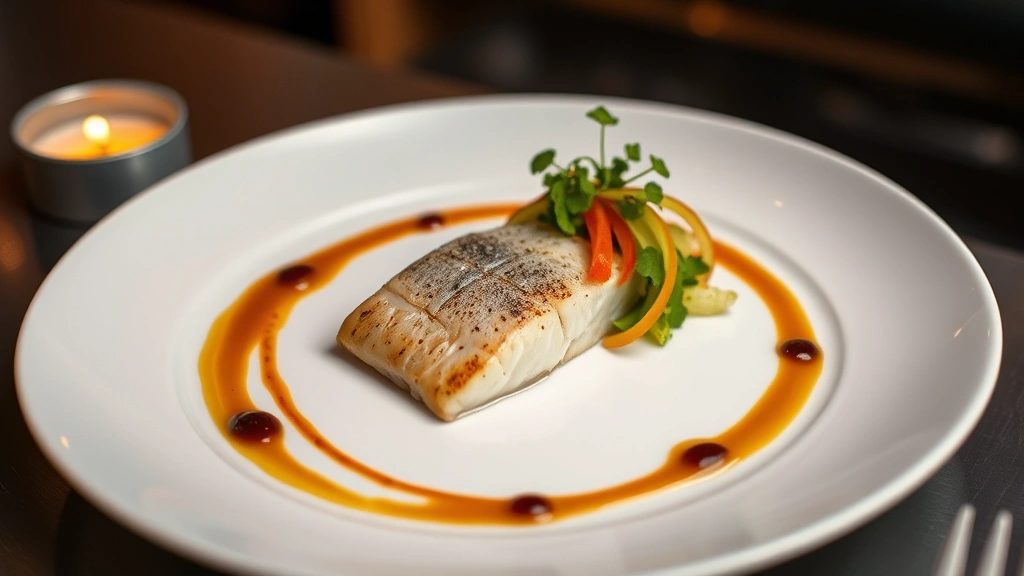
Alchemist, Copenhagen’s newest three-Michelin-starred establishment, represents the cutting edge of Nordic culinary innovation under the direction of chef Rasmus Munk. Located in the Carlsberg district, this restaurant embraces technology, science, and theatrical presentation in ways that distinguish it from Copenhagen’s more traditionally-minded fine dining establishments. The dining room itself becomes an extension of the kitchen’s experimental philosophy, with open kitchen design allowing diners to witness the choreography of service and preparation.
Munk’s approach to cuisine incorporates modern gastronomy techniques—foams, gels, and unexpected textural combinations—while remaining grounded in Nordic ingredient principles. Courses arrive as complete artistic statements, with plating that borders on sculptural. A single dish might incorporate twenty components, each contributing specific flavor notes or textural elements to create complex flavor symphonies. The menu changes seasonally but maintains consistent themes of innovation, surprise, and sensory engagement. Diners should approach Alchemist with openness to unconventional presentations; a course might arrive as a conceptual interpretation of a landscape rather than traditional plated food.
The theatrical elements of dining at Alchemist enhance rather than distract from the culinary experience. Dishes might arrive with dramatic presentations, unexpected flavor combinations that challenge preconceptions, or interactive elements that engage diners in the creation process. The wine program embraces natural wines and unconventional pairings that mirror the cuisine’s innovative spirit. For adventurous diners seeking restaurants that push boundaries while maintaining technical excellence, Alchemist delivers an unforgettable Copenhagen experience that represents where Nordic cuisine continues evolving.
Casual Excellence: Neighborhood Favorites
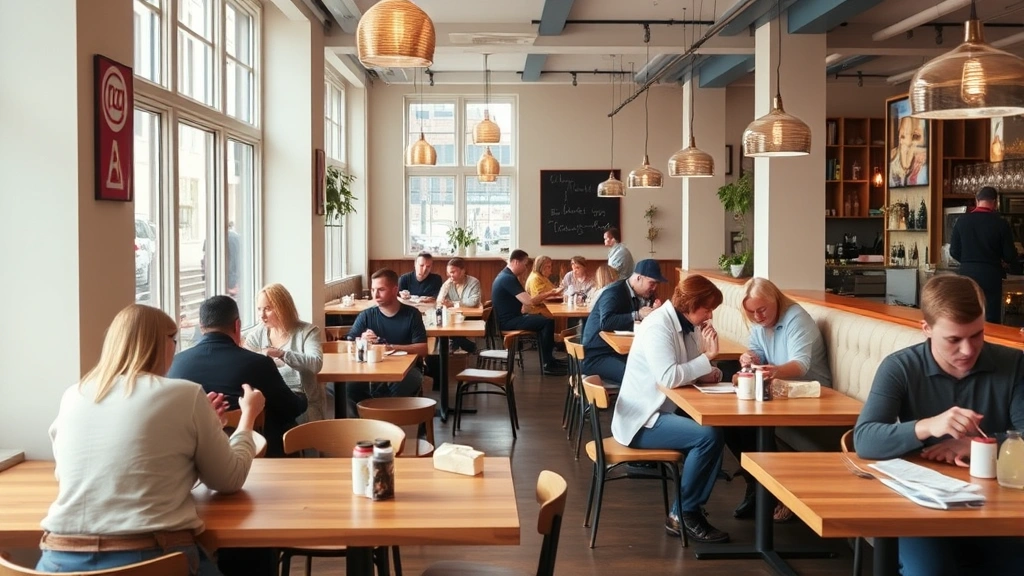
Copenhagen’s culinary excellence extends far beyond Michelin-starred establishments. The city’s neighborhood restaurants deliver exceptional dining without formality, where casual atmospheres coexist with serious culinary intentions. These establishments represent where many locals actually eat, discovering extraordinary flavors in relaxed settings that prioritize quality ingredients and skilled preparation over elaborate presentations.
Manfreds & Vin in Nørrebro exemplifies this casual-yet-serious approach. The restaurant features an open kitchen where diners watch chefs work with meticulous precision while enjoying natural wines and dishes that celebrate seasonal produce. The menu changes frequently based on ingredient availability, ensuring constant discovery for repeat visitors. Dishes emphasize technique and ingredient quality—a simple preparation of seasonal vegetables becomes transcendent through careful sourcing and precise cooking. The wine selection focuses on natural and biodynamic producers, creating unexpected flavor pairings that enhance the food.
Relæ, also in Nørrebro, operates as a neighborhood restaurant with international acclaim. Chef Christian F. Puglisi creates a daily-changing menu based on available ingredients, resulting in dining experiences that feel spontaneous yet meticulously executed. The minimalist dining room features communal seating that encourages conversation and connection among diners. Dishes showcase vegetables with reverence typically reserved for proteins, reflecting the restaurant’s commitment to sustainability and plant-forward cuisine. The experience feels less like fine dining and more like dining in a talented chef’s home—intimate, welcoming, and delicious.
Höst in Nørrebro represents another exceptional neighborhood gem where Scandinavian ingredients receive contemporary interpretations. The restaurant’s design celebrates Nordic aesthetics through natural materials and minimalist decoration. The menu balances familiar comfort with culinary innovation, offering dishes that feel both accessible and sophisticated. Seafood receives particular attention, with preparations that honor the ingredient while introducing unexpected flavor combinations.
These casual dining establishments often offer better value than their Michelin-starred counterparts while delivering equally memorable culinary moments. Reservations remain essential, as Copenhagen’s reputation draws diners from throughout Europe.
Traditional Smørrebrød Culture
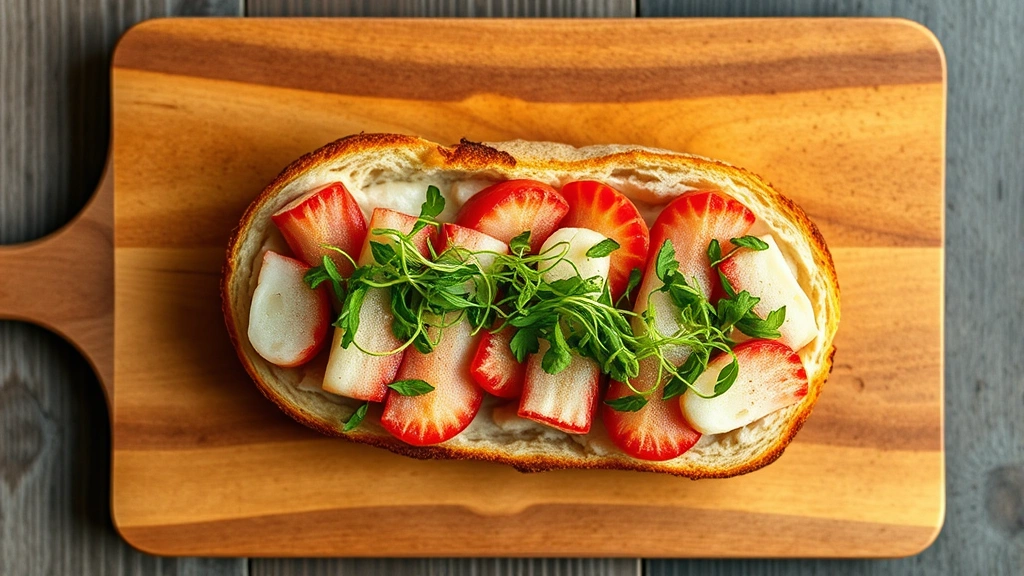
Understanding Copenhagen’s food culture requires appreciation for smørrebrød—the Danish open-faced sandwich tradition that represents centuries of culinary heritage. These aren’t casual sandwiches but carefully composed dishes where bread serves as foundation for artistic arrangements of proteins, vegetables, and condiments. The best smørrebrød restaurants elevate this tradition through exceptional ingredient sourcing and meticulous preparation.
Aamanns Etablissement represents the modern interpretation of smørrebrød culture. Located in a restored warehouse space, the restaurant celebrates this traditional form while introducing contemporary sensibilities. Each sandwich features combinations developed through thoughtful consideration of flavor, texture, and visual appeal. The herring preparations showcase different curing and preparation techniques, while meat-based sandwiches feature cold cuts from small Danish producers. The menu includes both traditional combinations honoring smørrebrød heritage and creative interpretations introducing unexpected flavor marriages. The dining experience captures Copenhagen’s culinary duality—respect for tradition combined with openness to innovation.
Nørrebro Smørrebrøds Forretning operates as a casual neighborhood spot where locals and tourists alike queue for exceptional sandwiches. The quality of ingredients—from the bread to the preserved fish to the fresh vegetables—demonstrates that smørrebrød need not be expensive to be extraordinary. These sandwiches represent everyday Copenhagen food culture, where quality ingredients and skilled preparation transform simple components into complete meals.
Exploring smørrebrød traditions provides insight into Danish food values—appreciation for preserved ingredients, respect for seasonal produce, and understanding that simplicity, when executed with care, achieves excellence. Like exploring authentic culinary traditions in other destinations, smørrebrød culture reveals Copenhagen’s gastronomic soul.
Emerging Culinary Voices
Beyond established institutions, Copenhagen’s restaurant scene continues welcoming emerging chefs and concepts that challenge conventions and expand culinary possibilities. These newer establishments often operate with less formal structures, greater experimental freedom, and direct connections to ingredient producers that allow for rapid menu evolution based on seasonal availability.
Barr represents the new generation of Copenhagen restaurants where casual atmosphere, exceptional food, and innovative thinking coexist. The restaurant embraces Scandinavian seafood traditions while introducing global influences and modern techniques. The menu emphasizes raw preparations—crudo, ceviche, and raw fish dishes—alongside cooked preparations that highlight Nordic ingredients. The wine program features natural wines selected for their ability to complement seafood-focused cuisine. The casual dining room encourages lingering and conversation, creating a social dining experience rather than formal ceremony.
Pony Pho and similar emerging concepts demonstrate Copenhagen’s openness to global cuisines prepared with Scandinavian precision. These restaurants represent cultural fusion where international culinary traditions receive interpretation through Nordic ingredient sensibilities and technical excellence. The result creates unique dining experiences unavailable elsewhere, where Vietnamese pho achieves new dimensions through Danish ingredient sourcing.
Following Copenhagen’s culinary evolution through emerging restaurants provides excitement and discovery. Many of these establishments operate without reservations or with walk-in availability, offering spontaneous dining opportunities less accessible at established fine dining venues. The energy and creativity present in these newer concepts often surpass more established restaurants, reflecting young chefs’ hunger to prove themselves and challenge existing paradigms.
FAQ
What is the best time to visit Copenhagen restaurants?
Copenhagen’s restaurant scene thrives year-round, though seasonal menus mean dining experiences shift dramatically throughout the year. Spring (April-May) and fall (September-October) offer optimal balances of pleasant weather and ingredient availability. Summer brings peak tourism and higher prices, while winter offers fewer tourists and exceptional root vegetables, game, and preserved ingredients. Many restaurants close for vacation during July and August, so plan accordingly.
How far in advance should I book reservations?
Michelin-starred restaurants like Noma, Geranium, and Alchemist require reservations three to six months ahead, with some tables booking a year in advance. Casual neighborhood restaurants typically accept reservations two to four weeks ahead. Popular restaurants may have wait-lists or cancellation-based availability. Booking platforms like TheFork (with restaurant week promotions) sometimes offer better availability at established venues.
What should I expect to pay at Copenhagen restaurants?
Budget varies dramatically by establishment type. Smørrebrød and casual restaurants range from 150-400 DKK ($20-55 USD) per person. Contemporary casual restaurants cost 400-700 DKK ($55-95 USD). Michelin-starred fine dining ranges from 1,200-2,500 DKK ($160-335 USD) for tasting menus. Wine pairings add 400-1,000 DKK ($55-135 USD) depending on restaurant and selections. Copenhagen’s dining costs exceed many European cities but remain reasonable compared to comparable restaurants in London, Paris, or New York.
Are there dietary accommodations available?
Most restaurants accommodate dietary restrictions with advance notice. Fine dining establishments prepare dedicated menus for vegetarian, vegan, or allergy-restricted diners. Like exploring vegan dining options in other cities, Copenhagen increasingly offers plant-forward restaurants and dedicated vegan menus. Communicate dietary needs when booking to ensure proper preparation.
What neighborhoods should I explore for dining?
Nørrebro hosts the highest concentration of excellent casual and contemporary restaurants, from Michelin-starred establishments to neighborhood gems. Vesterbro offers similar diversity with slightly fewer tourists. Nyhavn provides tourist-focused restaurants with varying quality—choose carefully. Amager hosts emerging concepts and casual spots. The city center contains mixed options ranging from tourist traps to excellent restaurants. Most exceptional dining requires traveling beyond immediate downtown areas.
How do I navigate Copenhagen’s restaurant reservations system?
Many restaurants use online booking systems accessible through their websites. TheFork (TheForkApp.com) aggregates reservations across multiple restaurants, sometimes offering discounts. Calling restaurants directly often yields better availability than online systems. Google Maps and TripAdvisor provide current information on reservation requirements and wait times. Email inquiries typically receive responses within 24 hours from smaller establishments.
What drinks should I try in Copenhagen?
Danish craft beer has experienced remarkable growth, with breweries like Mikkeller and To Øl gaining international recognition. The restaurant scene embraces natural wines, with many establishments featuring wine lists emphasizing biodynamic and organic producers. Aquavit (caraway-flavored spirits) represents traditional Danish drinking culture, though it’s less prominent in fine dining contexts. Coffee culture is exceptional, with specialty roasters throughout the city.