Top Montreal Eateries: A Local Foodie’s Guide to the Best Restaurants
Montreal’s culinary landscape is a vibrant tapestry woven from French heritage, multicultural influences, and innovative gastronomic vision. This historic city, nestled along the St. Lawrence River, has emerged as one of North America’s most exciting food destinations, where centuries-old techniques blend seamlessly with cutting-edge molecular gastronomy. From the cobblestone streets of Vieux-Montréal to the trendy neighborhoods of Mile End and Griffintown, every corner reveals another opportunity to experience exceptional flavors that have earned Montreal recognition from international food critics and culinary institutions alike.
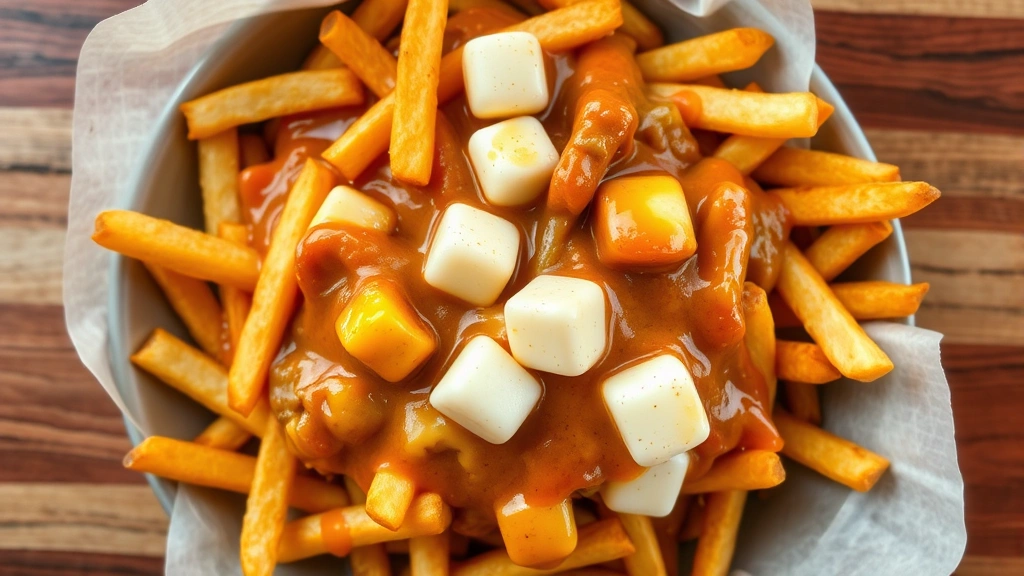
Whether you’re seeking an intimate dinner at a Michelin-starred establishment, casual poutine from a legendary hole-in-the-wall, or innovative plant-based cuisine, Montreal delivers unforgettable gastronomic experiences. The city’s restaurant scene reflects its identity as a bilingual, bicultural metropolis where tradition meets experimentation. Foodies descend upon Montreal year-round to explore neighborhoods bursting with character, hunt for hidden gems, and indulge in dishes that showcase local ingredients and global inspirations. This comprehensive guide will navigate you through Montreal’s most exceptional dining destinations, helping you discover the restaurants that define the city’s evolving food culture.
Fine Dining Excellence: Montreal’s Michelin-Starred Establishments
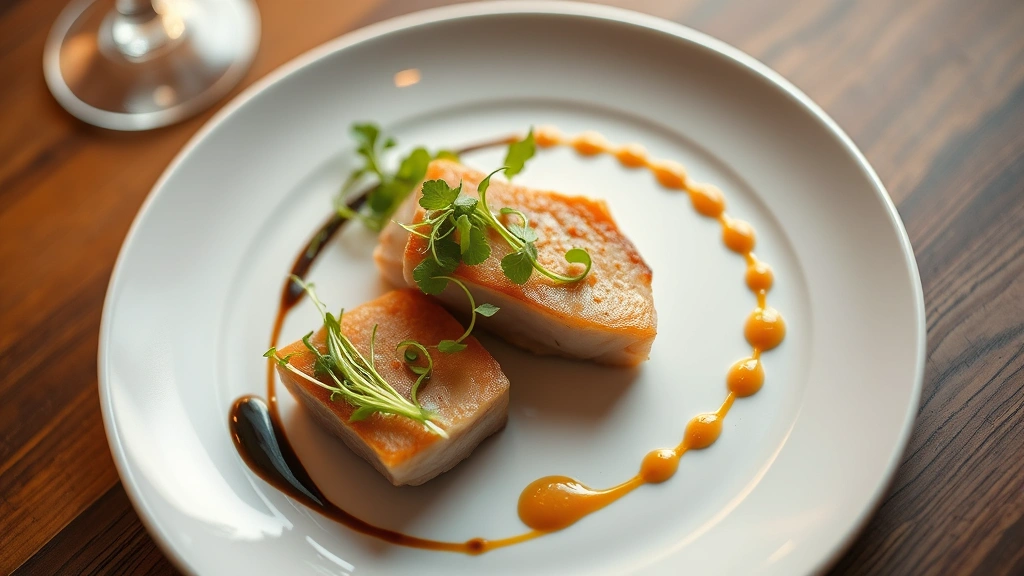
Montreal’s fine dining scene represents the pinnacle of culinary artistry, where executive chefs orchestrate symphony-like tasting menus that engage all the senses. The city boasts several Michelin-recognized restaurants where every element—from the finest imported ingredients to the choreography of service—reflects meticulous attention to detail. These establishments command respect not through pretension, but through genuine commitment to craft and flavor innovation.
At the apex of Montreal’s gastronomic hierarchy, you’ll find restaurants where chefs leverage their extensive training—often earned at prestigious culinary institutes across Europe and North America—to create dining experiences that transcend mere sustenance. These venues typically feature tasting menus ranging from 8 to 15 courses, each plate a carefully composed narrative exploring flavor, texture, temperature, and presentation. The sommelier selections complement each course with precision, introducing wine pairings that elevate the tasting experience into something approaching art.
The philosophy underlying Montreal’s best fine dining establishments emphasizes seasonality and provenance. Chefs maintain relationships with local farmers, foragers, and artisanal producers, ensuring that each ingredient—whether it’s a delicate microgreen or a perfectly aged piece of seafood—meets exacting standards. This commitment to local sourcing creates menus that evolve quarterly, keeping the dining experience perpetually fresh for return visitors. The result is cuisine that honors Montreal’s agricultural heritage while pushing boundaries through technique and creativity.
When seeking fine dining in Montreal, expect to invest time and resources; these restaurants typically require reservations weeks in advance and command prices reflecting their caliber. However, the experience justifies the commitment. You’ll encounter dishes that challenge preconceptions, palates that awaken to new flavor combinations, and service that anticipates needs before they’re expressed. These establishments often feature intimate settings with limited seating, creating an exclusive atmosphere where the focus remains entirely on the food and your personal sensory journey.
French Bistro Classics: Celebrating Culinary Tradition
French bistro culture forms the backbone of Montreal’s dining identity, reflecting the city’s deep historical and cultural connections to France. These establishments eschew the formality of haute cuisine in favor of warmth, authenticity, and straightforward excellence. A proper Montreal French bistro delivers soul-satisfying food in an atmosphere that feels like stepping into a Parisian side street, complete with worn wooden tables, flickering candlelight, and the gentle murmur of French conversation.
The bistro menu typically features classics that have endured for generations: coq au vin braised until the meat surrenders from bone with gentle pressure, beef bourguignon with wine-darkened sauce clinging to tender chunks of chuck, duck confit where the skin crisps to shattering perfection while the meat remains succulent and tender. These dishes exemplify bistro philosophy—using humble ingredients transformed through time, technique, and respect into something magnificent. A proper bistro chef understands that mastery lies not in complexity but in understanding the essence of each ingredient and allowing it to shine.
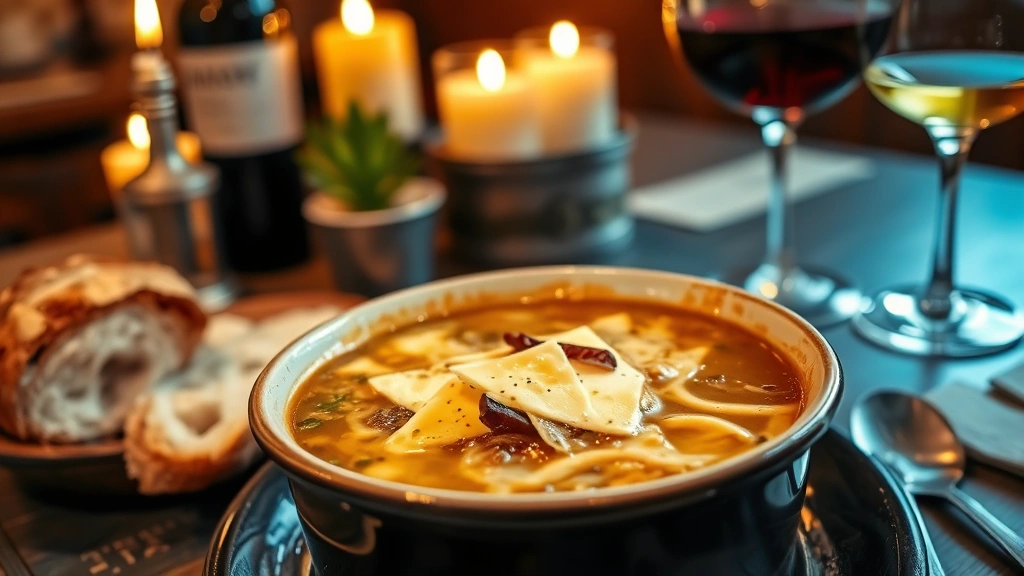
Soups hold particular importance in Montreal’s bistro culture. French onion soup arrives in a crock, the broth rich with caramelized sweetness, topped with a bread round and melted Gruyère that forms golden strings when you lift your spoon. Bouillabaisse, that Provençal seafood stew, appears with the ceremony it deserves, accompanied by rouille and crusty bread for stirring into the saffron-kissed broth. These preparations demand patience during cooking—hours of gentle simmering, careful layering of flavors—but reward that investment with complexity and depth that cannot be rushed.
The beverage program at Montreal’s best bistros focuses on accessible French wines, particularly selections from regions like Burgundy, Loire Valley, and Alsace. Sommeliers at these establishments possess genuine passion for helping you navigate wine selection without pretension. A glass of Sancerre with seafood, a rustic Côtes du Rhône with game, or a Riesling with choucroute garnie—these pairings elevate bistro food without overwhelming it.
Many Montreal bistros maintain long-standing relationships with specific wine importers, ensuring that their by-the-glass selections showcase excellent value and authentic character. This philosophy extends to other beverages; expect thoughtful aperitif options like Kir (white wine with blackcurrant liqueur) and properly executed classic cocktails.
Innovative & Contemporary: Montreal’s Culinary Vanguard
Beyond tradition, Montreal’s restaurant scene includes establishments where chefs deliberately deconstruct, reimagine, and revolutionize classical cooking. These innovative venues attract attention from international chef associations and food critics seeking to document culinary evolution. Here, you’ll encounter cuisine that challenges, surprises, and occasionally provokes thought about what food can be.
Contemporary Montreal restaurants often employ techniques rooted in modernist cuisine—sous-vide precision cooking, spherification, foams, and gel preparations—but increasingly, the most interesting establishments use these tools thoughtfully rather than theatrically. The best chefs understand that technique serves flavor, not the reverse. You might encounter a dish where a familiar ingredient appears in unexpected form: a broth transformed into a crystalline gelée, a vegetable presented as a powder that dissolves on the tongue, a protein cooked to a precise temperature that maximizes tenderness while preserving nutritional value.
Montreal’s innovative restaurants frequently engage with global cuisines, creating fusion dishes that feel authentic rather than gimmicky. A chef trained in French technique might apply those skills to Japanese ingredients, or approach Korean flavors through the lens of contemporary plating. This cross-cultural dialogue reflects Montreal’s identity as a truly multicultural city where culinary traditions intersect and influence one another.
Many contemporary establishments in Montreal emphasize vegetarian and plant-forward dining, recognizing that vegetable-focused cuisine need not feel restrictive. These restaurants showcase vegetables with the same reverence traditionally reserved for proteins, exploring their flavor potential through various cooking methods, fermentation, and creative preparation techniques.
Casual Neighborhood Gems: Where Locals Eat
The most authentic Montreal dining experiences often occur in casual neighborhood spots where chefs cook for their communities rather than for critical acclaim. These establishments—whether a Vietnamese pho shop in the Plateau, a Portuguese grilled chicken restaurant in Little Portugal, or a Jewish deli that’s been family-operated for three generations—represent the soul of Montreal’s food culture.
Casual Montreal eateries frequently offer exceptional value, delivering sophisticated flavors and quality ingredients at prices that seem almost impossible in today’s restaurant climate. A bowl of pho arrives steaming, the broth having simmered for 24 hours or more, infused with charred ginger, star anise, cinnamon, and bone marrow that contributes silky richness. Fresh herbs and vegetables arrive as garnish—Thai basil, cilantro, jalapeños, bean sprouts—allowing you to customize each spoonful. These establishments prioritize ingredient quality and technique over ambiance, yet often possess a charm that upscale venues cannot manufacture.
Montreal’s casual dining scene includes exceptional bagel shops where wood-fired ovens produce bagels that are boiled before baking, creating a characteristic dense crumb and subtle sweetness. These are not the dense, dough-heavy bagels found elsewhere; Montreal bagels are smaller, sweeter, and denser than their New York cousins, with a subtle honey sweetness and subtle sesame or poppy seed coating.
For those seeking dog friendly restaurants, Montreal’s casual scene excels, with many neighborhood spots featuring patios where your canine companion is welcomed. Similarly, the city offers abundant restaurants with patios, where seasonal dining becomes an art form, and numerous gluten free restaurants accommodating various dietary preferences without compromising flavor.
Specialty Dining Experiences: Themed & Unique Venues
Beyond traditional categorization, Montreal’s restaurant landscape includes specialty establishments offering distinctive dining concepts. These venues often become destinations in themselves, where the entire experience—décor, service style, and culinary approach—creates immersive environments.
Steakhouse culture thrives in Montreal, with several establishments specializing in premium beef preparations. These restaurants typically feature dry-aging programs where beef hangs in temperature and humidity-controlled chambers for 30-45 days, developing concentrated beef flavor and tender texture through enzymatic breakdown. The steaks arrive simply prepared—often just salt, pepper, and butter—allowing the meat’s quality to dominate.
Seafood-focused restaurants deserve particular attention in a city with river access and proximity to Atlantic fishing grounds. The best seafood restaurants feature daily fish deliveries and menus that shift with availability. You might find pristine oysters from various regions, each with distinct mineral profiles reflecting their origin water. A raw oyster from Malpeque Bay possesses different characteristics than one from the Gulf of St. Lawrence—briny intensity versus subtle sweetness, firm texture versus creamy, metallic notes versus fruity undertones.
Montreal’s dessert culture merits exploration beyond casual pastry shops. Several restaurants feature dedicated pastry chefs creating elaborate tasting menus of small sweets—perhaps eight to ten different preparations showcasing chocolate, fruit, and other flavors. If you enjoy sweet applications, explore our collection of simple chocolate dessert recipes and no bake dessert recipes for inspiration. Many Montreal restaurants incorporate similar techniques and flavor combinations in their professional preparations.
Neighborhood Dining Guides: Where to Eat by Area
Vieux-Montréal (Old Montreal): The historic district offers romantic dining in centuries-old buildings, with restaurants ranging from casual to fine dining. Cobblestone streets and gaslit ambiance create an atmosphere unlike anywhere else in the city. This area attracts tourists and locals alike, so reservations are essential, particularly on weekends.
The Plateau: This bohemian neighborhood pulses with creative energy, featuring independent restaurants, craft breweries, and casual eateries. The Plateau represents Montreal’s artistic heart, and its dining scene reflects that ethos—creative, unpretentious, and constantly evolving. Many establishments here feature vegetarian and vegan options prominently.
Downtown: The central business district offers everything from quick lunch options to sophisticated fine dining, with many restaurants catering to professionals. This area includes several upscale establishments with wine programs and tasting menus.
Mile End: This trendy neighborhood blends vintage charm with contemporary dining, featuring coffee culture, brunch spots, and innovative restaurants. Mile End attracts younger diners seeking Instagram-worthy presentations without sacrificing flavor.
Griffintown: This revitalized neighborhood has emerged as a destination for serious foodies, with several acclaimed restaurants opening in converted warehouses and industrial buildings. The neighborhood’s dining scene tends toward innovative cuisine and craft beverages.
Little Italy: Authentic Italian cuisine dominates this neighborhood, with family-operated restaurants serving multi-course dinners, handmade pasta, and traditional preparations. Many establishments feature outdoor patios perfect for warm-weather dining.
Little Portugal: Portuguese grilled chicken, pastéis de nata, and other Iberian specialties define this neighborhood’s casual dining scene. This area offers excellent value and authentic flavors from Portuguese immigrant communities.
FAQ
What is the best time to visit Montreal restaurants?
Spring through fall offers optimal timing, with pleasant weather and seasonal ingredients at peak quality. Summer brings outdoor patio culture and festivals. However, Montreal’s restaurant scene thrives year-round, and winter dining can be equally rewarding, particularly for hearty bistro fare and wine-focused experiences.
Do Montreal restaurants require reservations?
Fine dining and popular bistros absolutely require advance reservations, often booked weeks ahead. Casual neighborhood spots typically accommodate walk-ins, though arriving during off-peak hours (before 6 PM or after 9 PM) improves your chances of immediate seating.
What are Montreal’s signature dishes I must try?
Montreal-style bagels, poutine, smoked meat, tourtière (meat pie), and French onion soup represent essential local dishes. Additionally, explore seafood preparations reflecting the city’s riverside location, and sample French bistro classics that define Montreal’s culinary identity.
Are there dining options for specific dietary requirements?
Montreal excels at accommodating various dietary preferences. Numerous gluten free restaurants and vegetarian restaurants operate throughout the city, and most establishments willingly accommodate allergies and preferences with advance notice.
What should I expect regarding price ranges?
Montreal offers dining at all price points. Casual neighborhood spots serve excellent meals for $12-18 CAD per person. Mid-range bistros average $30-50 CAD per person. Fine dining tasting menus range from $80-200+ CAD per person before beverages.
How important is French language ability for dining in Montreal?
While French dominates in many neighborhoods, English is widely spoken in restaurants, particularly in downtown and tourist-heavy areas. However, learning basic French dining vocabulary enhances the experience and demonstrates respect for local culture.
Can I find restaurants with outdoor seating?
Absolutely. Montreal features abundant restaurants with patios throughout the city, particularly in neighborhoods like the Plateau, Little Italy, and Vieux-Montréal. Patio season typically runs May through September, though some establishments maintain heated patios extending the season.
Are dog friendly restaurants available in Montreal?
Yes, many Montreal restaurants welcome dogs on their outdoor patios during warm months. Always confirm pet policies in advance, as specific restrictions vary by location.