Hidden Gems: Best Hole in the Wall Restaurants Where Authenticity Meets Unforgettable Flavor
There’s something magical about discovering a hole in the wall restaurant—that unassuming storefront with peeling paint, mismatched chairs, and a hand-scrawled menu that somehow serves the most extraordinary food you’ve ever tasted. These culinary sanctuaries, often overlooked by mainstream food guides, represent the beating heart of authentic cuisine. They’re where passionate cooks pour their souls into every dish, where recipes passed down through generations come alive on humble plates, and where the true essence of regional flavors flourishes without pretension or corporate compromise.
The beauty of hole in the wall establishments lies in their unwavering commitment to quality over presentation. While polished fine dining restaurants spend fortunes on ambiance and plating aesthetics, these neighborhood treasures invest everything into sourcing exceptional ingredients and perfecting time-honored cooking techniques. When you step into one of these establishments, you’re not paying for atmosphere or Instagram-worthy presentations—you’re investing in an authentic culinary experience that connects you directly to a chef’s heritage, passion, and masterful command of flavor.
Whether you’re seeking bold, complex spice profiles, delicate handmade pasta, smoky barbecue traditions, or vibrant street food elevated to art form, hole in the wall restaurants deliver experiences that rival—and often surpass—their five-star counterparts. Let’s explore the hidden culinary treasures that define authentic dining across the country.
What Makes a True Hole in the Wall Restaurant
A genuine hole in the wall restaurant transcends simple aesthetics. While the term conjures images of cramped spaces, worn furniture, and minimal décor, the true definition encompasses something far more profound: an establishment where culinary integrity supersedes commercial polish. These restaurants typically feature limited seating—often just 20 to 40 covers—which allows the kitchen to maintain meticulous control over every plate that leaves the pass.
The authenticity factor proves paramount. Most hole in the wall restaurants are family-owned operations, frequently operated by immigrant communities who’ve transplanted their culinary traditions to new soil. The owner often works the line, the front counter, or both, ensuring that every customer receives the same attention and care they’d give to a family member at their own dinner table. This personal investment creates an irreplaceable quality that chain restaurants, regardless of budget or training protocols, simply cannot replicate.
From a sensory perspective, these venues assault your palate in the most delightful ways. The moment you enter, aromatic compounds—whether it’s the deep, charred smokiness of slow-cooked meats, the pungent fermentation of pickled vegetables, the heady fragrance of blooming spices, or the yeasty warmth of fresh bread—immediately transport you into the culinary narrative the chef wants to tell. The flavors tend toward bold, unapologetic intensity rather than delicate subtlety. Spices aren’t whispered; they’re proclaimed. Textures contrast dramatically—crispy against creamy, tender against chewy, hot against cold.
When exploring unique restaurants near me, prioritize establishments that display these hallmarks: owner-operated, limited menu, handmade components, and an unwavering commitment to traditional preparation methods over modern shortcuts.
Regional Champions and Signature Dishes
America’s hole in the wall restaurants reflect the diverse immigrant heritage and regional traditions that shape our culinary landscape. Each region boasts establishments that have become legendary among food enthusiasts who’ve discovered their secrets.
Mexican Taquerías and Fondas: Authentic Mexican hole in the wall restaurants represent some of the most flavor-intense dining experiences available. These establishments typically specialize in specific regional Mexican cuisines—Oaxacan, Yucatecan, Michoacán, or northern styles—rather than the Americanized “Mexican food” found in mainstream restaurants. The difference becomes immediately apparent when you taste hand-pressed corn tortillas filled with carnitas so tender they dissolve on your tongue, or mole negro that’s been simmering for hours, developing layers of complexity from chocolate, chilies, spices, and sometimes thirty or more ingredients. The salsa served at the table isn’t bottled; it’s made fresh daily, with tomatoes, cilantro, onion, and serrano chiles that deliver brightness and heat in perfect balance.
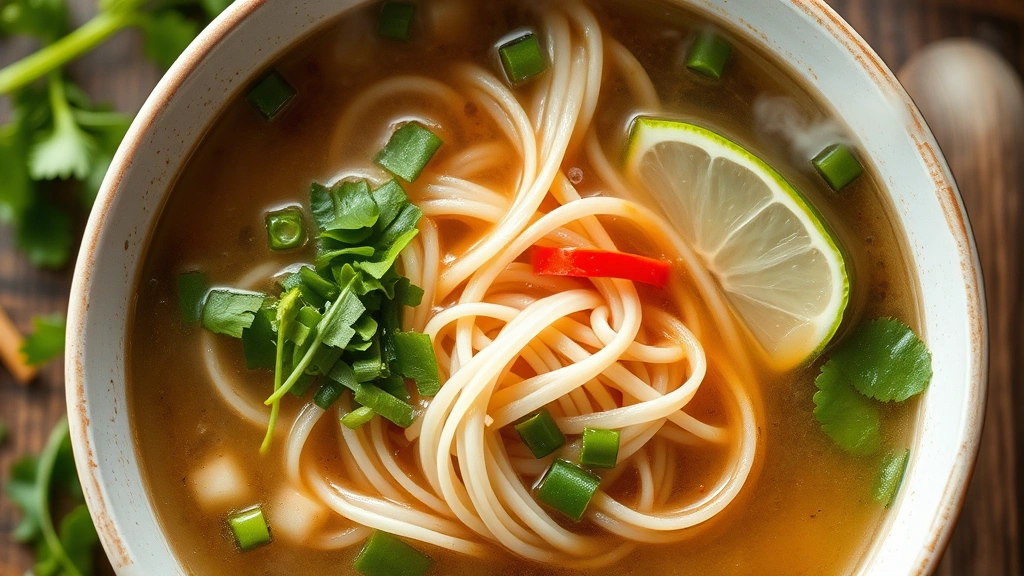
Vietnamese Pho Houses and Bánh Mì Shops: These establishments exemplify the marriage of French colonial influence with Vietnamese culinary traditions. A proper pho broth requires 12-24 hours of simmering beef bones, charred onions, ginger, and spices like star anise and cinnamon. The result is a clear, deeply savory liquid that coats your palate with umami richness. Fresh rice noodles arrive perfectly al dente, and you customize each bowl with fresh herbs, sprouts, lime, and chili sauce. Bánh mì sandwiches showcase similar complexity—crusty baguettes filled with pickled vegetables, pâté, Vietnamese cold cuts, cilantro, and jalapeños, creating a flavor explosion that balances salty, sour, spicy, and savory in every bite.
Korean Barbecue and Stew Houses: Authentic Korean hole in the wall restaurants transport diners to Seoul’s bustling street food markets. Table-side grilling allows you to cook thin-sliced marinated beef, pork belly, or chicken to your exact preference, then wrap it in lettuce leaves with ssamjang (a spicy fermented paste), garlic, and peppers. The banchan—small side dishes served complimentary—showcase the chef’s skill: kimchi with complex fermented flavors, seasoned spinach, marinated mushrooms, and pickled vegetables that cleanse the palate between bites. Stew houses serve bubbling pots of jjigae (stew) with ingredients like gochujang (red chili paste), tofu, seafood, and vegetables creating a warming, spicy, deeply satisfying experience.
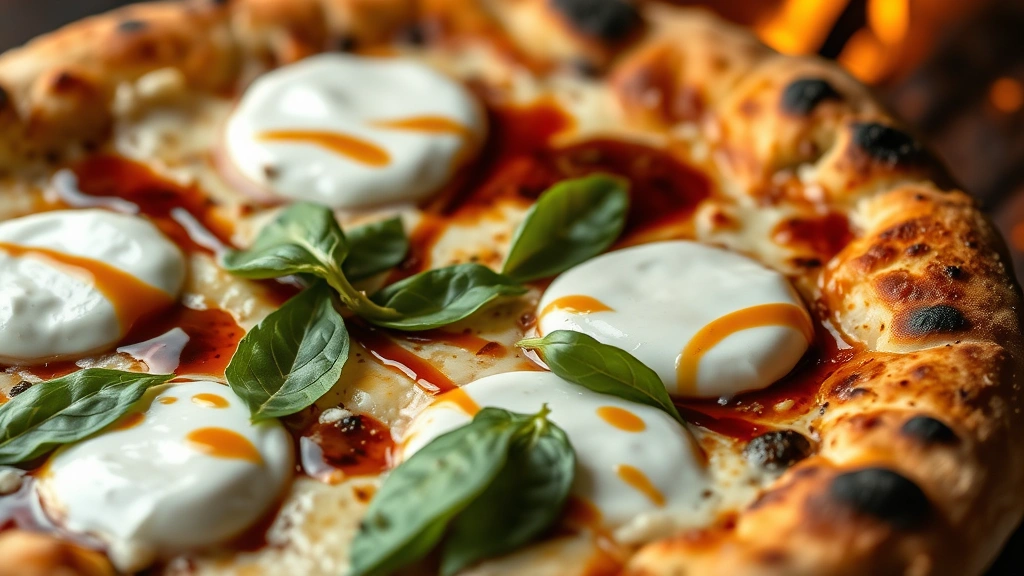
Italian Trattorias: While fine dining Italian restaurants emphasize presentation, authentic hole in the wall trattorias focus on rustic, ingredient-driven cooking. Handmade pasta—whether silky fettuccine, delicate ravioli, or hearty pappardelle—arrives dressed simply with quality olive oil, fresh garlic, tomatoes, or cream. The emphasis remains on letting exceptional ingredients shine: San Marzano tomatoes, buffalo mozzarella, Parmigiano-Reggiano aged properly, and olive oil that tastes of the fruit it came from.
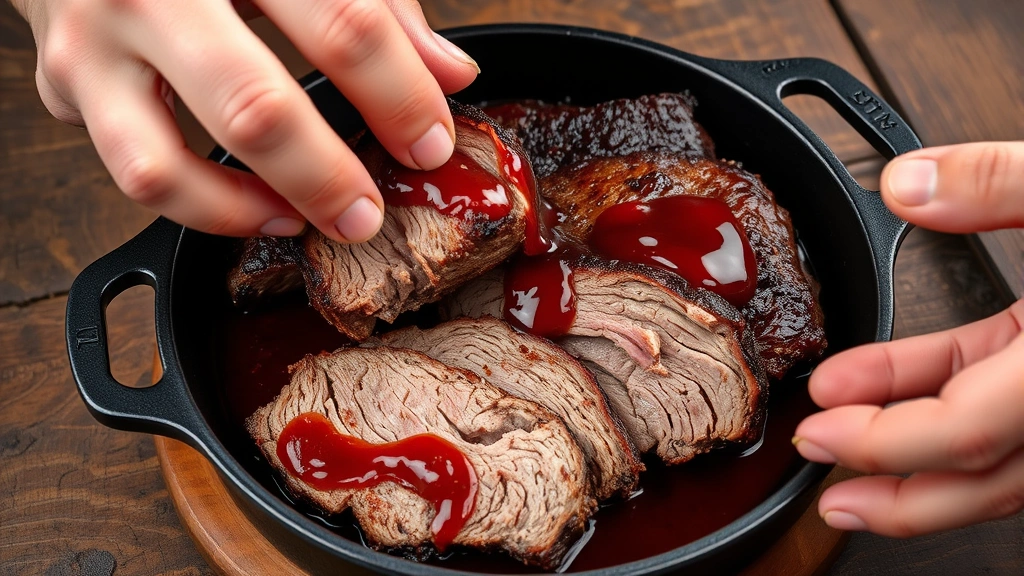
Barbecue Joints: True barbecue holes in the wall follow regional traditions with religious devotion. Texas pit masters smoke brisket for 14-18 hours until the bark—that flavorful, smoky crust—gives way to perfectly rendered fat and tender meat that practically melts. Carolina joints serve pulled pork with vinegar-based sauces that provide bright acidity against the meat’s richness. Kansas City establishments layer meat with thick, molasses-sweet sauce. The smoke flavor—whether from oak, hickory, mesquite, or fruitwood—permeates every fiber, creating an aromatic and taste experience impossible to achieve through other cooking methods.
Exploring best restaurants in Palm Springs and other regional destinations reveals how local hole in the wall establishments adapt to their environments while maintaining authentic traditions.
Indian Dhabas and Curry Houses: These establishments prepare curries that require toasting whole spices, grinding pastes, and slow-cooking proteins and vegetables to develop complex flavor layers. A proper tikka masala involves marinating chicken in yogurt and spices, cooking it in a tandoor, then finishing in a tomato cream sauce. The spice profile—cumin, coriander, turmeric, garam masala, chili, and others—creates a symphony where no single flavor dominates but rather they harmonize to create something greater than the sum of their parts.
How to Find Hidden Gems in Your Area
Discovering authentic hole in the wall restaurants requires different strategies than finding mainstream establishments. These places rarely invest in marketing, relying instead on word-of-mouth recommendations and loyal local clientele.
Explore Ethnic Neighborhoods: Immigrant communities naturally cluster around neighborhoods that support their culinary traditions. Visit areas where specific ethnic populations concentrate—Chinatown, Little Italy, the Korean district, the Vietnamese quarter—and look for restaurants with minimal English signage, packed with local families during meal times, and displaying handwritten menus. These are reliable indicators of authenticity.
Seek Owner-Operated Establishments: When researching locally owned restaurants near me, prioritize family-run operations where the proprietor is visibly present. Speak with the owner; they’ll enthusiastically explain their food’s origins, their cooking methods, and their ingredient sourcing. This passion proves infectious and often translates into superior dining experiences.
Follow Food Critics and Culinary Experts: Resources like Serious Eats, Eater, and regional food publications regularly feature hole in the wall discoveries. These critics specifically seek out authentic, unpretentious establishments and provide detailed reviews explaining what makes each restaurant special.
Consult Culinary Organizations: The International Association of Culinary Professionals and regional chef associations often maintain directories of authentic establishments and can recommend genuine hole in the wall restaurants.
Observe Local Lunch Crowds: During lunch hours, observe which restaurants fill with construction workers, office employees, and families. These establishments thrive because locals recognize their value—authentic food at fair prices served quickly. This demographic proves far more reliable than tourist reviews.
Check Google Maps Reviews Carefully: Rather than counting star ratings, read detailed reviews mentioning specific dishes, preparation methods, and family ownership. Reviews mentioning “been coming here for 20 years” or “my grandmother’s recipes” indicate authentic establishments.
The Cultural and Economic Impact of Hole in the Wall Restaurants
These humble establishments serve functions far beyond providing meals. They represent cultural preservation, economic opportunity, and community anchors that shape neighborhoods’ identities and social fabric.
Cultural Preservation: Hole in the wall restaurants function as living museums of culinary heritage. When immigrant families establish these establishments, they’re not simply opening businesses—they’re creating spaces where their culture remains vibrant and accessible. Children grow up eating their grandmother’s recipes prepared by professional chefs, maintaining connections to ancestral homelands. These restaurants ensure that traditional cooking methods, flavor profiles, and ingredient combinations don’t fade as communities integrate and adapt to new environments.
Economic Empowerment: For immigrant entrepreneurs, hole in the wall restaurants often represent achievable paths to business ownership and economic stability. The low overhead—minimal décor, simple equipment, limited staff—makes these establishments accessible to individuals without substantial capital. Success depends on culinary skill and work ethic rather than access to venture capital, creating genuine opportunity for marginalized communities.
Community Building: These restaurants become neighborhood gathering spaces where regulars develop relationships with owners and each other. Unlike corporate chains where anonymity prevails, hole in the wall establishments foster genuine community. Regular customers receive personalized attention, special dishes prepared specifically for them, and the knowledge that their presence matters to the proprietor. These spaces become extensions of people’s homes.
Culinary Innovation: Paradoxically, while hole in the wall restaurants preserve tradition, they also serve as incubators for innovation. Chefs adapt traditional recipes to available ingredients, respond to customer preferences, and experiment within their cultural framework. Many acclaimed chefs credit hole in the wall establishments as their culinary education—learning techniques, flavor combinations, and work ethic from immigrant cooks who never attended formal culinary school but possessed profound knowledge.
When planning date night restaurants, consider how authentic hole in the wall establishments can provide memorable experiences that support local communities while delivering superior food.
Dining Etiquette at Authentic Hole in the Wall Establishments
Respecting these spaces and their proprietors enhances your experience and demonstrates appreciation for their work.
Embrace Simplicity: Don’t expect extensive menus, fancy plating, or elaborate service. These establishments serve food authentically prepared, and their strength lies in mastering a focused repertoire. Accept that what arrives may not match Instagram aesthetics—it will taste extraordinary.
Arrive with Patience: Hole in the wall restaurants typically operate with small kitchens and limited staff. During peak hours, wait times may extend, but this reflects demand for quality food, not inefficiency. Use waiting time to observe the kitchen’s organized chaos, appreciate the craft, and build anticipation for your meal.
Respect Traditions: Don’t request modifications that contradict the dish’s essential nature. If a restaurant serves pho a specific way, that reflects generations of refinement. Requesting no fish sauce or modifications that fundamentally alter the dish suggests disrespect for their culinary tradition. Most proprietors happily accommodate genuine allergies or preferences, but understand the difference between accommodation and alteration.
Support Authenticity: Order dishes that showcase the restaurant’s specialty rather than safe, familiar options. If you’re at a Vietnamese pho house, order the pho—don’t request pasta. Your choices send messages about what you value, and proprietors adjust their offerings based on customer demand.
Tip Appropriately: Hole in the wall staff work demanding jobs for modest wages. Generous tipping acknowledges their effort and supports their livelihoods. In establishments without table service, tip jars still deserve your contribution.
Return Regularly: These restaurants thrive on loyal customers. Returning regularly, bringing friends, and supporting their business ensures they survive and continue serving their communities. Your loyalty directly impacts whether these spaces remain vibrant cultural institutions or disappear as neighborhoods gentrify.
FAQ
What distinguishes a hole in the wall restaurant from casual dining establishments?
Hole in the wall restaurants prioritize culinary authenticity and quality over ambiance, presentation, and profit margins. They’re typically owner-operated, family-owned, and focus on traditional recipes prepared with exceptional ingredients. Casual dining chains, conversely, standardize operations across multiple locations, prioritize consistency and efficiency, and often employ shortcuts to maximize profitability. The difference becomes apparent in flavor complexity, ingredient quality, and the evident passion proprietors bring to their work.
Are hole in the wall restaurants safe and sanitary?
Legitimate hole in the wall restaurants maintain rigorous health and safety standards. The minimal décor and simple furnishings shouldn’t be confused with poor sanitation. In fact, many hole in the wall establishments operate under intense scrutiny from health inspectors and maintain exemplary records. The casual appearance reflects intentional design choices prioritizing functionality and authenticity rather than aesthetic polish. Research establishments through health department records if sanitation concerns exist.
Why do hole in the wall restaurants offer limited menus?
Limited menus allow proprietors to perfect a focused repertoire, maintain ingredient freshness, and reduce waste. When chefs specialize in specific dishes, they develop profound knowledge of flavor development, cooking times, and technique refinement that broader menus preclude. This specialization directly translates to superior quality. Additionally, limited menus facilitate ingredient sourcing—proprietors can build relationships with suppliers, negotiate better prices, and ensure consistent quality.
How can I find hole in the wall restaurants I haven’t discovered yet?
Explore ethnic neighborhoods, speak with locals, consult food critics specializing in authentic cuisine, observe lunch crowds, and check detailed Google Maps reviews mentioning specific dishes and family ownership. Avoid relying solely on ratings; instead, read reviews discussing preparation methods and heritage. Follow regional food publications and culinary professionals on social media for recommendations. Most importantly, explore neighborhoods beyond your typical dining patterns and remain open to unfamiliar cuisines and establishments that initially appear unpromising.
Should I make reservations at hole in the wall restaurants?
Most hole in the wall establishments operate on first-come, first-served bases without reservation systems. The limited seating and intimate nature of these spaces make reservations impractical. Arrive during off-peak hours to minimize wait times, or embrace the wait as part of the experience, using the time to observe the kitchen’s organized intensity and anticipate your meal.
What’s the typical price range for hole in the wall restaurants?
Hole in the wall establishments typically offer exceptional value, with entrees ranging from $8-18 depending on the cuisine and ingredients. The minimal overhead, owner-operated structure, and focus on quality over presentation enable proprietors to price dishes affordably while maintaining healthy margins. This affordability combined with superior quality represents the core appeal of hole in the wall dining—you receive exceptional food without premium pricing.
Can I find hole in the wall restaurants in upscale neighborhoods?
While hole in the wall establishments concentrate in ethnic neighborhoods and working-class areas, authentic examples exist throughout cities. Gentrifying neighborhoods sometimes retain original hole in the wall restaurants, which become increasingly valuable as surrounding areas develop. These establishments often become focal points for neighborhood identity and cultural preservation. Additionally, some chefs intentionally operate hole in the wall establishments in unexpected locations, prioritizing authenticity over location prestige.