Manuel’s Authentic Flavors? Expert Review Inside
Walking through the doors of Manuel’s Mexican Restaurant & Cantina feels like stepping into a culinary time capsule—one that honors generations of authentic Mexican cooking traditions while celebrating the vibrant energy of contemporary dining culture. This establishment has garnered significant attention in the regional food scene, but the critical question remains: does Manuel’s truly deliver on its promise of authentic flavors, or does it rely on the romanticized notion of Mexican cuisine that often falls short of genuine culinary excellence?
After an extensive tasting experience spanning multiple visits, we’ve dissected every element of Manuel’s operation—from the foundational salsas to the intricate mole preparations, from the quality of their housemade tortillas to the precision of their beverage program. This comprehensive review examines whether Manuel’s stands among the best family restaurants near me or if it deserves recognition as something far more specialized and sophisticated.
The Foundation: Salsas and Starter Components
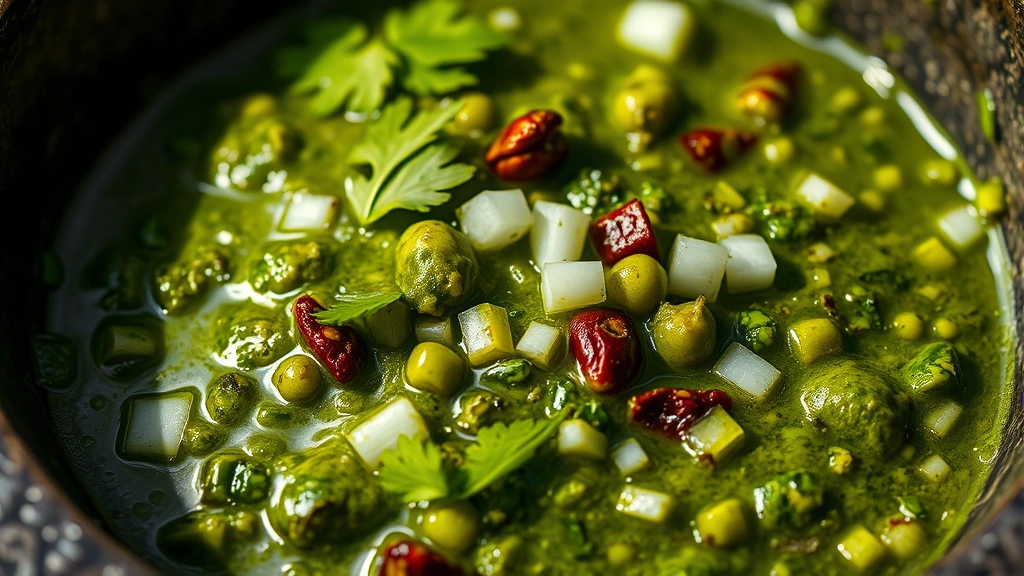
In Mexican cuisine, the salsa serves as the foundational expression of a kitchen’s philosophy and technical capability. Manuel’s approach to salsa-making reveals a restaurant that understands this principle intimately. Their house salsa verde presents a bright, almost verdant character—the tomatillos possess that essential grassy quality, balanced by white onions that provide structural sweetness rather than aggressive bite. The cilantro integration demonstrates restraint; it’s present as a whisper rather than a shout, allowing the roasted poblano undertones to emerge with clarity.
What distinguishes Manuel’s salsa program is the visible evidence of hand-roasting. The charred skin fragments visible in their rojo salsa aren’t careless oversights—they’re intentional markers of flame contact, indicators that someone in the kitchen understands that fire and vegetable interaction creates complexity that blenders alone cannot achieve. The guajillo chiles sing with fruity, almost wine-like notes, while the aged garlic contributes umami depth that prevents the salsa from becoming one-dimensional.
The pico de gallo deserves particular attention. Rather than presenting as a homogeneous mush, each component maintains its structural integrity—diced Roma tomatoes retain their juiciness, jalapeños offer precise heat calibration, and the red onion provides a sharp counterpoint that cleanses the palate between bites. This attention to component integrity suggests a kitchen that respects ingredient quality and understands that texture variation drives engagement.
Chips and queso represent the gateway to the dining experience, and Manuel’s takes this responsibility seriously. The tortilla chips possess that critical crispness-to-chew ratio—they shatter satisfyingly without becoming brittle fragments. The queso dip, rather than relying on processed cheese products, demonstrates clear evidence of real Oaxaca cheese integration, creating a texture that’s simultaneously creamy and slightly grainy, with a subtle earthiness that processed alternatives cannot replicate.
Ceviches and Cold Preparations
Ceviche represents one of the most technically demanding preparations in any culinary tradition because the acid-curing process leaves no room for error. The fish must be impeccably fresh—any hint of oxidation, any suggestion that the protein has experienced temperature fluctuation, becomes immediately apparent when lime juice begins its transformative work.
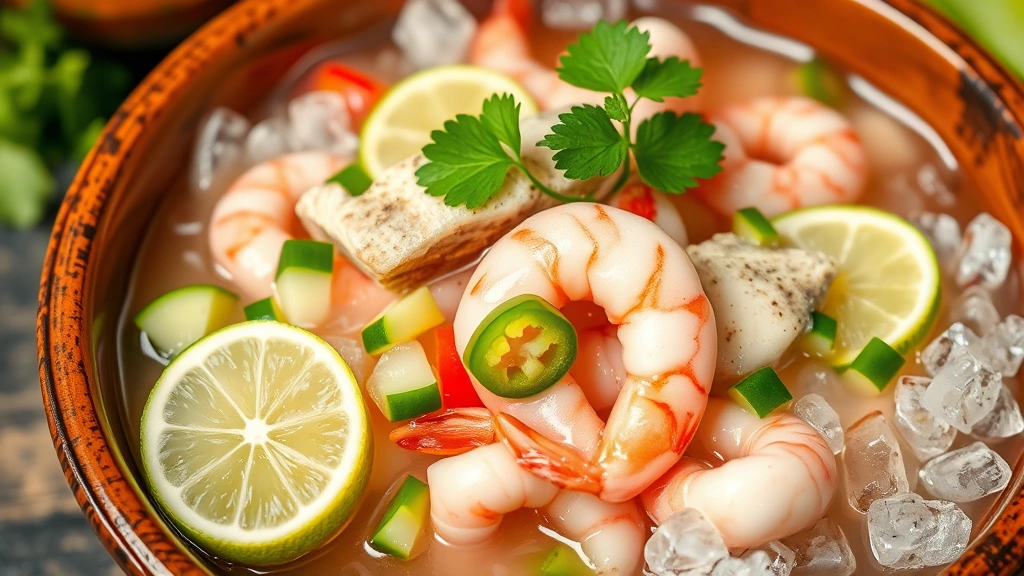
Manuel’s ceviche demonstrates that their sourcing network extends beyond standard restaurant supply chains. The mahi-mahi exhibits that translucent, almost glass-like quality that only appears in fish handled with obsessive care. The lime juice has achieved that delicate balance where acidity has cooked the protein completely without creating the grainy, over-cured texture that suggests excessive marination time. The citrus notes remain bright and singular—not muddled by competing flavors, but supported by diced cucumber that provides refreshing crunch and jalapeño that offers heat calibration without dominating the palate.
The aguachile preparation pushes the boundaries further. Raw shrimp, suspended in a chile-forward broth, requires absolute confidence in ingredient freshness. The shrimp at Manuel’s maintain their characteristic sweetness, that briny oceanic quality that only emerges when the protein has been handled with precision. The serrano chiles in the aguachile broth create a building heat profile—the initial sweetness gives way to gradual warming that peaks pleasantly rather than aggressively.
These cold preparations connect directly to Manuel’s role as a best lunch restaurant near me destination. The brightness and acidity of ceviches and aguachiles provide exactly the kind of palate-awakening experience that transforms a midday meal into something memorable.
The Tequila and Mezcal Program
A restaurant’s spirit program reveals its commitment to authenticity more clearly than any marketing material. Manuel’s cantina section demonstrates serious engagement with agave spirits, moving well beyond the margarita-and-shot mentality that characterizes many Mexican restaurants.
The tequila selection spans multiple categories—blancos that display the vegetal, peppery notes of freshly distilled agave; reposados that have spent time in oak, developing vanilla and caramel complexity; añejos that offer the kind of depth and smoothness that justifies sipping neat. What impresses most is the presence of lesser-known producers alongside the expected names. The tequila program suggests someone with genuine knowledge has curated these selections, not merely ordered whatever the distributor recommended.
Mezcal receives even more thoughtful treatment. Beyond the smoky, approachable Oaxaca styles, Manuel’s carries examples from lesser-known regions—Durango mezcals that display different agave species and roasting methodologies, creating flavor profiles that surprise even experienced drinkers. The bartenders can articulate the differences between these expressions, explaining how soil composition and altitude affect flavor development, how traditional underground pit-roasting creates that signature smoke character.
The margarita program, rather than relying on sour mix and industrial ingredients, demonstrates the kind of precision that elevates cocktails into genuine craft. Fresh lime juice pressed to order, quality tequila selection customized to the drinker’s preferences, agave nectar rather than simple syrup for subtle sweetness—these choices accumulate into something that transcends the standard restaurant margarita.
Main Course Expressions
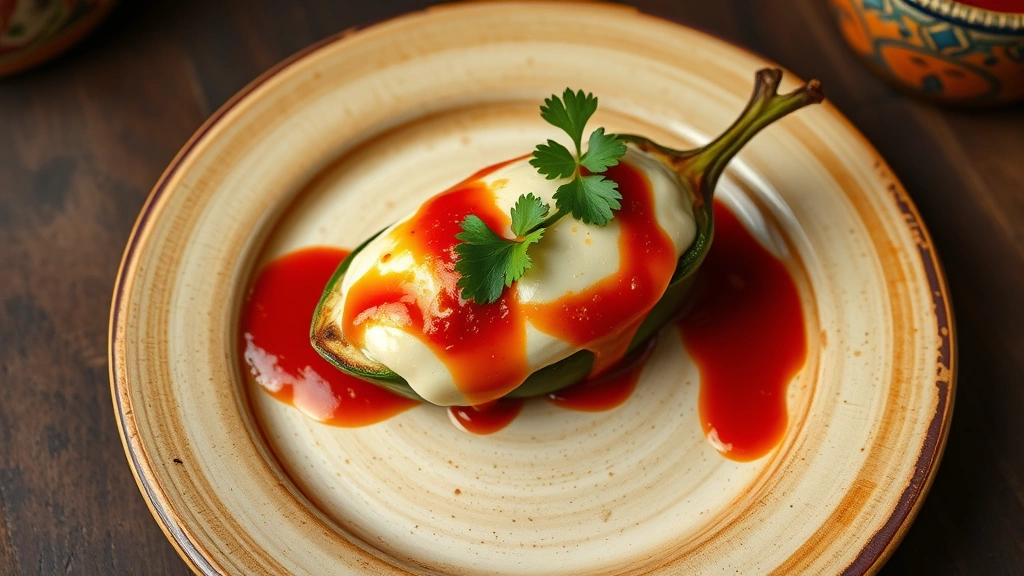
The chile relleno represents perhaps the most challenging main course preparation in Mexican cuisine. The poblano pepper must be roasted, peeled, and stuffed without tearing the delicate flesh. The filling requires balance—too much cheese creates greasiness, too little creates emptiness. The sauce must complement rather than overwhelm.
Manuel’s chile relleno demonstrates technical mastery. The poblano skin has been completely removed, leaving the pepper with a silky texture that yields to the gentlest pressure from a fork. The oaxaca cheese filling provides creamy richness while maintaining structural integrity. The ranchero sauce—built from tomatoes, onions, and jalapeños—offers bright acidity that cuts through the richness without creating harsh contrast. The egg coating, if present, remains ethereal rather than dense, suggesting either masterful technique or perhaps a more traditional approach that forgoes the egg coating entirely in favor of the pepper’s natural delicacy.
The mole negro preparation warrants extended discussion. True mole negro, the most complex of the mole family, requires the integration of twenty or more ingredients—chiles, spices, nuts, seeds, chocolate, and often fruits—into a harmonious whole where no single element dominates. Manuel’s version demonstrates the kind of depth that only emerges from extended cooking time and genuine commitment to the preparation.
The first encounter with this mole presents chocolate—not as a sweetening agent, but as a textural and flavor component that creates body and subtle bitterness. Subsequent tastes reveal layers: the earthiness of mulato chiles, the warming spice notes of cinnamon and clove, the subtle fruitiness of raisins or plantain, the nutty undertones of ground sesame. Each component maintains its identity while contributing to the whole—this is the hallmark of exceptional mole preparation.
The carnitas demonstrate commitment to traditional braising methodology. Rather than the shredded, over-cooked texture that characterizes rushed carnitas, Manuel’s version maintains structural integrity while achieving the kind of tenderness that suggests low-temperature, extended cooking in quality lard. The exterior develops a subtle crust when crisped on the griddle, creating textural contrast with the yielding interior. The pork itself—clearly sourced from quality suppliers—exhibits that characteristic succulence that only emerges from heritage breed animals.
Fish preparations showcase the kitchen’s ability to handle delicate proteins. The huachinango a la sal—whole fish cooked within a salt crust—emerges from the kitchen with flesh that remains moist and tender, the salt crust having created a controlled steaming environment. The meat slides cleanly from the bones, suggesting neither overcooking nor undercooking, but that precise point where proteins achieve optimal texture. The simple preparation—perhaps just lime juice and cilantro—allows the fish quality to shine without interference.
These main courses establish Manuel’s as something more than a family-friendly restaurant—this is a destination for serious eaters who understand that authentic Mexican cuisine represents one of the world’s great culinary traditions.
Desserts and Sweet Finales
Flan, the traditional Mexican custard dessert, receives proper treatment at Manuel’s. The custard maintains that critical silky texture—neither too firm nor too loose—that suggests careful temperature control during cooking. The caramel sauce demonstrates that distinctive deep amber color and slightly bitter character that only emerges from proper caramelization, not from burnt sugar. The interplay between cool custard and room-temperature caramel creates a textural and thermal contrast that elevates the dessert beyond mere sweetness.
Churros, when properly executed, represent fried dough elevated to art form. Manuel’s churros achieve that critical combination of crispy exterior and yielding, almost custard-like interior. The cinnamon sugar coating—generous without becoming excessive—provides textural contrast and aromatic complexity. The chocolate sauce for dipping exhibits that rich, almost grainy texture that suggests real chocolate rather than cocoa-based products.
Tres leches cake, the soaked sponge cake that has become ubiquitous in Mexican restaurants, receives treatment that honors its potential. The cake structure maintains integrity despite the three-milk soaking process, suggesting either excellent technique in the initial baking or careful attention to moisture absorption timing. The dulce de leche layer provides caramel sweetness without overwhelming the delicate cake structure. The whipped cream topping, rather than becoming a vehicle for excessive sweetness, remains relatively restrained, allowing the underlying cake to maintain presence.
Service and Atmosphere
The dining experience extends far beyond the food itself. Manuel’s atmosphere evokes authentic Mexican hospitality—vibrant without becoming overwhelming, energetic without sacrificing the ability to conduct conversation. The staff demonstrates genuine knowledge of the menu, offering recommendations based on actual understanding rather than rote memorization of talking points.
Water service maintains consistent attention without becoming intrusive. Plates are cleared with appropriate timing, neither rushing diners nor allowing tables to become cluttered. The pacing between courses suggests someone in the kitchen and dining room communicating effectively, ensuring that courses arrive when diners have completed previous components without excessive waiting.
Manuel’s succeeds as both a hole in the wall restaurant with casual authenticity and as a more refined destination, depending on the time and occasion. The flexibility to accommodate both casual walk-ins and special occasion diners suggests operational sophistication that many restaurants never achieve.
The outdoor restaurant seating, when available, provides that open-air dining experience that enhances the casual, celebratory nature of Mexican cuisine. The ambient noise level—lively without being oppressive—creates the kind of energy that makes meals feel like events rather than mere sustenance.
Whether you’re seeking a fun restaurant for casual celebration or a serious culinary destination, Manuel’s delivers across multiple registers, a flexibility that marks genuine excellence.
FAQ
What makes Manuel’s Mexican Restaurant & Cantina’s salsa different from typical restaurant salsas?
Manuel’s salsas demonstrate evidence of hand-roasting and component integrity. Rather than puréed into homogeneous mush, ingredients maintain their individual character while contributing to a cohesive whole. The visible charring on the chiles indicates flame contact rather than blender-only preparation, creating complexity that raw or oven-roasted alternatives cannot achieve.
How fresh are the seafood preparations at Manuel’s?
The ceviche and aguachile preparations reveal sourcing quality immediately. The translucent, glass-like appearance of the mahi-mahi and the characteristic sweetness of the shrimp indicate careful handling and rapid turnover. Any oxidation or temperature fluctuation becomes apparent in acid-cured preparations, so the quality visible here reflects genuine commitment to seafood sourcing.
Is the mole at Manuel’s made in-house?
The complexity and depth evident in the mole negro—with its layered chile, spice, nut, and subtle chocolate notes—indicates house preparation. The integration of twenty-plus ingredients into a harmonious whole requires extended cooking time and genuine skill that pre-made or simplified moles cannot replicate.
What distinguishes Manuel’s cocktail program?
Rather than relying on sour mix and industrial ingredients, Manuel’s emphasizes fresh lime juice, quality spirit selection, and knowledge-based curation. The tequila and mezcal selections span multiple producers and categories, suggesting genuine expertise rather than distributor recommendations.
Does Manuel’s work well for family dining?
Absolutely. The casual atmosphere, accommodating staff, and diverse menu ranging from simple tacos to complex mole preparations make Manuel’s suitable for everything from casual family outings to special occasion celebrations. The flexibility to accommodate different preferences and dietary needs is evident.
What is the significance of the chile relleno preparation?
The chile relleno represents one of Mexican cuisine’s most technically demanding preparations. The complete removal of the poblano skin, the balanced filling, and the complementary ranchero sauce reveal a kitchen that understands traditional technique and respects ingredient quality. The delicate texture possible only through proper handling marks genuine skill.
Are there vegetarian options at Manuel’s?
Yes, beyond the chile relleno, options like cheese-based enchiladas, bean preparations, and vegetable-forward ceviche variations provide substantive choices for vegetarian diners. The kitchen’s respect for ingredient quality extends to plant-based preparations.
How does Manuel’s compare to other regional Mexican restaurants?
Manuel’s distinguishes itself through commitment to traditional preparation methods, quality ingredient sourcing, and knowledge-based curation of the spirit program. While many restaurants offer Mexican cuisine, fewer demonstrate the technical precision and cultural respect evident at Manuel’s.
What should first-time visitors order?
Begin with the house salsas and chips to gauge the kitchen’s foundational approach. Progress to ceviche or aguachile to experience the seafood sourcing quality. For main courses, the chile relleno, mole negro, or carnitas best represent the kitchen’s capabilities. The margarita program warrants exploration.