Petra Restaurant Review: Authentic Taste Test
Petra Restaurant stands as a beacon of culinary authenticity in a landscape often dominated by diluted interpretations of Mediterranean cuisine. This establishment has earned its reputation through an unwavering commitment to traditional flavor profiles, meticulous sourcing of ingredients, and a kitchen philosophy that respects centuries-old preparation methods. From the moment you cross the threshold, the sensory experience begins—the aroma of charred wood, fresh herbs, and slow-cooked proteins creates an olfactory prelude to what awaits on your plate.
During my comprehensive tasting experience at Petra, I discovered a restaurant that doesn’t merely serve food; it presents a narrative of regional culinary heritage. Each dish tells a story of specific geographic origins, whether from the Levantine coast, the rolling hills of the Mediterranean interior, or the ancient spice routes that shaped Middle Eastern gastronomy. The kitchen demonstrates remarkable precision in balancing bold, assertive flavors with delicate textural contrasts, creating plates that challenge and satisfy the palate simultaneously.
The Opening Experience
Walking into Petra Restaurant feels like stepping into a carefully curated portal to the Eastern Mediterranean. The dining room exudes warmth through earthy tones, exposed stone walls, and subtle lighting that evokes candlelit gatherings in ancient marketplaces. The ambiance immediately establishes expectations for the culinary journey ahead, and the restaurant delivers on every promise.
The staff greets you with genuine hospitality rather than performative service. Our server demonstrated extensive knowledge of the menu’s origins, preparation methods, and ingredient sourcing—a refreshing departure from rote recitations. They offered thoughtful guidance without imposing recommendations, allowing diners to navigate the menu according to personal preferences and appetite levels.
The bread service arriving within minutes of seating sets the tone for the meal. Rather than mass-produced rolls, Petra presents warm flatbread with a crackling crust and tender, slightly tangy crumb. The subtle fermentation notes indicate natural leavening processes, and the bread carries enough character to be genuinely interesting consumed plain. A small dish of whipped labneh infused with preserved lemon and herbs accompanies the bread—this single element demonstrates the kitchen’s attention to foundational elements that many restaurants overlook.
Appetizers and Mezze Selection
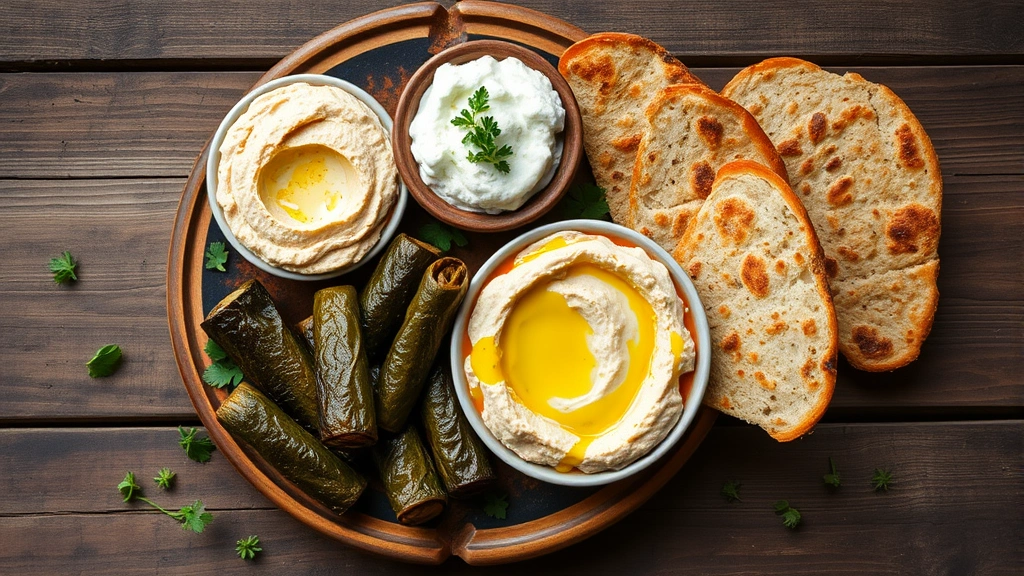
The mezze course represents the soul of Mediterranean dining culture, and Petra executes this category with remarkable sophistication. Rather than offering standard hummus variations, the kitchen presents interpretations that showcase ingredient quality and technical precision.
The roasted eggplant dip arrives as a study in textural contrast. The charred exterior of the eggplant imparts subtle bitterness and smoky depth, while the flesh remains silky and luxurious. The kitchen resists the temptation to over-process, leaving the dip with visible flecks of eggplant skin and a slightly chunky consistency that speaks to hand-made quality. Tahini provides richness without masking the primary ingredient, and a whisper of garlic adds pungency without becoming aggressive. A flourish of pomegranate molasses introduces tart brightness that elevates the dish beyond simple comfort food into something genuinely crave-worthy.
The whipped feta with za’atar presents another dimension of mezze excellence. The cheese demonstrates remarkable creaminess—likely from careful temperature management and gentle whipping—while maintaining the characteristic tang of quality feta. The za’atar mixture combines dried oregano, sumac, and sesame with precise proportions that create complexity rather than muddy spice. The sumac contributes citrus notes without actual acidity, while sesame adds toasty depth. This preparation showcases why unique restaurants near me often excel when they focus on foundational excellence rather than unnecessary innovation.
The charred octopus mezze item demonstrates kitchen capabilities beyond traditional vegetable-based preparations. Tender octopus tentacles, barely kissed by high heat to develop caramelized exterior surfaces, arrive draped with a bright chimichurri featuring fresh parsley, cilantro, and red wine vinegar. The contrast between the octopus’s slight chewiness and the sauce’s herbaceous acidity creates compelling interplay. A squeeze of lemon brightens each bite, while a sprinkle of smoked paprika adds subtle depth that complements rather than overwhelms.
The stuffed grape leaves offer a vegetarian showcase. Rather than the heavy, oil-logged versions found in less conscientious establishments, Petra’s preparation features delicate leaves wrapped around a fragrant filling of rice, herbs, and minimal oil. The filling maintains distinct grain texture, and the herb profile—primarily mint and dill—provides freshness that prevents the dish from feeling heavy. A dollop of thick yogurt mixed with garlic provides cooling contrast and subtle creaminess.
Main Courses and Grilled Specialties
The main course selections showcase the kitchen’s mastery of proteins and heat management, particularly on what appears to be a wood-fired grill. These dishes represent where Petra’s authenticity becomes most apparent, as modern technique meets traditional methodology.
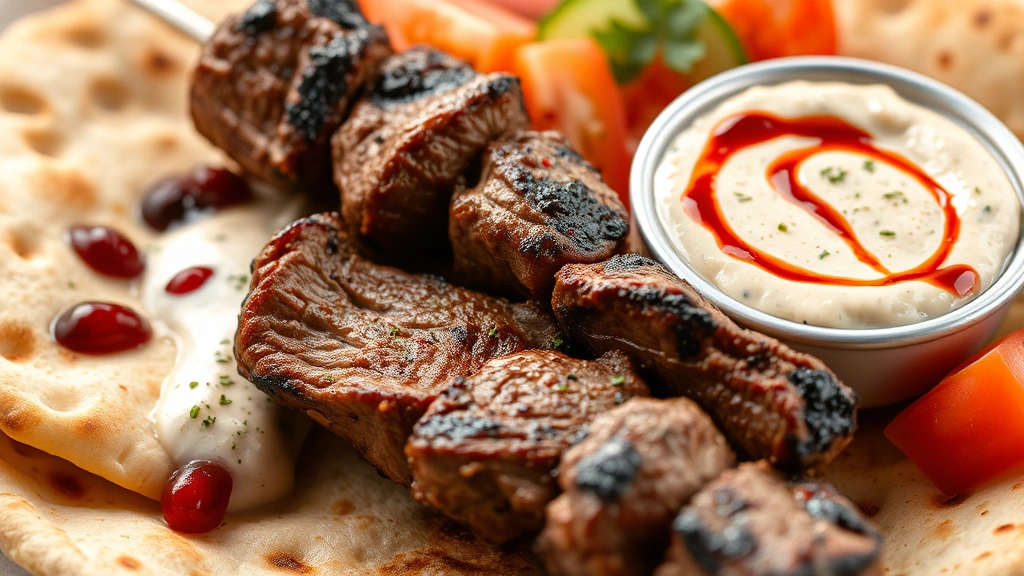
The lamb kebab demonstrates why this preparation has remained central to Mediterranean cuisine for centuries. Ground lamb, enriched with fat and seasoned with allspice, cinnamon, and black pepper, is molded onto skewers and grilled over charcoal. The exterior develops a flavorful crust while the interior remains juicy and tender. The spice profile—particularly the warm earthiness of allspice combined with cinnamon’s subtle sweetness—creates complexity that distinguishes this from pedestrian ground meat preparations. The kebab arrives with warm pita, fresh tomatoes, cucumbers, and a tahini sauce that provides creamy richness without overwhelming the meat’s inherent flavors.
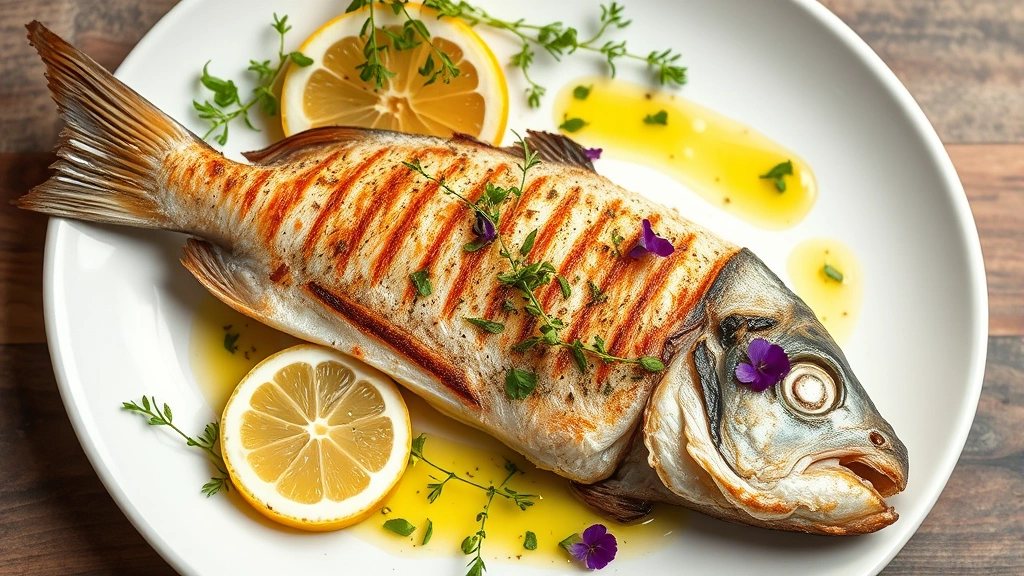
The whole branzino represents another pinnacle of kitchen competence. A whole Mediterranean sea bass, simply seasoned with salt, pepper, and herbs, is grilled until the skin crackles audibly when touched with a fork. The flesh remains delicate and moist, with the natural brininess of the fish shining through. The kitchen demonstrates restraint by offering minimal sauce—merely a drizzle of excellent olive oil infused with lemon and fresh herbs. This preparation validates the principle that truly exceptional ingredients require minimal manipulation.
The slow-roasted lamb shoulder showcases extended cooking techniques. The meat, marinated in yogurt, garlic, and warm spices, is slow-roasted until it achieves that ideal texture where it yields to minimal pressure while maintaining structural integrity. The exterior develops a flavorful crust from the marinade’s components caramelizing in the oven’s heat. The cooking liquid, enriched with lamb fat and aromatics, becomes a sauce that coats the meat with glossy richness. Served alongside roasted root vegetables and a pomegranate gastrique, this dish demonstrates how traditional slow-cooking methods, when executed with precision, create depth of flavor that quick-cooking techniques cannot achieve.
The grilled halloumi cheese showcases a vegetarian option with genuine substance. The cheese’s high melting point allows it to be grilled until the exterior caramelizes while the interior remains creamy. Served with charred watermelon, fresh mint, and a drizzle of pomegranate molasses, this dish creates surprising harmony between sweet, salty, and acidic elements. The warm cheese’s richness contrasts beautifully with the watermelon’s refreshing juiciness.
Flavor Analysis and Technique
Petra Restaurant’s kitchen demonstrates sophisticated understanding of flavor chemistry and sensory progression. Each dish is constructed with awareness of how flavors interact, build, and evolve across the palate.
The spice philosophy deserves particular attention. Rather than using spices as dominant flavor notes, the kitchen employs them as supporting elements that add complexity and depth. The warm spices—cinnamon, allspice, cloves—are used sparingly enough that they enhance rather than define. The citrus elements, whether from preserved lemon, fresh lemon juice, or pomegranate molasses, provide brightness that prevents richness from becoming cloying. This balanced approach suggests the kitchen has studied under traditions where spice mastery developed over centuries.
Textural variety within and across dishes prevents palate fatigue. Creamy mezze items alternate with crisp vegetables. Tender proteins contrast with chewy bread. Smooth purées accompany crunchy elements. This intentional textural programming demonstrates sophisticated menu engineering that goes beyond simple ingredient listing.
The acidity management throughout the meal shows remarkable precision. Rather than allowing dishes to sit in oil-based richness, the kitchen consistently introduces acidic elements—whether vinegar-based sauces, fresh citrus, or fermented dairy—that refresh the palate and enhance flavors. This technique, when applied correctly, allows diners to consume larger quantities without experiencing flavor fatigue.
Beverage Pairing Strategy
The wine program at Petra demonstrates genuine curation rather than generic selection. The list emphasizes Mediterranean regions with particular focus on producers who maintain traditional methods. Greek whites, particularly Assyrtiko varieties, pair beautifully with the bright, herbaceous preparations. These wines’ mineral qualities complement charred elements while their crisp acidity refreshes between bites.
Lebanese and Turkish wines deserve exploration, as they provide authentic regional pairing while supporting producers maintaining traditional viticulture in challenging climates. The staff’s knowledge of these lesser-known options suggests the restaurant’s commitment to authenticity extends beyond the kitchen.
For non-alcoholic options, the house-made beverages demonstrate creativity and technical skill. A fresh herb-infused water, prepared with mint, lemon, and subtle floral notes, provides excellent palate cleansing. Coffee service at meal’s end features properly prepared Turkish coffee with appropriate cardamom and a dusting of cocoa powder.
Ambiance and Service Quality
The dining room design balances warmth with sophistication. The exposed stone walls and wood elements create an intimate atmosphere without pretension. Lighting remains warm and flattering, allowing diners to see their food clearly while maintaining the ambiance that encourages lingering. The background music—subtle instrumental selections with Mediterranean influences—provides acoustic texture without becoming intrusive.
Service strikes the ideal balance between attentiveness and discretion. Staff members appear when needed, anticipating requirements without hovering. The pacing between courses allows adequate time for conversation and digestion while preventing the meal from dragging. When seeking recommendations for hole in the wall restaurants near me that maintain genuine hospitality, Petra exemplifies the standard.
The kitchen’s timing demonstrates precision that suggests careful coordination and respect for plating technique. Hot dishes arrive at proper serving temperature, cold items appropriately chilled. Multiple courses can be executed simultaneously without compromising individual quality—a hallmark of professional kitchen management.
Value and Authenticity Assessment
Pricing at Petra positions the restaurant in the upper-middle range, reflecting ingredient quality and technical execution rather than location markup or unnecessary luxe presentation. When considering restaurantes mexicanos and other ethnic dining establishments, the value proposition becomes clearer: authentic restaurants delivering genuine culinary heritage command premium pricing for legitimate reasons.
The authenticity claim deserves scrutiny, as the term often becomes marketing language divorced from reality. Petra’s authenticity manifests in several concrete ways: ingredient sourcing prioritizes quality over convenience, cooking techniques respect traditional methods while employing modern equipment appropriately, menu selections reflect regional specialties rather than fusion-driven innovation, and staff knowledge demonstrates genuine understanding rather than memorized descriptions.
The kitchen occasionally incorporates contemporary plating techniques and presentation methods that, while not strictly traditional, enhance the dining experience without compromising authenticity. This represents thoughtful evolution rather than abandonment of principles—a distinction that separates restaurants genuinely rooted in tradition from those merely adopting aesthetic elements.
Multiple visits reveal menu consistency and care. Seasonal variations appear appropriately, with certain items appearing only during optimal ingredient availability. This commitment to ingredient timing demonstrates respect for culinary cycles and traditional eating patterns. For diners seeking best restaurants in Florence Italy or similar destinations, this philosophy mirrors how European establishments maintain culinary integrity.
The restaurant’s success suggests diners increasingly seek genuine culinary experiences over Instagram-optimized presentations. Petra succeeds by delivering substance—flavors that evolve and develop, techniques that showcase ingredient quality, and hospitality that prioritizes diner satisfaction over performance.
The overall experience validates why Mediterranean cuisine has sustained across centuries and geographies. The flavor principles—balancing richness with acidity, building complexity through layered spicing, respecting ingredient quality, and allowing natural flavors to shine—create inherently satisfying dining. Petra Restaurant executes these principles with skill, consistency, and genuine respect for the culinary traditions it represents.
FAQ
What makes Petra Restaurant’s approach to Mediterranean cuisine authentic?
Petra prioritizes ingredient sourcing quality, respects traditional cooking methods, and bases menu selections on regional specialties. The kitchen demonstrates deep understanding of flavor principles developed across centuries, employing spices as complexity-builders rather than dominant notes. Staff knowledge reflects genuine culinary education rather than memorized descriptions, and menu consistency with seasonal variations shows respect for ingredient timing and traditional eating patterns.
How does Petra handle dietary restrictions and preferences?
The staff demonstrates flexibility and genuine accommodation rather than reluctant compliance. The extensive mezze selections naturally accommodate vegetarian preferences, and the kitchen shows willingness to modify preparations when necessary. The server should be informed of restrictions at ordering time, allowing the kitchen adequate preparation time.
What is the typical price range for dining at Petra?
Expect to invest $50-85 per person for a complete meal with mezze selections, main course, and beverages. This pricing reflects ingredient quality and technical execution rather than location markup. The value proposition justifies the investment when compared to establishments charging premium prices for presentation rather than substance.
Does Petra offer options for outdoor restaurants style dining?
The dining room features a warm, intimate atmosphere suitable for various occasions. While the primary seating remains indoors, inquire about seasonal outdoor options or private dining arrangements for special occasions. The kitchen’s emphasis on grilled preparations and wood-fired cooking particularly suits outdoor entertaining.
How far in advance should reservations be made?
Weekend reservations benefit from advance booking, particularly for parties larger than four. Weeknight availability typically accommodates walk-ins, though calling ahead ensures optimal seating. The restaurant’s popularity during peak hours reflects its reputation, so planning ahead prevents disappointment.
What should first-time diners order?
Begin with the mezze selection to experience the kitchen’s foundational technique and ingredient quality. The charred eggplant dip and whipped feta showcase flavor balance, while the stuffed grape leaves and charred octopus demonstrate range. For mains, the lamb kebab and whole branzino represent signature preparations. This progression allows tasting across protein types and cooking methods while establishing the restaurant’s culinary philosophy.
Does Petra cater to special occasions?
Yes, and the kitchen demonstrates particular attention to milestone celebrations. Private dining arrangements can be negotiated, and the kitchen shows willingness to create special tasting menus for significant occasions. Contact the restaurant directly to discuss specific requirements and preferences.