Houston Restaurant Week: Worth the Hype? Local Reviews
Houston Restaurant Week has become one of the city’s most anticipated culinary events, drawing food enthusiasts and casual diners alike into the dining rooms of some of the region’s most celebrated establishments. Yet as someone who has spent years exploring Houston’s diverse food scene—from hole in the wall restaurants near me to fine dining institutions—I’ve learned to approach this annual celebration with a discerning palate. The question isn’t whether Restaurant Week offers value, but rather which venues truly deliver exceptional experiences worth the inevitable crowds and reservation scrambles.
During Houston Restaurant Week, participating restaurants offer prix-fixe menus at three price points: typically $25, $38, and $60 per person for lunch and dinner. This structure theoretically allows diners to sample elevated cuisine at reduced prices, creating democratized access to kitchens that might otherwise seem financially prohibitive. However, the reality proves more nuanced. Some establishments use this opportunity to showcase their culinary prowess, while others rely on simplified menus that barely represent their true capabilities. After attending multiple Restaurant Week seatings across Houston’s neighborhoods, I’ve developed a framework for identifying which restaurants genuinely merit your reservation and which are merely capitalizing on the event’s popularity.
The Real Value Proposition
Let’s address the fundamental question: does Houston Restaurant Week actually save you money? The mathematics seem straightforward—a $60 prix-fixe menu at a restaurant where entrees normally cost $45-55 appears economical. Yet this calculation ignores critical variables. First, consider what restaurants exclude from prix-fixe pricing: beverages, gratuity, and often the most desirable proteins or preparations. A kitchen that normally features dry-aged ribeye at market price might substitute a more modest cut during Restaurant Week. Second, the event generates such demand that restaurants often overextend their capacity, sometimes compromising execution quality.
The genuine value emerges when you approach Restaurant Week strategically. Rather than viewing it as an opportunity to dine cheaply at expensive restaurants, consider it a chance to sample restaurants you’ve been curious about but haven’t prioritized. This reframing shifts your expectations appropriately. You’re not seeking the kitchen’s absolute best work—you’re gaining access to their style, technique, and ingredient quality at a more accessible price point. For those exploring family friendly restaurants near me, Restaurant Week can be particularly valuable, allowing you to test whether a restaurant’s atmosphere and cuisine suit your household before committing to regular prices.
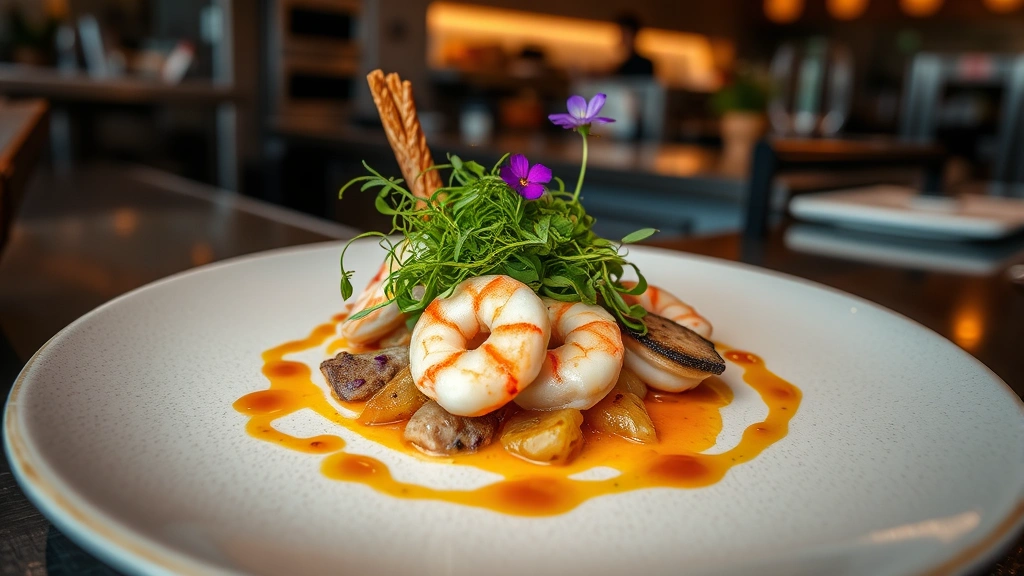
From a flavor perspective, what matters most is whether the prix-fixe menu reveals the restaurant’s core philosophy. A well-executed three-course menu should demonstrate technique, ingredient quality, and creative thinking. Pay attention to how sauces are composed—whether they’re made in-house or rely on commercial bases. Notice the textural interplay between components. Evaluate whether garnishes serve functional purposes or merely decorate the plate. These observations tell you whether a kitchen maintains its standards even under Restaurant Week constraints.
Standout Performers Worth Your Time
Houston’s most respected chefs and restaurants approach Restaurant Week as a legitimate opportunity to introduce their cuisine to new audiences. These establishments maintain rigorous standards regardless of the prix-fixe structure. During my recent Houston Restaurant Week experience, several venues stood out for their unwavering commitment to quality.
One notable category includes restaurants specializing in steak and seafood restaurants near me that leverage Restaurant Week to showcase their sourcing relationships and preparation techniques. These establishments benefit from the prix-fixe format because it allows them to pre-plan protein selections and cooking techniques, ensuring consistency even during high-volume service. When a seafood restaurant features Gulf snapper or Gulf shrimp during Restaurant Week, you’re accessing the exact same products they serve year-round—the difference is primarily in portion size and accompanying components.
Ethnic and specialized cuisine restaurants often excel during Restaurant Week. Vietnamese, Thai, and authentic Mexican establishments rarely compromise their recipes or techniques, even under prix-fixe constraints. The reason is simple: their ingredient costs and preparation methods remain relatively consistent regardless of price point. A Vietnamese restaurant’s pho or a Mexican kitchen’s mole negro require the same time investment and ingredient quality whether served at $25 or $45. These restaurants’ Restaurant Week menus often represent exceptional value because you’re accessing labor-intensive preparations at reduced costs.
Contemporary American and fusion kitchens present more variable experiences. Some use Restaurant Week to experiment with new menu concepts, treating it as a collaborative testing ground with diners. Others fall back on safe, simplified preparations that don’t represent their capabilities. The distinction often comes down to the chef’s philosophy: those who view their cuisine as a conversation with guests tend to invest in Restaurant Week, while those primarily focused on profit margins treat it as a necessary marketing expense requiring minimal effort.
When Restaurant Week Falls Short
Certain restaurant categories consistently underperform during Houston Restaurant Week, and recognizing these patterns helps you allocate your reservations more strategically. Fine dining establishments built on ultra-premium ingredients sometimes struggle with the prix-fixe format. When a restaurant’s core identity revolves around rare proteins, imported components, or extensively aged products, the Restaurant Week price point forces compromises that undermine their fundamental value proposition. You might receive a competently prepared dish, but not the revelation that defines their regular menu.
Similarly, restaurants with limited kitchen space or small teams often disappoint during Restaurant Week simply due to operational constraints. When a 50-seat restaurant suddenly accommodates 200 covers across the Restaurant Week period, quality control becomes nearly impossible. The kitchen that normally executes 60 covers per night with precision might struggle to maintain standards at 150 covers. This isn’t necessarily a reflection of poor cooking—it’s a structural limitation.
Avoid restaurants that are new, undergoing menu transitions, or dealing with recent staffing changes during Restaurant Week. These establishments haven’t yet stabilized their operations, and the additional pressure of Restaurant Week service often exposes vulnerabilities. Similarly, restaurants that heavily feature gluten free restaurants near me or specialized dietary accommodations sometimes struggle because Restaurant Week’s simplified menus don’t account for their normal level of customization and care.
The most honest assessment of Restaurant Week underperformance comes from observing what restaurants do after the event concludes. Those that incorporate successful dishes from their Restaurant Week menus into their regular offerings clearly took the exercise seriously. Those that revert to entirely different menus suggest their Restaurant Week participation was primarily marketing-driven.
Strategic Dining Approach
To maximize your Houston Restaurant Week experience, adopt a deliberate strategy rather than simply booking wherever availability exists. Start by identifying restaurants you’ve been genuinely curious about—places that have appeared on local food critics’ lists or that you’ve heard compelling recommendations about. Cross-reference these with the Restaurant Week participant list. This intersection reveals your most promising targets.
Next, research each restaurant’s normal menu and chef’s background. Look for evidence of consistency and technique in their regular service. Read recent reviews from credible sources like Eater Houston and local food writers. Check social media to see how other diners have experienced their Restaurant Week menus. This research phase is crucial—it prevents you from wasting a reservation on an establishment that’s unlikely to impress you.
Consider your timing strategically. The first week of Restaurant Week often features fresher execution than the final week, when kitchens have grown fatigued by the event’s demands. Early-week lunches typically offer better execution than dinner services, which carry higher volume. If you have flexibility, aim for Tuesday through Thursday lunches at your target restaurants.
When you arrive, approach the menu with clear expectations. You’re not sampling the kitchen’s most ambitious work—you’re experiencing their baseline technique and ingredient quality. Focus on how fundamentals are executed. Are sauces properly emulsified? Are proteins cooked to proper temperature with appropriate resting? Is seasoning balanced, or does the kitchen rely on salt and acid to cover under-developed flavors? These observations reveal far more about a restaurant’s true capability than any single dish.
Don’t feel obligated to order every course. If the appetizer proves exceptional, you might skip it and focus on entrée and dessert. Conversely, if an entrée seems uninspired, you can request to move directly to dessert. Most restaurants accommodate this flexibility gracefully, and it allows you to allocate your appetite strategically.
Hidden Gems and Neighborhood Discoveries
Houston Restaurant Week’s greatest value lies not in accessing famous restaurants, but in discovering exceptional establishments you might never have considered otherwise. Many of the city’s most interesting kitchens operate with minimal marketing, relying on word-of-mouth and neighborhood reputation. Restaurant Week provides these gems with visibility they couldn’t otherwise afford to purchase.
Explore neighborhoods beyond downtown and Montrose. Midtown, East End, and Uptown districts feature restaurants that rarely appear in mainstream food media but consistently deliver remarkable food. These establishments often participate in Restaurant Week specifically because they hope to build regular clientele. When you discover an exceptional neighborhood restaurant through Restaurant Week and return regularly, you’ve found something genuinely valuable.
For romantic restaurants near me, Restaurant Week offers an interesting opportunity to test ambiance and service quality at reduced financial commitment. You can evaluate whether a restaurant’s atmosphere and staff attention meet your standards for special occasions before committing to full-price dining. Similarly, restaurants near me with outdoor seating can be particularly attractive during Restaurant Week, allowing you to enjoy Houston’s climate in curated dining environments.
Pay special attention to restaurants highlighting local ingredients and Houston-specific cuisine. These establishments have deep roots in the community and typically maintain consistent quality regardless of pricing structure. A restaurant featuring Gulf seafood, Texas beef, or locally-sourced vegetables has invested in relationships with suppliers—relationships that don’t change based on whether they’re offering prix-fixe or à la carte service.
The most rewarding Restaurant Week experiences often come from taking chances on unfamiliar cuisines or restaurants without major social media presence. These gambles occasionally yield disappointing meals, but they also frequently result in discoveries that become regular dining destinations. This is where Restaurant Week transforms from a cost-saving mechanism into a genuine culinary adventure.
FAQ
Is Houston Restaurant Week actually cheaper than normal dining?
It depends on which restaurants you choose and what you normally order. At high-end establishments, yes—a $60 prix-fixe represents significant savings. However, you’re not accessing the kitchen’s most premium ingredients or most complex preparations. At mid-range restaurants, the savings are often minimal once you factor in beverages and gratuity. The real value comes from trying restaurants you wouldn’t otherwise visit, not necessarily from saving money at places you already frequent.
What time should I book my Restaurant Week reservation?
Early-week lunches (Tuesday-Thursday, 11:30 AM-1:30 PM) offer the best execution. Kitchens are fresher, volume is lower, and the simplified prix-fixe menus align with lunch-service expectations. Avoid opening night dinners and final-week services, when kitchen fatigue becomes apparent in execution quality.
How much should I expect to spend including beverages and tip?
Budget approximately 30-40% additional cost beyond the prix-fixe price. A $60 prix-fixe meal typically costs $80-90 total when you include a cocktail or wine, water and bread service, and 20% gratuity. This calculation helps you determine true value relative to what you’d normally spend.
Should I skip well-known restaurants during Restaurant Week?
Not necessarily, but approach them strategically. Well-known restaurants often use Restaurant Week to introduce new dishes to established clientele or to accommodate guests who couldn’t otherwise access them. However, you’re unlikely to experience their most celebrated signature dishes. If there’s a specific restaurant you’ve been wanting to try, Restaurant Week is a legitimate entry point—just manage expectations about what you’ll experience.
What cuisines perform best during Restaurant Week?
Ethnic and specialized cuisines—Vietnamese, Thai, authentic Mexican, Indian, Mediterranean—tend to excel because their cooking methods and ingredient costs remain constant regardless of pricing. These restaurants often deliver exceptional value. Contemporary American and fusion kitchens show more variability depending on the chef’s philosophy about the event.
How do I identify which restaurants to actually book?
Research the chef’s background and the restaurant’s normal menu. Read recent reviews from credible sources. Check social media to see what other diners experienced during Restaurant Week. Look for restaurants you’ve been genuinely curious about rather than just booking wherever availability exists. This approach ensures you’re making strategic choices rather than random reservations.