Top 5 Restaurantes en Old San Juan: Crítico Experto
Old San Juan, with its cobblestone streets, colonial architecture, and vibrant cultural heritage, stands as Puerto Rico’s most enchanting dining destination. This historic quarter pulses with gastronomic energy, where centuries-old traditions merge seamlessly with contemporary culinary innovation. The restaurants scattered throughout these narrow passageways represent far more than mere establishments serving food—they are temples of flavor, storytelling through cuisine, and celebrations of Puerto Rican identity.
After extensive exploration and palate-focused evaluation of the region’s most acclaimed establishments, I’ve curated this definitive guide to the five restaurants that transcend expectations. Each venue demonstrates exceptional commitment to ingredient sourcing, technical execution, and the profound art of flavor composition. Whether you’re planning a romantic evening or seeking culinary adventure, these restaurantes en Old San Juan deliver unforgettable sensory experiences that capture the soul of Puerto Rican gastronomy.
Marmalade Restaurant & Wine Bar: Innovative Caribbean Fusion
Marmalade stands as the crown jewel among downtown dining establishments, occupying a meticulously restored 18th-century colonial mansion that whispers with historical significance. The moment you cross the threshold, the sensory experience begins—warm amber lighting bathes exposed brick walls, while the aroma of seared proteins and reduction sauces creates an intoxicating prelude to what awaits.
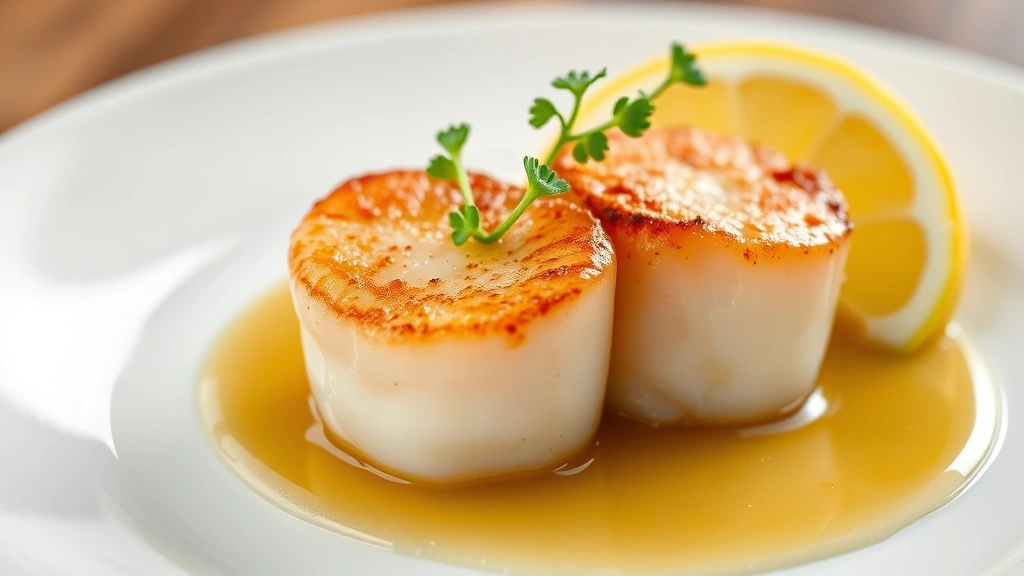
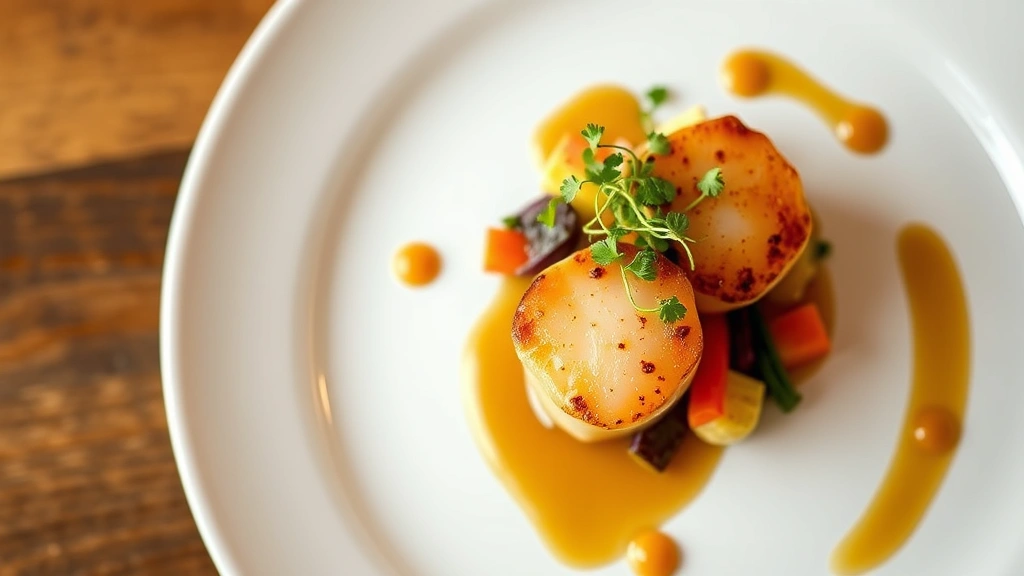
Chef Peter Schintler’s philosophy centers on respecting traditional Caribbean ingredients while pushing boundaries through avant-garde technique. The tasting menu unveils this philosophy through dishes that challenge preconceptions. Consider the seared diver scallops, kissed with brown butter foam and accompanied by microgreens cultivated specifically for their subtle peppery notes. The scallops themselves—sourced from sustainable fisheries—possess that ideal textural contrast: a caramelized exterior yielding to tender, barely translucent centers that practically dissolve on your palate.
The mofongo preparations here transcend the ordinary. Rather than the traditional method, Schintler reimagines this beloved staple through deconstruction, presenting plantain spheres with garlic-infused air and a luxurious pork jus that coats the mouth with savory elegance. Each element maintains its individual character while contributing to a unified flavor narrative that speaks to both tradition and innovation.
The wine program deserves particular acclaim. The sommelier staff demonstrates genuine passion for pairing selections, understanding nuances of how acidic wines cut through rich preparations or how certain tannin structures complement earthy vegetable components. The cellar emphasizes Spanish and Argentine selections alongside thoughtful domestic options, creating a comprehensive journey through global viticulture.
El Convento Restaurant: Historic Luxury Meets Authentic Tradition
Nestled within the historic El Convento Hotel, this restaurant commands one of Old San Juan’s most spectacular settings—a terrace overlooking the Atlantic Ocean with views that extend toward the horizon where sea meets sky in an endless gradient of blues and greens. The physical beauty, however, merely frames what transpires on the plate.
The culinary approach honors Puerto Rican heritage with reverence while incorporating contemporary plating aesthetics. The alcapurrias—those iconic fried plantain and meat croquettes—arrive as a study in textural contrast: exteriors crackling with audible crispness, interiors revealing perfectly seasoned ground beef enriched with sofrito’s deep, caramelized complexity. The accompanying adobo-infused dipping sauce adds another dimension, its layered spice profile suggesting hours of careful spice toasting and reduction.
The mofongo here represents the classical preparation executed with absolute precision. The plantains achieve that perfect balance between starchy substance and subtle sweetness, while the garlic infusion never overwhelms but rather creates an aromatic foundation. Topped with your choice of proteins—perhaps succulent shrimp or tender chicken—the dish becomes a meditation on simplicity elevated through technique and ingredient quality.
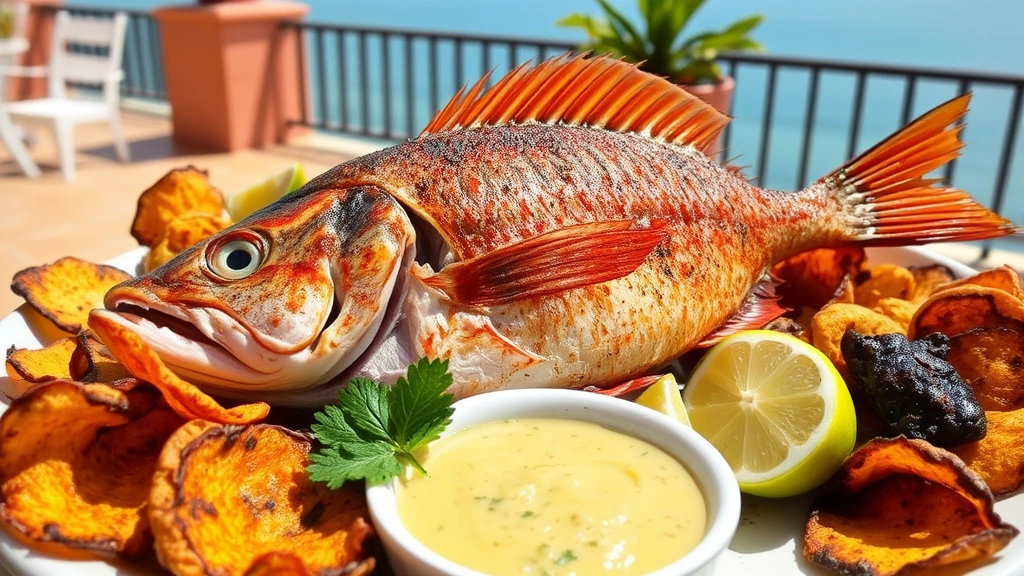
The seafood preparations showcase the restaurant’s commitment to the day’s finest catches. Snapper arrives whole, its delicate white flesh glistening under a light citrus reduction that brightens rather than masks the fish’s inherent sweetness. Accompanying vegetables—perhaps malanga purée and charred plantain chips—add textural interest and earthy undertones that ground the lighter protein.
Service demonstrates the refinement expected of establishments of this caliber. Staff members anticipate needs without hovering, possess genuine knowledge about ingredient sourcing and preparation methods, and execute timing with orchestral precision. Water glasses remain filled, courses arrive at optimal temperatures, and the pacing allows conversation to flourish between bites.
Pirilo Pizza Pasta: Rustic Italian Excellence in Historic Context
Don’t allow the casual atmosphere to deceive you—Pirilo represents serious culinary commitment wrapped in approachable warmth. Situated in a charming corner space with exposed beams and intimate lighting, this restaurant demonstrates that excellence transcends pretension.
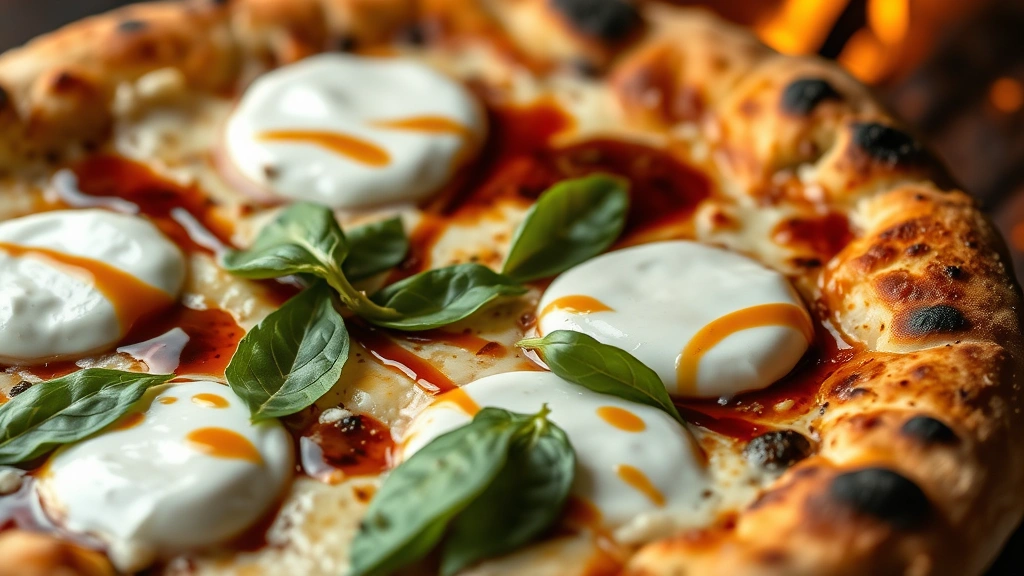
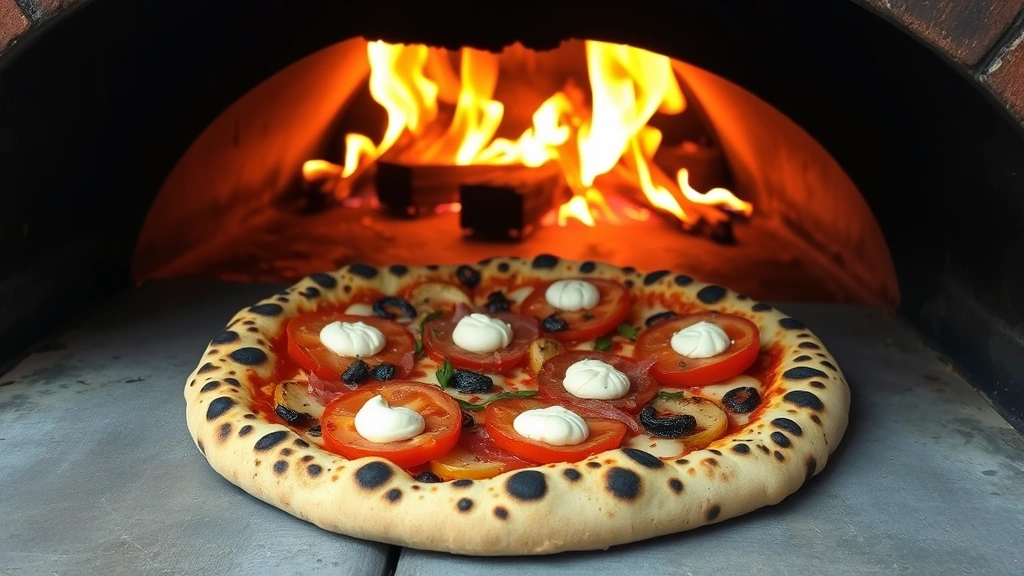
The wood-fired oven becomes the restaurant’s heartbeat, reaching temperatures that transform dough into something transcendent. The pizza bases showcase superior technique—the crust achieves that ideal Neapolitan character: leopard-spotted from the intense heat, with a crispy exterior yielding to an airy, slightly chewy interior that maintains structural integrity while remaining light enough to never feel heavy.
Toppings honor Italian tradition while acknowledging local ingredient availability. The prosciutto di Parma arrives paper-thin, its salty umami notes creating perfect counterpoint to fresh mozzarella’s mild creaminess. Roasted vegetables—perhaps charred zucchini or caramelized onions—add sweetness and textural variation. Each element receives thoughtful consideration; nothing exists merely as decoration.
The pasta selections showcase handmade expertise. Fresh egg pasta—likely prepared daily—reveals its quality through silken texture and rich, golden color. Sauces demonstrate restraint and respect for ingredients. A simple aglio e olio allows the olive oil’s fruity notes and garlic’s subtle pungency to shine, while more complex preparations like Bolognese layer flavors through patient simmering of tomatoes, meat, and aromatics.
This restaurant particularly excels as a lunch destination, offering excellent value while maintaining quality standards. The casual environment welcomes families and groups, making it ideal for those seeking excellent food without formality.
Barrachina Restaurant: Where Culinary Heritage Becomes Theatrical Experience
Barrachina occupies a position of cultural significance in Old San Juan—this establishment claims historical importance as the birthplace of the piña colada, that iconic rum-based tropical cocktail. However, the restaurant transcends its famous association through genuinely accomplished cuisine that honors Puerto Rican traditions while demonstrating contemporary sophistication.
The dining room itself transports visitors through Puerto Rico’s cultural landscape. Hand-painted tiles, wooden details, and warm lighting create an atmosphere that feels authentically historic rather than artificially themed. The energy pulses with both locals and visitors, creating that ideal restaurant dynamic where cultures and stories intersect.
The seafood preparations here showcase deep understanding of how to treat delicate proteins. Lobster tails arrive succulent and tender, their sweet flesh highlighted through preparation methods that avoid overwhelming rich sauces. The accompanying sides—perhaps tostones (twice-fried plantain slices) or rice infused with seafood stock—provide textural and flavor contrast without competing for attention.
The mofongo variations demonstrate kitchen creativity. Beyond the traditional preparation, creative interpretations might feature different protein components or unexpected garnishes that add visual interest and flavor complexity. Each version maintains the dish’s essential character while offering individual expression.
The late-night dining availability makes Barrachina particularly valuable for those exploring Old San Juan’s evening entertainment scene. The kitchen maintains quality standards throughout service hours, refusing to compromise as evening progresses.
Café Berlin: Intimate European Sophistication
Tucked away on a quiet Old San Juan street, Café Berlin presents a refreshing departure from traditional Puerto Rican establishments, offering contemporary European cuisine executed with precision and passion. The intimate setting—candlelit tables, muted color palettes, soft classical music—creates an atmosphere specifically designed for romance and meaningful conversation.
The menu changes seasonally, reflecting Chef’s commitment to working with ingredients at peak ripeness and optimal flavor expression. This philosophy demands constant engagement with purveyors, market exploration, and willingness to adjust planned preparations based on what’s available at peak quality.
Duck preparations showcase particular mastery. Breast meat arrives perfectly medium-rare, its rich, slightly gamey character balanced through sophisticated sauces—perhaps cherry gastrique or mushroom reduction—that add complexity without masking the protein’s essential nature. The skin achieves that coveted crispness through careful temperature control and technique.
Vegetable preparations receive equal attention to proteins. Root vegetables might be transformed through clever technique—perhaps parsnip purée alongside roasted beets and microgreens—creating dishes that satisfy through flavor complexity rather than meat-centric approaches. This philosophy reflects contemporary culinary understanding that vegetables deserve center-stage consideration.
The wine program emphasizes European selections, with particular focus on smaller producers and boutique wineries. Staff possess genuine knowledge about each selection’s terroir, production methods, and ideal food pairings. This level of expertise transforms wine service from mere beverage accompaniment into educational experience.
Planning Your Old San Juan Dining Experience
Several considerations enhance your restaurantes en Old San Juan exploration. Reservation protocols vary—fine dining establishments like Marmalade and Café Berlin require advance booking, particularly during peak tourist seasons. Casual venues like Pirilo accommodate walk-ins more readily, though weekend reservations remain advisable.
Timing matters significantly. Old San Juan’s narrow streets become congested during midday hours, particularly around major tourist attractions. Lunch service typically runs 11:30 AM to 2:30 PM, while dinner service begins around 5:30 PM and extends late into evening. Arriving slightly outside peak times—perhaps 1:00 PM for lunch or 5:45 PM for dinner—allows fuller attention from service staff.
Dress codes vary considerably. Fine dining establishments expect smart casual minimum, with some preferring business casual or dressier attire. Casual restaurants welcome comfortable clothing, though Old San Juan’s historic charm naturally encourages dressing respectfully. The cobblestone streets demand appropriate footwear; heels and delicate shoes can become problematic.
Budget considerations range from modest to luxury. Casual establishments like Pirilo offer excellent value, with satisfying meals available for $15-30 per person. Mid-range restaurants (Barrachina, El Convento) typically run $30-60 per person before beverages. Fine dining experiences (Marmalade, Café Berlin) expect $60-120+ per person depending on menu selections and wine pairings.
Consider exploring dog-friendly dining options if traveling with pets, as some establishments welcome four-legged companions on their terraces. Additionally, consulting guides about international dining excellence provides perspective on how these establishments compare globally.
Transportation logistics deserve attention. Parking in Old San Juan proves challenging; consider using ride-sharing services or the historic district’s walking paths. Most establishments sit within comfortable walking distance of each other, making it feasible to explore multiple venues during a single visit.
FAQ
Which restaurant in Old San Juan offers the best romantic atmosphere?
Café Berlin and Marmalade both excel at creating intimate, romantic settings. Café Berlin emphasizes European elegance with candlelit tables and classical music, while Marmalade combines historic colonial architecture with sophisticated modern design. Both require reservations and offer wine programs that enhance the experience.
Are there vegetarian-friendly options at these restaurants?
All five establishments accommodate vegetarian preferences, though the extent varies. Café Berlin particularly excels at vegetable-forward cuisine, often featuring vegetables as primary dish components rather than mere sides. Marmalade and El Convento offer creative vegetarian preparations, while Pirilo’s pasta selections provide numerous meat-free options.
What’s the best time to visit Old San Juan for dining?
Early evening (5:30-6:30 PM) offers optimal conditions—restaurants aren’t yet crowded, natural light remains pleasant for photography, and service staff can provide fuller attention. Weekdays generally prove less congested than weekends, though Old San Juan maintains vibrant energy throughout the week.
How far in advance should I make reservations?
Fine dining establishments (Marmalade, Café Berlin) benefit from 1-2 weeks advance booking, particularly during peak season (December-April). Mid-range restaurants typically accommodate reservations made 3-7 days ahead. Casual establishments like Pirilo generally accept walk-ins, though weekend reservations prevent disappointment.
What Puerto Rican dishes should I prioritize trying?
Mofongo represents Puerto Rico’s most iconic dish and appears on every menu in various preparations. Alcapurrias showcase the island’s fried food tradition, while fresh seafood preparations highlight local catch. Tostones (twice-fried plantain) and local rice preparations round out essential culinary experiences.
Do these restaurants accommodate dietary restrictions?
Most establishments gladly work with dietary restrictions when notified in advance. Fine dining venues particularly excel at creating custom preparations that honor restrictions while maintaining flavor quality. Communicate restrictions during reservation booking or upon arrival.