Table of Contents
Introduction
Picture this: you’ve got a pot of perfectly cooked pasta, steam rising, and then comes that magical moment—choosing the sauce that’ll make or break your meal. Whether you’re whipping up a quick weeknight dinner or impressing guests on the weekend, mastering pasta sauces is your secret weapon. Ever notice how the right sauce doesn’t just add flavor? It completely transforms everything—the way your pasta feels, smells, and tastes.
Here’s what I’ve learned after years of sauce experiments (and yes, some spectacular failures): it’s not just about throwing ingredients together. Each sauce has its own personality. Take Bolognese—it’s that friend who takes their time, simmering low and slow, developing layers of flavor. Then there’s Pesto, bright and fresh, ready to party in minutes. Getting comfortable with sauce basics opens up a whole world of kitchen creativity. You might think learning how to make pancakes from scratch has nothing to do with pasta, but trust me—mastering fundamentals in any cooking area builds confidence everywhere.
Now, let’s talk pairing. This is where things get interesting. Heavy, chunky sauces like Bolognese? They need wide noodles to grab onto. It’s like a perfect handshake. But delicate sauces—think Aglio e Olio—work best with thin pasta that won’t overshadow their subtle flavors. Once you understand these relationships, your plates become so much more balanced. Speaking of balance, exploring healthy nutrition plans can really change how you think about creating satisfying, nourishing meals.
Want to level up your sauce game? Start with the basics and work your way up. Learning how to make homemade sauces builds your foundation—each recipe teaches you something new about timing, seasoning, and texture. Plus, when you start thinking about cooking as part of a bigger wellness picture, your pasta nights become something special.
Here’s the reality: most of us have been there. You’re making what should be a simple pasta dish, but somehow the sauce ends up too salty, too bland, or just… off. Maybe it’s watery when it should be creamy, or thick when it should flow. The good news? These aren’t random accidents—there are reasons behind every sauce success and failure. Once you understand timing, seasoning balance, and how ingredients actually work together, everything clicks. And hey, if you’re looking to expand your cooking skills beyond pasta, trying simple seafood recipes can really boost your overall kitchen confidence.
What You’ll Learn in This Guide
Ready to become a sauce master? We’re going to walk through everything you need to know, from foolproof classics to those special touches that make people ask for your recipes.
- Classic Tomato-Based Sauces: We’ll start with the foundation—Marinara that actually tastes like fresh tomatoes and Bolognese that’s worth the wait.
- Creamy and Cheese-Based Sauces: Think silky Alfredo and proper Carbonara (spoiler: there’s no cream involved, and it’s better that way).
- Herb and Oil-Based Sauces: Light, bright options like fresh Pesto and garlic-forward Aglio e Olio that let your pasta shine.
- Pairing Tips and Common Pitfalls: Which sauces love which pasta shapes, plus how to avoid those face-palm moments we’ve all had.
What comes next? Real recipes you can actually follow, tips that actually work, and the kind of practical advice that turns cooking from stressful to enjoyable. Because honestly, once you nail these fundamentals, you’re not just making dinner—you’re creating something that brings people together.
We’ll also dive into the art of matching sauces to pasta shapes. It’s simpler than you think, but makes a huge difference. Light sauces work beautifully with delicate pasta, while heartier options need something with more texture to hold onto them. Creamy Alfredo and ribbon pasta? Perfect match. Marinara with angel hair? That’s how you let both elements shine.
And let’s be honest about mistakes—they happen to everyone. Overcooking your sauce until it’s thick as paste, forgetting to season until the end, making Carbonara that looks more like scrambled eggs. Been there! But here’s the thing: understanding why these things happen helps you avoid them. If you’re ready to expand beyond sauces, exploring best homemade pasta recipes creates the perfect foundation for everything you’ll learn about sauces.
So here we are, about to dive into the wonderful world of pasta sauces. Whether you’re starting from scratch or looking to refine your technique, this journey is going to change how you think about one of the world’s most beloved dishes. Ready to get started?
Here’s the thing about pasta sauces—they can make or break your dish. I’ve seen perfectly good noodles ruined by bland, watery sauce, and I’ve watched simple spaghetti transform into something magical with the right combination of flavors. The secret isn’t complicated ingredients or fancy techniques. It’s about understanding how sauce and pasta work together, like a dance where both partners know their steps. Whether you’re craving the bright, fresh taste of a classic tomato sauce or the rich comfort of something creamy and indulgent, mastering a few foundational sauces will change how you think about pasta night. Let’s dive into the classics—tomato-based beauties and luxurious cheese sauces—that every home cook should have in their back pocket.
Classic Tomato-Based Sauces
If pasta sauces had a royal family, tomato-based sauces would definitely be wearing the crown. There’s something about that bright acidity and robust flavor that just works—whether you’re feeding hungry kids on a Tuesday night or trying to impress dinner guests. Take marinara and bolognese, for example. They’re both tomato sauces, but they couldn’t be more different. Marinara is like that friend who’s effortlessly cool—simple, fresh, and always reliable. You’ve got ripe tomatoes, garlic, herbs, and boom—you’re done. Bolognese? That’s the friend who tells incredible stories that get better with time. This sauce needs hours to develop its character, with meat, wine, and aromatic vegetables all mingling together until something magical happens.
Now, here’s where pasta pairing gets interesting. Marinara loves lighter pasta shapes—think spaghetti or penne—where it can coat every strand without overwhelming the dish. It’s forgiving too, which makes it perfect for beginners who want to experiment. Toss in some capers for brininess, olives for depth, or chili flakes if you’re feeling spicy. Bolognese, on the other hand, needs a pasta that can handle its intensity. Those wide, ribbon-shaped noodles like tagliatelle? Perfect. They cradle the sauce like it was meant to be. The slow simmering is worth every minute—it’s where the tomatoes’ acidity mellows out and the meat becomes incredibly tender. Pro tip: both sauces freeze beautifully, so double your batch and thank yourself later.
Key Aspects of Classic Tomato-Based Sauces
Want to nail tomato sauces every time? Pay attention to these game-changers:
- Ingredient Quality: This is where you don’t want to cut corners. Good tomatoes—whether you’re using fresh heirlooms from the farmer’s market or quality canned San Marzanos—are the foundation of everything. They bring natural sweetness and that deep, rich flavor you can’t fake with additives.
- Cooking Technique: Patience is your friend here. Gentle simmering lets flavors develop without that bitter, burnt taste that happens when you crank the heat too high. Marinara stays fresh with shorter cooking, while Bolognese gets better the longer it bubbles away—we’re talking hours, not minutes.
- Herbs and Seasoning: Classic Italian herbs like basil, oregano, and bay leaves aren’t just decoration—they’re what make your kitchen smell like heaven. Don’t forget the garlic and onions (they’re non-negotiable), and taste as you go with the salt. You want to enhance, not overpower.
- Sauce Consistency: Nobody wants watery sauce sliding off their pasta. Reduce those liquids, add tomato paste if needed, and aim for sauce that actually clings. Bolognese should be thick enough to see individual pieces of meat, while marinara can stay a bit more fluid—but not soup-like.
Once you’ve got these basics down, the fun really begins. Add roasted vegetables, experiment with different spices, or try a splash of anchovy paste for umami depth. The beauty of tomato sauces is how they balance sweet, salty, and acidic flavors—and once you understand that balance, you can make them your own.
Creamy and Cheese-Based Sauces
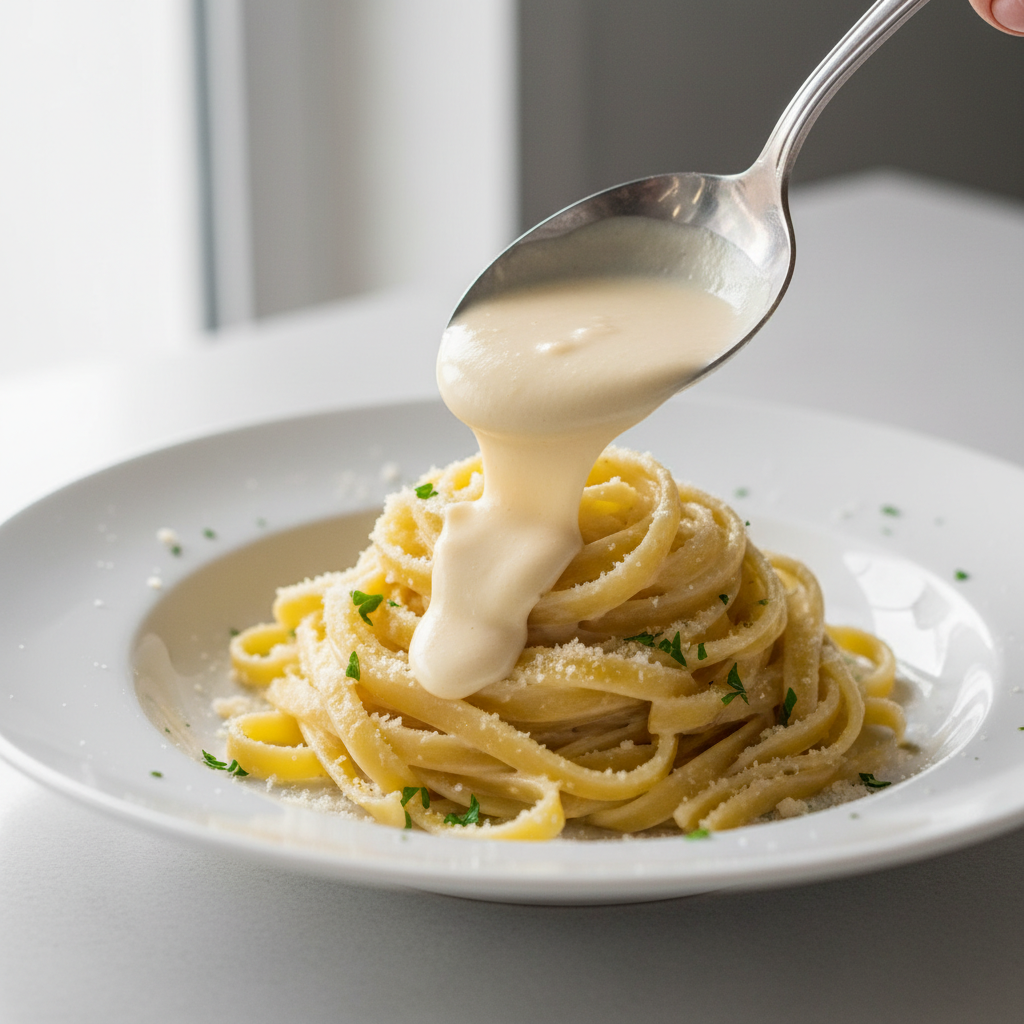
Let’s talk about the sauces that make you close your eyes and sigh with satisfaction. Creamy cheese sauces are pure comfort food—they’re what you crave when you want to treat yourself or when the day has been particularly rough. Alfredo and Carbonara are the stars here, and while they both deliver that rich, luxurious experience, they get there in completely different ways. Alfredo is straightforward luxury: butter, cream, and Parmesan cheese creating this velvety coating that makes fettuccine absolutely irresistible. Carbonara is more of a culinary magic trick—no cream in sight, just egg yolks, pancetta, and cheese coming together to create silky perfection. But here’s the catch: these sauces don’t forgive temperature mistakes. Get too aggressive with the heat, and you’ll end up with scrambled eggs or broken sauce instead of creamy heaven.
What I love about these sauces is how they prove that sometimes less really is more. A few quality ingredients, handled with care, can create something extraordinary. Want to jazz up your Alfredo? Throw in some sautéed mushrooms or bright green peas. Carbonara feeling too rich? A generous crack of black pepper and some sharp pecorino cheese will cut through that richness beautifully. These aren’t just weeknight dinners—they’re the kind of dishes that make people think you’re a much better cook than you actually are.
Key Aspects of Creamy and Cheese-Based Sauces
These richer sauces require a bit more finesse, but don’t let that intimidate you:
- Proper Emulsification: This is where the magic happens. For Alfredo, you’re gently coaxing butter, cream, and cheese into one smooth, unified sauce—no rushing allowed. Carbonara is trickier: those eggs need to be tempered with hot pasta water away from direct heat. Do it right, and you get silk. Do it wrong, and you get breakfast.
- Cheese Selection: Not all cheeses are created equal here. Parmesan brings that nutty, salty richness that makes Alfredo sing. For Carbonara, Pecorino Romano or Parmesan gives you that sharp bite that balances the richness of the pancetta perfectly—it’s all about contrast.
- Timing and Heat Control: These sauces live in the sweet spot between too hot and too cool. They don’t need long cooking times, but they demand your attention. Low heat, constant stirring, and knowing when to pull the pan off the burner—that’s your recipe for success.
- Paired Pasta Types: Shape matters more than you might think. Those flat, ribbon-like pastas—fettuccine, linguine—grab onto creamy sauces like they were made for each other. Carbonara plays better with thinner noodles like spaghetti, where you get that perfect balance of sauce and texture in every bite.
Master these techniques, and you’ll have the confidence to experiment. Try different cheese combinations, add seasonal vegetables, or create your own signature twist. The goal isn’t perfection on the first try—it’s understanding how these elements work together so you can create pasta dishes that feel both indulgent and perfectly balanced.

Here’s the thing about pasta sauce—it’s what transforms a simple bowl of noodles into something magical. We’ve covered a lot of ground together, from those beloved tomato classics like Marinara and Bolognese (because who doesn’t love that rich, savory goodness?) to the indulgent cream-based champions like Alfredo and Carbonara. And let’s not forget those fresh, vibrant options like Pesto and Aglio e Olio—perfect when you want something lighter but still packed with flavor. Each sauce has its own personality, and understanding what makes them tick? That’s where the real cooking magic happens.
But sauce is only half the story. You’ve probably noticed how some pasta dishes just *work* while others fall flat—and it’s usually about the pairing. Think of it like matchmaking for food. Those silky, smooth sauces? They’re meant for delicate thin pasta. Chunky, hearty sauces with lots going on? They need those ridged or wide noodles to grab onto all that goodness. We’ve also talked about the mistakes that can trip you up (overcooking, wonky flavor balance, mismatched combinations), but here’s the good news—once you know what to watch for, you’ll start cooking with real confidence.
Ready to take things up a notch? Start with our guide on how to make homemade sauces—because trust me, once you taste the difference homemade makes, there’s no going back. Then dive into best homemade pasta recipes to create dishes that are completely from scratch (your kitchen will smell incredible). Want to round out the meal? Check out our simple seafood recipes for the perfect pasta companions. And if you’re thinking bigger picture about healthy eating, our healthy nutrition plans can help you create balanced, satisfying meals that actually work for your lifestyle.
Don’t be afraid to experiment—seriously. Tweak a classic recipe, try an unexpected combo, or put your own spin on things. That’s how you discover your signature dishes. These sauce recipes aren’t just instructions; they’re your starting point for creating meals that people will remember. And if you’re looking for more inspiration, our collection of vegetarian pasta recipes is full of creative ideas that’ll surprise you. The best part about cooking? Every time you step into the kitchen, you’re getting better. Every dish brings you closer to that moment when you realize—hey, I actually know what I’m doing here.
Frequently Asked Questions
-
What are the easiest pasta sauces to make at home?
- Marinara and aglio e olio are simple and require few ingredients, making them great choices for beginners.
-
How can I make my pasta sauce more flavorful?
- Using fresh herbs, balancing seasoning with salt, acidity, and sweetness, and simmering longer all enhance flavor depth.
-
Can I store pasta sauce, and for how long?
- Most sauces can be refrigerated for 3-5 days and frozen for longer storage without loss of quality.
-
Which pasta sauce pairs best with gluten-free pasta?
- Oil-based and tomato-based sauces work well with gluten-free pasta varieties for balanced taste and texture.