Top Salem Oregon Restaurants: Local Foodie’s Picks
Salem, Oregon’s charming capital city, has quietly cultivated a vibrant culinary scene that punches well above its weight. Nestled in the heart of the Willamette Valley wine country, this mid-sized city offers an eclectic mix of farm-to-table establishments, innovative fusion concepts, and time-honored traditional cuisine that reflects both Oregon’s agricultural bounty and its progressive food culture. Whether you’re a seasoned food enthusiast seeking your next memorable meal or a casual diner looking for authentic flavors, Salem’s restaurant landscape delivers sophisticated palate experiences without pretension.
What makes Salem’s dining scene particularly compelling is the region’s direct access to some of the Pacific Northwest’s finest ingredients. Local farmers markets brim with seasonal produce, nearby vineyards produce world-class Pinot Noirs, and artisanal producers craft everything from cheese to charcuterie. This ingredient-centric philosophy has inspired restaurateurs throughout the city to build menus that celebrate Oregon’s terroir and agricultural identity. The result is a dining destination where quality, creativity, and community converge on every plate.
Farm-to-Table Excellence: Salem’s Culinary Philosophy
Salem’s most distinctive restaurants embrace the farm-to-table philosophy with genuine commitment and transparency. These establishments don’t simply feature local ingredients as marketing buzzwords; they build genuine relationships with regional growers, foragers, and producers. The menus shift seasonally, reflecting what’s at peak ripeness and flavor in Oregon’s gardens and orchards. When you dine at a true farm-to-table restaurant in Salem, you’re tasting the direct result of these partnerships—vegetables picked at their aromatic apex, proteins sourced from ethically-managed regional farms, and preparations designed to highlight rather than mask the ingredient’s natural character.
One standout establishment in this category showcases the region’s commitment to sustainable sourcing. Their approach involves detailed sourcing documentation that traces each component back to its origin. The kitchen staff maintains direct relationships with over thirty regional suppliers, visiting farms seasonally to understand growing practices and upcoming harvests. This transparency extends to diners through detailed menu annotations that credit specific producers and explain the provenance of each dish’s components. The resulting cuisine demonstrates remarkable depth—a simple plate of roasted beets becomes a meditation on terroir when accompanied by local goat cheese, candied walnuts from the Willamette Valley, and a vinaigrette crafted from estate-produced vinegar.
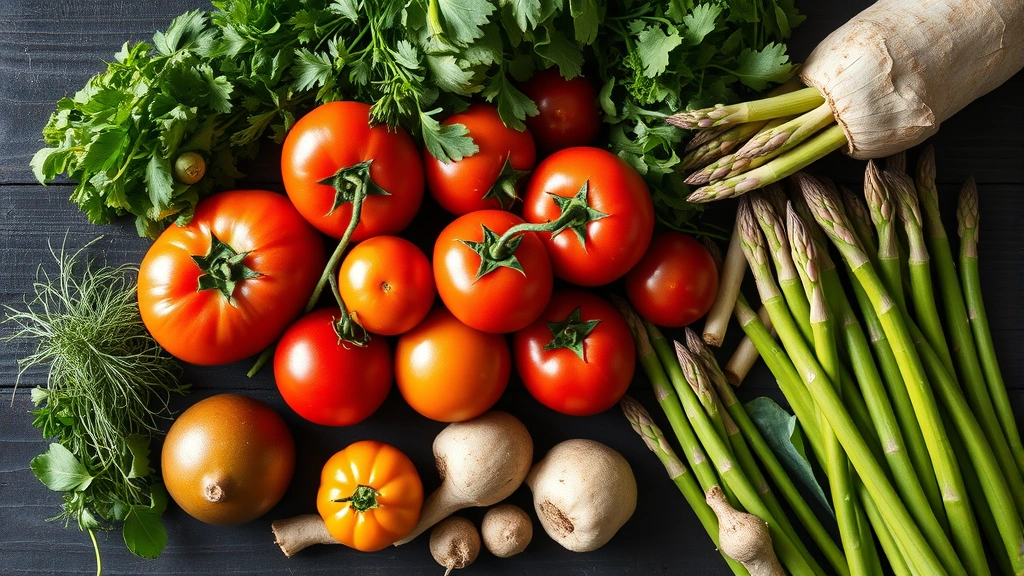
The seasonal rotation ensures that return visits yield entirely different experiences. Spring menus feature delicate asparagus, tender spring lettuces, and the first emergence of wild mushrooms foraged from nearby forests. Summer brings stone fruits, berries, and tender greens that define Oregon’s peak growing season. Autumn introduces root vegetables, squashes, and late-season harvests that enable rich, warming preparations. Winter menus showcase preserved and fermented items alongside hardy vegetables, demonstrating the kitchen’s commitment to local sourcing even during months when fresh options diminish. This cyclical approach creates natural rhythm and anticipation—regulars find themselves planning return visits around seasonal transitions.
Fine Dining Destinations: Sophisticated Salem Experiences
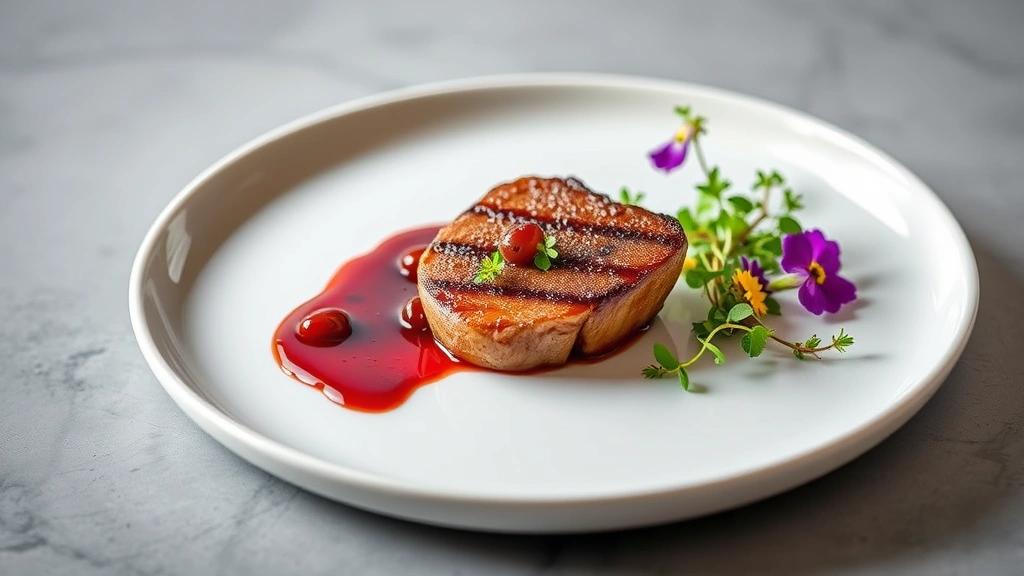
For occasions demanding elevated dining, Salem offers several establishments that deliver refined experiences rivaling much larger metropolitan areas. These restaurants combine technical precision, artistic plating, and thoughtful ingredient selection to create memorable multi-course journeys. The chefs leading these kitchens typically bring training from prestigious culinary institutions and experience from acclaimed restaurants in major food cities. Yet they’ve chosen to anchor their practices in Salem, bringing sophistication to a market hungry for elevated dining without pretension.
The tasting menu format has gained prominence among Salem’s fine dining establishments, allowing chefs creative freedom to showcase their vision while guiding diners through carefully orchestrated flavor progressions. These experiences typically span eight to twelve courses, each designed to build upon previous flavors while introducing new dimensions. A skilled chef sequences dishes to manage palate intensity—lighter, brighter courses alternate with richer, more complex preparations. Temperature contrasts provide textural interest, while flavor families build thematic coherence across the progression. The best tasting menus in Salem demonstrate this sophisticated understanding of how individual dishes function within a larger narrative arc.
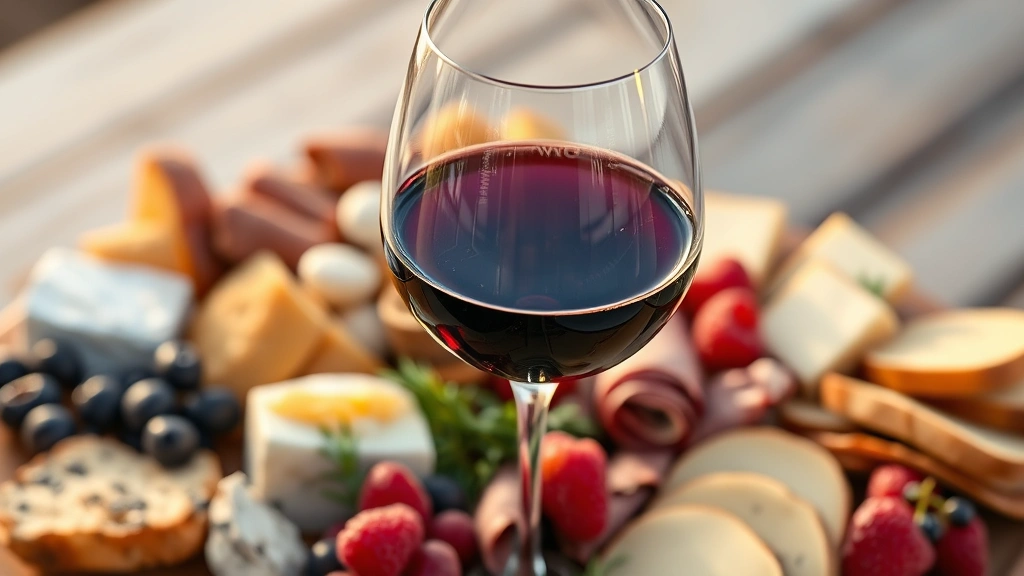
Wine pairings at fine dining establishments in Salem showcase the region’s incredible Pinot Noir production alongside carefully curated selections from other Oregon wineries and international regions. Sommeliers work closely with chefs to ensure each wine complements and elevates its paired course without overwhelming delicate flavors. The pairing strategy often involves introducing wines that echo flavors present in upcoming dishes, creating anticipatory harmony. A course featuring mushrooms might be preceded by a wine displaying earthy undertones, preparing the palate for the umami-rich dish to follow. These thoughtful pairings transform dinner into a coordinated experience where wine and food elevate each other rather than competing for attention.
Service at Salem’s fine dining establishments maintains the balance between attentiveness and respect for diners’ pace and conversation. Servers possess detailed knowledge about each dish’s components, preparation techniques, and inspirations, enabling them to enhance the dining experience through informative conversation without dominating it. Tables receive appropriate spacing, ensuring privacy and intimacy. Timing between courses allows adequate digestion and conversation while maintaining momentum through the meal’s progression. These subtle service elements separate truly refined dining from restaurants that simply charge premium prices.
Ethnic and International Flavors: Salem’s Global Palate
Beyond farm-to-table establishments, Salem’s culinary landscape includes excellent ethnic restaurants representing various global cuisines. These establishments often introduce newcomers to authentic preparations while satisfying experienced palates seeking genuine flavor profiles. A well-executed Thai restaurant in Salem, for instance, demonstrates proper balance of sweet, sour, salty, and spicy elements—building complexity through layered aromatics rather than simple heat. The kitchen sources Southeast Asian ingredients through specialty distributors, ensuring curries contain proper spice blends and fermented pastes that anchor flavor profiles. When you order a green curry, you experience the intended dish rather than a Americanized approximation.
Japanese restaurants in Salem offer everything from casual ramen shops to more refined sushi establishments. The best ramen restaurants maintain house-made broths simmered for extended periods to develop deep, complex flavors. A tonkotsu broth, for instance, requires hours of simmering pork bones to achieve the creamy, unctuous character that defines the style. Noodles are typically made fresh or sourced from specialty producers who understand the precise texture and chew that proper ramen demands. Quality sushi establishments employ itamae (sushi chefs) with years of training, who understand rice seasoning temperatures, fish aging protocols, and the subtle knife work that transforms raw ingredients into refined preparations. The difference between mediocre and excellent sushi often comes down to these invisible technical elements that casual diners might not consciously recognize but absolutely perceive on their palates.
Mexican restaurants in Salem range from casual taquerias to more refined establishments exploring regional Mexican cuisines beyond typical Tex-Mex fare. The best ones source authentic ingredients—dried chiles like mulatos and pasillas, Mexican oregano, and proper masa—creating flavor foundations that can’t be replicated with shortcuts. A mole sauce, for instance, requires toasting and grinding numerous spices and ingredients, building complexity through technique and time investment. These restaurants often feature housemade tortillas, demonstrating commitment to foundational quality. Salsa varies seasonally based on ingredient availability, with spring versions highlighting fresh cilantro and bright citrus, while autumn preparations feature roasted tomatoes and deeper spice profiles.
Italian restaurants in Salem similarly demonstrate commitment to authentic preparations and proper ingredients. Pasta-making becomes a point of pride at serious Italian establishments, with house-made preparations featuring proper hydration ratios, kneading techniques, and resting periods that develop gluten structure and create the ideal texture. Sauces are built through patient technique—a proper Bolognese requires hours of gentle simmering to marry flavors and achieve the correct consistency. Risotto demands constant attention and precise timing, with each grain achieving the ideal creamy exterior while maintaining a slight firmness at its center. These technical elements explain why restaurant risotto tastes distinctly different from home preparations—not because restaurants use secret ingredients, but because they possess the skill and patience to execute technique properly.
Casual Dining Gems: Quality Without Pretension
Salem’s casual dining scene includes numerous establishments that deliver excellent food in relaxed settings, perfect for weeknight meals or lunch breaks. Burger joints in Salem elevate the category through proper beef sourcing, thoughtful toppings, and appropriate cooking temperatures that yield juicy, flavorful results. The best burger restaurants grind their beef fresh, understanding that fresher meat produces superior texture and flavor. Topping selections move beyond standard lettuce and tomato to include house-pickled vegetables, artisanal cheeses, and creative condiments that complement rather than obscure the beef’s quality. The patty receives minimal handling during formation, preventing compaction that creates dense, dry burgers. Cooking temperatures are carefully monitored to achieve proper doneness—medium-rare burgers remain juicy while developing flavorful crust.
Sandwich shops deserve particular attention, as this category often contains hidden gems delivering remarkable quality. A well-executed sandwich balances multiple components—bread providing structural integrity and flavor contribution, proteins offering substance and umami, vegetables adding textural contrast and brightness, and condiments tying everything together. The best sandwich makers understand bread selection matters enormously; a delicate roast beef demands different bread than a hearty Italian sub. Vegetable preparation involves slicing at optimal thicknesses and considering how each component will contribute to the overall eating experience. Condiment application follows strategy rather than random distribution, ensuring every bite achieves balance. When you encounter a truly excellent sandwich in Salem, it represents thoughtful composition and technical skill despite the casual presentation.
Breakfast and brunch establishments in Salem showcase the region’s agricultural bounty through creative egg preparations, fresh fruit offerings, and house-made pastries. The best breakfast restaurants source eggs from local producers, offering noticeably superior flavor and texture compared to industrial alternatives. Hash preparations feature properly diced potatoes that achieve crispy exteriors while maintaining tender interiors, often incorporating local vegetables and artisanal proteins. Pastries demonstrate proper lamination techniques when applicable, with croissants displaying the characteristic shatter and tender layers that indicate proper butter distribution and folding. Fresh-squeezed juices and house-made granola round out offerings that celebrate breakfast as worthy of the same ingredient quality and technical care as dinner service.
Wine Pairing Experiences: Exploring Willamette Valley Excellence
Salem’s location within the Willamette Valley wine region creates natural synergy between restaurant dining and wine exploration. Many restaurants maintain extensive wine lists featuring local producers alongside carefully selected international selections. Understanding how to navigate these lists and approach wine pairing enhances the dining experience significantly. The fundamental principle involves matching wine’s weight and intensity to the dish’s similar characteristics—lighter wines pair with delicate preparations, while fuller-bodied wines complement richer dishes. However, this simplified framework expands considerably when considering specific flavor interactions.
Pinot Noir, the Willamette Valley’s signature varietal, pairs beautifully with numerous Salem restaurant preparations. The variety’s moderate alcohol content, bright acidity, and red fruit characteristics make it remarkably versatile. Lighter Pinot Noirs work wonderfully with poultry and lighter fish preparations, while fuller expressions complement beef dishes and richer sauces. The wine’s earthy undertones echo mushroom-forward preparations, creating natural harmony. When exploring restaurant dining experiences in other regions, many foodies discover that Salem’s wine options offer comparable quality to much larger metropolitan areas, making the city an underrated wine destination.
Sommeliers at quality Salem restaurants possess detailed knowledge about local producers, understanding how specific vineyard locations, harvest dates, and production methods influence resulting wines. They can articulate differences between wines from different Willamette Valley subregions, explaining how soil composition, elevation, and microclimate create distinctive characteristics. This expertise enables them to recommend wines that pair beautifully with specific dishes while introducing diners to new producers and expressions they might not encounter elsewhere. The best wine service involves conversation and discovery rather than simply suggesting the most expensive option.
Beyond Pinot Noir, the Willamette Valley produces excellent Chardonnay, Riesling, and other white varieties alongside emerging red options. Understanding these producers and their characteristics enables diners to approach wine selection strategically. A crisp Riesling with slight residual sweetness might pair beautifully with spicy Asian cuisine, its sweetness balancing heat while its acidity cutting through richness. A mineral-driven Chardonnay complements seafood preparations, particularly those featuring butter-based sauces. Exploring these pairings transforms wine from mere accompaniment into active participant in the dining experience. Many Salem restaurants offer wine-by-the-glass programs that encourage exploration without requiring full bottle commitment, making experimentation accessible and affordable.
For those seeking deeper wine education, several Salem restaurants host wine-pairing dinners and educational events that combine dining with structured learning. These experiences typically feature a sommelier or visiting winemaker discussing each wine’s characteristics, production methods, and inspirations before courses are served. Participants taste wines alongside specifically designed dishes, learning how particular elements create harmony or tension. These events demystify wine appreciation, moving beyond intimidating jargon to focus on genuine sensory experience and personal preference. They represent excellent opportunities for both novices and experienced wine enthusiasts to deepen their knowledge while enjoying excellent food and wine.
FAQ
What are Salem’s most acclaimed restaurants?
Salem’s fine dining scene includes several establishments that have garnered regional recognition for their innovative approaches and ingredient quality. Farm-to-table restaurants dominate the acclaim, with chefs building menus around seasonal availability and direct producer relationships. These establishments typically require advance reservations, particularly on weekends, as their intimate settings and limited seating create consistent demand among local foodies and visitors.
How does Salem compare to larger Oregon cities regarding restaurant quality?
Salem punches above its weight regarding restaurant quality and diversity. While Portland offers greater quantity and variety, Salem’s best restaurants rival or exceed Portland establishments in terms of ingredient quality, technical execution, and innovative approaches. The Willamette Valley location provides agricultural advantages that benefit Salem restaurants, while the smaller market size creates less anonymity and greater accountability. Like exploring dining destinations in Key West or other specialized food cities, Salem offers distinct character and local focus that larger markets sometimes lack.
What cuisine types are most prominent in Salem?
Farm-to-table and Pacific Northwest cuisine dominate Salem’s restaurant scene, reflecting the region’s agricultural identity and food culture. Quality ethnic restaurants representing Thai, Japanese, Mexican, Italian, and other cuisines add diversity. The casual dining scene includes excellent burger joints, sandwich shops, and breakfast establishments. Fine dining establishments often blend multiple influences, creating fusion concepts that honor various traditions while maintaining cohesive vision.
Are reservations necessary at Salem restaurants?
Reservations are strongly recommended at fine dining establishments and increasingly important at popular farm-to-table restaurants, particularly on weekends. Many casual establishments operate on first-come, first-served basis but may have wait times during peak hours. Checking websites or calling ahead ensures you don’t encounter unexpected closures or excessive waits. This approach aligns with how diners explore dining scenes in destinations like Inner Harbor restaurants, where planning enhances the experience.
How do Salem’s wine options compare to other regions?
The Willamette Valley wine region offers exceptional quality and value, with numerous producers distributed throughout the area surrounding Salem. Restaurant wine lists feature extensive local selections, often curated by knowledgeable sommeliers who understand producer philosophies and vineyard characteristics. The quality-to-price ratio often exceeds other wine regions, particularly for Pinot Noir. Wine-by-the-glass programs enable affordable exploration of multiple producers during single dining experiences.
What makes Salem’s food scene distinctive?
Salem’s proximity to agricultural production, commitment to seasonal sourcing, and access to Willamette Valley wines create a distinctive food culture. The restaurant community emphasizes transparency regarding ingredient sourcing and maintains genuine relationships with local producers. This approach creates menus that reflect Oregon’s terroir and agricultural identity rather than nationally standardized offerings. The result is a dining destination where food tells stories about place, season, and community relationships.
Where can I find information about Salem restaurant week?
Similar to Baltimore Restaurant Week and other regional dining events, Salem periodically hosts restaurant-focused promotions and events. Checking local tourism websites and restaurant association pages provides current information about special dining events, prix-fixe menu offerings, and seasonal celebrations. Many restaurants announce special events through social media and email newsletters, making subscription to these channels valuable for staying informed about unique dining opportunities.
What budget ranges should I expect?
Salem’s casual dining scene offers excellent meals in the $10-20 per person range, with quality establishments providing remarkable value. Mid-range restaurants typically run $20-40 per person for entrees, often representing exceptional quality relative to pricing. Fine dining establishments range from $50-100+ per person for multi-course tasting menus, with wine pairings adding significant cost. The city’s reasonable pricing relative to ingredient quality makes it an excellent value destination for food enthusiasts.
Are there vegetarian and vegan options?
Salem’s restaurant scene increasingly accommodates dietary preferences and restrictions. Many establishments offer vegetarian preparations alongside meat-based options, with creative vegetable-focused dishes that don’t feel like afterthoughts. Farm-to-table restaurants particularly excel at vegetable preparation, celebrating seasonal produce through preparations that highlight rather than obscure natural flavors. Communicating dietary preferences when making reservations enables kitchens to prepare thoughtful accommodations rather than generic alternatives.
How does the casual dining scene compare to fine dining?
Salem’s casual establishments often demonstrate quality comparable to fine dining establishments, differing primarily in presentation formality and service structure rather than ingredient quality or technical execution. Many casual restaurants source from identical producers and apply similar technical principles to preparations. The distinction often comes down to dining atmosphere and service style rather than food quality. This democratization of quality, similar to exploring stir-fry techniques at home, makes excellent dining accessible across various price points and formality levels.


