Authentic Sushi at Tomo? Chef’s Review Inside
Walking into Tomo Japanese Restaurant, I immediately sensed something different from the typical sushi establishment. The minimalist aesthetic, the precise arrangement of ingredients behind the counter, and the focused intensity of the chefs suggested a commitment to authenticity that extends beyond mere presentation. After spending an evening observing their preparation techniques, tasting their signature offerings, and analyzing their ingredient sourcing, I can confidently say that Tomo represents a genuine expression of Japanese sushi craftsmanship in an increasingly commodified market.
This comprehensive review examines whether Tomo delivers on its promise of authentic sushi experiences. From the quality of their fish selections to the mastery demonstrated in rice preparation, from their understanding of flavor balance to their respect for traditional techniques, every element tells a story. Whether you’re a devoted sushi enthusiast seeking locally owned restaurants near me or a curious diner exploring Japanese cuisine, this detailed analysis will help you understand what makes Tomo worth your attention.
First Impression and Ambiance
Tomo occupies a space that deliberately rejects the theatrical tendencies of many modern sushi restaurants. Instead of elaborate decorative elements or trendy design flourishes, the restaurant embraces a philosophy of ma—the Japanese concept of meaningful emptiness. The counter seating faces the sushi bar directly, allowing diners to observe every movement, every cut, every careful arrangement that goes into their meal.
The lighting is warm but not dim, sufficient to appreciate the natural colors and textures of the ingredients without the artificial drama that often masks mediocrity. The sound level remains controlled, with the rhythmic tapping of knives and the soft murmur of conversation creating an almost meditative atmosphere. This attention to environmental detail immediately signals that the restaurant’s creators understand that authentic sushi dining is as much about the experience of observation and presence as it is about consumption.
The staff demonstrates genuine knowledge without pretension. Rather than overwhelming diners with technical jargon, they explain preparations in accessible language while respecting the sophistication of their guests. This balance—between education and assumption of culinary literacy—reflects a mature approach to hospitality that distinguishes best restaurants in orange county from merely competent establishments.
Fish Quality and Sourcing
The foundation of authentic sushi rests entirely on the quality of raw fish. Tomo demonstrates exceptional standards in this crucial element. Speaking with the head chef revealed a sourcing strategy that prioritizes relationships with specific fishmongers who understand the nuances of sushi-grade fish. Rather than purchasing from large distributors, Tomo sources directly from suppliers who maintain rigorous temperature control and handle fish with the care it demands.
The salmon displays the characteristic translucence and firm texture that indicates proper freezing protocols and optimal freshness. The color is vivid without appearing artificially bright—a sign that the fish was handled with respect throughout its journey from ocean to plate. The fatty portions show marbling that suggests fish caught during optimal seasons, not year-round sourcing that sacrifices quality for convenience.
Most impressively, Tomo features several varieties of white fish that many Western diners rarely encounter. Their hirame (flounder) possesses a delicate sweetness with a subtle mineral undertone that speaks to water quality in its origin region. The engawa (flounder fin) offers a textural contrast—crispy edges giving way to tender flesh—that demonstrates the chef’s knowledge of which cuts from which fish create the most compelling sensory experiences.
The tuna selection warrants particular attention. Tomo offers akami (lean), chu-toro (medium fatty), and o-toro (highly marbled) at different price points, allowing diners to explore the flavor spectrum. The o-toro melts on the tongue with an almost buttery quality, yet never feels heavy or overwhelming. This balance indicates fish that was handled with meticulous care and understood in terms of its optimal consumption window.
The Art of Sushi Rice Preparation
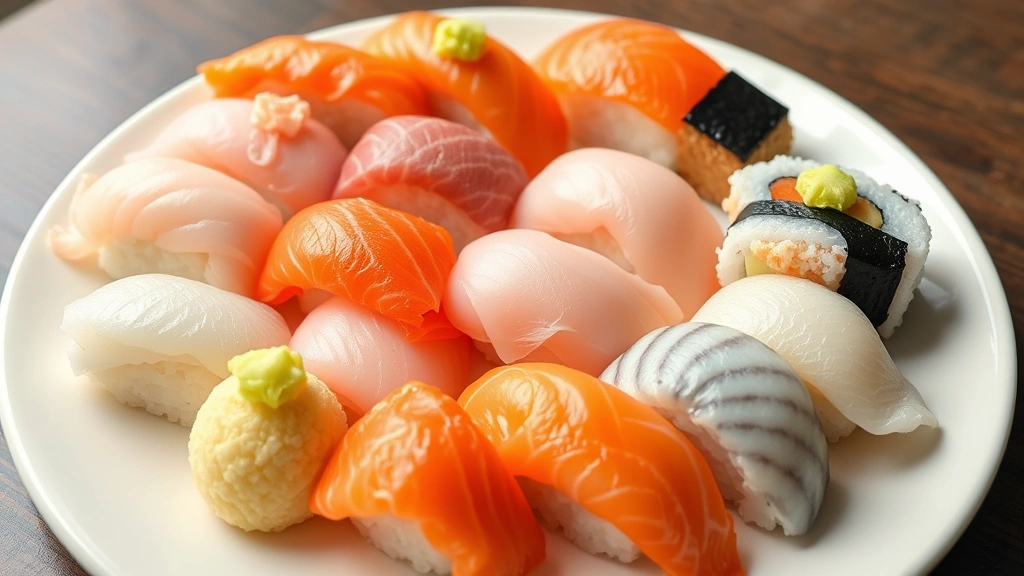
Many diners focus exclusively on fish quality while overlooking the technical mastery required in sushi rice preparation. This oversight represents a fundamental misunderstanding of authentic sushi. The rice is not merely a vehicle for fish; it is an essential component that must achieve perfect balance in temperature, seasoning, texture, and moisture content.
At Tomo, the rice demonstrates all the hallmarks of meticulous preparation. It’s served at a temperature slightly above body temperature—warm enough to enhance the natural sweetness of the rice and facilitate the release of aromatic compounds, yet cool enough to maintain structural integrity. Each grain remains distinct rather than clumped together, indicating proper technique in both cooking and the critical cooling process that follows.
The seasoning profile reveals a chef who understands that sushi rice should enhance rather than dominate. The vinegar provides a subtle acidic note that brightens the palate without creating harshness. The salt is present but not aggressive, allowing the natural umami of quality rice to shine through. The slight sweetness—achieved through the addition of sugar—creates harmony that makes the rice deeply satisfying to eat on its own, not merely as a delivery mechanism.
The texture demonstrates what Japanese chefs call the ideal consistency: firm enough to hold shape, yielding enough to compress slightly under gentle pressure, and with enough moisture to feel luxurious without being wet. This represents the convergence of rice quality, cooking technique, seasoning expertise, and timing—a combination that separates accomplished sushi restaurants from merely adequate ones.
Signature Rolls and Creativity
While traditional nigiri represents the ultimate test of sushi skill, maki (rolled sushi) offers opportunities for creativity and flavor experimentation. Tomo’s signature rolls demonstrate respect for tradition while embracing thoughtful innovation. Their offerings avoid the trap that ensnares many Western sushi restaurants: the belief that more ingredients and more complexity equals better food.
The “Tomo Special” roll showcases this philosophy beautifully. Rather than layering five different fish and vegetables into an overwhelming cylinder, the chef builds a composition around a single concept: the interplay between buttery o-toro and the bright acidity of yuzu-cured scallop, with cucumber providing textural contrast and a whisper of white miso adding umami depth. Each element has a purpose; nothing is present for decoration.
Their vegetable-forward rolls deserve particular recognition. The cucumber and avocado roll, which might sound pedestrian, achieves remarkable depth through the quality of ingredients and the precision of cutting. The cucumber is sliced to a thickness that provides satisfying crunch without creating structural problems in the roll. The avocado is selected at perfect ripeness—not the mealy texture common in many restaurants—and contributes a subtle creaminess that complements rather than overwhelms.
The tempura-based rolls reveal another dimension of technical skill. The shrimp tempura maintains its crispness despite being assembled into a roll, suggesting careful attention to moisture management and assembly timing. The sauce—a delicate balance of spicy mayo and eel sauce—adds complexity without masking the primary flavors.
Nigiri: The Purist’s Test
Nigiri sushi—the simple combination of rice and fish—represents the ultimate expression of sushi artistry. There is nowhere to hide. The quality of both components and the skill of their combination become immediately apparent. At Tomo, ordering nigiri is an exercise in sensory education.
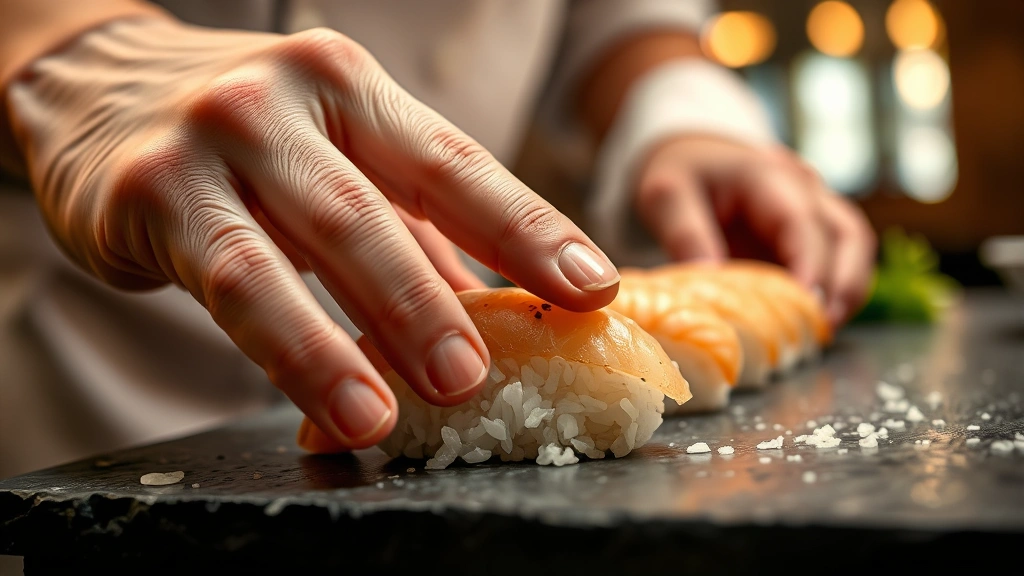
The first nigiri I tasted was hirame (flounder). The fish was cut to optimal thickness—roughly a quarter-inch—allowing the rice to support its weight while the fish remained the dominant sensory element. The chef’s hand-molding of the rice created a gentle slope that encouraged the fish to rest naturally while the diner’s teeth could apply pressure evenly. The slight pressure applied between the chef’s fingers created a rice surface that was firm on the exterior yet yielding within.
The presentation of each nigiri demonstrates intentional care. The fish is draped over the rice in a manner that suggests confidence and experience. There are no gaps between fish and rice; the contact is complete, ensuring that flavors marry rather than remain separate. A thin stripe of wasabi provides a subtle heat that emerges gradually, enhancing rather than overwhelming the fish’s delicate sweetness.
The progression of nigiri offerings follows a deliberate sequence designed to guide the palate. Lighter, more delicate fish precede richer, more assertive options. This sequencing allows the palate to develop appreciation for subtle flavors before encountering bolder tastes. By the time you reach the o-toro, your palate has been educated to recognize the nuances that make this premium fish extraordinary.
Flavor Profiles and Palate Progression
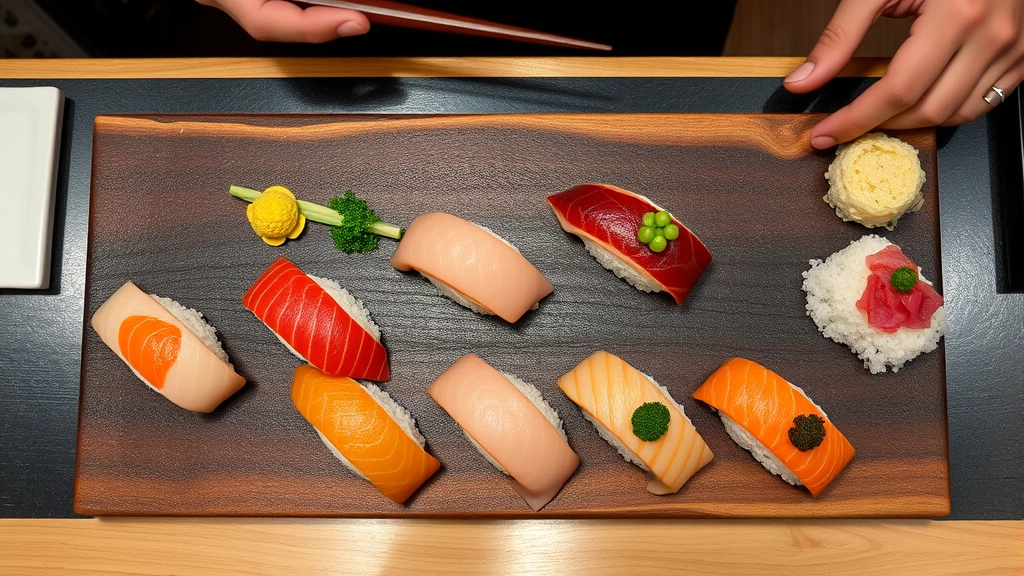
Authentic sushi dining is fundamentally about flavor development and palate progression. Each piece should build upon what came before, creating a cumulative experience rather than a series of isolated tastes. Tomo demonstrates sophisticated understanding of this principle throughout their omakase experience.
The meal begins with lighter, more delicate flavors—perhaps a pale, sweet scallop or a delicate white fish that whispers rather than shouts. The wasabi and soy sauce are present but restrained, allowing the fish’s natural sweetness to dominate. The sushi rice at this stage serves as a canvas, its subtle sweetness and vinegar creating a neutral foundation.
As the progression continues, the chef introduces slightly more assertive flavors. A fatty salmon might appear, its richness requiring a palate that has been properly prepared. The umami becomes more pronounced, with the interplay between the fish’s natural glutamates and the seasoned rice creating a deeper satisfaction. The wasabi at this stage might be slightly more generous, as the fish’s richness can accommodate greater heat.
The middle portion of the progression often features the most complex preparations. Cured fish, sauced preparations, or rolls with multiple components appear at this stage when the palate is fully awakened and capable of processing sophisticated flavor combinations. The chef’s understanding of timing ensures that these complex flavors don’t fatigue the palate but rather invigorate it.
The final offerings return to simpler preparations but with richer fish. The o-toro, with its almost buttery quality, represents the climax of the progression. Its richness is now welcomed rather than overwhelming, having been properly prepared for by everything that came before. The meal concludes with perhaps a simpler preparation or a palate-cleansing offering, leaving the diner satisfied rather than satiated.
Service Excellence and Hospitality
The quality of service at Tomo reflects the same attention to detail evident in their culinary preparations. Staff members understand that at a sushi counter, service is not about efficiency but about creating the conditions for optimal enjoyment of the meal. The pacing between courses is thoughtful—never rushed, never so slow that anticipation becomes frustration.
The servers demonstrate genuine knowledge of the menu and the chef’s philosophy. Questions about ingredients, preparation methods, or flavor profiles are answered with specificity rather than vague generalities. The staff understands that educated diners appreciate accurate information and that transparency about sourcing and technique builds trust.
Temperature management demonstrates particular expertise. Each nigiri arrives at the precise moment when the rice temperature is optimal. Rolls are served immediately after assembly, ensuring that textures remain distinct. Warm preparations are genuinely hot; cold preparations are properly chilled. This attention to thermal detail might seem minor but significantly impacts the eating experience.
The relationship between the head chef and the counter diners deserves recognition. Rather than maintaining distant professionalism, the chef engages with diners, explaining preparations, responding to preferences, and adjusting the progression based on individual reactions. This interaction transforms the meal from a transaction into a genuine dining experience where both chef and diner are fully present.
Pricing and Value Proposition
Tomo’s pricing reflects the quality of ingredients and the expertise required to prepare them. An omakase experience typically ranges from mid to high price points, depending on the fish selection and progression length. For diners accustomed to restaurants with private room experiences or seeking restaurants open on thanksgiving, the value becomes immediately apparent when comparing ingredient quality and technical execution to competitors.
The pricing transparency is commendable. Rather than hiding costs in vague menu descriptions, Tomo clearly indicates which preparations command premium pricing due to rare or seasonal fish. This honesty allows diners to make informed decisions about their experience level and budget.
For those seeking restaurants near me with outdoor seating, Tomo’s counter-seating arrangement offers a different value proposition—the opportunity to observe culinary artistry firsthand, which many would consider worth the premium pricing alone.
When evaluating value, consider the cumulative experience: superior fish quality, expertly prepared rice, thoughtful progression, attentive service, and the privilege of watching a master craftsperson at work. These elements collectively justify the investment for anyone seeking authentic sushi experiences.
FAQ
What makes Tomo’s sushi authentically Japanese rather than Western-style?
Tomo prioritizes ingredient quality, traditional preparation techniques, and thoughtful progression over novelty and complexity. Their sourcing focuses on fish quality rather than volume, their rice preparation follows classical methods, and their menu respects Japanese sushi traditions while allowing room for seasonal creativity.
Is Tomo suitable for sushi beginners?
Yes, though the omakase experience works best for diners with some familiarity with raw fish and sushi concepts. The staff is excellent at guiding newcomers through the progression and explaining preparations, but those completely new to sushi might benefit from starting with some cooked preparations to build comfort with raw fish.
How does Tomo source its fish?
Tomo works directly with specialized fishmongers rather than large distributors, maintaining relationships with suppliers who understand sushi-grade requirements and handle fish with appropriate care. This direct sourcing allows for quality control and seasonal optimization.
What is the typical cost of an omakase experience at Tomo?
Omakase pricing varies based on fish selection and progression length, typically ranging from moderate to high price points. The restaurant offers pricing transparency, clearly indicating which selections command premium pricing due to rarity or seasonality.
Can I order specific pieces rather than omakase?
While omakase represents the chef’s recommended progression, Tomo accommodates à la carte ordering for diners with specific preferences or dietary restrictions. However, the omakase experience best showcases the chef’s philosophy and expertise.
How far in advance should I book a reservation?
Tomo typically requires reservations, particularly for counter seating. Booking at least one to two weeks in advance is recommended for weekend dining, though they may accommodate walk-ins during slower periods.
Does Tomo offer vegetarian sushi options?
Yes, their vegetable-forward rolls and vegetarian nigiri options demonstrate the same attention to quality and technique as their fish preparations. Advance notice of dietary preferences allows the chef to prepare a thoughtful vegetarian progression.


