24-Hour Diners? Local Foodie’s Top Picks
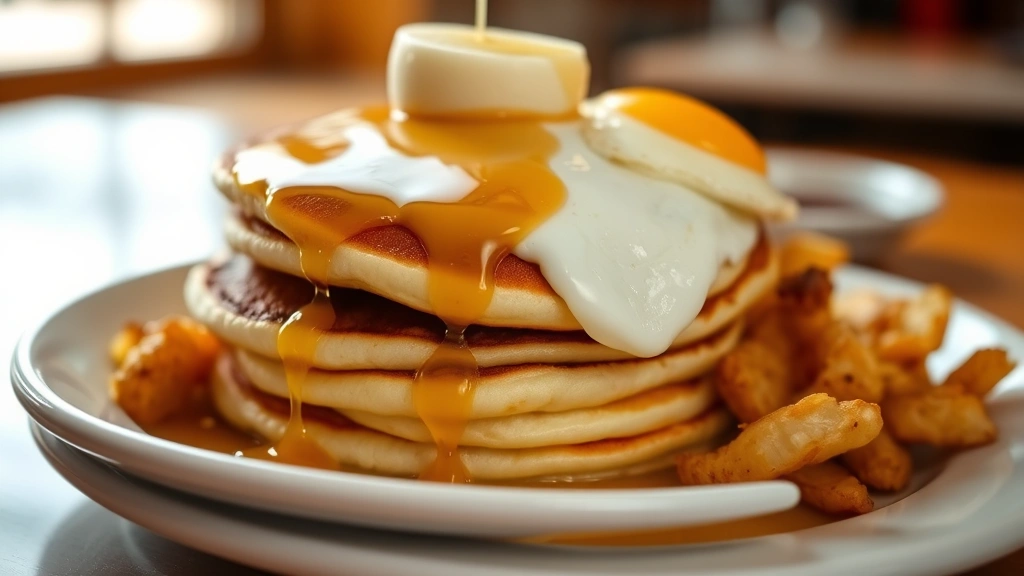
There’s something undeniably magical about the fluorescent-lit sanctuaries that never sleep. Twenty-four-hour diners represent more than mere convenience; they embody a culinary philosophy that celebrates accessibility, comfort, and the democratic spirit of food. Whether you’re craving a 3 AM omelet, a midnight stack of pancakes drenched in maple syrup, or a post-midnight burger that hits differently when the world is quiet, these establishments deliver experiences that transcend typical dining hours.
As a dedicated food explorer, I’ve spent countless nights (and early mornings) traversing the landscape of round-the-clock dining establishments. What I’ve discovered is that the best 24-hour diners aren’t just about staying open late—they’re about maintaining quality, consistency, and genuine hospitality at every hour. The kitchen crews working the graveyard shift possess a unique pride in their craft, understanding that the 2 AM customer deserves the same excellence as the noon regular.
This comprehensive guide showcases my personal favorite locally owned restaurants that operate around the clock, along with insider knowledge about what makes each one special and what you absolutely must order.
Why 24-Hour Diners Deserve Your Attention
The 24-hour diner represents a unique intersection of accessibility and culinary tradition. Unlike fine dining establishments that operate within prescribed hours, these temples of comfort food welcome everyone—the night-shift nurse, the college student finishing a paper at dawn, the insomniac seeking solace, the midnight adventurer. This democratic nature creates an environment where food becomes secondary to the human experience, yet paradoxically, it’s often where you’ll find some of the most satisfying meals.
What distinguishes exceptional 24-hour diners from mediocre ones is their commitment to quality ingredients and technique regardless of the hour. The best establishments source fresh produce daily, maintain properly calibrated cooking equipment, and ensure their kitchen staff—particularly those working overnight shifts—possess genuine skill and passion. Many of these diners have been family-operated for decades, with recipes passed down through generations and a reputation built on consistency.
The sensory experience of diner dining extends beyond taste. There’s the distinctive aroma of hash browns hitting the griddle, the rhythmic percussion of utensils against ceramic plates, the ambient hum of the always-running kitchen, and the visual theater of watching skilled line cooks orchestrate the controlled chaos of their domain. These elements combine to create a complete gastronomic experience that transcends the simple act of eating.
The Essential Comfort Foods to Order
When visiting 24-hour diners, understanding the hierarchy of menu items is crucial. The true test of any diner’s quality lies not in elaborate preparations but in their execution of foundational comfort foods. The pancakes should be fluffy yet substantial, with edges that achieve a subtle crispness when they kiss the griddle. The eggs should be cooked to your exact specification, with yolks that either break into silky rivers or maintain their sunny integrity, depending on preference.
Breakfast foods represent the diner’s core competency, available at any hour. A properly executed Western omelet—filled with diced ham, peppers, and onions—should showcase each ingredient distinctly while maintaining a tender, barely-set exterior. The hash browns are equally critical; they should be shredded and pressed onto the griddle until they achieve golden-brown exteriors with crispy edges, yet remain creamy within. Many exceptional diners add their own subtle touches: some incorporate caramelized onions, others include roasted garlic or fresh herbs.
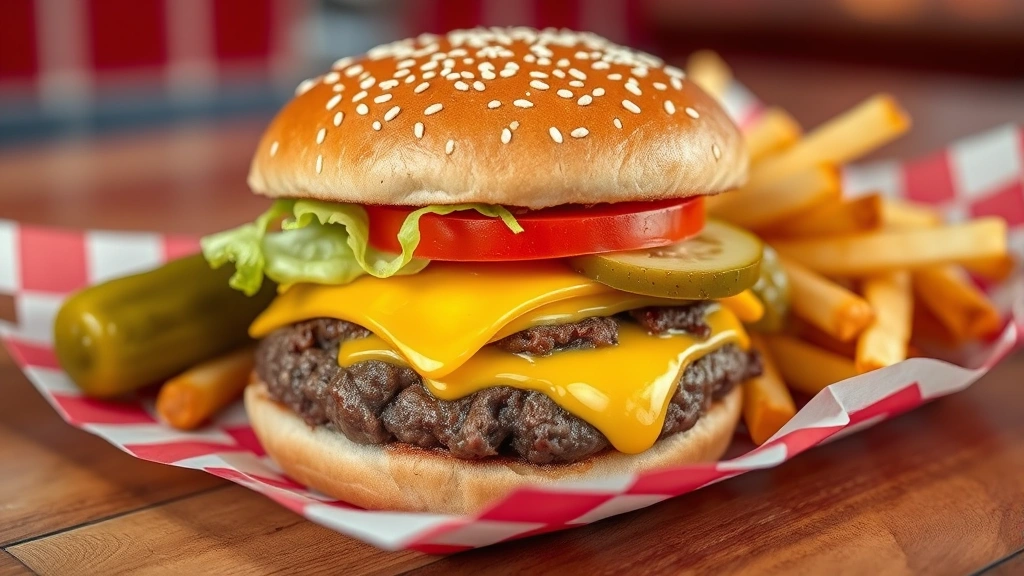
Beyond breakfast, the burger represents the diner’s secondary proving ground. A quality diner burger isn’t trying to be haute cuisine; it’s simply an exceptionally well-executed version of the classic. The beef should be fresh (never frozen), ground fresh daily, and handled minimally to avoid compacting the meat. The bun should be toasted just enough to provide textural contrast without overwhelming the patty. Toppings should be fresh and abundant: crisp lettuce, ripe tomatoes, pickles with actual crunch, and cheese that melts into the warm beef.
Meatloaf, pot roast, and other classic comfort preparations showcase the diner’s slow-cooking capabilities. These dishes benefit from patient braising, quality cuts of meat, and vegetable sides that have simmered in the cooking liquid, absorbing deep, savory flavors. The gravy served alongside should be rich with meat essence, thickened to proper consistency, and seasoned with restraint that allows the fundamental flavors to shine.
Don’t overlook the humble grilled cheese sandwich, often underestimated but revealing tremendous skill in execution. The bread should be buttered and toasted to golden perfection, with enough heat to crisp the exterior while the interior remains soft enough to provide contrast. The cheese—typically American, cheddar, or Swiss—should melt into creamy homogeneity, and many superior diners add thin slices of tomato or ham to elevate the experience.
Regional Variations in All-Night Dining
The 24-hour diner landscape varies significantly across North America, reflecting regional food traditions and cultural preferences. In the Northeast, particularly around New York and New Jersey, diners maintain a distinctive aesthetic and menu philosophy emphasizing generous portions and quick service. These establishments often feature extensive menus with dozens of egg preparations, specialty sandwiches, and creative daily specials that showcase the kitchen’s versatility.
The Southwest brings its own character to all-night dining, with many 24-hour establishments incorporating regional ingredients like green chiles, chorizo, and flour tortillas. A breakfast burrito in Arizona or New Mexico differs fundamentally from its East Coast counterpart, featuring roasted chiles, crispy potatoes, and chorizo that imparts its distinctive spiced heat. These regional variations reflect the culinary heritage of their communities and offer adventurous diners opportunities to explore authentic local flavors.
West Coast diners often emphasize fresh, seasonal ingredients and lighter preparations compared to their Eastern counterparts. You’ll find avocado on breakfast sandwiches, fresh fruit accompaniments, and an overall aesthetic that feels more contemporary while maintaining classic diner comfort. The California influence brings farm-to-table sensibilities even to casual, round-the-clock establishments.
Midwest diners prioritize substantial portions and meat-forward preparations, with pies—both savory meat pies and sweet desserts—holding particular importance. The tradition of stopping at a diner for a slice of homemade pie has deep roots in this region, and many establishments still bake their pies fresh daily, with recipes dating back generations.
Consider exploring family friendly restaurants in your region that operate extended hours, as many maintain the diner tradition while offering additional amenities and menu options.
Hidden Gems Worth Discovering
The most exceptional 24-hour dining experiences often hide in plain sight, unadorned by marketing or flashy presentations. These establishments succeed through word-of-mouth reputation among locals who understand that consistency and quality transcend trend cycles. The best way to discover these gems is through conversations with longtime residents, particularly those who work night shifts or maintain unconventional schedules.
Look for diners that display multiple decades of operation on their signage, indicating they’ve survived economic fluctuations and changing consumer preferences. These survivors typically possess something special—whether it’s a legendary recipe, exceptional staff retention, or an owner genuinely invested in maintaining standards. Family-owned establishments particularly tend to maintain higher quality standards than corporate chains, as reputation directly impacts their livelihood.
Pay attention to the details that reveal dedication to craft: handwritten daily specials, homemade pies displayed in full-height cases, and kitchen windows where you can observe the cooking process. These visual cues indicate an establishment where the owners take pride in their work and understand that diners appreciate transparency and authenticity.
The best-kept secrets often reveal themselves through minor imperfections—slightly worn vinyl booths that have been reupholstered multiple times, vintage signage that’s been maintained rather than replaced, and menu covers that show genuine age. These aren’t signs of decline but rather badges of longevity and community trust.
Timing Your Visit for Maximum Flavor
Strategic timing significantly impacts your 24-hour diner experience. The breakfast rush (6-9 AM) showcases the kitchen at peak efficiency; the griddle is warm, ingredients are at their freshest, and the entire operation moves with practiced precision. If you’re seeking the optimal pancake or omelet, arriving during these hours virtually guarantees superior results.
The mid-shift (10 AM-4 PM) offers a quieter experience where kitchen staff can provide more individual attention to each plate. If you’re ordering something requiring particular specification or preparation, this window often yields the best results. The lunch crowd brings different menu items to prominence, and many diners feature exceptional lunch specials featuring items that wouldn’t appear during breakfast service.
The dinner shift (5-9 PM) introduces entirely different menu categories for many diners. Meatloaf, pot roast, fried chicken, and other slow-cooked preparations reach their peak during evening hours. The kitchen has had time to develop these dishes throughout the day, allowing flavors to deepen and meld. Additionally, dinner specials often feature items that showcase the kitchen’s full capabilities beyond breakfast basics.
The graveyard shift (10 PM-5 AM) presents a fascinating study in diner culture. The clientele shifts dramatically, and the atmosphere transforms into something more intimate and philosophical. While some kitchen staff may be less experienced during these hours, many exceptional diners specifically staff their overnight shifts with senior cooks who understand the unique demands. The midnight burger or 3 AM omelet becomes almost a spiritual experience—comfort food in its purest form.
Weekday versus weekend visits yield different experiences. Weekday nights bring the regular late-shift workers and insomniacs, creating a familiar, almost familial atmosphere. Weekend nights introduce tourists and younger crowds seeking the authentic diner experience. If you’re seeking genuine local culture, weekday visits offer more authentic interactions.
The Art of Diner Coffee Culture
Coffee deserves special consideration in any comprehensive diner analysis. The best 24-hour diners maintain coffee service that rivals dedicated coffee establishments, understanding that their customers often consume multiple cups throughout their visit. Quality diner coffee should be fresh, properly extracted, and maintained at ideal serving temperature without becoming bitter.
Listen to the coffee service as a quality indicator. The best diners feature staff who proactively refill cups, maintaining a consistent level throughout your meal. The coffee itself should taste clean and straightforward—not overly acidic or burnt, with subtle notes that suggest quality beans and proper brewing technique. Many exceptional diners have relationships with local roasters, rotating seasonal blends and maintaining standards that reflect genuine care.
The accompaniments matter equally: cream should be fresh and cold, sugar should be available in multiple forms (white sugar, brown sugar, and often honey), and alternatives like artificial sweeteners should be present but not pushed. The ritual of coffee service—the warmth of the cup in your hands, the aroma rising from the mug, the meditative act of sipping between bites of food—represents a fundamental aspect of the diner experience.
Some exceptional diners have developed signature coffee preparations, adding spices like cinnamon or cardamom, creating unique flavor profiles that become associated with their brand. These subtle innovations demonstrate how even simple items can be elevated through thoughtfulness and attention to detail.
For those interested in creating diner-quality breakfast experiences at home, explore our guide to homemade pizza dough recipe and easy homemade pasta sauce for understanding fundamental cooking techniques that apply across cuisines.
The Diner Dessert Experience
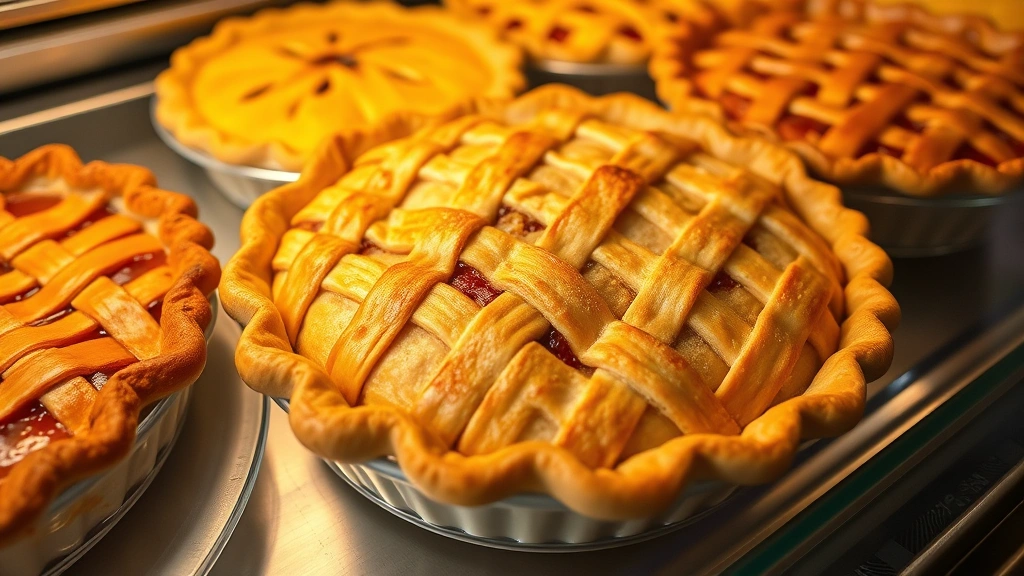
Desserts represent the final statement in a diner’s culinary philosophy. The best establishments feature homemade pies—fruit pies in summer featuring fresh, seasonal produce; cream pies year-round with silky, properly set fillings; and chocolate pies that showcase genuine cocoa depth. These pies should be made fresh daily or at minimum several times weekly, with crusts that achieve ideal crispness and flakiness through proper technique and quality butter.
Beyond pies, exceptional diners often feature homemade cakes, cobblers, and other baked goods. A slice of carrot cake should taste distinctly of carrots and spices, not merely sweet and dense. Coconut cream pie should feature actual coconut essence, not artificial flavoring. These details reveal whether a diner’s dessert program represents genuine commitment or merely menu padding.
The ice cream service deserves attention as well. Quality diners partner with premium ice cream suppliers or maintain their own ice cream production. A simple vanilla scoop paired with warm pie should taste extraordinary—the vanilla should be genuinely aromatic, the ice cream should possess proper texture and richness, and the contrast between warm and cold should create a sensory experience that justifies the final course.
Don’t overlook simple desserts like bread pudding, rice pudding, or custard-based preparations. These humble offerings showcase fundamental baking and cooking skills, revealing whether the kitchen understands foundational techniques or merely assembles pre-made components.
Building Your Personal Diner Directory
Developing a personal collection of favorite 24-hour diners requires systematic exploration and documentation. Keep notes on specific dishes, preparation quality, timing recommendations, and staff interactions. Over time, patterns emerge—particular diners excel at specific preparations, certain times yield superior results, and specific menu items showcase each establishment’s unique strengths.
Engage with staff and owners when possible. Many diners have been family-operated for decades, and the owners often work shifts themselves. A brief conversation about their sourcing practices, recipe origins, or operational philosophy provides insight into their commitment to quality. These interactions often yield recommendations for underappreciated menu items or optimal timing for specific dishes.
Consider the broader context of romantic restaurants near me when seeking varied dining experiences, as some upscale establishments maintain late-night menus or after-hours services that bridge the gap between formal dining and casual diner culture.
Document your experiences through photography, notes, and mental impressions. Over time, you’ll develop nuanced understanding of what makes certain diners exceptional and recognize patterns in quality indicators. This knowledge transforms casual dining into genuine food exploration, elevating the experience from simple sustenance to meaningful culinary engagement.
Explore complementary culinary skills like best roasted vegetable recipes to understand how vegetables are properly prepared and seasoned, knowledge that applies directly to evaluating vegetable sides and preparations at diner establishments.
FAQ
What should I look for when evaluating a 24-hour diner’s quality?
Focus on foundational items: eggs, pancakes, hash browns, and burgers. These basics reveal whether a diner maintains standards across all hours. Additionally, observe kitchen cleanliness, staff attentiveness, ingredient freshness, and whether items appear made-to-order rather than pre-prepared. Listen to how the kitchen operates—organized efficiency suggests quality control.
Are 24-hour diners more expensive than traditional restaurants?
Generally, no. 24-hour diners typically offer reasonable pricing reflecting their casual service model and straightforward menu. However, premium diners in urban areas or those featuring particularly high-quality ingredients may command higher prices. The value proposition remains strong—quality food, generous portions, and accessibility across all hours justifies the pricing structure.
What’s the best time to visit a 24-hour diner?
This depends on your priorities. For optimal food quality and kitchen efficiency, visit during breakfast hours (6-9 AM) or early dinner (5-6 PM). For authentic local culture and intimate atmosphere, visit during off-peak hours like 2-4 AM or late morning. Weekday visits generally offer more authentic interactions than weekend visits.
How can I find quality 24-hour diners in my area?
Ask locals, particularly those working night shifts or unconventional hours. Check Google Maps and Yelp, filtering by 24-hour operations and reading reviews that specifically mention food quality and consistency. Visit establishments that have been operating for multiple decades—longevity indicates genuine quality and community trust.
What menu items should I avoid at 24-hour diners?
Avoid items that appear on extensive menus but seem disconnected from the diner’s core competency. If a diner specializes in breakfast, their lunch items may receive less attention. Conversely, if an establishment is known for exceptional dinner service, their breakfast may not receive the same care. Stick with what each diner does best, identified through staff recommendations and observation of what other customers order.
Do 24-hour diners maintain consistent quality throughout all hours?
The best ones do, through careful staffing practices and quality control systems. However, some variation is inevitable. Overnight shifts may feature less experienced staff, or ingredient availability may shift throughout the day. Asking staff about optimal timing for specific items yields valuable information about realistic quality expectations.
What’s the proper etiquette for extended diner visits?
Occupy your booth for reasonable periods during off-peak hours, but be mindful during busy times. Tip appropriately—servers working overnight shifts often receive fewer customers and depend on gratuity. Treat staff respectfully; they’re providing service at hours when most people sleep. Engage in conversation if staff initiates, but respect their need to attend other customers.


