Venice’s Top Restaurants? Food Critic Picks
Venice, the enchanting lagoon city of Italy, stands as one of Europe’s most gastronomically sophisticated destinations. Beyond the iconic gondolas and Byzantine architecture lies a culinary scene where centuries-old Venetian traditions marry contemporary innovation, creating dining experiences that transcend mere sustenance. The city’s unique geography—built entirely on water—has shaped its food culture in profound ways, with seafood playing the starring role in nearly every kitchen from the grand canal to hidden neighborhood trattorias.
As a food critic who has spent considerable time navigating Venice’s winding waterways and intimate piazzas, I’ve discovered that the city’s best restaurants aren’t always the most famous or expensive. Instead, they’re establishments where chefs understand the profound connection between Venice’s lagoon bounty and the plates before you. Whether you’re seeking good Italian restaurants or specialized dining experiences, Venice delivers with remarkable consistency across price points and culinary philosophies.
This guide presents my carefully curated selections of Venice’s finest dining establishments, each chosen for its commitment to flavor excellence, ingredient quality, and the authentic expression of Venetian gastronomic heritage.
Michelin-Starred Excellence and Fine Dining
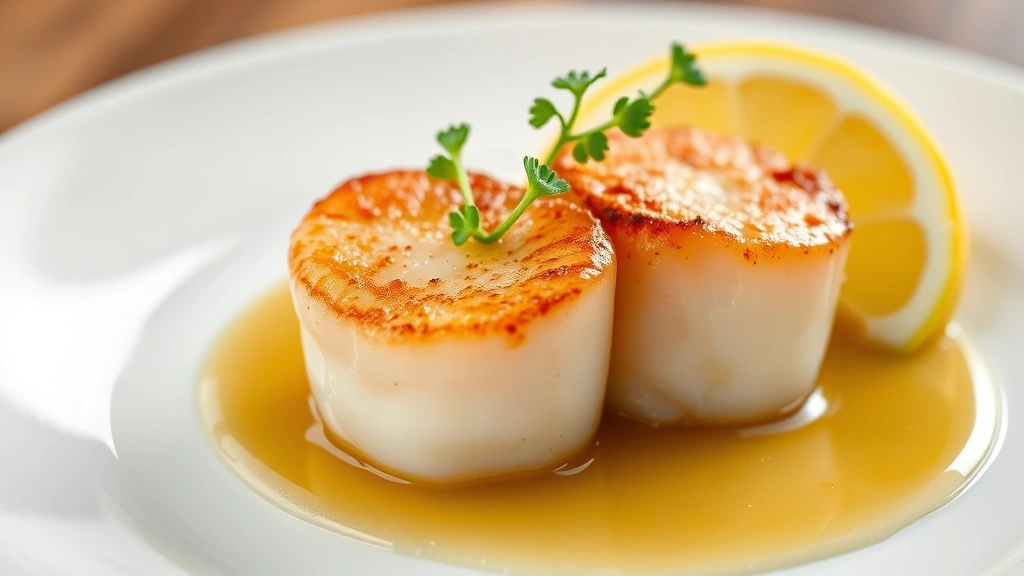
Venice’s fine dining scene represents some of Italy’s most refined culinary expression. At the apex of this pyramid sit restaurants where every element—from the selection of a single scallop to the precise temperature of a beurre blanc—receives meticulous attention. These establishments attract food enthusiasts from around the world, willing to invest significantly in the experience of tasting what master chefs can achieve when resources, skill, and vision align perfectly.
The city hosts several Michelin-starred establishments that have earned their accolades through relentless dedication to excellence. These aren’t restaurants that rest on historical reputation; rather, they constantly evolve their menus while respecting the foundational principles of Venetian cuisine. The chefs here typically source their fish and seafood directly from local fishermen, often handpicking their selections before dawn at the Rialto Market. This direct relationship with producers ensures that only the finest specimens make it to the table.
What distinguishes Venice’s fine dining from other European capitals is its refusal to abandon regional authenticity in pursuit of modernity. While molecular gastronomy and avant-garde techniques appear on some menus, they’re always deployed in service of Venetian flavors rather than as mere technical showmanship. A dish might employ spherification or precise sous-vide cooking, but its soul remains rooted in the lagoon.
The tasting menus at these establishments typically run seven to ten courses, each paired with carefully selected wines—often from Veneto’s exceptional wine regions. The progression moves thoughtfully from lighter, more delicate preparations through richer, more complex compositions, with palate cleansers and strategic pauses ensuring that your sensory apparatus remains engaged throughout the evening.
Traditional Venetian Trattorias with Soul
While Michelin stars capture attention, Venice’s true culinary heart beats strongest in its traditional trattorias—casual establishments where recipes have been refined across generations and where the owner’s family likely sits at table six or seven on any given evening. These restaurants embody what Venetians call semplicità: the profound beauty of simplicity executed with absolute mastery.
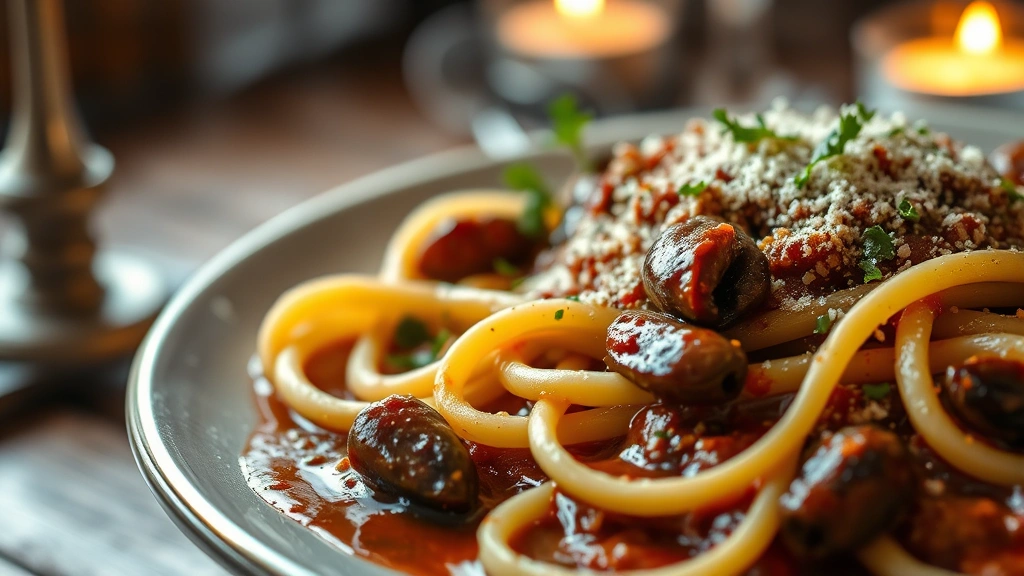
In these spaces, you’ll encounter dishes that might seem humble on description but reveal extraordinary depth upon tasting. A plate of fresh bigoli in salsa—thick, handmade pasta with a sauce of onions, anchovies, and sardines—becomes a meditation on umami and the perfect balance of salt and sweet. The pasta itself, made daily, carries a slightly rough texture that cradles the sauce in ways that industrially-produced pasta never could.
The steak and seafood restaurants in Venice’s traditional category focus almost exclusively on seafood, as beef has never been a Venetian staple. Instead, you’ll find branzino, turbot, John Dory, and sea bass prepared with techniques unchanged since the Renaissance. Grilling over open flames, poaching in white wine, or simply dressing with the finest olive oil and fresh lemon—these methods endure because they work.
What makes traditional Venetian trattorias exceptional is their respect for ingredient quality above all else. During peak season, when the lagoon’s bounty reaches its apex, the best trattorias might offer a menu of just eight to twelve dishes, each celebrating what the morning’s catch delivered. This seasonal flexibility means return visits reveal entirely different culinary experiences.
The wine selections at these establishments, while less extensive than fine dining venues, demonstrate remarkable knowledge. The proprietors typically favor natural and organic wines from small Veneto producers, beverages that pair beautifully with the food’s essential flavors. A crisp Vermentino or a light Pinot Grigio becomes not merely a beverage but an essential component of the dish itself.
Seafood Specialists and Lagoon Cuisine
Venice’s lagoon—that magnificent shallow body of water separating the city from the Adriatic—produces some of Europe’s finest seafood. The unique ecosystem, with its mixture of fresh and salt water, supports species found nowhere else on the continent. Venetian chefs who specialize in lagoon cuisine possess an almost encyclopedic knowledge of these creatures and the optimal methods for their preparation.
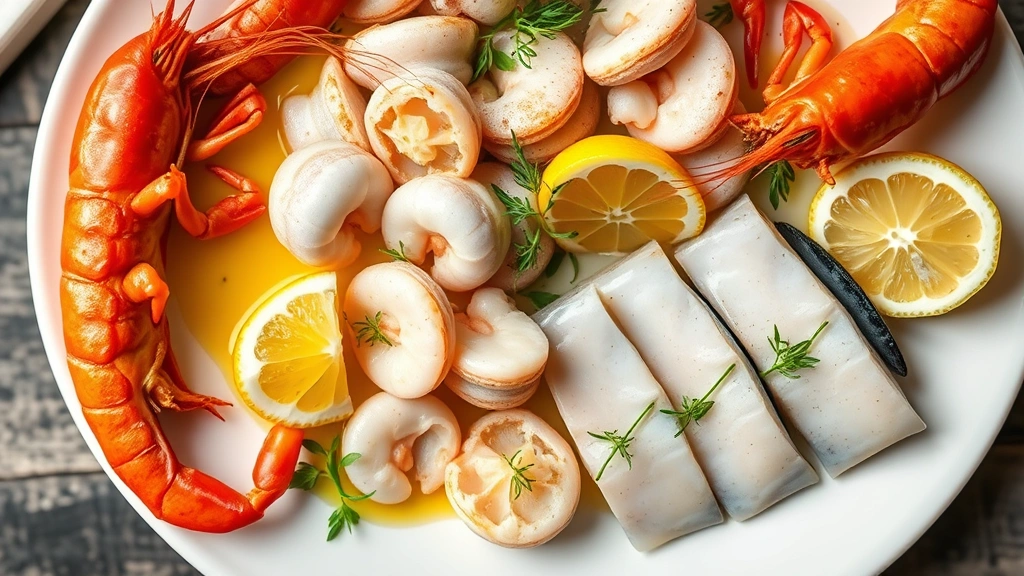
The most prized lagoon species include the moeche (soft-shell crabs that molt only during specific seasons), scallops of extraordinary sweetness, and tiny shrimp called scampi that require no cooking beyond a brief blanch in boiling water. The preparation of these ingredients demands restraint; the goal is to enhance rather than mask their natural flavors.
One remarkable aspect of Venice’s seafood restaurants involves their relationship with the lagoon itself. Many establishments maintain direct relationships with specific fishermen, sometimes even funding fishing expeditions for particular species. This partnership ensures freshness measured in hours rather than days and gives chefs confidence in the sustainability and quality of their ingredients.
The technique of preparing crudi—raw seafood preparations—reaches sublime heights in Venice. Unlike sushi or ceviche, Venetian crudi typically involves the slimmest possible shaving of the finest fish, dressed with nothing more than excellent olive oil, fresh lemon juice, and perhaps a whisper of sea salt. The textural and flavor experience demands absolute ingredient perfection; there’s nowhere for inferior fish to hide.
Seasonal variation in lagoon cuisine proves particularly dramatic. Winter brings the prized moeche and substantial fish suitable for hearty preparations. Spring introduces the season’s first tender vegetables and lighter fish. Summer offers abundance across the board. Autumn brings the richest, most flavorful specimens as creatures prepare for winter.
Hidden Gems and Local Favorites
Venice’s most rewarding dining experiences often occur in establishments that tourists never discover. These restaurants, frequented primarily by Venetians themselves, operate with a different philosophy than their more famous counterparts. They need not maintain elaborate marketing; their reputation sustains them through word-of-mouth among locals who value consistency, authenticity, and fair pricing.
Finding these establishments requires either local knowledge or significant exploration. They typically occupy narrow storefronts on quiet calli (narrow streets), often with minimal signage. The dining rooms tend toward modest decoration—perhaps a few fishing nets on the walls or photographs of the proprietor’s family spanning decades. The tables might be simple wood with paper tablecloths, yet the food emerging from the kitchen rivals that of far more prestigious establishments.
These hidden gems often feature restaurants with outdoor drinking areas, though in Venice this typically means a few tables on a small campo (square) where you can observe neighborhood life while enjoying your meal. The atmosphere differs dramatically from the grand canal establishments; you’re dining among locals, children playing in the square, and the authentic rhythm of Venetian daily life.
The menus at these establishments change frequently, sometimes daily, based entirely on what’s available. This approach requires trust from diners—you’re essentially placing your palate in the chef’s hands. Yet this surrender to the cook’s judgment often yields the most memorable meals, as chefs working without predetermined menus cook with particular passion and creativity.
Price points at these restaurants typically represent extraordinary value. You might enjoy a three-course meal with wine for what you’d pay for a single course at a Michelin-starred establishment. This isn’t because the food is inferior; rather, the overhead is lower, and the proprietors prioritize feeding their community over maximizing profits.
Dining with Views and Atmosphere
While Venice’s best restaurants focus primarily on the food, the city’s unique setting means that atmosphere and views form an inseparable part of the dining experience. Several establishments successfully balance exceptional cuisine with remarkable vistas, creating multisensory experiences that engage all dimensions of gastronomy.
Dining along the Grand Canal offers an undeniable romance. Watching gondolas pass, observing the interplay of light on water, and enjoying the city’s architectural majesty while eating superb food creates an emotional context that enhances flavor perception. The brain’s flavor experience involves far more than taste receptors; visual beauty, ambient sounds, and emotional resonance all contribute to how we interpret taste.
For birthday restaurants or special occasion dining, establishments with private terraces overlooking the lagoon provide unforgettable settings. The intimate combination of excellent food, architectural beauty, and personal significance creates memories that persist long after the meal concludes.
Several restaurants offer rooftop dining, providing perspectives of Venice unavailable to most visitors. These elevated spaces, often with views extending toward the Dolomites on clear days, provide a sense of escape from the crowded streets below while maintaining connection to the city’s magic. The quality of light during golden hour—that period shortly before sunset—transforms these spaces into something approaching the transcendent.
The experience of dining at a restaurant with private room capabilities allows for intimate gatherings with personalized service and attention. In Venice, several establishments offer private dining in historic palazzo rooms, creating an atmosphere of Venetian nobility and grandeur while enjoying contemporary cuisine.
Practical Dining Guide for Venice
Successfully navigating Venice’s restaurant scene requires understanding local customs and practical considerations unique to the city. Unlike most European capitals, Venice presents logistical challenges that affect dining experiences.
Timing and Reservations: Venetian restaurants typically serve dinner from 7 PM to 11 PM, with lunch from noon to 2:30 PM. Reservations are essential at any establishment of quality; walk-ins often face refusals or substantial waits. Book at least one week in advance for popular restaurants, longer during peak season (April through October). Many restaurants close one or two days weekly, typically Monday or Tuesday.
Location Strategy: Avoid restaurants immediately surrounding major tourist attractions. The worst dining in Venice clusters around San Marco and the Rialto Bridge. Instead, venture into residential neighborhoods like Cannaregio or Dorsoduro, where locals eat and quality standards remain high.
Menu Navigation: The classic Venetian menu follows a specific structure: antipasti (appetizers), primi (pasta or risotto), secondi (main protein), contorni (vegetables), and dolci (desserts). Many restaurants offer prix fixe menus or tasting menus, which provide better value and allow chefs to showcase their skills. Don’t feel obligated to order all courses; a primo and secondo represents a substantial meal.
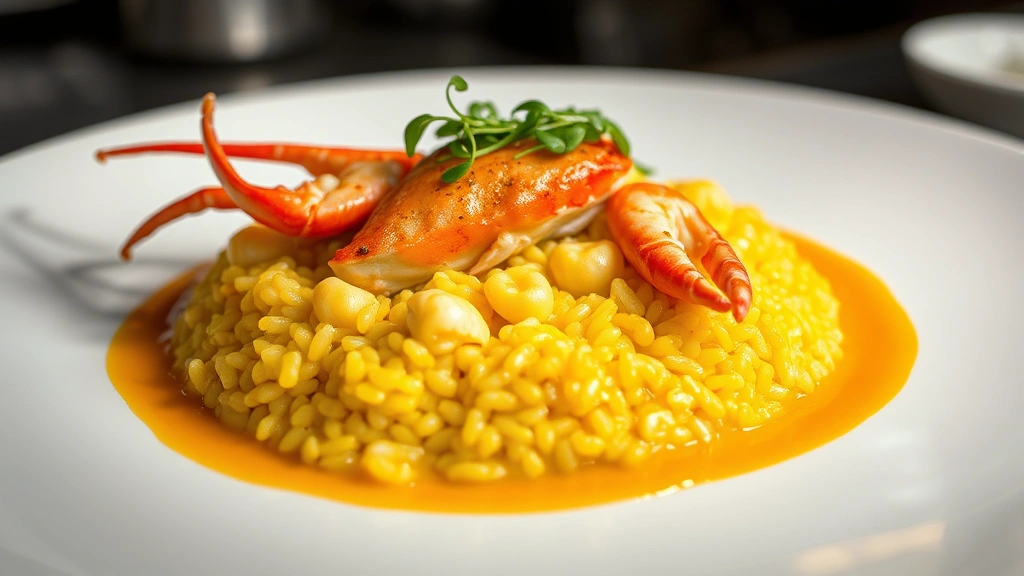
Ingredient Awareness: Familiarize yourself with Venetian specialties to make informed ordering decisions. Beyond the lagoon species mentioned previously, look for risotto with seafood or mushrooms, pasta with sardines or cuttlefish ink, and traditional Venetian desserts like zabaglione and pandoro. Many restaurants offer these classics alongside contemporary interpretations.
Price Expectations: Fine dining establishments cost €80-150+ per person without wine. Traditional trattorias range from €25-50 per person. The relationship between price and quality isn’t always linear; some moderately priced restaurants offer superior food to more expensive alternatives. Budget €20-40 for wine pairings at casual restaurants, €60-120 at fine dining establishments.
Water Taxis and Transportation: Venice’s unique geography means you’ll likely arrive at restaurants by foot or water taxi. Allow extra time for navigation; getting lost in Venice’s maze of streets is nearly inevitable and should be factored into your schedule. Water taxis cost significantly more than vaporettos (public boats) but offer direct transportation.
Dietary Accommodations: Inform restaurants of dietary restrictions when booking. While Venice excels with seafood and Italian cuisine, vegetarian and vegan options require advance notice at some establishments. Gluten-free dining is increasingly available, though options may be limited at very traditional trattorias.
Beverage Pairings: Beyond wine, consider local beverages. Venetian aperitivos like Spritz (Prosecco, Aperol, and soda) offer refreshing starts to meals. After-dinner digestifs such as grappa or Amaretto provide traditional conclusions. The local Prosecco from nearby Valdobbiadene offers excellent value and pairs beautifully with seafood.
FAQ
What’s the best time to visit Venice for dining?
Spring (April-May) and fall (September-October) offer ideal conditions: pleasant weather, fewer crowds than summer, and excellent seasonal ingredients. Winter (November-March) brings fewer tourists and more authentic local dining experiences, though some restaurants close seasonally. Avoid August, when many Venetians leave and restaurants cater primarily to tourists.
Should I eat at restaurants near San Marco?
Generally, no. The area immediately surrounding San Marco attracts primarily tourists and prices far exceed quality standards. Venture into neighborhoods like Cannaregio, Castello, or Dorsoduro for significantly better value and authentic cuisine. The short walk is invariably worthwhile.
What’s the difference between a trattoria and a ristorante?
Ristorantes typically offer more formal service, extensive wine lists, and higher prices. Trattorias provide casual atmospheres, simpler menus, and lower costs. Both can offer exceptional food; the distinction primarily involves formality and presentation rather than ingredient quality or culinary skill.
Is it necessary to eat multiple courses?
No. While the traditional structure involves several courses, many restaurants accommodate diners ordering just a primo or secondo with contorni. However, tasting menus at fine dining establishments provide better value than à la carte ordering and showcase the chef’s full vision.
How do I find restaurants not listed in guidebooks?
Ask your hotel staff, particularly those working the front desk rather than concierge (who often receive commissions). Explore residential neighborhoods on foot and observe where locals dine. Use local language resources and Italian food blogs. Arrive early in the evening when restaurant staff aren’t busy and ask for recommendations.
What seafood should I prioritize trying in Venice?
Moeche (soft-shell crabs) during their limited season (May and October-November) represent a must-try specialty. Scallops, John Dory, branzino, and lagoon shrimp all showcase the region’s seafood excellence. Cuttlefish (seppia) prepared in its own ink offers a quintessential Venetian experience.
Are there quality vegetarian restaurants in Venice?
Venice’s cuisine centers on seafood and meat, making vegetarian dining challenging. However, most restaurants offer vegetable-based antipasti, risottos with vegetables, and pasta with tomato or cream sauces. Advance notice allows chefs to prepare special vegetarian menus. Dedicated vegetarian restaurants exist but are limited in number.