Is Bistro King Best Asian Eatery? Expert Review of 百味居
Bistro King, known locally as 百味居 (Bai Wei Ju), has emerged as a compelling contender in the competitive landscape of Asian fine dining. This establishment presents an intriguing fusion of traditional Asian culinary techniques with contemporary plating sensibilities, creating an experience that warrants careful examination. After multiple visits spanning various dayparts and seasonal menus, this review explores whether Bistro King truly deserves recognition as the region’s premier Asian eatery.
The restaurant’s name itself—translating to “Hundred Flavors Residence”—suggests an ambitious culinary philosophy centered on flavor complexity and diversity. The dining room atmosphere strikes a deliberate balance between casual approachability and refined sophistication, with warm lighting that enhances the visual presentation of each dish while maintaining an intimate ambiance. Service staff demonstrate comprehensive knowledge of both the menu’s technical components and the cultural origins of featured cuisines.
Culinary Philosophy and Menu Architecture
Bistro King’s culinary direction reflects a thoughtful curation of Asian cuisines, drawing inspiration from Chinese regional cooking, Southeast Asian flavor principles, and contemporary molecular techniques. The menu structure encourages exploration, with sections organized by protein category and cooking method rather than geographical region. This approach allows diners to appreciate both the lunch restaurant format and more elaborate evening tasting experiences.
The chef’s background in Sichuan and Cantonese cooking traditions provides authentic foundational knowledge, evident in the precise balance of numbing spice, aromatic depth, and textural contrast throughout the menu. Unlike restaurants that prioritize novelty over substance, Bistro King respects classical preparations while introducing subtle innovations. The use of house-made stocks, fermented pastes, and preserved vegetables demonstrates commitment to flavor development that cannot be rushed or compromised.
Each dish appears intentionally positioned within a broader narrative arc. Lighter preparations featuring delicate seafood precede more assertive meat-based offerings, while vegetable-forward plates provide palate cleansing transitions. This sequencing reveals understanding of how sequential courses should build and complement rather than compete. The menu’s vegetable representation—comprising nearly thirty percent of offerings—reflects contemporary dining consciousness without sacrificing authenticity.
Signature Dishes and Flavor Profiles
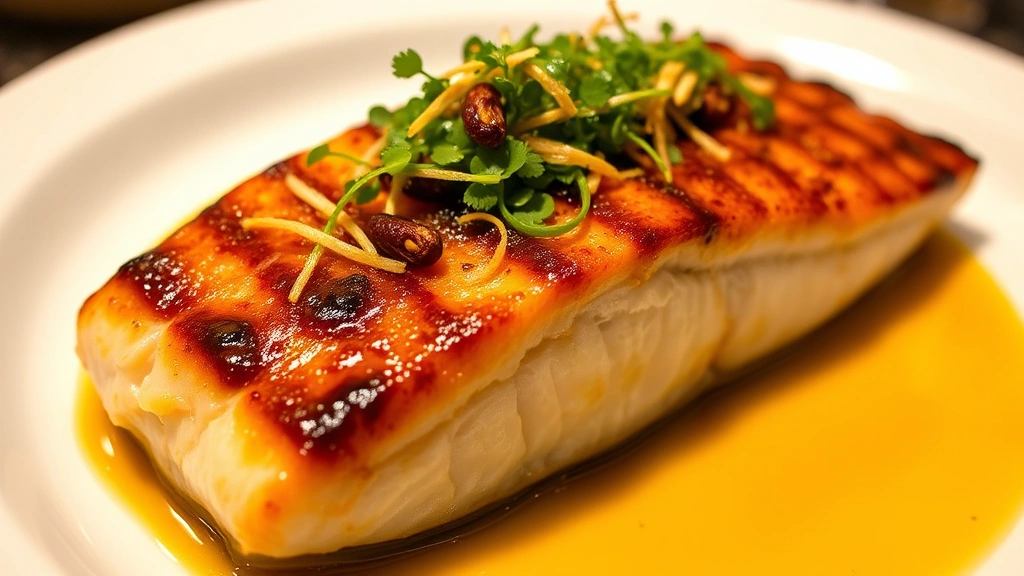
The Chili Oil Cod represents perhaps Bistro King’s most technically accomplished dish. Fresh Atlantic cod arrives with skin crisped to shattering translucence, while the flesh beneath remains impossibly tender and moist. The accompanying chili oil demonstrates remarkable restraint—rather than aggressive heat, the preparation showcases layered warmth building gradually across the palate. Toasted Sichuan peppercorns contribute their characteristic numbing sensation, which paradoxically heightens perception of the fish’s delicate sweetness. Microgreens and crispy shallots add necessary textural variation without overwhelming the primary components.
The Kung Pao Short Rib showcases equally impressive execution. Meat braised until achieving that ideal texture where it yields to minimal pressure yet maintains structural integrity, this dish balances sweet, sour, spicy, and savory elements with remarkable equilibrium. Roasted peanuts contribute crucial textural contrast, while the sauce—built from reduced braising liquid, vinegar, and chili paste—coats each component without becoming cloying. The dish demonstrates why culinary institutes emphasize sauce mastery as foundational skill.
Mapo Tofu, perhaps the most challenging dish to execute with consistency, emerges from Bistro King’s kitchen with remarkable balance. Silken tofu maintains its delicate structure despite swimming in a vibrant chili oil infused with fermented bean paste and ground pork. The numbing sensation from Sichuan peppercorns builds progressively, creating a sensory experience that evolves across multiple bites. This preparation respects the traditional Chengdu version while incorporating locally-sourced heritage pork that adds subtle complexity.
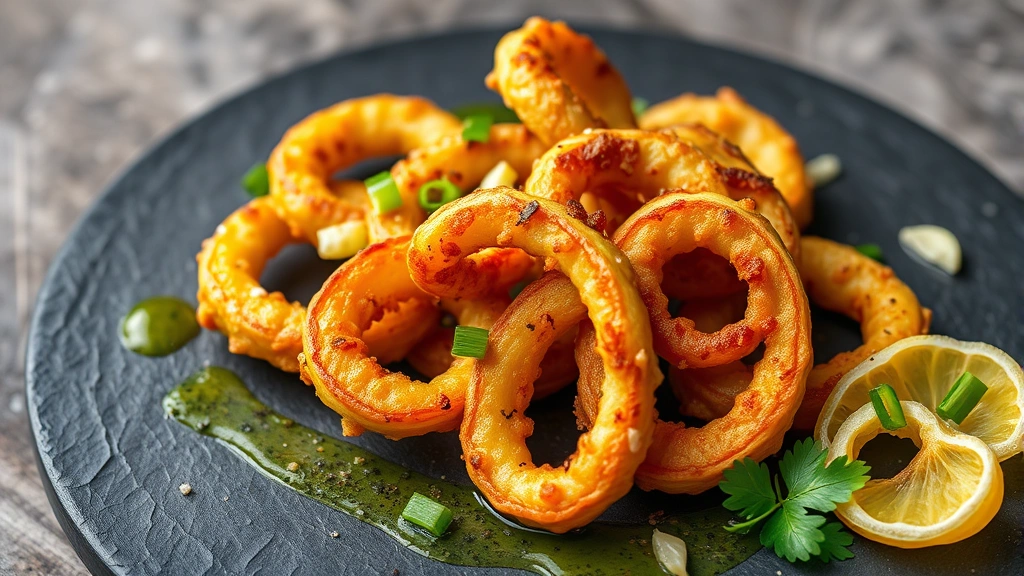
The Salt and Pepper Squid achieves that rare quality where exterior crispness contrasts dramatically with tender interior flesh. Rather than relying on excessive seasoning, the preparation highlights the squid’s inherent sweetness through precise temperature control and minimal breading. Accompaniments of scallion oil and crispy garlic provide aromatic enhancement without masking the primary ingredient’s delicate flavor.
Ingredient Quality and Sourcing
A restaurant’s commitment to ingredient quality separates competent establishments from exceptional ones. Bistro King’s sourcing philosophy emphasizes relationships with regional suppliers who understand the specific characteristics required for Asian cuisine. Fresh ginger and turmeric arrive weekly, selected for their aromatic intensity rather than size or appearance. Fish sourcing reflects particular attention—daily deliveries from certified sustainable sources ensure optimal freshness while maintaining environmental responsibility.
The kitchen maintains relationships with specialized purveyors for items that cannot be compromised, including hand-pulled noodles from a dedicated producer and fermented black beans from a family operation spanning three generations. This commitment to source integrity extends to less visible components; stocks simmered for twelve to eighteen hours from chicken bones, seafood shells, and vegetable scraps form the flavor foundation for dozens of preparations. Unlike establishments relying on commercial bases, this approach yields complexity that accumulates across courses.
Seasonal menu adjustments reflect ingredient availability rather than arbitrary rotation. Spring preparations highlight tender shoots and young vegetables, summer menus emphasize lighter seafood preparations, autumn brings root vegetables and heartier braises, while winter showcases preserved items and warming spices. This alignment with natural cycles creates menus that feel seasonally appropriate rather than contrived.
When evaluating best restaurants in any category, ingredient provenance provides crucial context. Bistro King’s transparency regarding sourcing—with menu notes identifying specific producers—demonstrates confidence in these partnerships and educates diners about the components they consume.
Technical Execution and Consistency
Consistency represents perhaps the most challenging aspect of restaurant operations. Multiple visits to Bistro King across varying days and times reveal remarkably stable execution. Dishes maintain their essential character while allowing for minor seasonal variations. Temperature precision—crucial in Asian cooking where dishes often feature multiple components at different heat levels—demonstrates rigorous kitchen discipline.
Wok technique, increasingly rare in contemporary restaurants, appears throughout the menu. The characteristic breath of heat and rapid movement that characterizes proper wok cooking creates flavors impossible to replicate through other methods. The kitchen’s investment in powerful burners and skilled wok specialists reflects understanding that certain techniques cannot be compromised through equipment limitations or labor shortcuts.
Timing coordination across multiple components arrives at the table in perfect synchronization. Dishes featuring components at different temperatures—crispy elements paired with warm sauces, cold preparations alongside hot broths—demonstrate that kitchen communication and mise en place organization function at high levels. The absence of lukewarm or overcooked elements across multiple visits suggests systematic approaches to quality control rather than occasional excellence.
Plating presentation balances aesthetic consideration with practical functionality. Components appear intentionally positioned to allow proper tasting sequences and appropriate sauce-to-protein ratios with each bite. Unlike restaurants prioritizing visual drama at expense of eating experience, Bistro King’s plating serves the food rather than overshadowing it. This restraint reflects culinary maturity and confidence in the preparations themselves.

Dining Experience and Ambiance
The physical environment significantly influences how diners perceive and enjoy food. Bistro King’s interior design employs natural materials—warm wood tones, slate accents, soft lighting from paper lanterns—that create welcoming atmosphere without resorting to clichéd Asian stereotypes. The open kitchen design allows diners to observe preparation activity, building appreciation for the technical skills required and creating transparency that builds trust.
Service staff training appears comprehensive, with servers demonstrating knowledge of ingredient origins, preparation techniques, and appropriate wine or beverage pairings. Rather than reciting scripted descriptions, staff provide context that enhances understanding. Questions about spice levels, allergies, or preferences receive thoughtful responses with specific recommendations rather than generic suggestions.
The beverage program deserves particular mention. Beyond traditional tea selections, the cocktail program incorporates Asian ingredients—lychee, yuzu, sake, baijiu—in preparations that enhance rather than overshadow the food. Wine selections include notable Asian producers alongside European classics, suggesting thoughtful curation. For those seeking non-alcoholic options, house-made ginger beer and herbal infusions provide sophisticated alternatives.
Background music maintains volume levels that permit conversation without requiring raised voices. The overall acoustic environment—neither sterile nor oppressively loud—contributes to the sense of refinement. These seemingly minor details accumulate into an experience where diners can focus on the food rather than fighting environmental distractions.
Whether visiting for restaurants in a specific location or dog friendly restaurants with outdoor seating options, ambiance considerations remain important. Bistro King’s patio area, available seasonally, provides an alternative dining environment while maintaining service standards and food quality.
Value Proposition
Restaurant pricing reflects multiple factors including ingredient costs, labor expenses, overhead, and desired profit margins. Bistro King’s pricing falls into the upper-moderate range, positioning it as special occasion dining rather than casual weeknight exploration. For the quality delivered—premium ingredients, skilled preparation, thoughtful service—the value equation appears favorable.
Prix fixe tasting menus offer the most compelling value, allowing the kitchen to demonstrate capabilities across multiple preparations while potentially reducing per-plate costs through better ingredient utilization. These experiences typically span eight to twelve courses, building progressively from delicate to assertive preparations. The wine pairing option, curated by the sommelier team, provides excellent education regarding beverage-food relationships.
À la carte pricing rewards diners with specific cravings, allowing customized experiences without committing to full tasting sequences. The ability to order individual signature dishes alongside family-style shareable plates accommodates various party sizes and dining preferences. Unlike restaurants employing minimum spending requirements or forcing tasting menu formats, Bistro King respects diverse dining preferences.
Lunch service offers particular value, with many signature dishes available at reduced prices. These daypart offerings allow exploration of the kitchen’s capabilities for diners with budget constraints or limited time availability. The lunch restaurants category increasingly features sophisticated preparations, and Bistro King demonstrates that midday service need not sacrifice quality for efficiency.
For those comparing value across dining categories, considering paleo dinner recipes or best sauce recipes for pasta as home cooking alternatives, restaurant visits represent investments in culinary expertise unavailable in domestic kitchens. Bistro King’s value proposition reflects this reality while remaining accessible to serious food enthusiasts.
FAQ
What cuisines does Bistro King specialize in?
Bistro King draws primarily from Chinese regional cooking traditions—particularly Sichuan and Cantonese—while incorporating Southeast Asian flavor principles and contemporary plating techniques. The menu reflects the philosophy of “hundred flavors,” emphasizing diverse preparations rather than narrow specialization.
Does Bistro King accommodate dietary restrictions?
Yes, the kitchen demonstrates flexibility regarding allergies, vegetarian preferences, and other dietary considerations. Staff should be informed at reservation time and when ordering, allowing the kitchen to prepare appropriate modifications without compromising quality.
Is advance reservation necessary?
Reservations are strongly recommended, particularly for dinner service and weekends. Walk-in availability varies significantly based on season and day. Lunch service typically accommodates walk-ins more readily, though popular times may involve brief waits.
What is the average price per person?
À la carte dishes range from $18 to $42, with most signature preparations falling between $24 and $36. Prix fixe tasting menus start at $75 per person, with wine pairings adding $45 to $65. These prices reflect quality ingredients and skilled preparation.
How does Bistro King compare to other Asian restaurants?
Bistro King distinguishes itself through technical precision, ingredient quality, and menu thoughtfulness. Unlike casual establishments prioritizing volume or restaurants employing excessive fusion elements, Bistro King respects culinary traditions while maintaining contemporary relevance.
Can the kitchen accommodate large private events?
Yes, the restaurant offers private dining spaces suitable for groups ranging from twelve to sixty guests. Customized menus can be developed through advance consultation with management. Contact the restaurant directly for specific event planning details.
What beverages pair well with the menu?
Tea service—particularly oolong and pu-erh varieties—complements many dishes beautifully. The wine program features selections that work across multiple preparations. For those preferring non-alcoholic options, house-made beverages and specialty teas provide sophisticated alternatives.