Table of Contents
Introduction
Let’s talk about quinoa. You’ve probably seen it everywhere—health food stores, trendy restaurants, your friend’s Instagram feed. And there’s a good reason for that buzz. This tiny seed (yes, it’s technically a seed, not a grain!) packs some serious nutritional punch while being incredibly versatile in the kitchen. If you’ve been curious about cooking with quinoa but felt a bit intimidated, you’re in the right place.
Here’s what makes quinoa special: it’s one of the few plant foods that gives you all nine essential amino acids. That’s huge if you’re vegetarian, vegan, or just trying to eat more plant-based proteins. Plus, it’s naturally gluten-free, loaded with fiber, and has this amazing ability to soak up whatever flavors you throw at it. Think of it as a blank canvas for your culinary creativity. Whether you’re making pancakes from scratch or whipping up a quick weeknight dinner, quinoa can be that hearty, nutritious foundation that makes everything better.
Now, before you start cooking, there are a few things you need to know. First, not all quinoa is created equal—you’ve got white, red, and black varieties, each with its own personality. Second (and this is important), you absolutely must rinse quinoa before cooking it. Trust me on this one. That natural coating? It’s bitter. Really bitter. A good rinse makes all the difference between “meh” quinoa and “wow, this is actually delicious” quinoa.
Want to dive deeper into why quinoa is such a nutritional powerhouse? The nutrition facts about quinoa are pretty impressive—we’re talking about benefits for your digestive system, steady energy levels, and overall wellness. It’s the kind of ingredient that makes you feel good about what you’re eating, which is always a win in my book.
What You’ll Learn in This Guide
Ready to become a quinoa pro? I’m going to walk you through everything you need to know, step by step. No confusing jargon, no skipped steps—just clear, practical guidance that’ll have you cooking quinoa like you’ve been doing it for years.
- Choosing and Preparing Quinoa: Which variety should you pick for what? How to rinse it properly (and why this step matters so much). Simple prep that sets you up for success.
- Basic Cooking Methods: The foolproof stovetop method, perfect water ratios, timing that works every time, plus how to use your rice cooker or Instant Pot if that’s more your style.
- How to Tell When Quinoa is Cooked: What to look for, what it should feel like, and the secret to getting that perfect, fluffy texture every single time.
- Flavoring and Serving Suggestions: Because plain quinoa is just the beginning. We’ll explore broths, herbs, spices, and creative ways to serve it in salads, bowls, and main dishes that actually taste amazing.
What I love about quinoa is how forgiving it is once you get the basics down. You can make a simple side dish on Tuesday and transform it into a completely different meal on Wednesday. It plays well with everything from roasted vegetables to fresh herbs to whatever leftovers are hanging out in your fridge. And if you’re looking to expand your cooking skills beyond quinoa, check out these baking recipes for beginners—they’re perfect for building confidence in the kitchen.
Here’s the thing about cooking quinoa: it’s not complicated, but the little details matter. Get those right, and you’ll understand why people rave about this stuff. Get them wrong, and you’ll wonder what all the fuss is about. That’s why we’re going to cover everything—from picking the right type to storing leftovers properly.
So grab your apron and let’s get started. By the time we’re done, you’ll not only know how to cook perfect quinoa every time, but you’ll also have a whole arsenal of ideas for making it delicious. Ready to discover what this ancient seed can do for your modern kitchen?
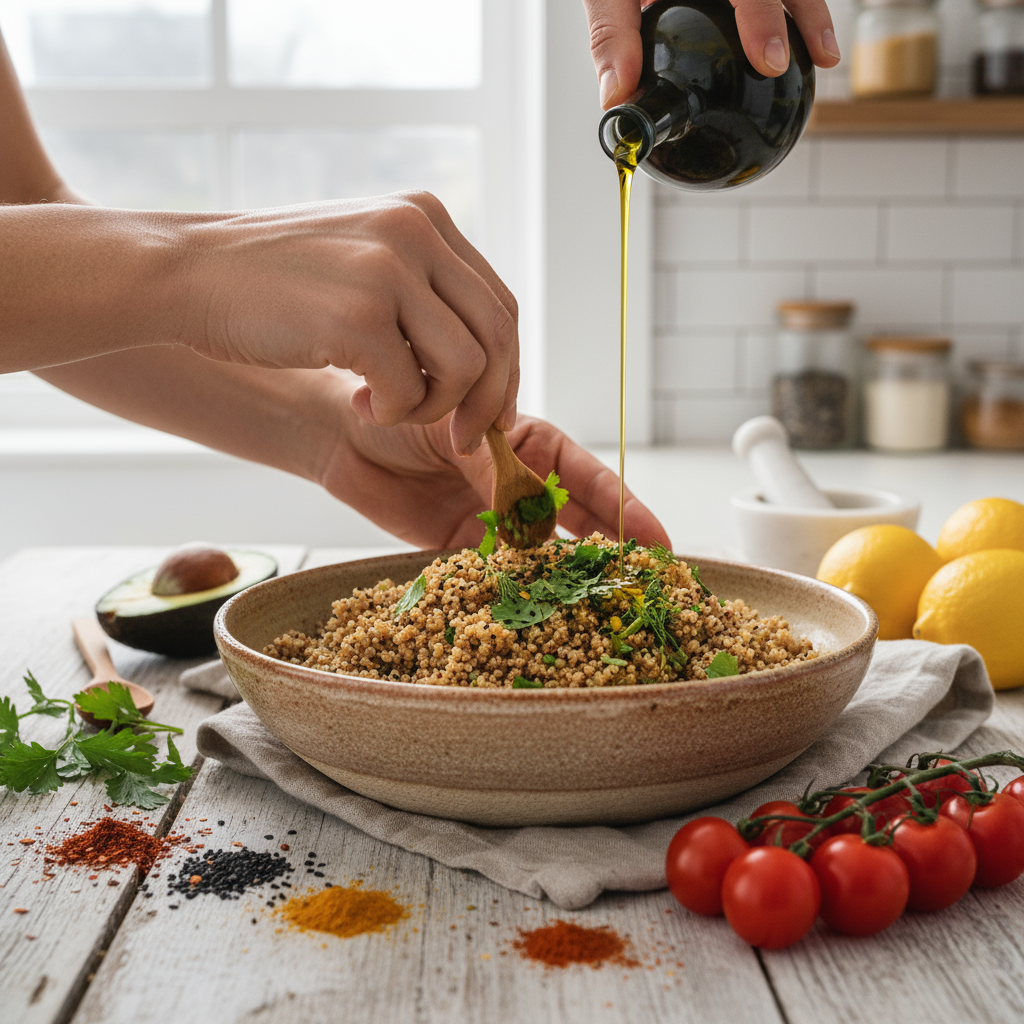
Now that we’ve covered the basics, let’s get into the real nitty-gritty of quinoa mastery. Here’s what I’ve learned after years of cooking with this amazing little seed: picking the right type and preparing it properly makes all the difference between “meh” quinoa and absolutely delicious quinoa. Trust me—I’ve made my share of bitter, disappointing batches before figuring this out. The good news? Once you know these simple tricks, you’ll never go back to mediocre quinoa again.
Choosing and Preparing Quinoa
Let’s start with selection. Not all quinoa is created equal, and knowing which type works best for your dish can completely transform your cooking. But here’s the thing most people don’t realize—even the best quinoa can taste terrible if you skip one crucial step. That step? Rinsing. Quinoa has this natural coating called saponins that’ll make your dish taste bitter and soapy. (Nature’s way of protecting the seed, but not so great for our taste buds.) A proper rinse removes this coating and unlocks quinoa’s naturally nutty, pleasant flavor. Plus, when you understand just how packed with nutrition this stuff is—complete protein, fiber, vitamins, minerals, and it’s gluten-free—you’ll want to make sure every batch tastes amazing. For the full scoop on its impressive nutritional profile, check out nutrition facts about quinoa.
Here’s how to nail the prep every time: grab a fine mesh sieve and rinse your quinoa under cold water until the water runs clear. This usually takes about a minute of gentle rubbing with your hands. Some folks like to toast their rinsed quinoa in a dry pan for a few minutes—it adds this wonderful nutty depth to the flavor. Not required, but definitely worth trying if you want to take things up a notch.
Types of Quinoa
You’ve probably seen different colored quinoa at the store and wondered what the deal is. Each variety has its own personality, and picking the right one can make your dish even better:
- White Quinoa: This is your starter quinoa—mild, fluffy, and plays well with everything. Perfect for salads, breakfast bowls, or any time you want quinoa that doesn’t compete with other flavors.
- Red Quinoa: Think of this as white quinoa’s more assertive cousin. It’s got a nuttier taste and holds its shape beautifully, making it ideal for grain salads where you want some texture contrast.
- Black Quinoa: The bold one of the bunch. Earthy, chewy, and dramatic-looking. It pairs amazingly with strong flavors and adds serious visual appeal to any plate.
Once you know these differences, choosing becomes easy. Want something subtle? Go white. Need texture that won’t fall apart? Red’s your friend. Looking to make a statement? Black quinoa it is.
Alright, quinoa selected and prepped—now for the fun part. Let’s cook this thing perfectly.
Basic Cooking Methods
The stovetop method is where everyone should start. It’s simple, reliable, and gives you complete control over the process. The magic ratio? Two parts water to one part quinoa. Bring it to a boil, then turn it down to a gentle simmer and let it do its thing until the water’s absorbed and those little white rings (the germ) pop out around each grain. That’s how you know it’s perfectly done. Once you’ve mastered this basic technique, you can branch out and experiment. Speaking of branching out, quinoa makes an excellent base for dishes like easy stir fry recipes—it soaks up flavors beautifully and adds great texture.
But let’s be real—sometimes you want convenience. That’s where rice cookers and Instant Pots come in. Rice cookers are fantastic for hands-off quinoa cooking (just set it and forget it), while Instant Pots can get you perfectly cooked quinoa in about a minute under pressure. Perfect for busy weeknights when you need quinoa fast. And if you’re looking for inspiration on what to do with all that perfectly cooked quinoa, try pairing it with simple seafood recipes for a complete, nutritious meal.
Key Aspects of Basic Cooking Methods
Whether you’re going old-school stovetop or modern appliance, these tips will guarantee great results every time:
- Water to Quinoa Ratio: Stick with 2:1 (water to quinoa) as your starting point. You can adjust slightly if you prefer your quinoa a bit drier or more tender.
- Simmering Techniques: Once it’s boiling, turn the heat way down, cover it up, and resist the urge to peek or stir. Let it simmer peacefully for the best texture.
- Cooking Time: Plan on 15-20 minutes for stovetop cooking. Instant Pot users? Just 1 minute at pressure, then let it naturally release. Easy as that.
- Fluffing Quinoa: When it’s done, grab a fork and gently fluff it up. This separates the grains and releases steam, giving you that perfect, light texture you’re after.

Here’s the thing about quinoa—it really is as amazing as everyone says. This little seed (not technically a grain, but who’s counting?) packs complete protein, fiber, and all those essential amino acids your body craves. Whether you’re vegetarian, dealing with gluten issues, or just want to eat better, quinoa’s got your back.
The secret to great quinoa? It’s all in the prep and cooking method. First, always rinse it. Trust me on this—those natural saponins make unrinsed quinoa taste bitter and soapy. Nobody wants that. Once you’ve given it a good rinse, choose your variety. White quinoa cooks fastest and has a mild flavor. Red and black? They’re nuttier and hold their shape beautifully in salads.
Cooking quinoa is honestly easier than you think. The classic stovetop method (2 cups water to 1 cup quinoa) works every time, but don’t sleep on your rice cooker or Instant Pot—they make perfect quinoa with zero effort. And here’s where it gets fun: once you’ve mastered basic quinoa, you can jazz it up with broths, herbs, and spices. One batch becomes the foundation for completely different meals throughout the week.
Ready to level up your cooking game beyond quinoa? Start with our detailed guide on baking recipes for beginners—perfect for building your kitchen confidence. Quinoa pairs beautifully in our easy stir fry recipes, adding protein and texture to any veggie combo. For something special, try our simple seafood recipes—quinoa makes an excellent base for fish dishes. And if you’re serious about eating well, check out our comprehensive healthy nutrition plan to make quinoa part of a bigger wellness picture.
Look, you’ve got everything you need to make quinoa a regular part of your meals. Start simple—cook a basic batch this week and see how you like it. Experiment with flavors. Add it to salads, soups, or eat it as a side. The beauty of quinoa is that it adapts to whatever you’re making. Your taste buds (and your body) will thank you.
Frequently Asked Questions
-
Do I need to rinse quinoa before cooking?
- Yes, rinsing removes the bitter saponins on the surface.
-
What is the best water to quinoa ratio?
- Typically, use 2 cups of water for every 1 cup of quinoa.
-
Can I cook quinoa in a rice cooker or Instant Pot?
- Yes, quinoa can be cooked using these appliances with specific settings.
-
How do I store cooked quinoa?
- Store in an airtight container in the refrigerator for up to a week.
-
Is quinoa gluten-free?
- Yes, quinoa is naturally gluten-free and suitable for gluten-sensitive diets.