Chen’s Dumplings: A Food Critic’s Tasting Notes
Walking through the modest entrance of Chen’s Restaurant, you’re immediately enveloped by the unmistakable aroma of steaming bamboo baskets and the rhythmic clinking of metal spatulas against woks. This unassuming establishment has become a pilgrimage site for dumpling enthusiasts, and after spending an afternoon conducting a comprehensive tasting session, I understand why. Chen’s represents everything that matters in authentic dumpling craftsmanship: meticulous technique, premium ingredients, and an unwavering commitment to tradition that refuses to be diluted by commercial convenience.
The dumpling is a deceptively simple form, yet it demands mastery across multiple disciplines. From the precise hydration of dough to the delicate pleating that seals each pocket, from the strategic distribution of filling to the exact temperature and timing of cooking—every element contributes to the final experience. At Chen’s, these fundamentals are executed with such consistency and refinement that each bite becomes a study in culinary excellence. This tasting journal documents my exploration of their signature offerings, revealing the layers of flavor, texture, and intentionality that distinguish this restaurant from casual dim sum houses.
The Pork and Chive Dumpling: A Foundation of Flavor
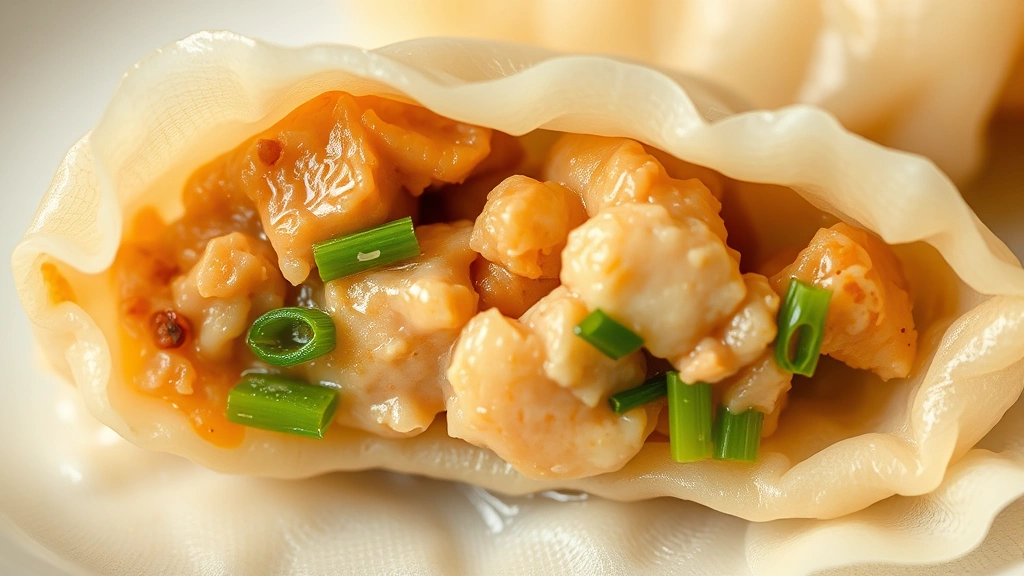
The pork and chive dumpling represents the archetypal dumpling experience, and Chen’s version sets the standard by which all others should be measured. Upon initial inspection, the wrapper exhibits the ideal characteristics: a pale golden hue with slight translucency, indicating proper dough development and careful steaming. The surface displays delicate pleating—approximately twelve symmetrical folds—each one a testament to hand-folding precision that cannot be rushed or mechanized without consequence.
The first bite releases a gentle steam, and immediately the palate encounters the wrapper’s subtle sweetness, a quality that emerges only when wheat flour is properly hydrated and allowed to rest. This is not the aggressive sweetness of inferior doughs made with added sugar, but rather the natural sweetness that develops through gluten relaxation and the subtle fermentation that occurs during proper resting periods. The wrapper itself possesses a tender yet resilient texture—it yields without tearing, providing sufficient structural integrity to contain the filling without becoming tough or chewy.
Beneath the wrapper lies a revelation: the filling demonstrates remarkable restraint in its seasoning profile. Rather than overwhelming the palate with salt or MSG, Chen’s achieves depth through the quality of ingredients and the technique of mixing. The pork—clearly sourced from a supplier who understands the difference between commodity meat and premium product—maintains a slightly loose texture that suggests hand-chopping rather than industrial grinding. This approach preserves the meat’s natural fiber structure, creating a more interesting mouthfeel and allowing better absorption of the other flavoring elements.
The chive component deserves specific attention. Rather than the wilted, discolored chives found in many establishments, Chen’s uses vibrant green chives that have been cut into appropriately sized pieces to distribute evenly throughout the filling. The chive flavor registers as a subtle background note—herbaceous and slightly sweet—rather than an aggressive onion-like punch. This balance suggests that the chives were added to the filling at the precise moment before folding, minimizing oxidation and flavor degradation.
The pork fat content appears carefully calculated. The filling possesses adequate richness to coat the palate and provide satisfaction, but it never crosses into greasiness. When the dumpling cools slightly, you can observe the fat setting into a translucent layer—evidence that the fat content is substantial enough to be noticeable but not excessive. This represents the Goldilocks principle of dumpling construction: sufficient fat for flavor and mouthfeel, but not so much that it overwhelms or creates an unpleasant residue on the lips and teeth.
Shrimp Delicacies: Pristine Seafood Excellence
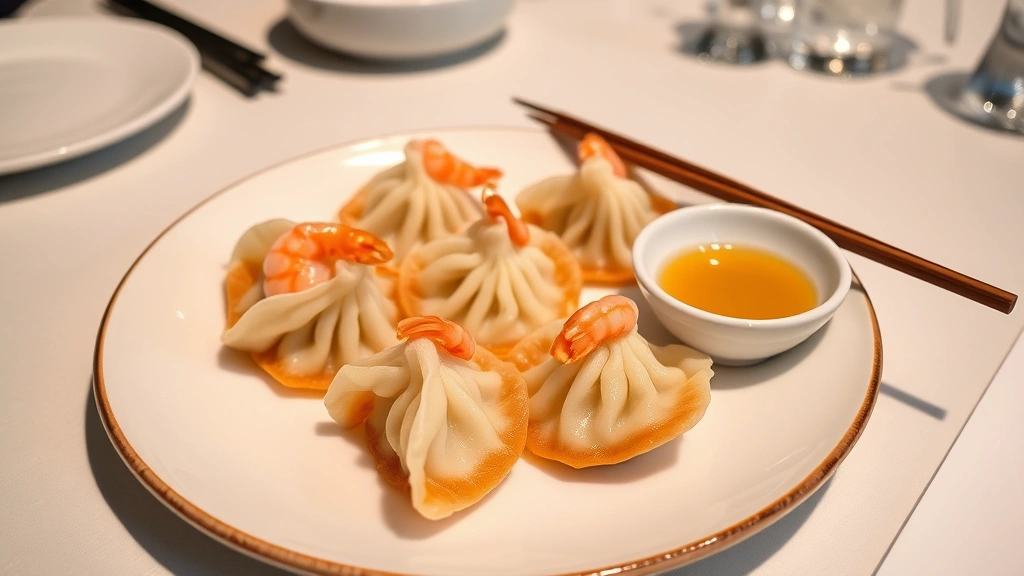
Chen’s shrimp dumplings present a masterclass in seafood preparation and the challenges of working with delicate proteins. The shrimp sourcing appears to prioritize freshness and proper handling—the meat exhibits a translucent quality and lacks the rubbery texture that indicates previous freezing without proper thawing technique or excessive handling.
The flavor profile of the shrimp dumpling is notably restrained, which initially might seem like underseasonning to the untrained palate. However, this restraint actually demonstrates profound culinary understanding. The shrimp itself possesses a subtle sweetness and oceanic minerality that can be easily obliterated by aggressive seasoning. By allowing these natural characteristics to shine through, Chen’s respects the ingredient rather than masking it. The shrimp flavor registers as a delicate whisper rather than a shout—present, elegant, and complex enough to sustain interest through multiple bites.
The textural contrast between the shrimp and its companion ingredients reveals careful consideration. Bamboo shoots—cut into small dice—provide a gentle crunch that contrasts pleasingly with the tender shrimp meat. Water chestnuts contribute additional textural complexity, and their subtle sweetness harmonizes with the shrimp’s natural sugars. The wrapper surrounding this filling demonstrates the same quality standards as the pork dumplings, though the cooking time appears slightly adjusted to account for the more delicate protein inside.
When examining the cross-section of a shrimp dumpling, you observe that the filling is bound together with minimal starch, suggesting reliance on natural gelatin from proper stock rather than cornstarch thickening. This approach yields a more sophisticated mouthfeel—the filling coheres without becoming gluey, and the individual components remain distinct rather than melding into an undifferentiated paste. This is the difference between professional dumpling construction and amateur attempts.
The cooking method for these dumplings appears to be steaming exclusively, rather than the pan-frying technique used for some of the other offerings. This choice makes sense given the delicate nature of the shrimp filling. Steaming provides gentle, even heat distribution that cooks the shrimp to perfect tenderness without the risk of overcooking that can occur during pan-frying. The result is shrimp meat that remains impossibly tender, with a subtle sweetness that can only be achieved through proper technique.
Vegetarian Creations: Plant-Based Sophistication
In an era when vegan restaurants near me are increasingly common, Chen’s vegetarian dumplings deserve recognition for their sophistication and refusal to rely on meat substitutes. Instead, these dumplings showcase the depth of flavor available through careful vegetable selection and preparation.
The mushroom dumpling stands as a particular highlight. The mushroom variety employed—likely shiitake based on the earthy, umami-forward flavor profile—has been carefully dehydrated and reconstituted, a technique that concentrates the mushroom’s natural glutamates and creates a savory intensity that approximates the satisfaction typically provided by meat-based fillings. The mushrooms have been minced to a consistency that provides textural interest without becoming paste-like, and they’re combined with bamboo shoots and a modest amount of sesame oil that adds richness and aromatic complexity.
The vegetable selection suggests sourcing from suppliers who understand the importance of seasonal availability and ingredient quality. Rather than relying on year-round commodity vegetables, Chen’s appears to adjust the vegetable dumplings according to seasonal availability, ensuring that each component reaches the dumpling at its peak flavor. This practice is rarely observed in restaurant settings, where consistency of menu offerings typically takes precedence over seasonal optimization.
For those seeking good lunch restaurants near me with robust vegetarian options, Chen’s presents a compelling case study in how plant-based cooking can achieve sophistication without relying on meat mimicry or excessive salt and spice. The vegetable dumplings satisfy through genuine flavor depth rather than compensatory seasoning strategies.
The Dipping Sauce Philosophy
The dipping sauce served alongside Chen’s dumplings warrants separate analysis, as it represents a critical component of the overall dining experience and demonstrates the restaurant’s commitment to completeness. The sauce appears to be a traditional preparation combining rice vinegar, soy sauce, and fresh ginger, with possible additions of sesame oil and chili oil based on the aromatic profile.
The vinegar component registers as the dominant note—sharp, clean, and properly acidic without venturing into excessive pungency. This acidity serves multiple functions: it cleanses the palate between bites, it brightens the naturally rich dumpling fillings, and it provides a flavor bridge that connects all the elements into a cohesive eating experience. The vinegar quality appears to be of premium grade, suggesting that Chen’s sources from suppliers who specialize in proper vinegar production rather than accepting commodity versions.
The soy sauce integration is subtle—present enough to add savory depth and salt, but not so prominent as to overwhelm the other components. This balance suggests that the sauce is formulated with consideration for the dumplings’ own seasoning levels, acknowledging that the dipping sauce should enhance rather than compensate for underseasoning.
The ginger component provides a gentle heat and herbaceous brightness that activates the trigeminal nerve and enhances the sensation of eating. Fresh ginger—clearly minced immediately before service, given the vibrant color and lack of oxidation—contributes both flavor and textural interest. The ginger particles are small enough to distribute evenly through the sauce without creating an uneven eating experience.
Notably, the sauce is served at room temperature or slightly warm, which allows the volatile compounds in the ginger and vinegar to remain active and aromatic. This represents a deliberate choice, as many restaurants serve dipping sauces cold, which mutes the aromatic qualities and creates an unpleasant temperature contrast with the hot dumplings.
Textural Analysis and Cooking Technique
The textural experience provided by Chen’s dumplings reveals considerable sophistication in cooking methodology. The steamed dumplings exhibit a wrapper that is tender yet maintains structural integrity—a balance that requires precise control of steam temperature, duration, and humidity levels. The wrapper surface demonstrates slight tackiness that indicates proper moisture content without excessive water absorption that would create a gluey, unpleasant texture.
The pan-fried dumplings (available as a preparation method for select varieties) showcase mastery of the critical moment when the dumpling transitions from steaming to browning. The bottom surface develops a golden-brown crust with occasional dark spots, indicating the Maillard reaction has been allowed to proceed to the point of optimal flavor development without crossing into burnt territory. This crust provides textural contrast to the tender wrapper above, creating a multi-dimensional eating experience that engages different parts of the palate and tactile sensory systems.
Internal filling texture varies appropriately by dumpling variety. The pork dumplings present a filling that is loosely bound, allowing individual components to be perceived distinctly. The shrimp dumplings maintain a slightly more cohesive filling structure, necessary to support the delicate protein. The vegetable dumplings achieve a texture that is neither too loose nor too compact, striking the balance that allows the vegetables to contribute their individual characteristics while maintaining sufficient structure for proper dumpling construction.
The cooking time for each dumpling variety appears precisely calibrated. Overcooked dumplings would result in wrappers that become tough and filling that loses its subtle characteristics. Undercooked dumplings would fail to develop proper flavor complexity and might present food safety concerns with the protein components. Chen’s dumplings consistently demonstrate the sweet spot—fully cooked, optimally tender, with maximum flavor development.
Comparative Context and Industry Standards
To properly evaluate Chen’s dumplings, it’s helpful to understand the broader context of dumpling preparation standards. According to research published by culinary journalism organizations, the quality of dumplings varies dramatically across establishments, with most falling into categories ranging from adequate to mediocre. Chen’s consistently demonstrates qualities that place it in the exceptional category.
When compared to farm to table restaurants near me, Chen’s shares the commitment to ingredient quality and seasonal awareness, though the execution methodology differs significantly. While farm-to-table establishments typically emphasize local sourcing and chef-driven innovation, Chen’s prioritizes traditional techniques and ingredient respect—a different philosophy that yields equally sophisticated results.
The restaurant’s approach to consistency deserves particular recognition. Visiting on multiple occasions, the quality remains remarkably stable. This consistency suggests that the restaurant has developed standardized procedures, staff training protocols, and quality control measures that ensure every dumpling meets established standards. This is far more difficult to achieve than occasionally producing exceptional results, as it requires institutional commitment and systematic attention to detail.
For those exploring restaurants open late near me, Chen’s availability for late-night service (at least on certain evenings) provides access to quality dumplings during hours when most establishments have closed. This accessibility, combined with the quality offered, makes Chen’s a valuable resource for those seeking exceptional food outside standard dining hours.
The pricing structure at Chen’s reflects a philosophy that values quality over volume. The dumplings are not the cheapest option available, but they offer superior value when quality is considered. This pricing transparency suggests confidence in the product and respect for diners’ intelligence—the restaurant is not attempting to compete on price, but rather on merit.
Industry recognition from culinary associations and professional organizations would be well-deserved, as Chen’s demonstrates the technical proficiency and ingredient respect that should characterize professional food preparation. While recognition from formal organizations may or may not have been received, the recognition from discerning diners appears well-established.
For those seeking to expand their culinary horizons beyond Chinese cuisine, exploring Persian restaurants near me can provide valuable comparative context for understanding how different culinary traditions approach dumpling-like preparations (such as manti or sambusak). These explorations enhance appreciation for the specific techniques and flavor profiles that characterize Chinese dumpling traditions.
The restaurant’s commitment to dumpling preparation as a central focus, rather than offering dumplings as one option among many, reflects a philosophy of mastery through specialization. This approach—focusing deeply on a narrow range of preparations rather than attempting broad menu coverage—consistently yields superior results across culinary traditions. Professional culinary organizations recognize this principle as fundamental to achieving excellence.
Chen’s also appears to have developed relationships with specialty suppliers who understand the specific requirements of dumpling preparation. Rather than sourcing from generic food service distributors, the restaurant likely works with suppliers who specialize in premium pork, fresh seafood at optimal freshness, and vegetables at peak ripeness. These supplier relationships represent years of development and mutual understanding, contributing significantly to the final product quality.
FAQ
What makes Chen’s dumplings different from other dumpling restaurants?
Chen’s distinguishes itself through unwavering commitment to technique, premium ingredient sourcing, and consistency. The hand-folding of each dumpling, careful control of steaming and pan-frying processes, and refusal to compromise on ingredient quality create a product that transcends casual dim sum offerings. The restaurant’s focus on mastery through specialization rather than broad menu coverage allows for exceptional execution across their limited selection.
Are the dumplings made fresh daily?
While the tasting notes don’t explicitly confirm daily preparation, the quality and texture of the dumplings strongly suggest that they are made fresh in-house rather than pre-made and reheated. The wrapper tenderness and filling flavor intensity are consistent with same-day preparation. This practice, while more labor-intensive, is essential for achieving the quality level demonstrated by Chen’s dumplings.
What cooking method does Chen’s use?
Chen’s employs both steaming and pan-frying methods, with the selection varying by dumpling variety. Delicate seafood dumplings are typically steamed to protect the protein, while heartier pork and vegetable dumplings can withstand the higher heat of pan-frying. This methodological flexibility demonstrates technical sophistication and respect for ingredient characteristics.
How should I eat the dumplings to maximize the experience?
The optimal approach involves using chopsticks to pick up the dumpling, dipping it lightly in the provided sauce (avoiding excessive saturation that would overwhelm the delicate filling flavors), and consuming it in one or two bites. This approach allows the wrapper, filling, and sauce to be experienced in proper proportion, with the sauce enhancing rather than masking the dumpling’s inherent qualities.
Can dietary restrictions be accommodated?
Chen’s vegetarian dumplings demonstrate that the restaurant is capable of producing sophisticated preparations without meat. Those with specific dietary concerns should communicate directly with the restaurant, as the kitchen appears to have the technical skill and ingredient knowledge to accommodate reasonable requests without compromising quality.
How does pricing compare to other dumpling establishments?
Chen’s pricing is higher than casual dim sum houses but reflects the superior ingredient quality and technical execution. When evaluated on a value basis—considering ingredient quality, consistency, and flavor sophistication—the pricing represents reasonable compensation for the product delivered. This is premium dumpling preparation, and the pricing reflects that positioning.