Colombian Cuisine: Chef-Recommended Spots for Authentic Flavors
Colombian restaurants have emerged as culinary destinations that celebrate one of South America’s most vibrant and underappreciated food cultures. From the highlands of Bogotá to the Caribbean coast, Colombian cuisine represents centuries of indigenous, African, and Spanish influences woven into dishes that tell stories of terroir, tradition, and transformative cooking techniques. When you step into a chef-recommended Colombian establishment, you’re embarking on a sensory journey that extends far beyond the plate—it’s an immersion into regional pride, family recipes passed down through generations, and an unwavering commitment to quality ingredients sourced from Colombia’s diverse microclimates.
The resurgence of interest in Colombian restaurants reflects a broader global appreciation for authentic Latin American gastronomy. Leading chefs across the Americas now recognize Colombian cuisine as deserving of the same reverence afforded to Peruvian or Mexican traditions. What makes these establishments special isn’t merely novelty; it’s the meticulous attention to flavor development, the respect for indigenous cooking methods, and the way contemporary Colombian chefs honor ancestral recipes while embracing modern culinary innovation. This guide explores the defining characteristics of chef-recommended Colombian dining experiences and helps you identify establishments where passion for authenticity meets culinary excellence.
Understanding Colombian Culinary Traditions
Colombian gastronomy emerges from a fascinating convergence of culinary traditions. The indigenous peoples of Colombia developed sophisticated agricultural systems and cooking methods that honored the land’s natural bounty. When Spanish conquistadors arrived, they introduced new ingredients and techniques, while African communities brought their own profound culinary knowledge. This tripartite heritage created a cuisine characterized by resourcefulness, flavor layering, and an almost spiritual connection to seasonal eating.
The foundation of Colombian cooking rests on humble ingredients elevated through patient technique. Corn, beans, plantains, and potatoes form the backbone of countless dishes. Unlike cuisines that rely heavily on complex spice blends, Colombian cooking emphasizes the natural flavors of quality ingredients, allowing each component to shine while contributing to a harmonious whole. This philosophy explains why Colombian restaurants that earn chef endorsements typically showcase ingredient purity and restraint rather than aggressive seasoning.
Traditional cooking methods remain central to authentic Colombian cuisine. Many dishes require extended braising, careful layering of flavors, and techniques that can’t be rushed. Slow-cooked stews like sancocho develop their characteristic depth only through hours of patient simmering, where proteins, starches, and aromatics gradually meld into something transcendent. Understanding this commitment to process helps explain why chef-recommended establishments often have limited menus—they’re focused on doing fewer things with exceptional care rather than attempting broad culinary range.
Signature Dishes That Define the Cuisine
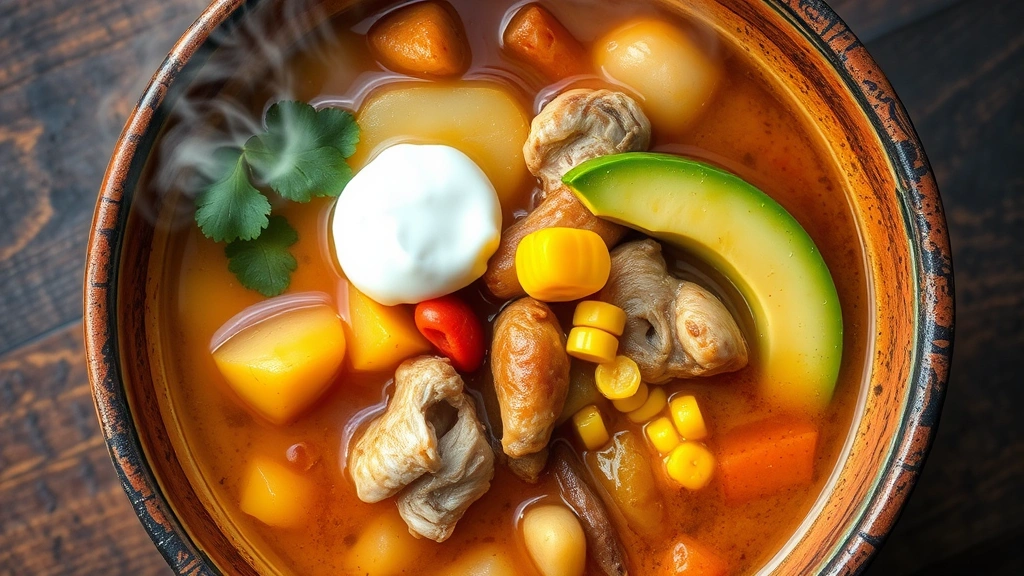
Any exploration of Colombian restaurants must acknowledge the dishes that represent the cuisine’s soul. Ajiaco, a hearty potato and chicken soup that varies by region, stands as perhaps Colombia’s most iconic preparation. The Bogotá version features three potato varieties—large yellow potatoes, smaller white potatoes, and starchy red potatoes—each contributing distinct textural and flavor notes. The broth, enriched by hours of simmering chicken and aromatics, achieves an almost creamy consistency without added cream. Topped with avocado, corn, and a dollop of sour cream, ajiaco represents Colombian comfort food at its most sophisticated.
Bandeja Paisa, originating from Medellín’s Antioquia region, presents an entirely different expression of Colombian identity. This abundant platter combines beans, rice, ground meat, chicharrón, fried egg, arepa, and plantain into a celebration of flavor and texture. Rather than attempting subtlety, Bandeja Paisa announces itself boldly—each component distinct, each preparation straightforward, yet the combination creating something greater than its parts. Chef-recommended Colombian restaurants that feature this dish typically source their chicharrón from dedicated producers and ensure their beans receive proper attention during the cooking process.
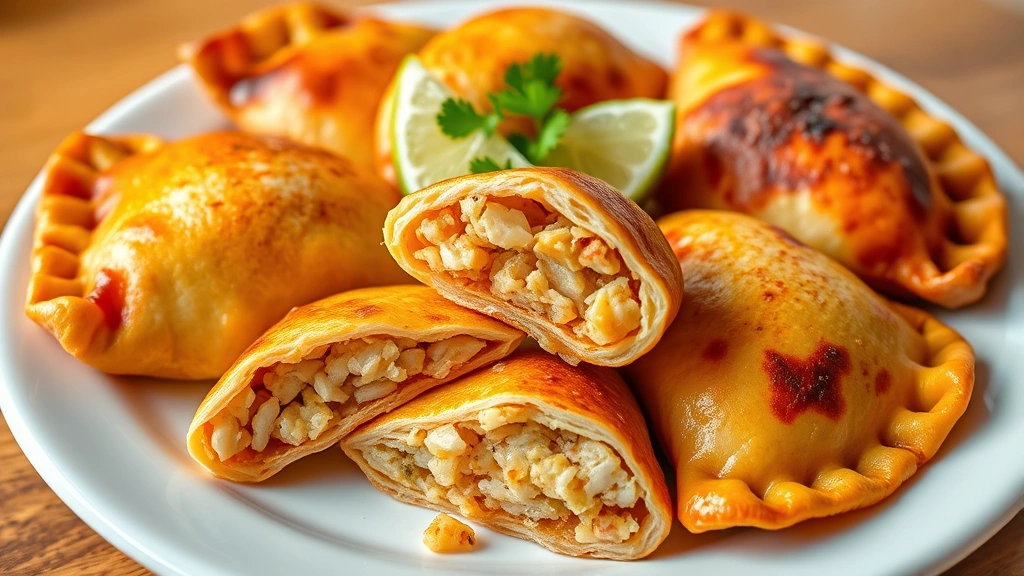
Empanadas showcase Colombian technique applied to portable form. These fried pastries filled with meat, potato, or cheese represent street food elevated to art form. The dough’s texture—crispy exterior yielding to tender interior—requires precise temperature control and timing. Quality establishments make their empanada dough fresh daily, often incorporating specific potato varieties that create the ideal crumb structure. The filling represents another opportunity for flavor development, with slow-cooked meats seasoned judiciously and combined with potatoes that have absorbed the cooking liquid’s essence.
Ceviche, while associated with Peru, has a distinctly Colombian interpretation. Rather than the aggressive citrus curing of Peruvian versions, Colombian ceviche often features a more delicate touch, allowing the fish’s natural sweetness to remain prominent. Some preparations incorporate coconut milk, reflecting Caribbean influences. The best versions demonstrate restraint—fresh fish, quality lime juice, perhaps some red onion and cilantro, nothing more. This simplicity demands absolute ingredient quality, which is why sourcing becomes paramount for Colombian restaurants earning chef recommendations.
Regional Specialties and Flavor Profiles
Colombia’s geography creates distinct regional cuisines, each reflecting local ingredients and cultural influences. The Caribbean coast produces seafood-forward preparations featuring coconut, plantain, and tropical fruits. The Pacific region, similarly blessed with abundant fish, develops flavor profiles incorporating local spices and indigenous cooking methods. The Andean highlands, where potatoes originated, celebrate these tubers in countless preparations. Understanding these regional distinctions helps diners navigate Colombian menus with greater appreciation.
The Pacific coast region, including areas around Buenaventura, emphasizes fresh seafood prepared with coconut and local spices. Arroz con coco, rice cooked in coconut milk with seafood, represents this region’s essence. The rice absorbs coconut’s subtle sweetness while maintaining individual grain integrity. Fresh shrimp, fish, or squid contributes briny minerality that balances coconut’s richness. This dish requires impeccable seafood quality and careful timing—overcooking either the rice or seafood ruins the delicate balance.
The Caribbean coastal region, encompassing Cartagena and Santa Marta, develops stronger Spanish and African influences. Here you find dishes featuring plantain, yam, and cassava prepared with techniques that honor ancestral knowledge. The flavor profiles tend toward slightly more assertive seasoning, incorporating cumin, coriander, and local chiles. Cazuela de mariscos, a shellfish stew, exemplifies this region’s approach—abundant fresh ingredients, careful layering of flavors, and a broth that achieves richness through extended cooking rather than added fats.
The Andean highlands, where Bogotá and Medellín are located, celebrate corn and potatoes with particular reverence. Arepas, corn cakes that appear throughout Colombian cuisine but achieve particular prominence in highland regions, represent the foundation of countless meals. The best arepas feature freshly ground corn, proper hydration, and careful griddle work that creates a golden exterior while maintaining a tender, slightly creamy interior. Regional variations include fillings ranging from simple cheese to elaborate preparations featuring slow-cooked meats and fresh cheeses.
What Makes a Colombian Restaurant Chef-Recommended
Chef recommendations carry particular weight because they come from professionals who understand culinary technique, ingredient quality, and the dedication required to maintain consistency. A Colombian restaurant earning such recognition typically demonstrates several defining characteristics. First, these establishments maintain unwavering commitment to ingredient quality and sourcing. They work with suppliers who understand Colombian products, often importing specialty items that simply cannot be replicated domestically. This might include specific corn varieties for arepas, particular potato types for ajiaco, or regional cheeses that provide essential flavor components.
Second, chef-recommended Colombian restaurants employ staff who understand the cuisine’s cultural significance. Servers can explain regional origins, discuss ingredient sourcing, and articulate why certain preparations require specific techniques. This knowledge transforms dining from simple meal consumption into educational experience. The kitchen staff typically includes individuals with personal connections to Colombian cuisine—whether through family heritage, extended time spent in Colombia, or both. This personal investment translates into dishes that taste authentic not through accident but through deliberate technique.
Third, these establishments demonstrate respect for traditional preparations while embracing thoughtful innovation. Rather than rigidly adhering to historical recipes, progressive Colombian restaurants apply contemporary techniques to honor traditional flavors. A chef might employ modern plating aesthetics while maintaining the essential flavor profiles that define a dish. This balance between tradition and innovation appeals to diners seeking authenticity without feeling dated or overly rustic.
Fourth, chef-recommended Colombian restaurants maintain limited, focused menus. Rather than attempting comprehensive representation of Colombian cuisine’s breadth, successful establishments typically concentrate on specific regional traditions or particular chef expertise. This focus allows kitchen staff to develop mastery over their offerings, source ingredients with precision, and maintain quality consistency across every service. A menu featuring fifteen arepas variations with different fillings and preparations demonstrates greater expertise than a sprawling menu attempting to represent all Colombian regions simultaneously.
The Role of Ingredients and Sourcing
Colombian cuisine’s authenticity depends fundamentally on ingredient quality and sourcing. Unlike cuisines where substitutions might go unnoticed, Colombian cooking relies on specific ingredients that contribute non-negotiable flavor and textural components. When exploring Colombian restaurants, pay attention to sourcing practices—establishments that explain their ingredient origins demonstrate commitment to authenticity.
Corn represents perhaps the most critical ingredient for Colombian cuisine. The corn varieties grown in Colombia’s various regions produce distinct flavors and textures. Colombian corn tends toward larger kernels and sweeter flavor profiles compared to commodity corn available in North America. Quality Colombian restaurants source fresh corn when possible, sometimes importing directly from Colombian producers. For arepas, the corn meal’s granulation matters tremendously—too fine and the texture becomes dense; too coarse and the cake becomes crumbly. The best establishments often grind their own corn or work with producers who grind to specific specifications.
Potatoes demand similar attention. Colombian cuisine celebrates potato diversity in ways North American diners rarely encounter. While Americans typically use a handful of potato varieties, Colombian cooking employs dozens of distinct types, each bringing particular characteristics to specific dishes. The yellow potatoes used in ajiaco contribute natural sweetness and a creamy texture when cooked. The white potatoes provide structural integrity and subtle flavor. Red potatoes add earthiness and maintain their shape during extended cooking. This diversity explains why Colombian restaurants that prioritize authenticity often feature ingredient-focused menu descriptions—they’re highlighting the specific potato varieties in their ajiaco because these details matter profoundly.
Plantains, appearing throughout Colombian cuisine in both savory and sweet preparations, require careful sourcing. The ripeness level determines whether plantains function as starch-forward component or dessert element. Green plantains offer neutral flavor and firm texture suitable for savory dishes. Yellow plantains develop increasing sweetness as they ripen. Black plantains, fully mature, bring dessert-appropriate sweetness. Quality establishments source plantains at varying ripeness levels, ensuring they have the right ingredient for each preparation.
Cheese represents another critical sourcing consideration. Colombian cuisine celebrates fresh cheeses like queso fresco, which appear in countless preparations. These cheeses, typically young and unaged, offer mild flavor and high melting points suitable for cooking applications. They also crumble beautifully over finished dishes, providing textural contrast and subtle dairy richness. Imported Colombian cheeses taste noticeably different from domestic approximations—more delicate, with subtle flavor nuances that enhance rather than dominate dishes.
Dining Experience and Atmosphere
The complete Colombian restaurant experience extends beyond food to encompass atmosphere, service philosophy, and cultural expression. Chef-recommended establishments typically create dining environments that reflect Colombian warmth and hospitality. This might manifest through vibrant décor celebrating Colombian artists, music selections featuring traditional and contemporary Colombian sounds, or service staff who greet diners with genuine enthusiasm.
The best Colombian restaurants balance accessibility with sophistication. They welcome diners unfamiliar with the cuisine while honoring those seeking deep engagement with regional traditions. Service staff can accommodate requests for milder preparations for heat-sensitive palates while also offering opportunities for adventurous exploration. This flexibility reflects Colombian cultural values emphasizing hospitality and inclusivity.
Wine and beverage pairings deserve consideration when evaluating Colombian restaurants. While Colombian cuisine isn’t traditionally wine-focused, progressive establishments often develop thoughtful pairing programs. Colombian coffee, served after meals, represents a non-negotiable tradition—the country’s coffee culture deserves respect and proper execution. Quality establishments source single-origin Colombian beans and prepare them with appropriate technique, allowing the coffee’s terroir and processing methods to shine.
The dining pace in chef-recommended Colombian restaurants typically reflects the cuisine’s philosophy. Rather than rushing diners through courses, these establishments encourage lingering, conversation, and gradual progression through the meal. This pacing allows flavors to develop on the palate, permits proper digestion between courses, and honors the social aspects of eating that Colombian culture particularly values.
When seeking Colombian restaurants beyond your immediate location, consider exploring best restaurants in Puerto Rico, which often feature Caribbean-influenced Latin American cuisine with Colombian elements. Similarly, Apalachicola restaurants sometimes incorporate regional seafood preparations reflecting Latin American traditions. For international perspectives on Colombian cuisine, best restaurants in London increasingly feature innovative takes on Latin American gastronomy.

Understanding dining preferences helps identify restaurants aligned with your interests. If you’re exploring vegetarian restaurant near me options, many Colombian establishments offer substantial vegetable-forward preparations. Bean-based dishes, vegetable-filled arepas, and plantain preparations provide satisfying alternatives to meat-focused options. 24 hours restaurants near me rarely align with Colombian dining culture’s emphasis on proper meal timing, but some urban establishments offer extended hours for casual dining.
Colombian cuisine’s growing recognition reflects genuine culinary merit rather than passing trend. As more chefs dedicate themselves to mastering these traditions, dining opportunities continue expanding. The restaurants earning chef recommendations demonstrate that Colombian food deserves consideration alongside more established Latin American cuisines. These establishments prove that authenticity, quality ingredients, and technical skill create memorable dining experiences that honor cultural heritage while engaging contemporary palates.
FAQ
What distinguishes Colombian cuisine from other Latin American food traditions?
Colombian cuisine emphasizes ingredient purity, traditional cooking methods, and regional diversity. Unlike cuisines relying on aggressive spicing, Colombian food celebrates the natural flavors of quality ingredients prepared through patient technique. The distinct regional traditions—Caribbean coast, Pacific coast, and Andean highlands—each develop unique flavor profiles reflecting local ingredients and cultural influences. Additionally, Colombian cooking honors indigenous cooking methods while incorporating Spanish and African traditions into a cohesive culinary identity.
How should I approach ordering at a Colombian restaurant if I’m unfamiliar with the cuisine?
Begin with foundational dishes like ajiaco or arepas, which represent Colombian cuisine’s essence and allow you to understand the cuisine’s flavor philosophy. Ask your server for recommendations, explaining your preferences regarding heat level and ingredient preferences. Many Colombian restaurants offer tasting menus that provide curated introductions to the cuisine. Don’t hesitate to ask questions about regional origins, preparation methods, and ingredient sourcing—quality establishments enthusiastically explain their offerings.
What role does corn play in Colombian cuisine?
Corn represents a foundational ingredient appearing in countless Colombian preparations, from arepas to empanadas to tamales. Colombian corn varieties typically feature larger kernels and sweeter flavor profiles than North American commodity corn. The corn meal’s granulation, moisture content, and flavor characteristics directly impact the final dish’s quality. Quality Colombian restaurants often source specific corn varieties or grind their own meal to achieve desired textures and flavors.
Are Colombian restaurants suitable for diners with dietary restrictions?
Colombian cuisine accommodates various dietary needs reasonably well. Vegetarian diners can enjoy bean-based dishes, vegetable-filled arepas, and plantain preparations. Gluten-free diners should note that many preparations center on naturally gluten-free ingredients like corn, potatoes, and plantains, though cross-contamination risks exist in shared kitchens. Dairy-free options present more challenges given cheese’s prominence, though some preparations can be modified. Always communicate dietary needs clearly to restaurant staff.
How do I identify authentically Colombian restaurants versus those offering generic Latin American food?
Authentic Colombian restaurants typically feature focused menus emphasizing specific regional traditions rather than attempting comprehensive coverage of all Latin American cuisines. Staff should demonstrate knowledge of regional origins and ingredient sourcing. Look for menu descriptions explaining preparation methods and ingredient choices. The establishment should offer foundational dishes like ajiaco, arepas, and empanadas prepared with obvious care and technique. Chef recommendations, awards from culinary organizations, and positive reviews from food critics provide additional validation of authenticity and quality.


