Top Cool Restaurants in Madrid: Local Picks for Unforgettable Dining
Madrid’s culinary landscape has undergone a remarkable transformation over the past decade, evolving from traditional tapas bars into a vibrant ecosystem of innovative eateries that blend heritage with contemporary flair. The Spanish capital now stands as one of Europe’s most exciting gastronomic destinations, where Michelin-starred establishments sit alongside trendy underground supper clubs and reimagined classical Spanish kitchens. Whether you’re seeking avant-garde molecular gastronomy or authentic regional flavors executed with modern precision, Madrid delivers an intoxicating array of dining experiences that cater to every palate and occasion.
The city’s restaurant scene reflects Madrid’s cosmopolitan character—a place where culinary traditions run deep, yet innovation thrives in every corner. From the bustling neighborhoods of Malasaña and Chueca to the refined enclaves of Salamanca and Retiro, you’ll discover establishments that have earned international acclaim alongside hidden gems known only to locals. This guide explores the coolest restaurants Madrid has to offer, highlighting venues where exceptional ingredients, creative vision, and impeccable execution converge to create memorable dining moments.
Michelin-Starred Excellence: The Pinnacle of Madrid Dining
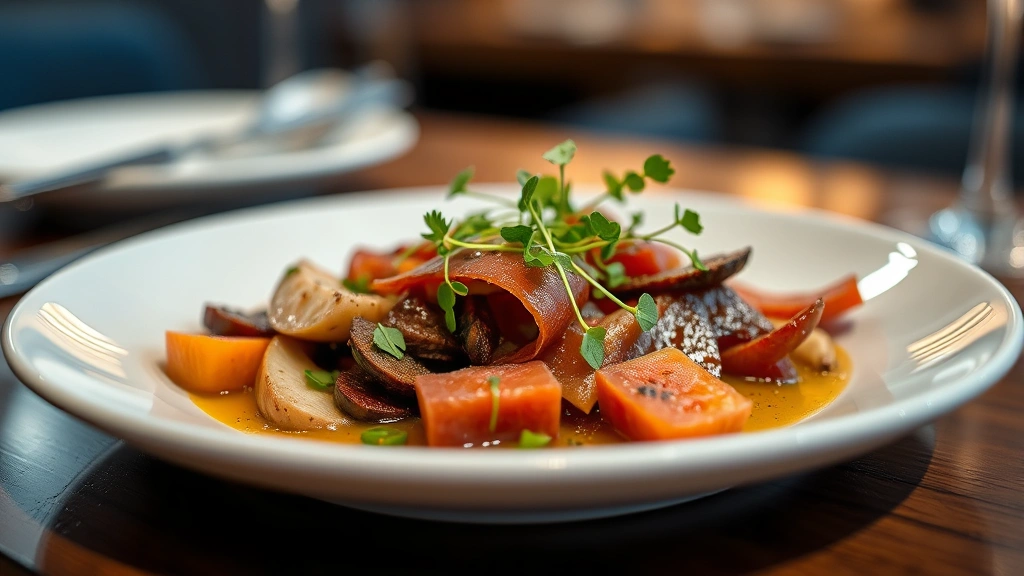
Madrid boasts an impressive collection of Michelin-starred restaurants that rank among Spain’s finest culinary institutions. These establishments represent the apex of technical skill, creative ambition, and ingredient sourcing, where chefs orchestrate every element on the plate with surgical precision. The city’s starred restaurants aren’t merely places to eat; they’re theaters of flavor where each course tells a story, each component serves a purpose, and the overall experience transcends simple sustenance to become art.
At the forefront stands DiverXO, a theatrical dining experience where chef Dabiz Muñoz transforms the act of eating into performance art. His signature style—deconstructed, colorful, and wildly imaginative—challenges conventional notions of what fine dining should be. The tasting menu unfolds like a sensory narrative, with dishes that might feature unexpected ingredient combinations, unusual textures, and presentations that spark both wonder and conversation. The intensity of flavors demands active engagement from diners, making each meal feel less like a passive consumption and more like a collaborative journey through Muñoz’s creative consciousness.
Punto MX brings Mexican cuisine to Madrid’s fine dining scene with exceptional precision and respect for traditional techniques. Chef Rodolfo Guzmán constructs dishes that honor Mexico’s rich culinary heritage while employing contemporary plating and presentation methods. The tasting menu showcases regional Mexican ingredients and flavors, from complex mole preparations to delicate ceviches, each component selected for its ability to contribute to a larger narrative about Mexican gastronomy. The dining room’s intimate setting and attentive service create an environment where every detail—from the amuse-bouche to the petit fours—receives careful consideration.
For those seeking restaurants with thoughtfully crafted menus that accommodate various dietary preferences without compromising quality, Madrid’s Michelin-starred venues increasingly offer sophisticated vegetable-forward tasting menus. These aren’t afterthoughts but fully realized culinary visions that celebrate produce with the same reverence traditionally reserved for proteins.
Trendy Neighborhoods: Where Cool Restaurants Cluster
Madrid’s coolest restaurants concentrate in neighborhoods that pulse with creative energy and cosmopolitan sophistication. Malasaña, once a bohemian enclave and now a carefully curated hub of cool, hosts numerous restaurants that blend artistic sensibility with culinary excellence. The neighborhood’s narrow streets and vintage architecture provide the perfect backdrop for contemporary dining concepts that range from intimate cocktail-paired tasting menus to casual yet refined small-plate establishments.
Chueca, Madrid’s vibrant LGBTQ+ neighborhood, thrives with diversity in both its cultural offerings and restaurant scene. Here you’ll find establishments that celebrate bold flavors, creative risk-taking, and an atmosphere of genuine inclusivity. The neighborhood’s restaurants reflect its character—unpretentious yet sophisticated, welcoming yet discerning, traditional yet innovative. Many venues in Chueca prioritize local sourcing and seasonal menus, creating dining experiences that feel connected to Madrid’s landscape and rhythms.
The Salamanca district represents Madrid’s more refined, established neighborhood, home to luxury shopping and elegant dining establishments that attract both international visitors and wealthy locals. Restaurants here tend toward polished presentations and impeccable service standards, though this formality often masks genuine passion for ingredients and technique. Contemporary dining concepts have increasingly taken root even in traditionally conservative neighborhoods, reflecting Madrid’s openness to culinary innovation across all socioeconomic strata.
La Latina, Madrid’s oldest neighborhood, preserves authentic Spanish character while gradually embracing modern culinary approaches. Historic plazas and winding medieval streets host both centuries-old tapas bars and contemporary restaurants that reinterpret classic Spanish dishes through modern lenses. Dining here offers a unique temporal experience—you might enjoy cutting-edge cuisine in a building that predates the Spanish conquest of the Americas.
Modern Spanish Cuisine: Tradition Reimagined
Spanish cuisine’s fundamental philosophy—respect for ingredients, simplicity in execution, and attention to regional distinctions—provides the foundation for Madrid’s most interesting modern restaurants. Contemporary Spanish chefs don’t abandon tradition; rather, they interrogate it, asking which elements deserve preservation and which invite reinterpretation. This approach yields dishes that feel both deeply Spanish and undeniably contemporary.
Jamón ibérico, that transcendent cured ham from black Iberian pigs, appears on nearly every serious Madrid restaurant menu, but innovative chefs transform it from simple charcuterie into textural components, flavor foundations, and even unexpected dessert elements. The depth of umami in properly aged jamón provides a canvas for culinary experimentation—pairing it with unexpected fruits, incorporating its essence into broths, or using its fat to cook other ingredients.
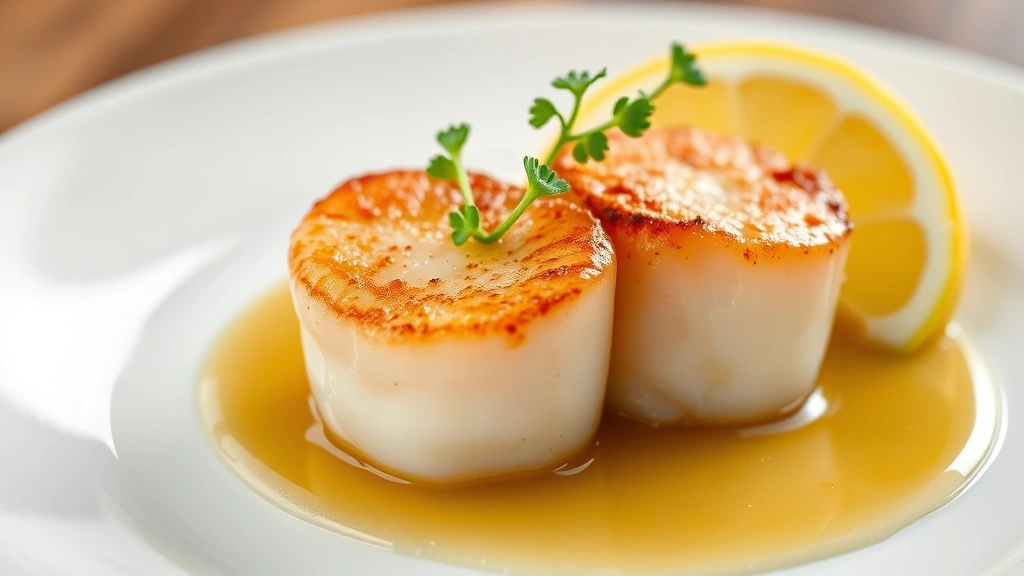
Seafood preparations showcase Spain’s Atlantic and Mediterranean traditions with particular brilliance. Madrid chefs source pristine fish and shellfish, respecting their delicate flavors while employing modern cooking techniques that reveal subtle nuances. A simple preparation of percebes (goose barnacles) or gambas (prawns) might involve precise temperature control, unexpected aromatics, or artistic plating that transforms humble ingredients into memorable courses.
The Spanish concept of sobremesa—the leisurely time spent at table after eating, devoted to conversation and digestion—shapes how Madrid’s best restaurants approach the dining experience. Rather than rushing courses, establishments embrace a slower rhythm that allows flavors to develop on the palate, conversations to deepen, and the meal to become a genuine social event. This cultural value influences everything from portion sizes to service pacing to the thoughtful wine selections.
International Fusion: Global Flavors in Spain’s Heart
Madrid’s increasingly cosmopolitan population has created demand for authentic international cuisines executed at the highest levels. Rather than diluting or domesticating global flavors to suit Spanish palates, the city’s best international restaurants maintain the integrity of their culinary traditions while benefiting from access to exceptional Spanish ingredients and the technical refinement that characterizes Madrid’s dining culture.
Japanese cuisine has found particularly fertile ground in Madrid, with several exceptional sushi and kaiseki restaurants that source premium fish from both Atlantic and Pacific suppliers. The Japanese emphasis on ingredient quality and technical precision resonates deeply with Spanish culinary values, creating a natural affinity. Chefs trained in traditional Japanese techniques create menus that balance innovation with respect for established forms, offering diners experiences that range from meditative simplicity to theatrical complexity.
Indian restaurants in Madrid have evolved considerably, moving beyond the standardized curry-house model to offer regional Indian cuisines with genuine depth and sophistication. These establishments source authentic spices, employ traditional cooking methods, and create flavor profiles that demand active engagement from the palate. The interplay between heat, acid, umami, and aromatic spices in properly executed Indian cuisine challenges and educates the palate in ways that complement Madrid’s Spanish gastronomic traditions.
For dining experiences that combine cultural authenticity with refined execution, exploring restaurants in different cities reveals how culinary traditions adapt while maintaining their essential character. Madrid’s international dining scene demonstrates this principle beautifully—global cuisines flourish not by abandoning their roots but by embracing the technical excellence and ingredient quality that characterize Spanish gastronomy.
Hidden Gems: Local Favorites Off the Beaten Path
Madrid’s most authentic and exciting dining experiences often hide in plain sight, tucked into side streets and neighborhood corners where locals gather without fanfare. These establishments frequently lack the polished marketing of more famous venues, yet they deliver exceptional food executed with genuine passion. Discovering these hidden gems requires venturing beyond the tourist-heavy areas and embracing the neighborhoods where Madrileños actually live and eat.
Small neighborhood restaurants, often family-run operations spanning generations, preserve recipes and techniques that represent Madrid’s authentic culinary heritage. These venues might offer limited menus based on seasonal availability and the chef’s inspiration, meaning each visit offers different dishes. The lack of pretension shouldn’t diminish appreciation—often, the most delicious food emerges from kitchens where chefs cook for love rather than acclaim, where quality matters more than presentation, and where the goal is genuine nourishment rather than Instagram moments.
Supper clubs and underground dining experiences have proliferated in Madrid’s creative neighborhoods, offering adventurous diners access to experimental cuisine in intimate, often unexpected settings. These pop-up style venues might operate from private homes, artist studios, or temporary locations, creating an element of exclusivity and discovery. Participants often feel like insiders, privy to something special and temporary, which heightens the sensory experience and creates lasting memories.
Wine bars that pair natural wines with simple, ingredient-focused food represent another category of hidden Madrid gem. These venues celebrate wine’s living, evolving character and pair bottles with dishes that highlight rather than mask wine’s complexity. The casual atmosphere and knowledgeable staff create environments where genuine wine education happens organically, without pretension or gatekeeping.
Tapas Bars and Wine Culture: The Soul of Madrid
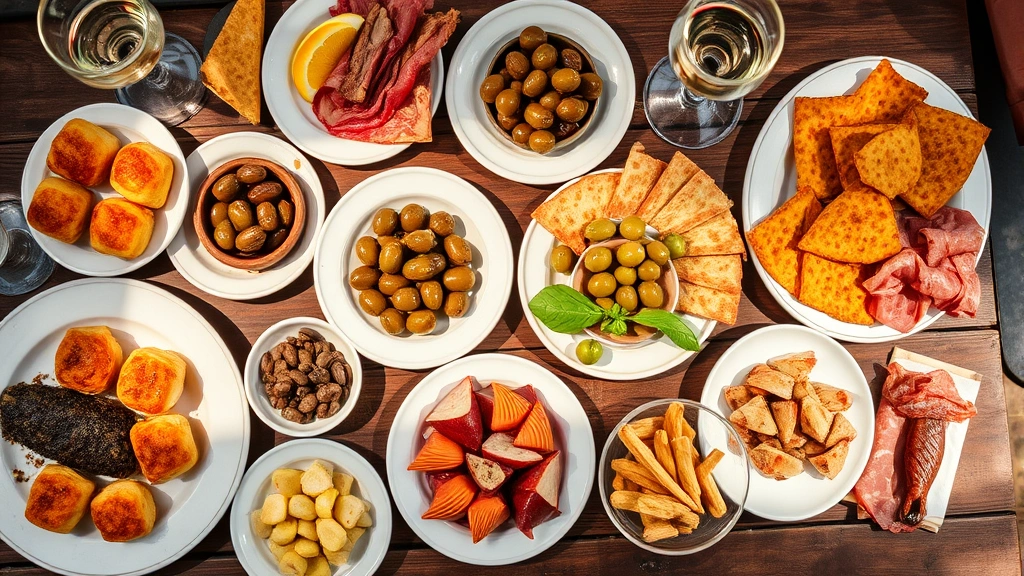
To truly understand Madrid’s dining culture, one must embrace the tapas bar tradition—that distinctly Spanish approach to eating and socializing that involves small plates, standing or sitting at counters, and an emphasis on conviviality over formality. Tapas aren’t merely appetizers; they represent a complete philosophy about how food and community intersect, where eating becomes a social ritual rather than a solitary consumption.
Traditional tapas bars in neighborhoods like La Latina preserve centuries-old traditions, with menus that might not even be written down because regulars know what’s available. The bartender, often working from an inherited recipe collection, crafts dishes from whatever ingredients arrived that morning at the market. A simple tapa of croquetas (creamy croquettes) might contain jamón, béchamel sauce, and breadcrumbs, yet the quality of each component and the precision of execution elevates it beyond simple bar food into something genuinely delicious.
Madrid’s wine culture has undergone significant evolution, with sommeliers and wine bar owners increasingly championing Spanish wines from lesser-known regions and producers. Rather than focusing exclusively on prestigious Riojas and Ribera del Dueros, these establishments highlight the diversity of Spanish viticulture—from Basque txakoli wines to Catalan cavas to obscure white wines from inland regions. The educational approach demystifies wine, making it accessible without diminishing its complexity.
The pairing of wine and tapas represents a delicate balance—neither element should overwhelm the other, and the combination should create something greater than its components. A crisp, slightly funky white wine might cut through the richness of fried seafood, while a mineral-driven red could complement aged cheese and cured meats. This interplay, perfected through centuries of practice, demonstrates how food and wine cultures evolved together in Spain.
Contemporary Madrid has also developed a cocktail culture that mirrors its culinary sophistication. Craft cocktail bars employ techniques and ingredient sourcing standards that parallel fine dining kitchens, creating drinks that demand as much attention and appreciation as complex dishes. These venues often pair cocktails with small bites, creating experiences that blur traditional boundaries between dining and drinking.
For those interested in exploring regional restaurant scenes beyond Madrid, understanding how cities celebrate their culinary culture provides valuable context. Madrid’s approach to dining—emphasizing quality, tradition, innovation, and social connection—reflects values that transcend geography, appearing in great food cities worldwide.
FAQ
What’s the best time to visit Madrid’s cool restaurants?
Spring (April-May) and fall (September-October) offer ideal weather for exploring Madrid’s restaurant scene. Summer brings intense heat, though many restaurants offer lighter menus. Winter provides access to hearty traditional dishes and fewer crowds at popular venues. Dinner service typically begins at 9 PM, with most restaurants reaching full capacity by 10 PM, reflecting Spanish dining culture’s late schedule.
Do Madrid’s restaurants require advance reservations?
Michelin-starred establishments and popular trendy restaurants absolutely require reservations, often booked weeks in advance. Traditional tapas bars operate on first-come, first-served bases. Mid-range restaurants typically accommodate walk-ins during off-peak hours but benefit from reservations during weekends and peak seasons. Making reservations demonstrates respect for the kitchen’s planning and ensures a smoother dining experience.
What should I expect regarding dress codes?
Fine dining establishments maintain smart casual to formal dress codes—men should wear collared shirts, women should avoid overly casual athletic wear. Trendy neighborhood restaurants embrace casual dress codes reflecting their creative, informal character. Tapas bars have no dress code expectations. When in doubt, err toward slightly more formal attire; Madrid’s restaurant culture generally rewards attention to appearance.
How does Madrid’s dining scene accommodate dietary preferences?
Contemporary Madrid restaurants increasingly offer sophisticated options for vegetarian, vegan, and other dietary restrictions. Finding restaurants with vegan options has become considerably easier as chefs recognize the opportunity to showcase vegetables with the same creativity applied to proteins. Communicating dietary needs when reserving ensures the kitchen can prepare appropriate alternatives without compromising quality.
What represents authentic Madrid cuisine?
Authentic Madrid cuisine emphasizes simplicity, quality ingredients, and traditional techniques. Dishes like cocido madrileño (a hearty stew), rabo de toro (oxtail), and various tapas represent the city’s culinary heritage. However, modern Madrid cuisine builds upon these foundations, incorporating contemporary techniques and global influences while maintaining respect for tradition. The best restaurants honor both heritage and innovation.
Are there cool restaurants suitable for special occasions and celebrations?
Madrid offers numerous restaurants perfect for celebrations, from intimate fine dining venues to vibrant neighborhood spots with lively atmospheres. Michelin-starred establishments provide sophisticated backdrops for formal occasions, while trendy restaurants in Malasaña or Chueca offer energetic settings for casual celebrations. Communicating your celebration’s nature when reserving allows restaurants to enhance the experience appropriately.
What external resources help understand Madrid’s culinary scene?
The Michelin Guide Spain provides authoritative ratings and reviews of fine dining establishments. Academia Madrileña de Gastronomía offers insights into Madrid’s culinary traditions and contemporary developments. Gastronomía y Destino covers Spanish food culture comprehensively. World’s 50 Best Restaurants includes Madrid establishments in its annual rankings, providing international perspective on the city’s culinary standing.
How do I navigate Madrid’s restaurant scene as a solo diner?
Madrid’s culture warmly welcomes solo diners, particularly at tapas bars where standing at the counter with a glass of wine and small plates feels completely natural. Many restaurants accommodate single diners gracefully, often seating them at the bar where they can observe kitchen operations and engage with bartenders. Choosing venues with lively atmospheres ensures solo diners feel part of the social fabric rather than isolated.