Tasting Daniel’s Menu: A Comprehensive Chef Expert Review
Daniel’s Restaurant and Catering stands as a beacon of culinary excellence, representing the pinnacle of refined dining experiences and meticulous flavor composition. Walking through the doors of this establishment invites diners into a world where every plate tells a story of precision, passion, and palate-driven innovation. As a dedicated food tasting specialist, I’ve spent considerable time exploring the depths of their menu offerings, and what unfolds is nothing short of extraordinary.
The restaurant’s philosophy centers on the marriage of classical technique with contemporary sensibilities, creating a dining experience that challenges preconceived notions about what restaurant cuisine can achieve. From the moment amuse-bouche touches your lips to the final decadent dessert course, Daniel’s demonstrates an unwavering commitment to flavor excellence and ingredient integrity. This comprehensive review examines every facet of their culinary offerings, breaking down the sensory journey that awaits discerning palates.
Appetizer Selection and First Impressions
The opening act of any culinary performance determines the trajectory of the entire experience, and Daniel’s understands this fundamental principle with remarkable clarity. Their appetizer selection functions as a sensory prologue, introducing diners to the restaurant’s flavor philosophy while building anticipation for courses to follow. Each starter is meticulously composed, demonstrating the kitchen’s obsession with balance, texture contrast, and ingredient quality.
The foie gras terrine presents itself as a masterclass in richness management. Unlike heavier interpretations that overwhelm the palate, Daniel’s version achieves an almost ethereal quality through careful temperature control and the strategic incorporation of acidic elements. A delicate brioche accompaniment provides structural contrast, while a silky reduction of aged balsamic introduces umami depth without overshadowing the main component’s buttery complexity. The mouthfeel transitions from initial velvet sensation to gradual dissolution, leaving behind persistent notes of truffle and toasted grain.
Tuna tartare arrives as a composition of precision and restraint. The fish—sourced from sustainable suppliers who understand the importance of proper handling—exhibits the translucent quality that indicates absolute freshness. Each dice maintains its integrity, yet yields effortlessly to the gentlest pressure of the tongue. Sesame oil provides a subtle nuttiness, while yuzu introduces brightness that cuts through the richness without harsh citrus assertiveness. Crispy wonton shards offer textural punctuation, their delicate shattering sensation contrasting beautifully against the smooth, buttery fish.
For those seeking lighter entry points, the burrata and heirloom tomato composition represents summer distilled into a single plate. The cheese—creamy, fresh, almost cloud-like in its texture—serves as a canvas for peak-season tomato varieties, each contributing distinct flavor profiles. Aged balsamic reduction creates glossy ribbons of concentrated sweetness, while basil oil introduces herbaceous freshness. The interplay between the cool, milky cheese and warm tomato essence creates a sensory dialogue that evolves with each bite.
Main Course Excellence
The main course selection at Daniel’s represents the restaurant’s core identity and technical prowess. These dishes showcase the kitchen’s ability to balance complexity with clarity, allowing individual components to shine while functioning as unified flavor statements. Each protein receives treatment befitting its specific characteristics and culinary potential.
The dry-aged ribeye demonstrates the restaurant’s commitment to proper sourcing and preparation methodology. Sourced from heritage breed cattle raised with attention to animal welfare and dietary protocols, the beef arrives at the table with a magnificent crust—the result of precise heat management and impeccable timing. The interior exhibits perfect medium-rare doneness, with the beef’s natural marbling creating a self-basting effect that ensures moisture throughout. A compound butter infused with black garlic and shallots adds savory complexity, while the steak’s own umami notes deepen upon interaction with the fat. Accompanying the protein are roasted bone marrow bones, presented in their natural state for diners to extract the creamy interior—an indulgent element that heightens the overall richness of the plate.
For those exploring unique restaurants near me, seafood preparations often serve as differentiating factors, and Daniel’s excels in this arena. Their halibut preparation showcases the fish’s delicate, flaky texture through gentle cooking methods that respect the protein’s inherent qualities. Pan-seared to develop subtle golden coloration, the halibut’s flesh remains impossibly moist, with a subtle sweetness that emerges as the natural gelatin content dissolves on the palate. A sauce of brown butter, capers, and lemon provides sharp counterpoint without overwhelming the fish’s subtle flavor profile. Accompanying vegetables—perhaps baby fennel and fingerling potatoes—receive equal attention, each component properly seasoned and texturally distinct.
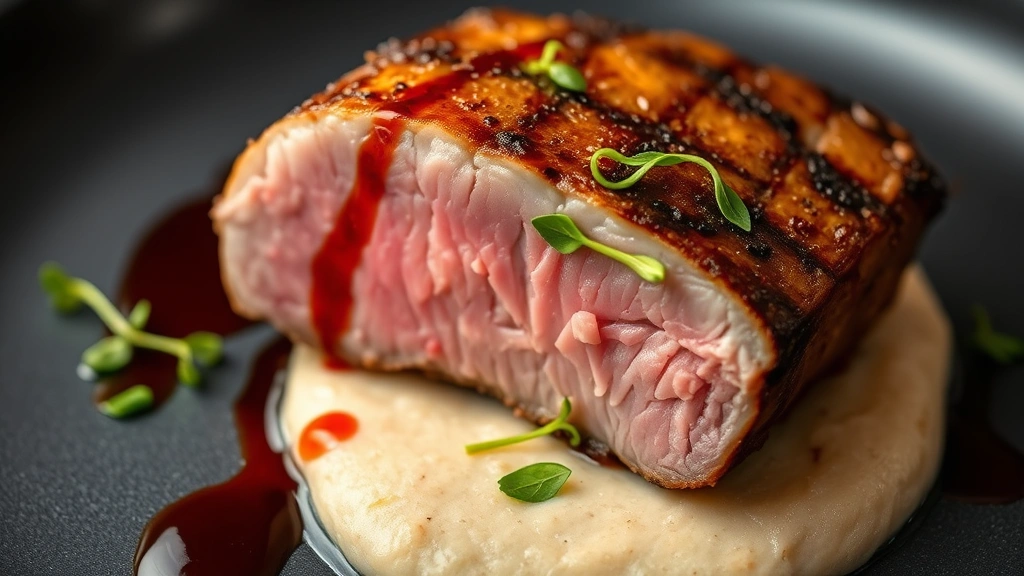
The duck breast arrives as a study in temperature precision and flavor development. The skin, rendered until it achieves a glass-like crispness, shatters between the teeth, releasing rendered fat that coats the palate with savory richness. The meat beneath maintains a rosy interior, with muscle fibers that remain tender despite the high heat treatment the exterior receives. A cherry gastrique introduces fruity sweetness that complements the duck’s inherent gaminess, while a silky celery root purée adds earthy undertones. This main course exemplifies how Daniel’s approaches protein cookery—with respect for the ingredient, technical mastery, and thoughtful accompaniments that enhance rather than mask.
Diners interested in exploring similar culinary heights might consider checking out SF Restaurant Week or Restaurant Week Philadelphia, where high-caliber establishments often showcase their capabilities through specialized menus.
Seafood Preparations and Technique
Seafood represents one of Daniel’s strongest suit areas, with preparations that honor the ingredient’s delicate nature while introducing sophisticated flavor development. The kitchen demonstrates particular mastery in understanding how heat, acid, salt, and fat interact with various fish and shellfish proteins.
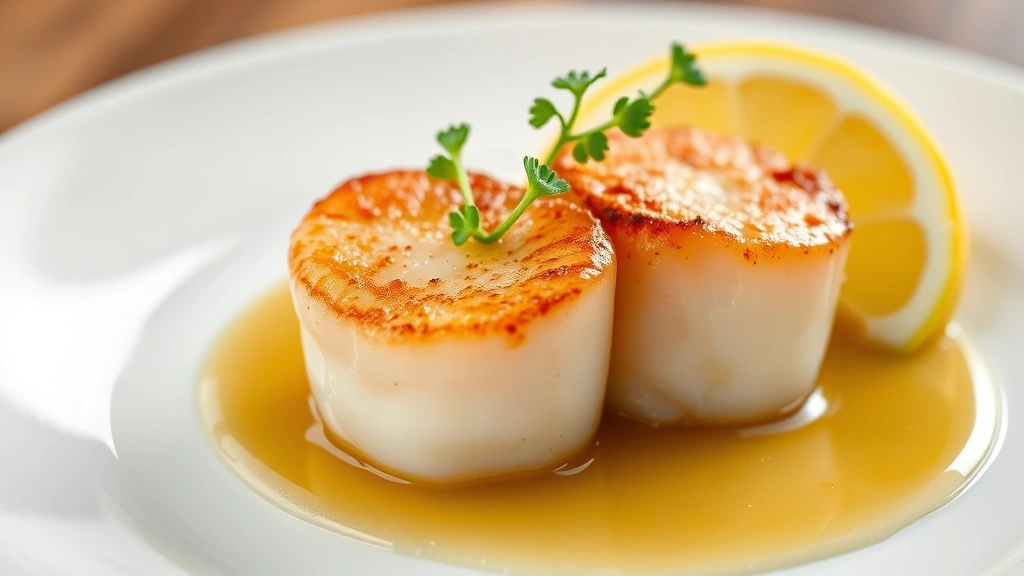
The scallop course showcases these principles with remarkable clarity. Perfectly fresh diver scallops—those remarkable mollusks that develop deeper, more complex flavor profiles through their natural diet of varied plankton—receive minimal intervention. A quick sear in clarified butter creates a subtle golden exterior while maintaining the sweet, almost creamy interior that distinguishes premium scallops. The seasoning demonstrates restraint, allowing the scallop’s natural brininess and subtle sweetness to dominate the flavor profile. Accompanying the scallops might be a silky corn foam that echoes the scallop’s natural sweetness while introducing a different textural dimension. Crispy corn kernels provide textural contrast, while a brown butter beurre blanc ties these elements together with rich, nutty undertones.
Lobster preparations receive equally thoughtful treatment. Whether presented as a simple split tail with drawn butter or incorporated into more complex preparations, the kitchen respects the lobster’s inherent sweetness and delicate texture. Proper cooking temperature ensures the meat remains tender and moist, with the characteristic sweet, briny flavor fully developed. If the lobster is incorporated into a richer preparation—perhaps a lobster thermidor or lobster bisque—the kitchen maintains the core flavors while building additional layers of complexity through complementary ingredients and proper technique.
The raw fish selections—presented as either crudo or sashimi preparations—demonstrate the kitchen’s access to exceptional suppliers and their understanding of proper handling. Each piece of fish exhibits the translucence and pristine appearance that indicates absolute freshness. Subtle seasonings—perhaps just a whisper of sea salt, quality olive oil, and delicate citrus—allow the fish’s natural flavors to shine. The textural sensation of properly sliced raw fish—that gentle resistance followed by silky dissolution—creates a sensory experience impossible to replicate through cooked preparations.
Protein Mastery and Sourcing
Behind every exceptional protein course lies a philosophy of sourcing, handling, and preparation that Daniel’s has clearly spent considerable time perfecting. The restaurant’s relationships with suppliers extend beyond simple transactional exchanges, representing genuine partnerships built on shared values regarding quality, sustainability, and animal welfare.
The beef program showcases this commitment through the selection of heritage breed cattle from ethical producers. These animals, raised with attention to their natural behaviors and dietary needs, develop superior flavor profiles and superior fat composition compared to conventional feedlot cattle. The dry-aging process—a carefully controlled environment where beef hangs for precise periods, allowing enzymatic breakdown of muscle fibers and moisture loss that concentrates flavors—represents an additional investment in quality. The resulting meat exhibits deeper, more complex beef flavor, with enhanced tenderness and improved mouthfeel.
Poultry sourcing demonstrates similar principles. Rather than relying on conventional commodity birds, the kitchen sources from producers who raise chickens, quail, and game birds with attention to slow growth rates and diverse diets. These birds develop superior flavor complexity, with meat that exhibits better texture and more pronounced savory characteristics. Whether presented as a simple roasted chicken breast or incorporated into more complex preparations, the ingredient quality becomes immediately apparent to the discerning palate.
Game sourcing reflects the kitchen’s commitment to seasonality and regional ingredients. Venison, wild boar, and game birds appear on menus during appropriate seasons, prepared with techniques that honor their distinctive flavors while managing any excessive gaminess through proper cooking and thoughtful accompaniments. These proteins challenge diners to expand their flavor horizons while demonstrating the kitchen’s technical range.
Vegetable-Forward Sides and Preparations
Modern fine dining recognizes that vegetables deserve equal technical attention and creative consideration as protein components. Daniel’s demonstrates this philosophy through vegetable preparations that function as standalone flavor statements rather than mere accompaniments.
Root vegetables receive treatment that highlights their natural sweetness while introducing complexity through proper cooking technique. Roasted carrots achieve caramelization that develops natural sugars, creating a subtle sweetness that contrasts with their earthy undertones. Beet preparations showcase the vegetable’s mineral qualities, perhaps paired with acidic elements that heighten their unique flavor profile. Parsnips—often underutilized—receive proper respect through cooking methods that develop their creamy interior while creating textural contrast through careful browning of the exterior.
Leafy greens are handled with equal sophistication. Rather than appearing as simple salads, greens might be prepared as wilted preparations with complementary sauces, or incorporated into composed dishes where their subtle flavors add dimension without overwhelming other components. The sourcing of heirloom and specialty varieties ensures superior flavor profiles compared to conventional options.
Seasonal vegetable preparations change throughout the year, reflecting the kitchen’s commitment to working with ingredients at their peak. Spring brings delicate asparagus, snap peas, and young greens; summer offers abundant tomatoes, zucchini, and stone fruits; autumn provides mushroom varieties and squashes; winter brings hearty root vegetables and preserved preparations from peak seasons. This seasonal approach ensures maximum flavor development and supports local agricultural systems.
Dessert Artistry and Sweet Finales
The dessert course at Daniel’s represents the final opportunity to impress, and the pastry team approaches this responsibility with remarkable dedication. Each dessert balances technical precision with flavor innovation, creating sweet preparations that satisfy without overwhelming.
Chocolate preparations showcase the kitchen’s understanding of cocoa’s complexity. Rather than relying on excessive sweetness to mask inferior chocolate, the pastry team works with premium couverture, allowing the chocolate’s intrinsic flavors—perhaps notes of fruit, nuts, or earth—to shine. A flourless chocolate cake might achieve its silky texture through precise temperature control and proper ingredient ratios, with the chocolate’s bittersweet qualities balanced by subtle sweetness and perhaps a hint of salt that heightens perception of the chocolate’s complexity. Accompanying elements—perhaps a light berry coulis or delicate vanilla cream—provide textural and flavor contrast without overwhelming the chocolate’s central role.
Fruit-forward desserts celebrate seasonal produce with the same respect applied to savory preparations. Composed plates might feature fresh fruit, perhaps poached or lightly cooked to concentrate flavors, accompanied by complementary components like light pastry cream, sorbet, or delicate meringue. The pastry team understands that fruit’s natural flavors require careful balance—too much additional sweetness masks the fruit’s inherent qualities, while proper technique highlights their complexity.
The cheese course, sometimes presented as dessert’s precursor, showcases a carefully curated selection of artisanal cheeses at proper temperature and maturity. The selection might span multiple styles—soft-ripened varieties with creamy centers, aged hard cheeses with crystalline texture and complex flavors, and perhaps blue cheeses with pungent, mineral qualities. Accompaniments—perhaps house-made crackers, honeycomb, or fruit preserves—provide textural contrast and complementary flavors without overwhelming the cheeses’ subtle characteristics.
Petit fours and final sweet bites extend the dessert experience, offering diminutive flavor statements that provide closure to the meal while leaving diners with lingering pleasant impressions. These final touches might include delicate macarons, chocolate truffles with carefully balanced fillings, or small fruit tarts showcasing pastry craftsmanship.
Beverage Program and Pairings
Daniel’s recognizes that beverages function as essential components of the dining experience rather than mere accompaniments. The wine program reflects thoughtful curation, featuring selections from established and emerging producers who share the restaurant’s quality philosophy.
The wine list balances accessibility with discovery, offering familiar classics alongside lesser-known gems that reward exploration. Staff expertise extends beyond simple recommendations, with sommeliers capable of discussing terroir, vintage variation, and food pairing principles with genuine knowledge. Rather than pushing the most expensive selections, the team demonstrates commitment to matching wines to individual preferences and dishes, ensuring the beverage enhances rather than overshadows the food.
For diners exploring fine dining options, understanding how best restaurants in Dublin and other premier establishments approach beverage programs provides valuable context. The world’s finest restaurants recognize that wine, spirits, and non-alcoholic beverages deserve equal attention to food preparation.
Spirits selections showcase the kitchen’s commitment to craft and quality. Premium spirits—chosen for their complexity and flavor characteristics—might appear in cocktails crafted specifically to complement the dining experience. Non-alcoholic options receive equal attention, with house-made sodas, herbal infusions, and sophisticated non-fermented beverages offering compelling alternatives for those preferring alcohol-free options.
Coffee and tea service concludes the beverage experience, with selections from quality producers served at optimal temperatures and with proper equipment. This final beverage component provides a graceful transition from the meal’s intensity to post-dinner relaxation.
Catering Services Excellence
Daniel’s Restaurant and Catering extends its culinary philosophy beyond the dining room into private events and catering services. This expansion demonstrates the kitchen’s versatility and commitment to maintaining excellence across all service formats.
Catering menus showcase the same attention to ingredient quality and technical precision that defines the restaurant’s dining room offerings. Whether preparing intimate dinner parties or large-scale celebrations, the catering team maintains consistency while adapting preparations to accommodate various venue constraints and client preferences.
The catering service demonstrates particular strength in understanding how food travels and how preparation timing affects final presentation. Dishes are designed to maintain their integrity during transport and holding periods, with proper temperature management and finishing techniques applied upon arrival at venues. This logistical sophistication ensures that catered events deliver flavor and presentation quality equivalent to in-restaurant dining experiences.
Clients considering catering services benefit from working with a team that understands both culinary excellence and event logistics. The catering team collaborates with clients to develop menus reflecting their preferences while maintaining realistic expectations regarding what’s achievable in various settings. This consultative approach ensures successful events that leave lasting impressions on guests.
For those seeking specialized dining options, exploring gluten free restaurants near me or investigating 24 hours restaurants near me provides insight into how quality establishments adapt their operations to accommodate diverse dietary needs and schedules. Daniel’s similarly demonstrates flexibility in catering services while maintaining their core quality standards.

FAQ
What makes Daniel’s menu selections unique compared to other fine dining establishments?
Daniel’s distinguishes itself through unwavering commitment to ingredient quality, technical precision, and flavor clarity. Rather than pursuing complexity for its own sake, the kitchen balances sophistication with restraint, allowing premium ingredients to shine while introducing complementary elements that enhance rather than mask their inherent qualities. The seasonal approach to menu development ensures maximum flavor development while supporting local agricultural systems.
How does Daniel’s approach dietary restrictions and special requests?
The kitchen demonstrates flexibility in accommodating dietary restrictions without compromising quality standards. Rather than treating special requests as inconveniences, the team approaches them as opportunities to showcase their technical range and creativity. Communication with the kitchen prior to your visit ensures they can prepare appropriate alternatives that maintain the meal’s overall quality and sophistication.
What is the optimal way to experience Daniel’s full menu range?
The tasting menu format represents the optimal approach to experiencing the kitchen’s full capabilities. This format allows the chef to showcase their technical range while introducing diners to seasonal ingredients and innovative preparations. The progression from lighter appetizers through richer main courses to refined desserts creates a sensory journey that highlights the kitchen’s philosophy and skill.
How frequently does Daniel’s menu change, and what determines the timing?
Menu evolution reflects seasonal ingredient availability and the kitchen’s continuous innovation. Rather than maintaining static menus, the team regularly introduces new preparations and refines existing dishes based on ingredient availability, technique refinement, and creative inspiration. This dynamic approach ensures regular diners experience novelty while maintaining core signature dishes that define the restaurant’s identity.
What external resources can help diners understand fine dining principles and flavor theory?
Several authoritative organizations provide valuable insights into culinary excellence. The Culinary Institute of America offers educational resources regarding professional cooking techniques and culinary theory. The International Association of Culinary Professionals provides platforms for culinary dialogue and professional development. Slow Food USA promotes understanding of ingredient quality, sustainability, and traditional food preparation methods. The Institute of Flavor Science offers research-based insights into how flavor compounds interact and how different preparation methods affect taste perception. Finally, World Association of Chefs’ Societies provides global perspectives on culinary excellence and professional standards.